Malibu Beach Access Cost Calculator
Calculate Your Beach Experience
See how much it actually costs to enjoy Malibu's beaches versus affordable alternatives.
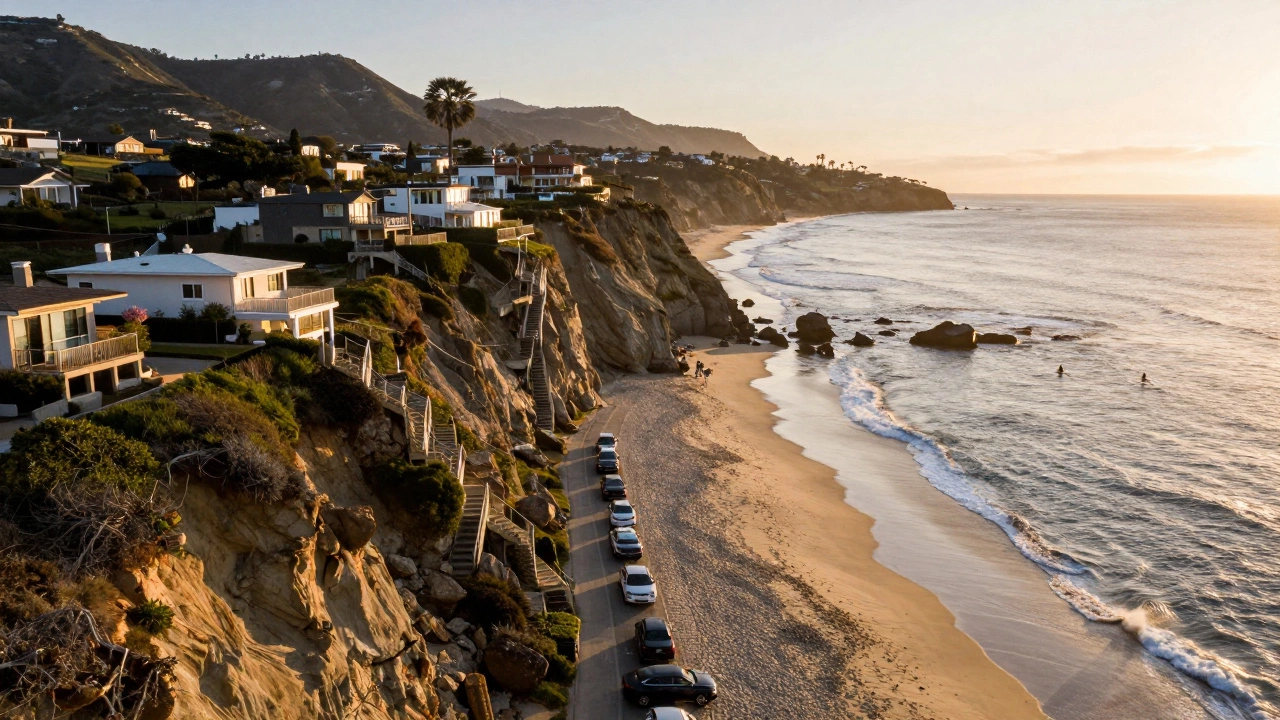
The most expensive beach in the United States isn’t just about sand and surf-it’s about exclusivity, privacy, and a price tag that puts it out of reach for nearly everyone. That beach is Malibu, specifically the stretch of coastline between Zuma Beach and Point Dume, where homes sell for $20 million to over $100 million and beach access is tightly controlled. This isn’t a public park with picnic tables and lifeguards-it’s a gated world where only residents, guests, or those with expensive permits can step onto the sand.
Why Malibu Costs More Than Any Other Beach
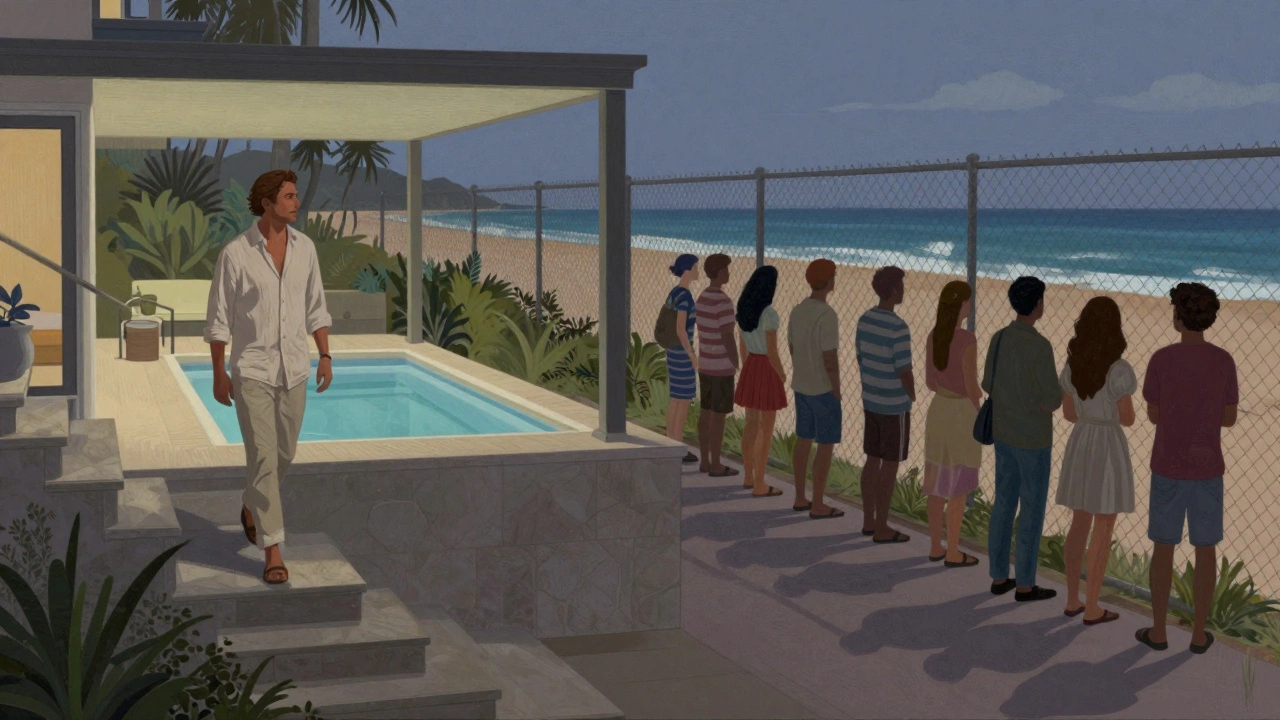
Malibu’s beachfront doesn’t come cheap because it’s scenic-though it is. It’s expensive because it’s rare. California’s coastline is one of the few places in the U.S. where the law says the public owns the sand below the high-tide line. But here’s the catch: the only way to actually reach that public sand is through private driveways, gated communities, or luxury resorts. Most of the beachfront properties in Malibu are owned by celebrities, tech billionaires, and heirs to old money. Their homes block direct access, and the few public access points are often crowded, poorly maintained, or patrolled by security.
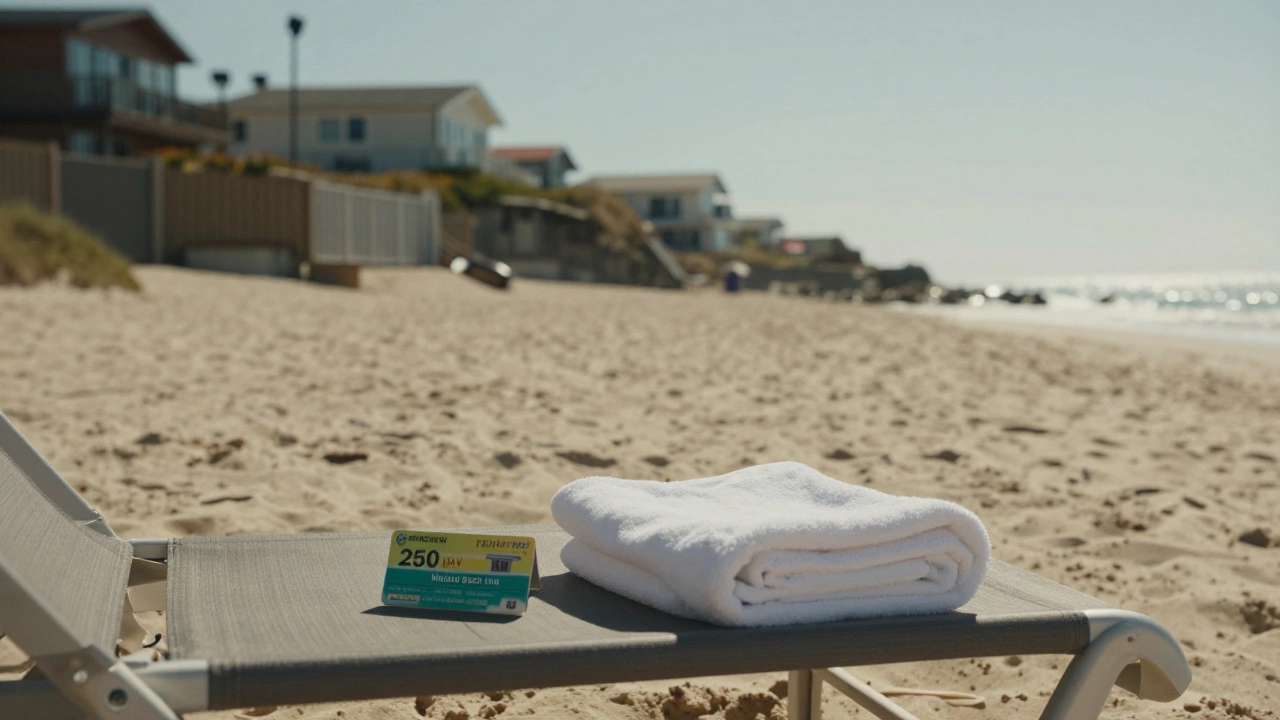
Want to spend a day on the sand? You’ll need to book a room at the Malibu Inn, which charges $1,200 a night just for a basic ocean-view room. Or you can pay $250 for a day pass to the exclusive Malibu Beach Inn, which includes a lounge chair, towel, and access to a private stretch of sand. Compare that to a free public beach in Florida or New Jersey, and the difference isn’t just in price-it’s in control.
The Real Cost of Access
Here’s what you’re really paying for: not the beach, but the right to be there. In Malibu, beachfront homes are measured in acreage, not square feet. The average home on Carbon Beach-known as “Billionaire’s Beach”-is over 10,000 square feet and sits on a cliff overlooking the Pacific. These homes often have private staircases down to the sand, heated pools, and rooftop decks for sunset views. In 2024, a 1.2-acre property on Carbon Beach sold for $142 million, the highest price ever paid for a residential beachfront property in the U.S.
Even if you don’t buy, you still pay. Beach clubs like the Malibu Yacht Club charge $15,000 just to join, with monthly dues of $1,200. They offer private dining, boat slips, and reserved beach loungers. If you’re not a member, you can’t even rent a chair. And forget about bringing your kids. Many of these properties have strict rules: no children under 16, no loud music, no pets. It’s less a beach and more a status symbol.
How Other Beaches Compare
Other expensive beaches in the U.S. come close-but none match Malibu’s combination of scarcity and prestige. In Miami, the beachfront in South Beach is pricey, but it’s public and bustling. You can walk in for free, rent a chair for $20, and eat at a taco stand for $8. In the Hamptons, summer rentals hit $50,000 a week, but the beach itself is open to the public. In Hawaii, Waikiki is tourist-heavy and crowded, while private beaches like those on Lanai are accessible only to resort guests.
Malibu is different because it’s the only place where the public right to the beach is legally guaranteed but practically erased by wealth. You can stand on the sidewalk and see the ocean-but you can’t get to it without permission. In 2023, a lawsuit forced the city to open three new public access points, but they’re still narrow, poorly signed, and often blocked by parked luxury cars.
Who Actually Uses This Beach?
It’s not just celebrities. The real users are the people who live there year-round: heirs to oil fortunes, retired CEOs, and tech founders who bought in during the 1990s dot-com boom. You’ll see Elon Musk’s former home on Carbon Beach, or the gated compound once owned by the late Steve Jobs. But most of the residents are quiet. They don’t post on Instagram. They don’t give interviews. They just live there, behind walls and gates, with their own private beach access.
Even the staff who work there don’t live on the beach. Housekeepers, gardeners, and security guards commute from 30 miles away. The beach isn’t a place for workers-it’s a place for owners.
Is It Worth It?
If you’re looking for sun, sand, and saltwater, Malibu is overkill. You can get the same view from a public beach in Santa Monica for free. But if you’re looking for silence, privacy, and the feeling of being somewhere almost no one else can go-it’s unmatched. There’s a reason why people pay $100 million for a patch of sand: it’s not about the beach. It’s about control. It’s about saying, “This is mine.”
For most people, Malibu’s beach is a postcard. For a few, it’s a lifestyle. And for the rest of us? It’s a reminder that in America, even the ocean isn’t truly free.
What You Can Do Instead
If Malibu’s price tag feels impossible, you don’t need to give up on luxury beach experiences. There are alternatives that offer similar vibes without the six-figure entry fee.
- Book a week at the Four Seasons Resort in Maui-private beach, but you can walk in like a guest.
- Try the Ritz-Carlton in Naples, Florida-less crowded than Miami, more relaxed than Malibu.
- Stay at the Hotel del Coronado in San Diego-historic, beachfront, and open to the public for day passes.
- Visit the Outer Banks in North Carolina-free public beaches with luxury rentals starting at $1,500 a week.
None of these are Malibu. But they’re real, accessible, and still feel like a getaway.
Why This Matters Beyond the Price Tag
Malibu’s beach isn’t just expensive-it’s a symbol. It shows how wealth reshapes public space. In most of the U.S., beaches are protected by law as common property. But in Malibu, that law is bent, stretched, and sometimes ignored. The public has the right to be there-but not the practical ability.
This isn’t unique to Malibu. Coastal cities from Newport to Santa Barbara face the same tension. But Malibu is the most extreme example. It’s where the idea of the American dream-open access to nature-collides with the reality of extreme inequality.
And that’s why it’s the most expensive beach in the country. Not because of the waves. Not because of the views. But because the sand is no longer just sand. It’s a commodity.
Is Malibu Beach really the most expensive beach in the U.S.?
Yes. While other beaches like those in the Hamptons or Miami have high property values, Malibu’s Carbon Beach holds the record for the most expensive residential beachfront sales in the country. Homes there regularly sell for over $100 million, and even day access to private beach sections costs hundreds of dollars. No other beach combines extreme private ownership with legally protected public access in the same way.
Can the public actually go to Malibu Beach?
Legally, yes. California law says the area below the high-tide line belongs to the public. But practically, it’s very difficult. Most access points are blocked by private homes, gated driveways, or security. There are a few public paths, but they’re poorly maintained, hard to find, and often crowded. Many visitors are turned away by private security. So while you have the right to be there, getting there is another story.
How much does it cost to spend a day on Malibu Beach?
If you’re not a resident, your cheapest option is a day pass to the Malibu Beach Inn, which costs $250. This includes a lounge chair, towel, and access to a small private stretch of sand. Public beaches are technically free, but reaching them requires navigating private property or long walks. Most people who visit pay for access through a hotel, club, or tour.
Are there any free public beaches near Malibu?
Yes. Zuma Beach and El Matador Beach are public and free to enter. But they’re often packed, and parking costs $10-$15. El Matador’s access requires climbing down steep stairs, and Zuma’s sand is wide but distant from the luxury homes. Neither offers the seclusion or exclusivity of Carbon Beach. If you want the Malibu experience without the price, these are your best bets.
Why don’t more people buy beachfront property in Malibu?
Because it’s not just expensive-it’s nearly impossible to get. Most beachfront lots are held by families for generations. New properties rarely come up for sale, and when they do, they’re snapped up in days. Zoning laws limit new construction, and environmental restrictions make building on cliffs difficult. Plus, the cost of maintenance, security, and taxes makes owning one of these homes a full-time job.