UK Airbnb vs Hotel Value Calculator
Enter your trip details below to see which option saves you money and hassle in the 2026 UK market.
Trip Details
Fill in the details and click Calculate to see your recommendation.
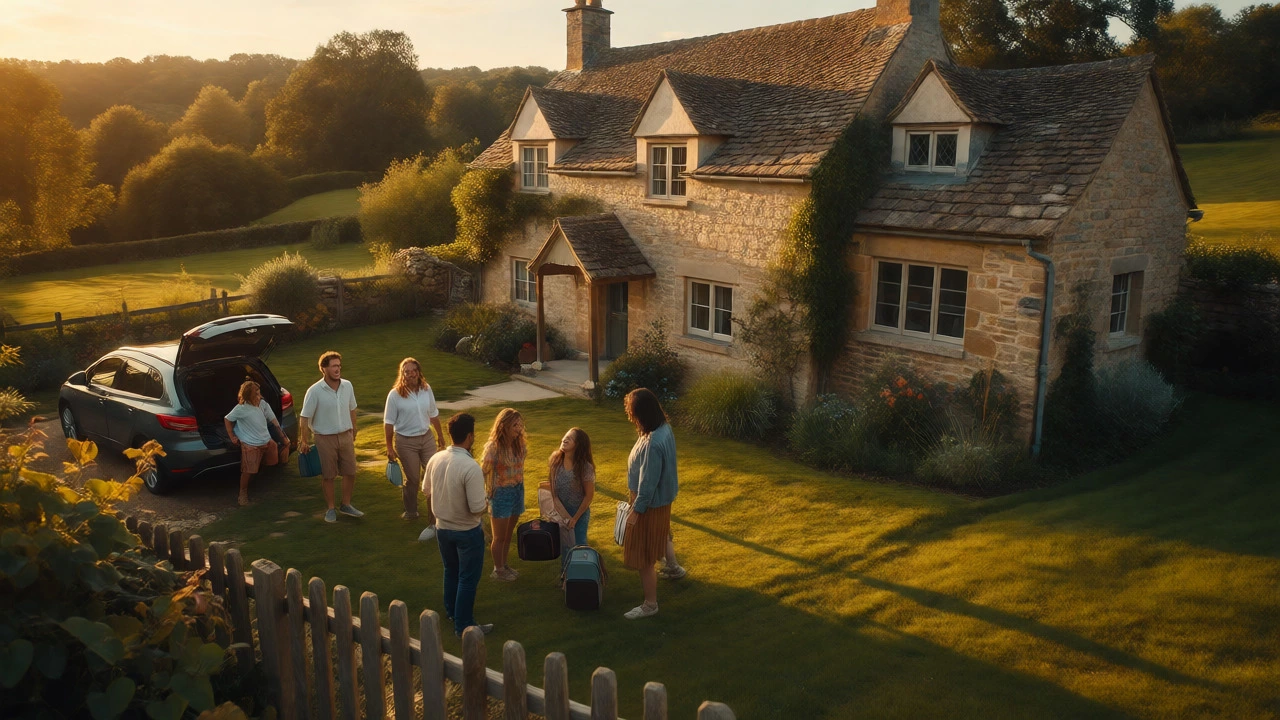
You’re staring at a listing for a cozy cottage in the Cotswolds. The photos are dreamy, the reviews are glowing, and the price tag is... well, it’s making your wallet sweat. You wonder if you should just book a hotel or drive to a B&B instead. This is the exact dilemma thousands of UK travelers face every weekend. Is Airbnb actually worth the hassle and cost in the current UK market, or is it a trap for tourists?
The answer isn’t a simple yes or no. It depends entirely on what you value: space, location, privacy, or pure convenience. As we move through 2026, the landscape has shifted. New regulations, higher taxes, and stricter host requirements have changed the game. But so have the alternatives. Let’s break down whether opening that app is the right move for your next trip.
The State of Play in 2026
First, let’s look at the reality. The "wild west" days of short-term rentals in the UK are over. If you remember booking random spare rooms in London for cheap, forget it. That era ended with the implementation of tighter licensing schemes in cities like London, Edinburgh, and Manchester. Hosts now need proper permits, which means fewer listings but often higher quality ones.
Why does this matter to you? Because supply dropped while demand stayed steady. Prices haven’t crashed; they’ve stabilized at a premium level. However, the average standard has risen. You’re less likely to encounter a dirty mattress or a hidden camera these days because hosts are under scrutiny from local councils. The trade-off? You pay more for the privilege of staying in someone’s home rather than a commercial hotel room.
When Airbnb Wins Big
There are specific scenarios where an Airbnb crushes any hotel alternative. If you fall into these buckets, stop reading and start booking.
- Group Travel: Splitting a £300 night between six people costs £50 each. A hotel room for six? Good luck finding one, or paying for three separate rooms. Airbnbs offer shared living spaces-kitchens, living rooms, gardens-that hotels simply don’t provide at that price point.
- Long Stays (7+ Nights): Many hosts offer weekly discounts of 15-20%. Plus, having a washing machine and a full kitchen saves you hundreds on laundry services and restaurant meals. For a week-long stay in Cornwall or Scotland, the math heavily favors the apartment.
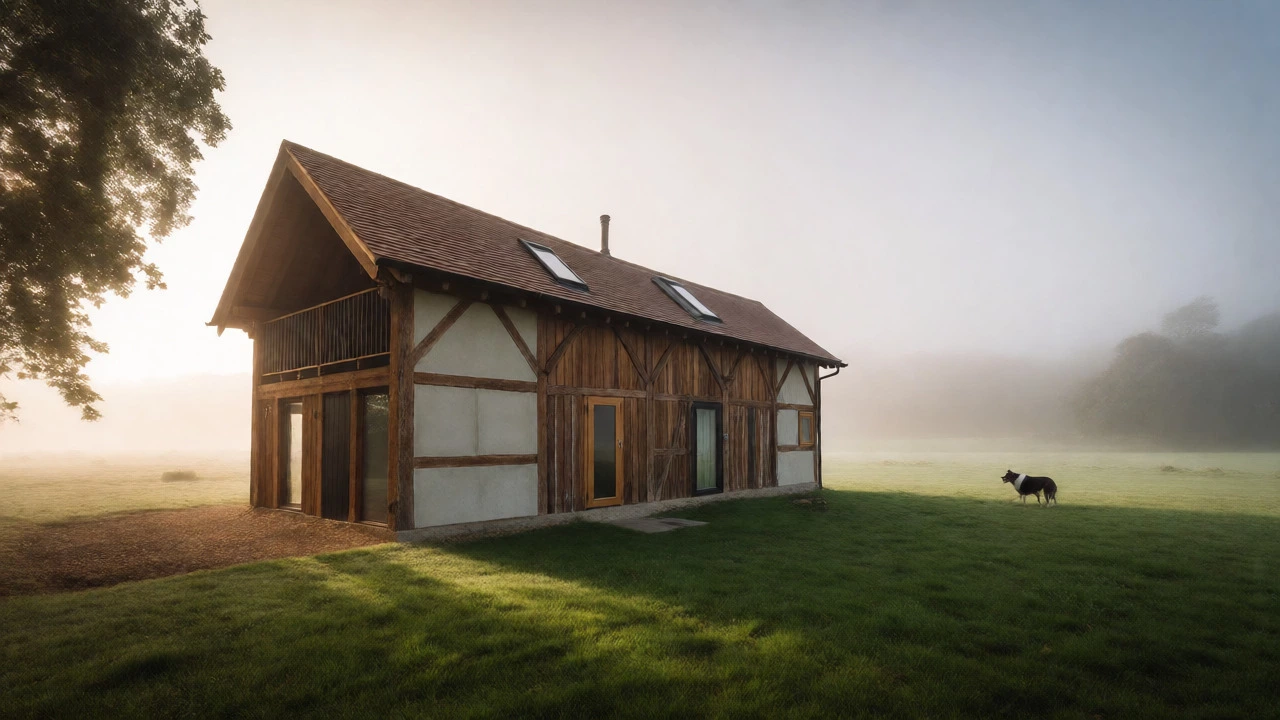
- Unique Locations: Want to sleep in a lighthouse in Wales or a converted barn in Yorkshire? Hotels rarely offer these quirky, character-rich options. If you want an experience, not just a bed, Airbnb is your playground.
- Pets: Finding pet-friendly hotels in rural UK areas can be a nightmare. On Airbnb, you can filter specifically for pets and see exactly what kind of garden the dog gets. No extra cleaning fees hidden until checkout, usually.
When You Should Skip It
Conversely, there are times when Airbnb is a poor choice. Don’t force it if you fit this profile.
If you’re traveling solo or as a couple for a quick city break, a hotel is often better. Why? Consistency. When you check into a Premier Inn or a Holiday Inn Express, you know exactly what you’re getting. Clean sheets, a working shower, and a reception desk open 24/7. With an Airbnb, you might arrive at 10 PM only to find the self-check-in code doesn’t work, or the host is unreachable. In a foreign city or a busy hub like London, that stress isn’t worth saving £20.
Also, consider the "hidden" costs. While prices seem lower upfront, add the cleaning fee, service fee, and sometimes a security deposit. By the time you hit the final page, the gap between a budget hotel and a mid-range Airbnb shrinks significantly. If you’re only staying one or two nights, those fixed cleaning fees destroy your savings.
| Feature | Airbnb / Short-Term Rental | Traditional Hotel |
|---|---|---|
| Best For | Families, groups, long stays, unique locations | Solo travelers, couples, business trips, short breaks |
| Cost Structure | Base rate + Cleaning Fee + Service Fee (High fixed costs) | Nightly rate (Often includes breakfast/parking) |
| Consistency | Variable (Host-dependent) | Standardized (Brand standards apply) |
| Check-in | Self-service, lockboxes, or host meeting (Can be tricky) | Reception staff available 24/7 |
| Amenities | Kitchen, laundry, private outdoor space | Room service, gym, pool, concierge |
The Regulatory Landscape: What Changed?
You might hear horror stories about "ghost listings" or sudden cancellations. These were common five years ago. Today, the UK government and local councils have cracked down hard. The primary driver here is housing shortages. Cities can’t afford to lose residential stock to tourists, so they limit how many nights a year a property can be rented out. In London, for instance, the 90-day rule limits short-term lets. In other regions, licensing is mandatory.
This benefits you as a traveler in two ways. First, legitimacy. If a listing is active, it’s likely licensed and inspected. Second, safety. Fire safety regulations are strictly enforced. You won’t find blocked exits or missing smoke alarms as easily as before. However, it also means inventory is tighter. You must book earlier. Last-minute deals are rarer because hosts aren’t sitting on empty units hoping for a walk-in; they’re managing strict caps on their revenue potential.
Smart Booking Strategies for 2026
If you decide to go ahead, don’t just click "Book." Use these tactics to ensure you get value.
Read the Reviews Carefully: Ignore the five-star ratings. Look for comments about noise, parking, and check-in ease. If three people mention the street is loud, believe them. If two complain about the Wi-Fi speed, assume it’s slow. Specific details beat general praise every time.
Check the Cancellation Policy: Post-pandemic, flexible cancellation is gold. Life happens. Flights get cancelled, kids get sick. Choose listings with moderate or flexible cancellation policies unless you’re 100% sure. It’s worth paying a few pounds extra for peace of mind.
Communicate Before Booking: Message the host. Ask a simple question: "Is the parking free?" or "How far is the nearest train station?" See how fast they reply. A host who takes two days to answer will probably take two days to fix a broken heater. Responsiveness is a key indicator of a good stay.
Beware of "Superhost" Status: Yes, Superhosts are generally reliable. They have high ratings and low cancellation rates. But don’t blindly trust the badge. Some hosts buy their way up by offering tiny discounts. Always read the recent reviews, especially those from the last three months. The property may have changed hands or deteriorated since the Superhost status was earned.
Alternatives to Consider
Don’t tunnel-vision on Airbnb. The UK market has evolved. Platforms like Vrbo (great for larger family homes) and Booking.com (which lists many apartments alongside hotels) offer similar inventory. Sometimes, comparing the same property across platforms yields different prices due to varying service fees.
Also, consider boutique guesthouses. They offer the personal touch of a B&B without the impersonal feel of a chain hotel. Often, they’re competitively priced and include breakfast, which offsets the lack of a kitchen. For romantic getaways or solo trips, a charming guesthouse in the Lake District often beats a cold, unstaffed apartment.
The Verdict
So, is it worth doing Airbnb in the UK? If you’re traveling with a group, staying for a week, or seeking a unique rural escape, absolutely yes. The space and amenities justify the cost. But if you’re a solo traveler looking for a quick city break, or if you hate dealing with logistics, stick to hotels. The convenience factor is real, and in 2026, time is money.
Ultimately, success comes down to expectations. Treat an Airbnb like a temporary home, not a hotel. Pack your own toilet paper if you’re paranoid. Expect quirks. If you do that, you’ll likely have a fantastic stay. If you expect concierge service and daily housekeeping, you’ll be disappointed.
Are Airbnb prices going down in the UK?
Not significantly. While demand has normalized post-pandemic, reduced supply due to strict licensing laws in major cities keeps prices stable or slightly rising. You may find better deals in off-season periods or less regulated rural areas, but urban centers remain expensive.
Do I need to pay a security deposit for UK Airbnbs?
Many hosts require a refundable security deposit, either held via the platform or collected directly. This covers damages beyond normal wear and tear. Always check the listing details for deposit amounts and return timelines before booking.
Is it safe to use Airbnb in the UK?
Yes, generally very safe. The platform verifies IDs, and UK regulations enforce fire and gas safety checks for licensed properties. However, always read reviews for red flags regarding neighborhood safety or host reliability.
What happens if the host cancels my booking?
If a host cancels within 30 days of your check-in, Airbnb typically offers a full refund and may provide a coupon for future bookings. However, rebooking last minute can be costly, so travel insurance covering cancellation is highly recommended.
Are cleaning fees included in the displayed price?
No. Cleaning fees are usually added during the checkout process. For short stays, this can increase the total cost by 15-20%. Always calculate the total price per night including all fees to compare accurately with hotels.