Mental Health Travel Planner
Step 1: Select Triggers
Select all triggers your travel companion may experience:
Step 2: Select Destination Features
Select features your destination should have:
Planning a weekend getaway with someone who lives with a mental illness doesn’t have to be stressful-or impossible. You don’t need to cancel the trip. You don’t need to over-plan every minute. You just need to shift your focus from perfection to presence.
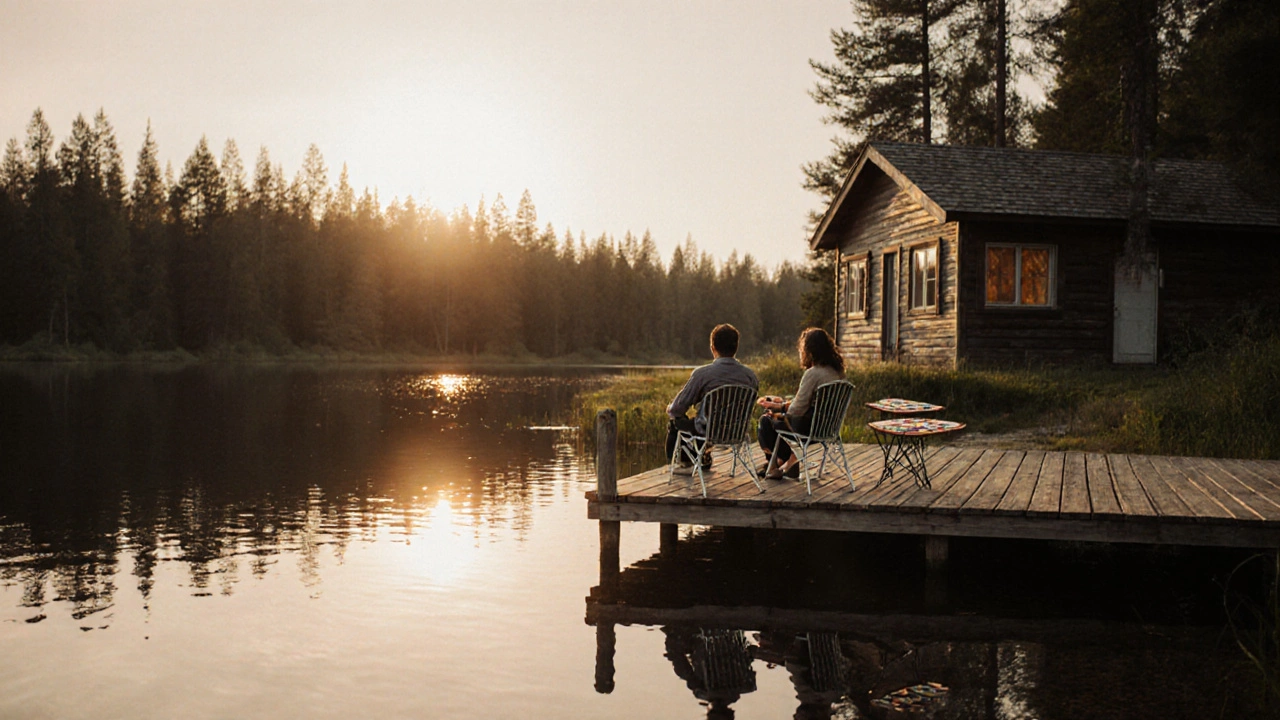
One of my friends, Sarah, took her brother, who has severe social anxiety, on a two-night cabin trip last spring. They didn’t go to a crowded resort. They didn’t try to hike a mountain. They drove two hours to a quiet lake, brought board games, cooked simple meals, and spent most of their time sitting on the dock. He texted her three days later: "That was the first time in years I didn’t feel like I was failing at being normal." That’s the goal: not to fix, not to cure, but to create space where they can just be.
Start with the basics: know their triggers
Before you book anything, sit down and ask the person: "What makes you feel unsafe, overwhelmed, or shut down?" Don’t guess. Don’t assume. Write it down. Common triggers include:- Large crowds or loud noises
- Unfamiliar routines or sudden changes
- Being the center of attention
- Long car rides without breaks
- Hotels with noisy hallways or unfamiliar layouts
For someone with PTSD, a hotel room with a mirror facing the bed might trigger panic. For someone with depression, a packed itinerary can feel like a chore they can’t say no to. For someone with bipolar disorder, a late-night party might trigger a manic episode-or make them feel isolated if they decline.
There’s no one-size-fits-all list. But you’ll know you’re on the right track when they say, "Yeah, that’s the one." Then build your plan around avoiding those triggers-not by hiding them, but by designing the trip to sidestep them.
Choose the right destination
Not every weekend getaway works. Skip the bustling city center, the packed ski lodge, or the touristy beach boardwalk. Instead, look for places that offer:- Quiet, low-stimulation environments
- Control over space and time
- Access to nature or calming routines
- Private accommodations (not hostels or shared rooms)
Think: a lakeside cabin, a quiet B&B with a garden, a rural retreat with hiking trails that aren’t crowded, or even a cozy Airbnb in a small town with no nightlife. In Ontario, places like Algonquin Provincial Park’s backcountry campsites (booked in advance), the town of Wiarton on Lake Huron, or the quiet side of Prince Edward County offer peace without isolation.
Avoid destinations that require long lines, complex transit, or rigid schedules. If the person needs to nap at 2 p.m. because of medication side effects, your plan should allow for that. No one should have to choose between their well-being and your itinerary.
Let them lead the pace
One of the biggest mistakes people make is trying to "make the most" of the trip. That mindset puts pressure on someone who’s already carrying a heavy load.Instead, offer options. Say: "We can go for a walk, or we can stay in and watch a movie. You pick." Don’t say: "We’re doing the scenic route at 10 a.m. Don’t be late."
Let them decide how long they want to stay out. Let them cancel plans without guilt. Let them sleep in. Let them skip dinner if they’re not hungry. This isn’t a vacation checklist-it’s a healing pause.
One couple I know, Mark and Lena, started every morning with a simple question: "What’s your energy level today? 1 to 10?" If it was a 3, they stayed in. If it was a 7, they went for a short hike. No judgment. No disappointment. Just honesty. That’s what made their trips work.

Pack for comfort, not just clothes
You wouldn’t forget medication on a trip. Don’t forget the emotional tools either.Bring:
- Any prescribed medication (in original containers)
- A copy of their care plan or emergency contacts (if they’re comfortable sharing)
- Noise-canceling headphones
- Familiar blankets or stuffed animals
- Snacks they love (low-sugar, high-protein options help stabilize mood)
- A journal or sketchbook for quiet moments
- A playlist of calming music or guided meditations
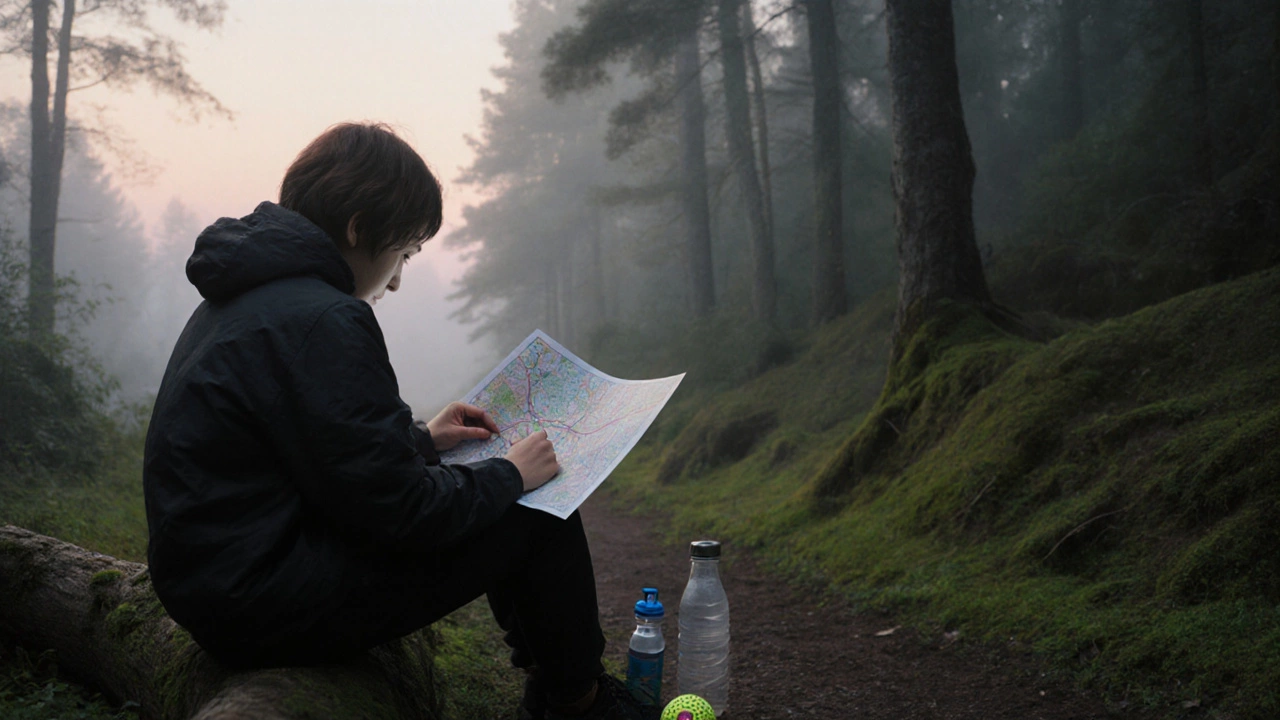
Also pack a small emergency kit: a stress ball, a bottle of water, a flashlight, and a printed map. When anxiety spikes, the world feels unpredictable. Having something physical you can hold-like a map you can trace with your finger-can ground someone faster than words.
Communicate with kindness, not control
The way you talk matters more than the destination.Instead of: "You’re being dramatic. It’s just a restaurant."
Say: "I get that this feels too much right now. We can leave anytime. Or we can sit outside if you’d rather."
Don’t try to fix their feelings. Don’t say, "You’ll feel better once we get there." That invalidates their experience. Instead, say: "I’m here. You’re safe. We go at your pace."
And if they shut down? Don’t push. Don’t take it personally. Just sit quietly with them. Sometimes, silence is the most supportive thing you can offer.
Plan for the return
Many people forget that coming home can be harder than leaving.After a weekend away, the return to routine-emails, chores, responsibilities-can feel crushing. That’s when someone might spiral.
Plan a soft landing:
- Don’t schedule anything important the day after you get back
- Leave space for rest
- Offer to help with a small task (laundry, grocery run)
- Check in the next day: "How are you feeling now that you’re back?"
One woman told me her sister would always feel worse after trips until they started doing "decompression Sundays"-no chores, no calls, just tea and a podcast. That small ritual made all the difference.
It’s not about the destination. It’s about the feeling.
Traveling with someone who has a mental illness isn’t about checking off sights. It’s about proving, in small, quiet ways, that they’re not a burden. That they’re loved even when they’re tired. Even when they’re quiet. Even when they don’t smile.You don’t need to be a therapist. You don’t need to have all the answers. You just need to show up-with patience, with flexibility, and without expectations.
Some of the most meaningful trips I’ve heard about didn’t involve flights or fancy hotels. They were drives to a nearby park. A night in a motel with a hot tub. A weekend spent reading side by side on a couch.
Those are the trips that last.
What if things go wrong?
Things might not go as planned. That’s okay.If they have a panic attack in a store, leave. If they cry in the car, pull over. If they refuse to leave the room, don’t force it. Your job isn’t to fix it in the moment. It’s to keep them safe and supported.
Keep a list of local crisis lines or mental health resources handy. In Canada, you can call or text 988 for free, 24/7 crisis support. Save it in your phone. Tell them you have it, and that you’ll use it if they ask.
And if you feel overwhelmed? That’s okay too. You’re not expected to be perfect. You’re expected to be human.