Adventure Travel: Your Quick‑Start Guide to Thrilling Getaways
Feeling the itch to break free from the routine? Adventure travel is the perfect antidote. Whether you crave a gentle trek through rolling hills or a heart‑pumping trek up a volcano, the right plan makes all the difference. Below you’ll find the basics you need to turn a daydream into a booked trip.
Pick Your Adventure Style
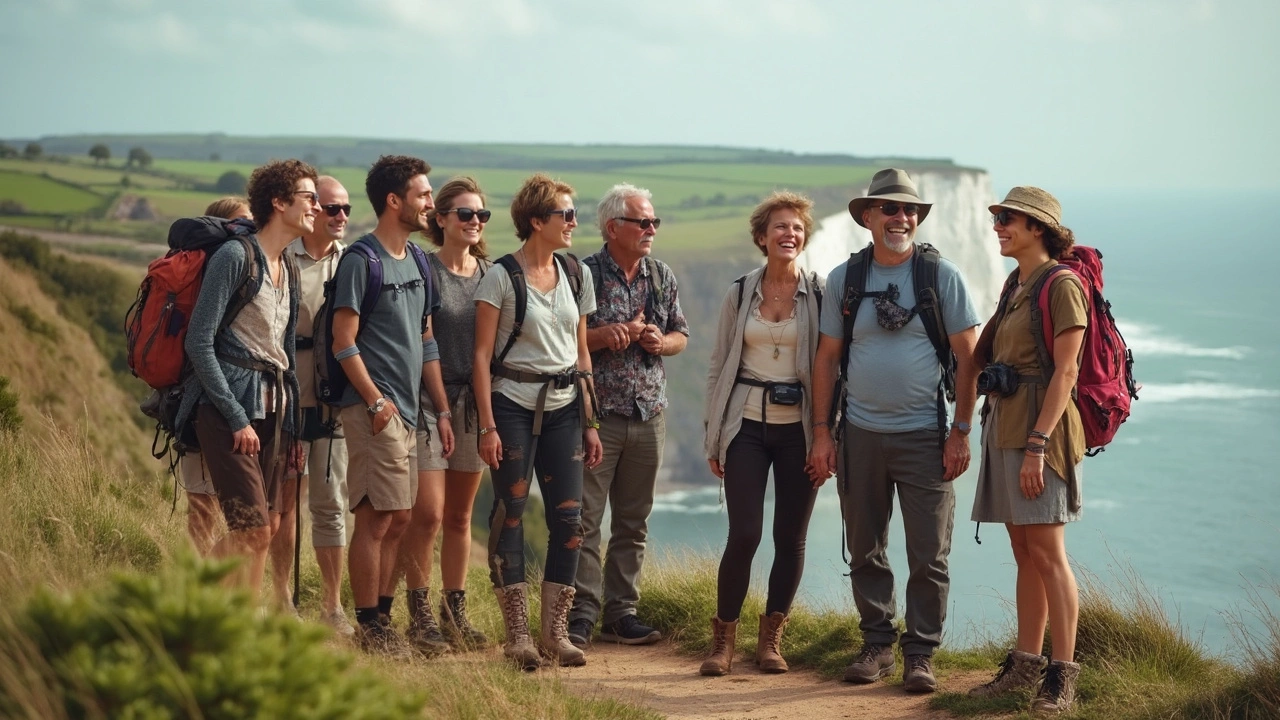
First, decide if you’re after a soft adventure (think kayaking, wildlife safaris, or a weekend hike) or a hard adventure (like ice‑climbing, multi‑day mountain treks, or deep‑sea diving). Soft adventures suit beginners and families, while hard adventures demand fitness, gear, and a bit more planning. Check the article “Adventure Travel Types: The Two Main Paths” for a deeper dive on what fits your comfort level.
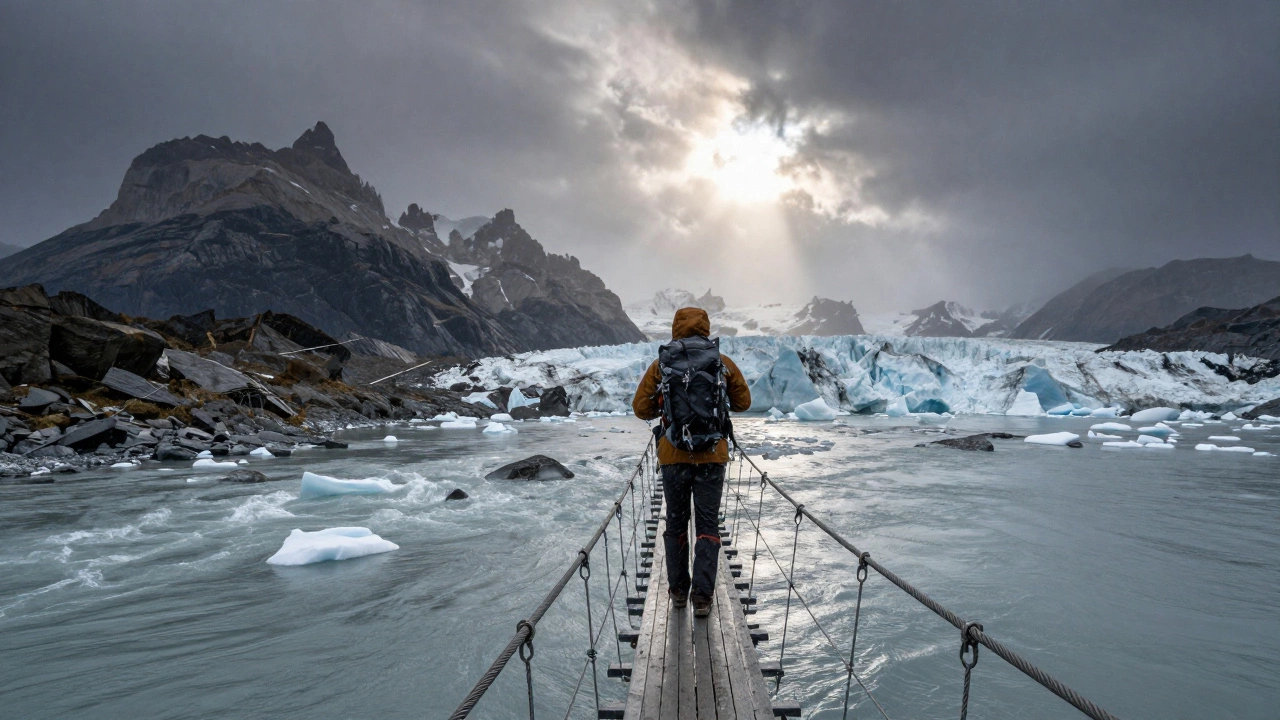
Once you know your style, match it with a destination. For soft thrills, the coastal cliffs of Portugal or the lavender fields of Provence offer easy hikes and bike rides. For hard thrills, consider Patagonia’s Torres del Paine or Nepal’s Annapurna Circuit. Each location has a peak season that can affect both price and crowd levels.
When to Go: Timing Matters
Timing can turn a great trip into an epic one. The piece “Best Time for Adventure: When to Plan Your Adventure Holiday” breaks down how seasons, weather, and crowds influence the experience. Generally, shoulder seasons (late spring or early autumn) give you good weather, fewer tourists, and lower prices. If you’re chasing winter sports, head to the Alps in December‑February; for tropical diving, June‑September offers calm seas and vibrant marine life.
Don’t forget to check local festivals or events. A cultural festival can add flavor to an adventure, but it might also mean higher accommodation costs. Balance your activity priorities with any extra experiences you want to soak up.
Now that you know what kind of adventure you want and when to go, it’s time to sort the logistics.
Gear up wisely. For soft adventures, a sturdy pair of hiking boots and a waterproof jacket are often enough. Hard adventures may need specialized gear—think crampons for ice climbs or a certified wetsuit for cold‑water dives. Renting gear locally can save you hassle and money, especially for bulky items.
Budget smart. Guided tours aren’t always pricier; sometimes they save you cash by bundling transport, accommodation, and entry fees. Our article “Are Guided Tours Cheaper? Real Costs and Smart Strategies” explains how to compare costs and avoid hidden fees. If you’re confident navigating on your own, solo travel can stretch the budget further.
Safety first. Research the local health advice, travel insurance needs, and any required permits. For high‑risk activities, look for tours with certified guides—especially if you’re a first‑timer. The guide‑type breakdown in “Five Types of Tour Guide: Which One Do You Need?” helps you pick a professional who matches your adventure level.
Finally, keep an eye on travel trends. 2025’s top adventure holidays list includes places like the Himalayas, the Great Barrier Reef, and remote African safaris. These destinations are currently hot, so booking early can lock in lower rates.
Ready to book? Start by jotting down your preferred adventure type, ideal season, and budget range. Then browse our article library for deeper tips on each topic. With the right prep, your next adventure travel story will be one you’ll tell for years to come.