All-Inclusive Alcohol Tolerance Calculator
Calculate how environmental factors at your resort might affect your alcohol tolerance compared to drinking at home.
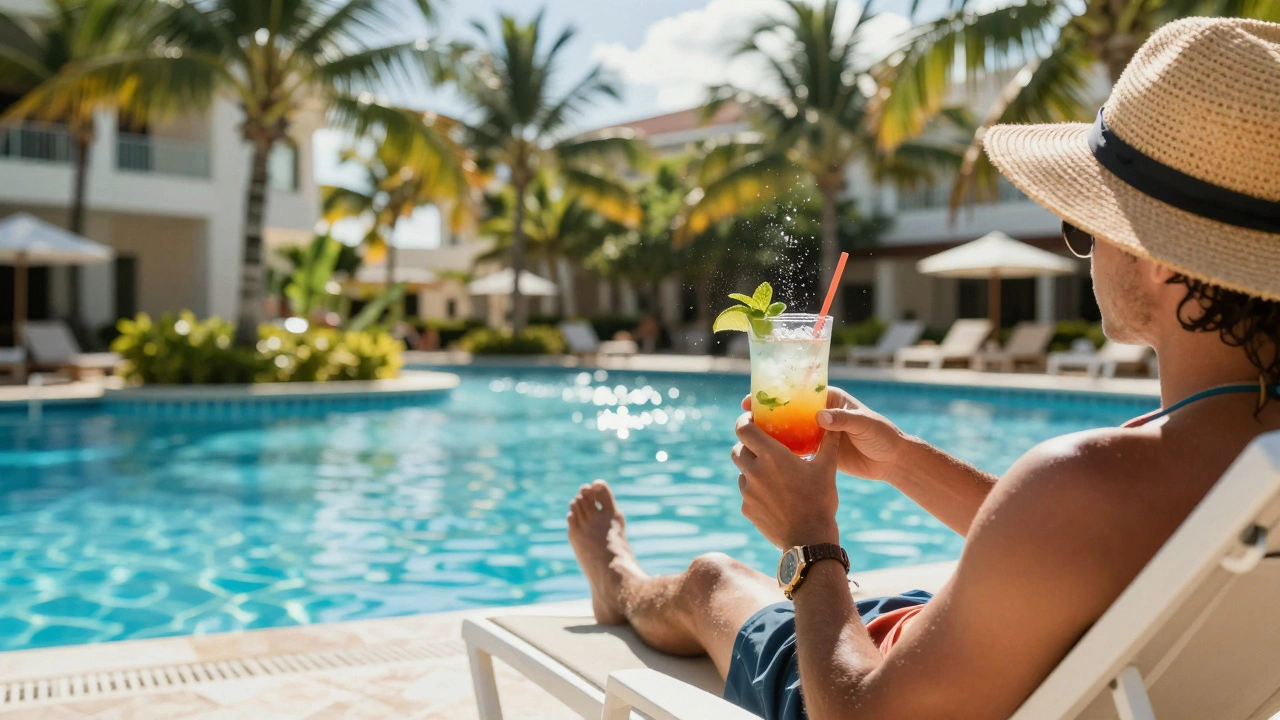
Picture this: you’re sitting by a pool in Cancun or Phuket. It’s 35°C (95°F), the sun is blazing, and there’s an endless supply of cocktails within arm's reach. You take a sip of your third mojito, expecting that familiar buzz. Instead, you feel... nothing. Or worse, you feel dehydrated and tired. This isn’t just bad luck; it’s biology meeting environment. Many travelers report that their alcohol tolerance seems to skyrocket-or vanish entirely-when they step into the all-inclusive bubble.
If you’ve ever wondered why your body reacts differently to alcohol on vacation than it does at home, you aren’t alone. The phenomenon is real, and it stems from a perfect storm of physiological factors. Understanding these factors doesn’t just explain your experience; it helps you stay safer and enjoy your holiday more effectively. Let’s break down the science behind why you might not get drunk at an all-inclusive resort is a type of vacation package where accommodation, meals, drinks, and activities are included in one upfront price.
The Heat Factor: Why Tropical Weather Changes Your Alcohol Tolerance
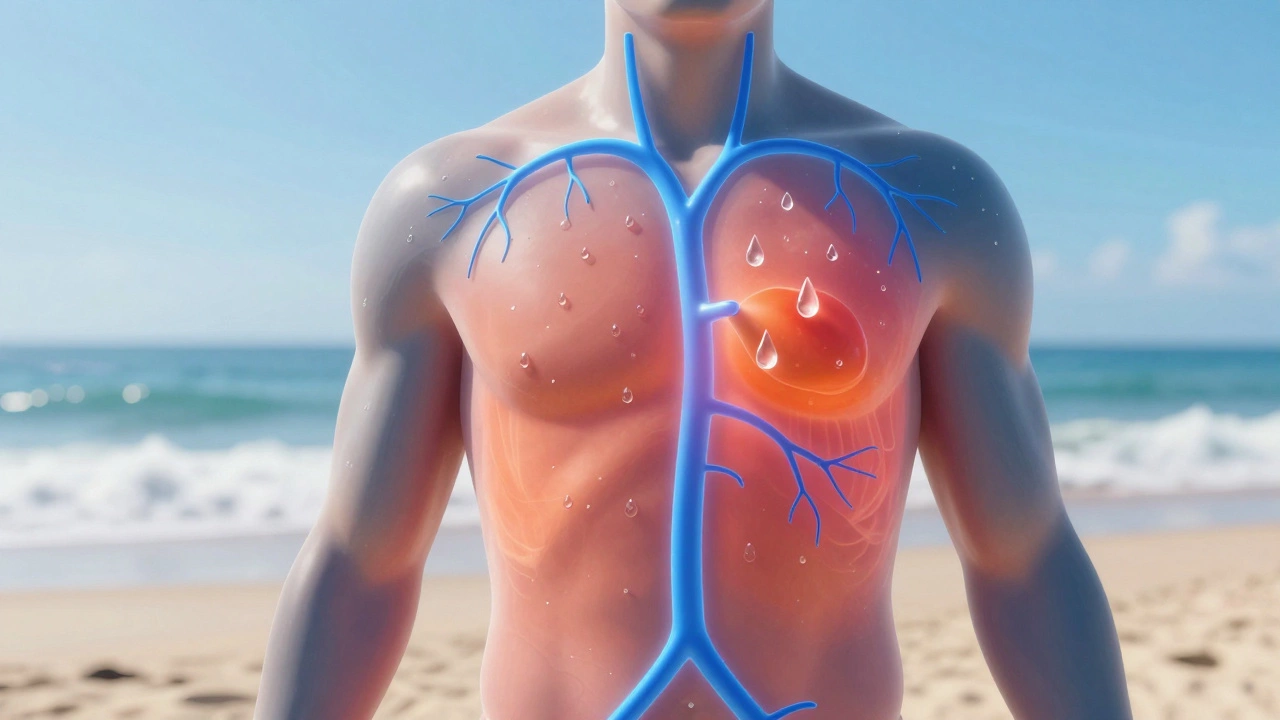
The first major culprit is the environment itself. Most all-inclusive destinations are located in tropical or subtropical regions. When you drink alcohol in hot weather, your body undergoes significant stress. Alcohol is a vasodilator, meaning it widens your blood vessels. This process helps your body release heat, which is why you often feel warm after a few drinks. However, in a high-heat environment, this mechanism works against you.
Your body is already working hard to cool itself through sweating. When you add alcohol to the mix, your blood pressure can drop more rapidly than usual. Instead of feeling intoxicated, you might feel lightheaded, dizzy, or simply exhausted. Your brain prioritizes maintaining blood flow to vital organs over processing the psychoactive effects of ethanol. Essentially, your body is too busy fighting the heat to let the alcohol take its full effect. This is why many people find they can consume more drinks without feeling "drunk," but they end up feeling physically drained much faster.
Dehydration Masks Intoxication
Alcohol is a diuretic. It suppresses the release of antidiuretic hormone (ADH), which tells your kidneys to conserve water. As a result, you lose more fluid through urine than you consume. In a dry climate or under intense sun, this fluid loss accelerates dramatically. Dehydration changes how your brain processes neurotransmitters, including those affected by alcohol.
When you are mildly dehydrated, your cognitive functions slow down, but not in the way intoxication does. You might feel foggy or sluggish, which can be mistaken for sobriety because you lack the euphoric or disinhibited feelings associated with being drunk. However, this state is dangerous. You may underestimate your level of impairment while your reaction times are still compromised. Always alternate alcoholic beverages with water. A good rule of thumb is one glass of water for every alcoholic drink. This simple habit keeps your hydration levels stable and ensures your body processes alcohol more predictably.
Dietary Differences and Blood Sugar Spikes
Consider what you ate before that cocktail. At home, you might have had a balanced dinner with protein and fiber. At an all-inclusive resort, buffet culture often leads to different eating patterns. Many guests graze throughout the day, consuming high-sugar fruits, pastries, and refined carbohydrates. These foods cause rapid spikes and crashes in blood sugar levels.
When your blood sugar is unstable, your body’s response to alcohol changes. High blood sugar can sometimes mask the sedative effects of alcohol, making you feel alert when you should be slowing down. Conversely, a sudden crash in blood sugar combined with alcohol can lead to nausea or fatigue rather than intoxication. Additionally, some resort meals are higher in sodium, which increases thirst and further contributes to dehydration. Being mindful of your food choices-opting for lean proteins and vegetables alongside your drinks-can help stabilize your energy levels and provide a clearer picture of your actual tolerance.
The Placebo Effect and Expectation Management
Psychology plays a surprisingly large role in how we experience alcohol. When you go on vacation, especially to an all-inclusive destination, the primary goal is relaxation and fun. You are in a safe, controlled environment with no work deadlines or household chores looming. This mental shift alters your perception of intoxication.
You might not "feel" drunk because you are genuinely relaxed. Stress hormones like cortisol can amplify the negative effects of alcohol, such as anxiety or aggression. Without that stress, the same amount of alcohol feels smoother and less impactful. However, this can lead to a dangerous misconception: believing you can handle more than you actually can. Just because you feel fine doesn’t mean your motor skills or judgment are intact. Always drive responsibly or use resort transport, regardless of how sober you feel.
Comparison: Drinking at Home vs. On Vacation
| Factor | At Home (Temperate Climate) | At Resort (Tropical Climate) |
|---|---|---|
| Body Temperature | Stable, regulated by indoor AC/heating | Elevated due to external heat, increasing metabolic rate |
| Hydration Status | Typically maintained through regular water intake | Rapidly depleted due to sweat and alcohol diuresis |
| Blood Pressure | Normal fluctuations | More prone to drops due to vasodilation in heat |
| Mental State | Often stressed or distracted by daily tasks | Relaxed, lower cortisol levels |
| Perceived Intoxication | Predictable based on past experience | Unpredictable; often masked by fatigue or heat exhaustion |
Safety Tips for Responsible Drinking on Holiday
To ensure your trip remains enjoyable and safe, consider these practical steps:
- Start Slow: Do not assume your tolerance is higher. Take the first two hours to gauge how your body reacts to the new environment.
- Hydrate Aggressively: Keep a bottle of water with you at all times. If you see your urine is dark yellow, stop drinking alcohol immediately.
- Avoid Peak Sun Hours: Limit alcohol consumption between 11 AM and 3 PM when UV radiation and heat are strongest.
- Eat Before You Drink: Never consume alcohol on an empty stomach. A meal with healthy fats and proteins slows alcohol absorption.
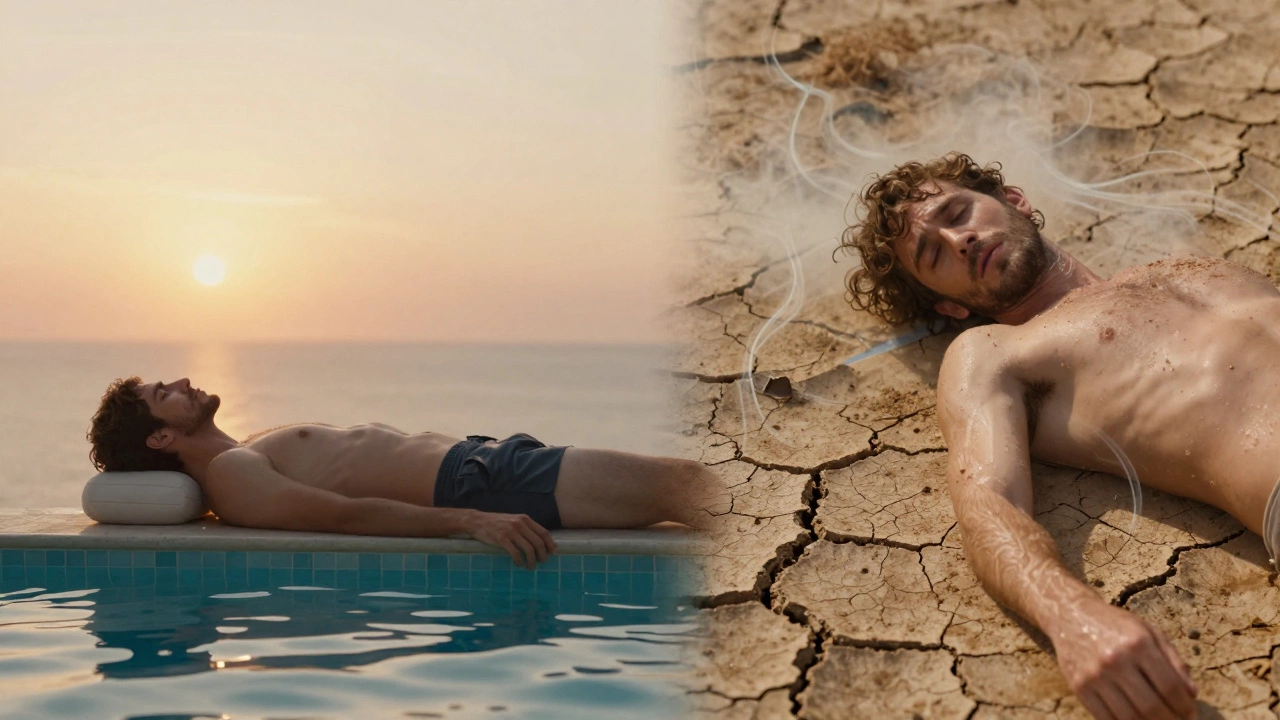
- Know the Signs of Heat Stroke: Confusion, rapid pulse, and hot skin are signs of heat stroke, not just drunkenness. Seek medical help if you experience these symptoms.
Understanding Local Alcohol Strength
Another factor often overlooked is the potency of local beverages. In many Caribbean and Southeast Asian resorts, local spirits and beers may have different alcohol-by-volume (ABV) percentages compared to what you drink at home. For example, some tropical rum punches contain higher concentrations of rum than standard mixed drinks. Similarly, craft beers in certain regions may be stronger than mass-market brands. Always check the label or ask the bartender about the strength of your drink. Assuming a drink is weak because it tastes sweet can lead to unexpected intoxication later in the evening.
Conclusion: Listen to Your Body
The reason you don’t get drunk at all-inclusive resorts is rarely about having a "superpower" tolerance. It is usually a combination of heat stress, dehydration, dietary changes, and psychological relaxation masking the true effects of alcohol. Recognizing these factors allows you to make better choices. Enjoy the freedom of the all-inclusive model, but do so with awareness. Your body is sending signals; pay attention to them. By staying hydrated, eating well, and respecting the environment, you’ll avoid unpleasant surprises and ensure your vacation is truly memorable for the right reasons.
Does altitude affect how drunk you get on vacation?
Yes, significantly. If your all-inclusive resort is in a high-altitude location like parts of Mexico or South America, the thinner air reduces oxygen levels in your blood. This can intensify the effects of alcohol, making you feel drunker faster and increasing the risk of severe hangovers. Always reduce your alcohol intake when traveling to high-altitude destinations.
Why do I feel sick after drinking at the beach?
This is likely due to a combination of dehydration and sun exposure. Alcohol irritates the stomach lining, and when combined with low fluid levels and heat, it can trigger nausea. Additionally, saltwater swimming followed by drinking alcohol can disrupt your electrolyte balance, leading to discomfort.
Can medications interact with alcohol on vacation?
Absolutely. Many common medications, including antihistamines for allergies, painkillers, and antibiotics, can have dangerous interactions with alcohol. These interactions may not only increase intoxication but also cause adverse side effects like dizziness or liver stress. Always consult your doctor before mixing prescription drugs with alcohol during travel.
Is it safe to swim after drinking at an all-inclusive resort?
No. Alcohol impairs judgment, balance, and coordination, even if you don't feel "drunk." The risk of drowning increases significantly when alcohol is involved, especially in open ocean waters with currents. Stick to shallow areas if you've had a drink, and never swim alone under the influence.
How long does it take for alcohol to leave your system in hot weather?
Heat does not speed up the metabolism of alcohol. Your liver processes alcohol at a relatively constant rate of about one standard drink per hour, regardless of temperature. However, dehydration can worsen hangover symptoms, making you feel unwell longer after the alcohol has cleared your system.