Twelve Days of Christmas Timeline & Travel Planner
Day-by-Day Breakdown
💡 Pro Travel Tip
Book your trip for January 3rd or 4th to find significant discounts while still being within the festive window.
🎁 Gift-Giving Schedule
In North America, gifts are typically exchanged on December 25th. Other regions may have different primary gift-giving days.
It’s not just a catchy song. When you hear the lyrics about partridges and pear trees, it’s easy to assume the whole thing is nonsense. But the "Twelve Days of Christmas" actually marks a specific, historical period in the Christian calendar. If you’re planning your holiday schedule or trying to figure out when the festive season truly ends, understanding these twelve days changes everything.
The confusion usually starts with the date. We celebrate Christmas on December 25th, right? So why does the party last until early January? The answer lies in ancient tradition, religious observance, and a bit of royal decree. Let’s break down exactly what those twelve days are, where they came from, and how this timeline affects modern holiday travel and celebrations.
The Exact Dates: When Do the Twelve Days Start and End?
First things first: the clock starts ticking on Christmas Day itself. That means December 25th is Day One. From there, you count forward for twelve consecutive days. This brings us to January 5th as the final day of the countdown.
January 6th is known as Epiphany, also called Three Kings' Day or Theophany. It is the Christian feast day that celebrates the revelation of God the Son as a human being in Jesus Christ.
In many Western countries, including parts of Canada and the UK, the festivities officially conclude at midnight on January 5th, leading into Epiphany. In other traditions, particularly those influenced by Spanish and Latin American culture, January 6th is the big celebration day itself. This distinction matters if you’re booking hotels or looking for holiday deals. Prices often drop significantly after New Year’s Day because many people think the season is over, but for traditionalists, the magic isn’t done yet.
The Historical Roots: Why Did This Tradition Start?
This custom didn’t pop up overnight. It has deep roots in early Christianity. For centuries, Christians observed a twelve-day festival between Christmas and Epiphany. During this time, the focus shifted from the birth of Jesus (December 25) to his public ministry, symbolized by the visit of the Magi, or Wise Men, who followed the star to Bethlehem.
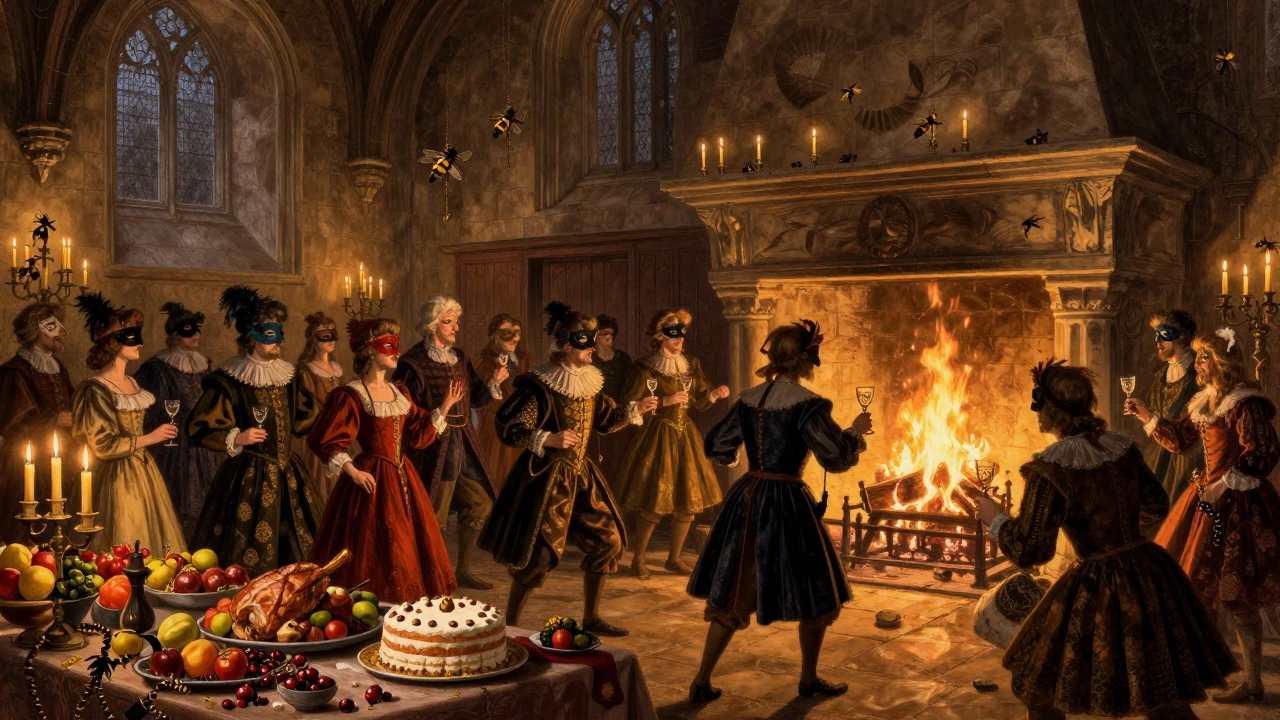
In medieval England, the Twelve Days were a major social event. It was a time of feasting, drinking, and gift-giving. In fact, before the Victorian era standardized Christmas on December 25th, many people considered Twelfth Night (the evening of January 5th) to be the most important celebration of the year. You’d have masquerade balls, plays, and elaborate banquets. It was essentially the original winter wonderland party.
The tradition was so ingrained in British law that King James I even passed an act in 1605 requiring households to celebrate Twelfth Night. Yes, you read that right. It was mandatory fun. This legal backing helped cement the twelve-day structure in European culture, which eventually spread to North America through colonization.
Twelfth Night: The Climax of the Season
If you’ve ever heard of "burning the Yule log" or eating a special cake with a hidden bean inside, you’re hearing echoes of Twelfth Night traditions. This night, the eve of Epiphany, was seen as a liminal space-a time between worlds where anything could happen. Ghosts, spirits, and mischief-makers were believed to roam free.
William Shakespeare famously wrote Twelfth Night, a comedy set during this chaotic, joyous period. The play captures the essence of the era: role reversal, disguise, and revelry. Today, some communities still hold Twelfth Night festivals. In Toronto, for example, you might find smaller cultural groups or churches hosting events on January 5th or 6th, offering a quieter, more reflective alternative to the commercial rush of late December.
For travelers, this is a pro tip: if you want to experience authentic local culture without the December crowds, aim for early January. Many cities keep their lights up until Twelfth Night. In places like Barcelona or Mexico City, the celebrations on January 6th are massive, involving parades and the exchange of gifts. It’s a different vibe than Christmas, but equally vibrant.
The Song vs. Reality: What Does the Carol Mean?
Now, let’s talk about the song. "The Twelve Days of Christmas" was first published in 1780 in England as a memory-and-repeat game for children. It wasn’t originally meant to be sung with the melody we know today; that version appeared later in the 19th century. Some historians believe it served as a secret catechism for Catholics during times of persecution, with each gift symbolizing a tenet of the faith. Others argue it was simply a playful way to test kids’ memories while keeping them entertained during the long winter nights.
Regardless of its origin, the song has become a cultural touchstone. But here’s the kicker: if you actually bought all the gifts listed in the song, it would cost you a fortune. Financial analysts often calculate the total cost every year, and it usually runs into tens of thousands of dollars. That’s one reason why most of us stick to buying presents on December 24th instead!
How This Affects Your Holiday Plans
Understanding the twelve-day timeline can save you money and stress. Here’s how:
- Travel Deals: Airline and hotel prices typically spike around Christmas and New Year’s Eve. However, once January 1st hits, rates begin to fall. By January 3rd or 4th, you can often find significant discounts for weekend getaways. Since the traditional season doesn’t end until January 5th or 6th, traveling then means you’re still within the festive window but avoiding peak pricing.
- Return Policies: Many retailers extend their return periods until mid-January, aligning with the end of the holiday shopping season. Knowing that the "official" season ends on Twelfth Night helps you plan when to shop for gifts or return unwanted items.
- Cultural Events: Look for events labeled "Twelfth Night" or "Epiphany." These are often less crowded and offer unique experiences, such as traditional meals, music, or religious services. In Toronto, neighborhoods like Little Italy or Chinatown may host special New Year celebrations that overlap with this period, blending cultures in interesting ways.
Global Variations: How Other Countries Celebrate
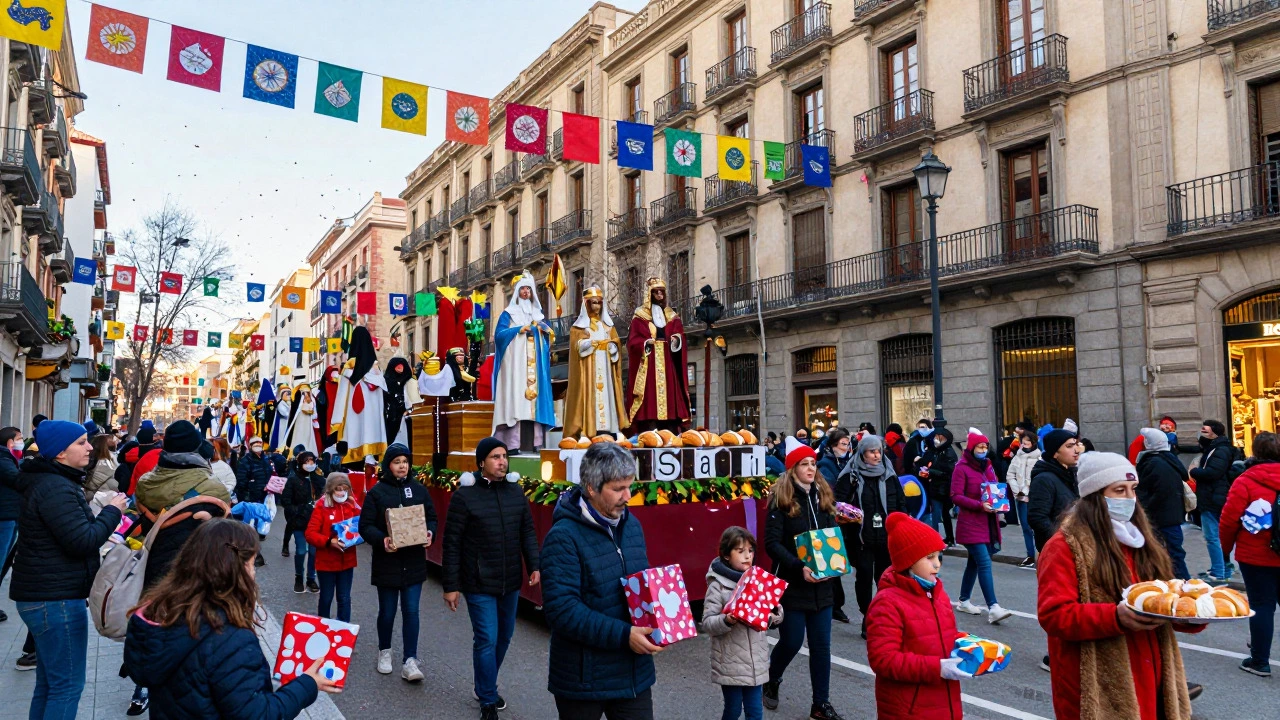
While the English-speaking world focuses heavily on December 25th, many other cultures place greater emphasis on the end of the twelve days. In Spain and much of Latin America, Día de los Reyes Magos (Three Kings' Day) on January 6th is the primary gift-giving occasion. Children leave shoes out for the camels of the Three Kings, hoping to find toys inside.
In Orthodox Christian countries, such as Russia and Greece, Christmas is celebrated on January 7th due to the use of the Julian calendar. For them, the twelve-day period looks very different, extending well into January. This creates a fascinating overlap where Westerners are packing away decorations while Eastern Europeans are just starting their main festivities.
Even within Canada, regional differences exist. In Quebec, Jean-Taillefer (a variant of St. Stephen) visits children on January 1st, continuing the gift-giving tradition beyond Christmas morning. Understanding these nuances enriches your travel experience and helps you connect with locals on a deeper level.
| Region | Main Gift-Giving Day | End of Festivities | Key Tradition |
|---|---|---|---|
| North America (General) | December 25 | January 1 (New Year's) | Santa Claus delivers gifts |
| UK & Ireland | December 25 | January 5/6 (Twelfth Night) | Feasting and parties until Twelfth Night |
| Spain & Latin America | January 6 (Three Kings) | January 6 | Parades and Rosca de Reyes cake |
| Orthodox Europe | January 7 | January 19 (Meeting of Lord) | Blessing of waters on Epiphany |
Taking Down Decorations: When Is Too Late?
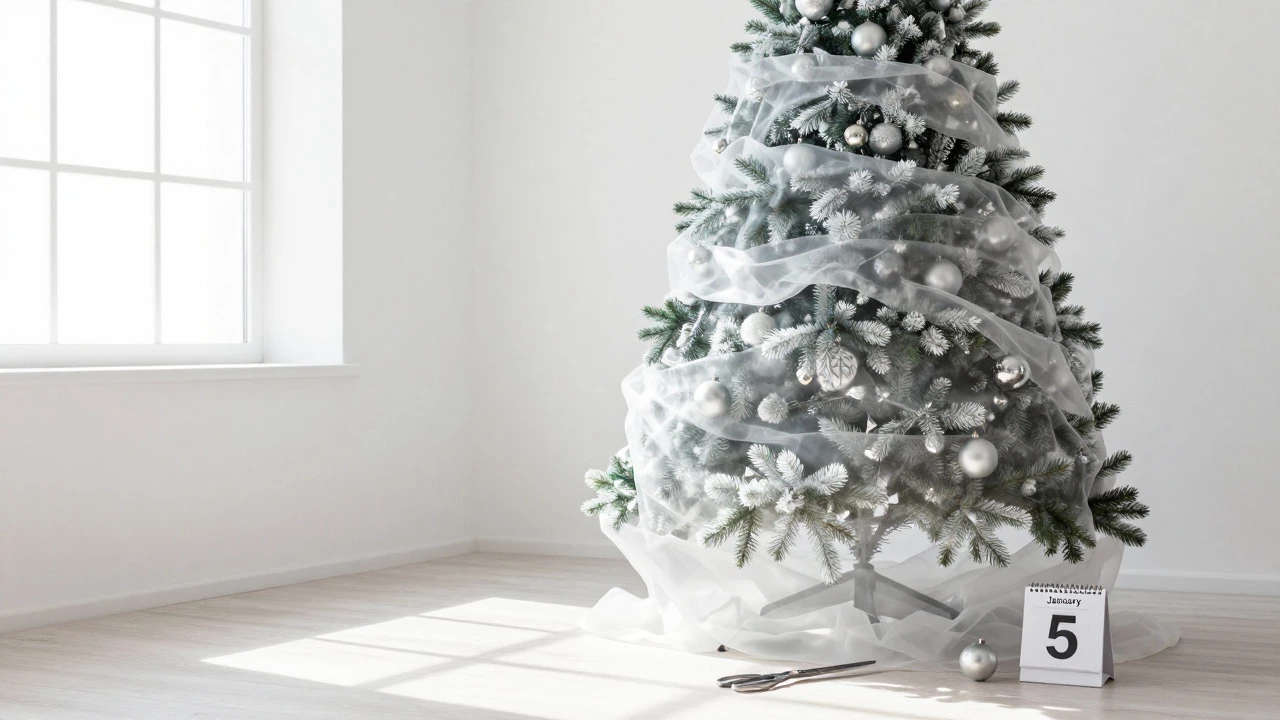
You’ve probably heard the old wives’ tale that leaving your Christmas tree up past Twelfth Night brings bad luck. Superstition aside, there’s practical wisdom here. Historically, taking down decorations immediately after Epiphany signaled the end of the winter solstice cycle and the beginning of the new agricultural year. It was a clean break.
Today, it’s mostly about convenience. But if you’re aiming for authenticity, January 5th or 6th is the symbolic cutoff. In Toronto, where winters are long and dark, many people keep their lights up longer for morale. There’s no harm in that, but knowing the traditional endpoint adds a layer of meaning to the ritual. It transforms taking down the tree from a chore into a ceremonial closing of the chapter.
So, next time someone asks why there are twelve days of Christmas, you can explain it’s not just a song. It’s a bridge between the birth of Christ and his revelation to the world, a time of historic feasting, and a practical guide for navigating the holiday season. Whether you’re booking a last-minute trip or planning your family gatherings, keeping these twelve days in mind can enhance your experience and help you make smarter decisions.
When do the 12 days of Christmas start and end?
The 12 days of Christmas begin on December 25th (Christmas Day) and end on January 5th. January 6th is Epiphany, which marks the conclusion of the festive season in many traditions.
Is it bad luck to leave Christmas decorations up after the 12 days?
Traditionally, yes. Folklore suggests that leaving decorations up past Twelfth Night (January 5th) invites misfortune or keeps the spirits of the season trapped. However, this is largely superstition, and many people keep them up longer for personal enjoyment.
What is the significance of Epiphany?
Epiphany, celebrated on January 6th, commemorates the visit of the Magi (Wise Men) to the baby Jesus. It signifies the revelation of Christ to the Gentiles and marks the end of the Christmas liturgical season.
Why are there 12 days of Christmas in the Bible?
The Bible doesn't explicitly state "12 days," but the period bridges the gap between Jesus' birth (Matthew 2) and the visit of the Magi. Early Christians established this 12-day festival to honor both events, creating a continuous celebration from Christmas to Epiphany.
Do people still celebrate Twelfth Night?
Yes, though it varies by region. In the UK and parts of Canada, Twelfth Night is marked by parties and feasts. In Spanish-speaking countries, January 6th is a major public holiday with parades and gift-giving, often overshadowing Christmas Day.
Can I book holiday travel for January 6th?
Absolutely. Since many travelers consider the season over after New Year's Day, flights and accommodations on January 5th and 6th are often cheaper. This is a great opportunity for budget-conscious travelers to enjoy festive atmospheres in cities that celebrate Epiphany.