2026 Budget Vacation Calculator
Estimated Trip Breakdown
Total Estimated Cost:
- Accommodation (Private Room):
- Local Meals & Food:
- Transportation & Activities:
*Estimates based on 2026 budget travel data. Prices vary by personal spending habits.
You don't need a trust fund to explore the world. In fact, some of the most vibrant, historic, and delicious cities on the planet are currently offering incredible value for travelers who know where to look. With global inflation settling into a new normal and exchange rates shifting throughout 2026, the definition of "cheap" has evolved. It’s no longer just about finding a $50 hotel; it’s about maximizing your purchasing power so that every dollar stretches further than it would back home.
If you are planning a trip this year or next, you might be wondering which destinations offer the best bang for your buck without sacrificing safety, culture, or fun. The answer isn't one-size-fits-all, but there are clear winners across different regions. Whether you want street food in Southeast Asia, history in Eastern Europe, or nightlife in Latin America, here is a breakdown of where you can find the cheapest vacations right now.
Why Location Determines Your Daily Spend
Before picking a destination, you need to understand the Cost of Living Index, which measures how expensive everyday goods and services are in a specific location compared to a baseline. This metric is crucial because a cheap flight doesn't matter if dinner costs half your daily budget. For city breaks, we focus on urban centers with high walkability, as transportation costs can quickly eat up savings.
In 2026, several economic factors are making certain countries more attractive for budget travelers. Stronger currencies like the US Dollar, Canadian Dollar, and British Pound go significantly further in emerging economies. Meanwhile, established tourist hubs in Europe have seen price stabilization after the post-pandemic surge, making them viable again for tight budgets if you avoid peak summer months.
Southeast Asia: The Undisputed Kings of Value
If your definition of cheap involves eating five times a day, staying in comfortable hostels, and having money left over for activities, Southeast Asia remains the global leader. Specifically, Vietnam, known for its rich history, stunning landscapes, and incredibly affordable lifestyle, offers an unbeatable ratio of experience to cost.
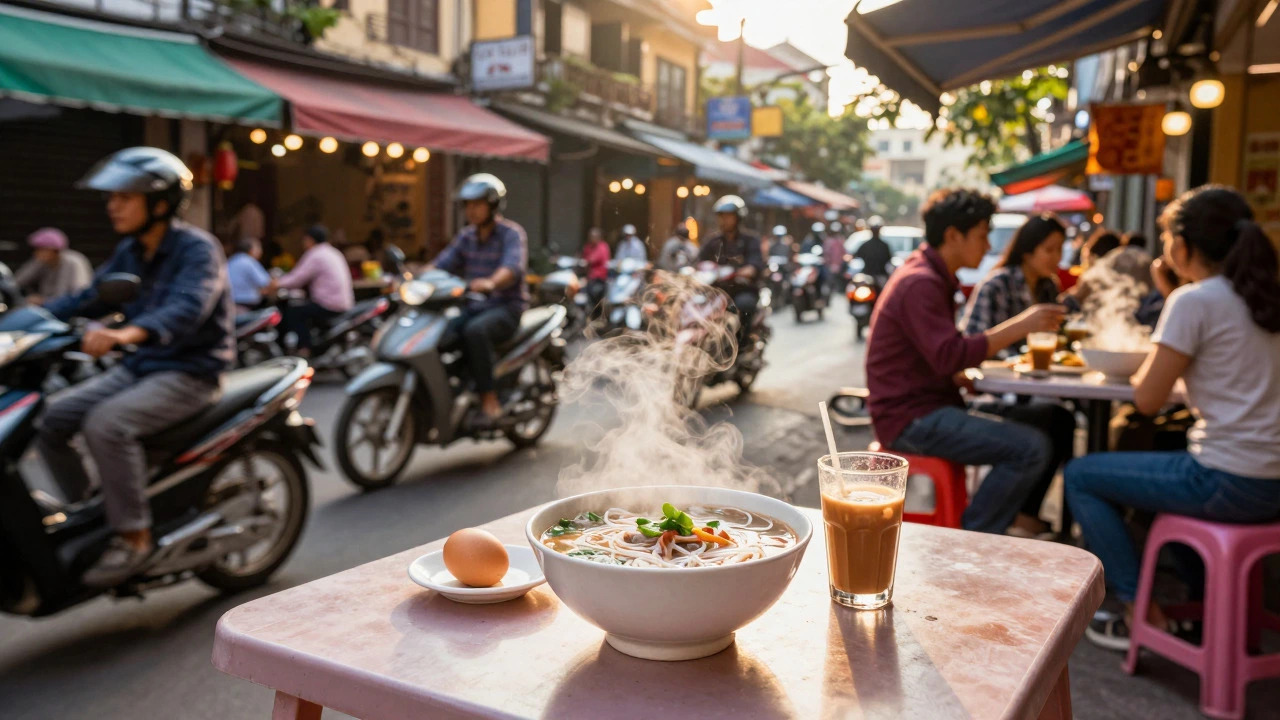
In Hanoi or Ho Chi Minh City, you can live like royalty on a shoestring budget. A bowl of pho, the country's iconic noodle soup, costs between $1.50 and $3.00 at local eateries. Street coffee, often served in egg-based sweet varieties, runs about $0.50. Accommodation ranges from dorm beds starting at $5 to private rooms in boutique hotels for under $20. Public transport is negligible in cost; motorbike taxis (xe om) charge less than a dollar for short trips within the city center.
Thailand is another strong contender, though slightly more developed in terms of tourism infrastructure. Chiang Mai, located in the north, is cheaper than Bangkok. Here, massage spas offer hour-long sessions for around $8-$10, and night markets provide endless options for clothing and souvenirs at rock-bottom prices. However, Vietnam currently edges out Thailand due to slightly lower accommodation costs and a less saturated tourist trail in secondary cities like Da Nang.
Eastern Europe: History Without the High Price Tag
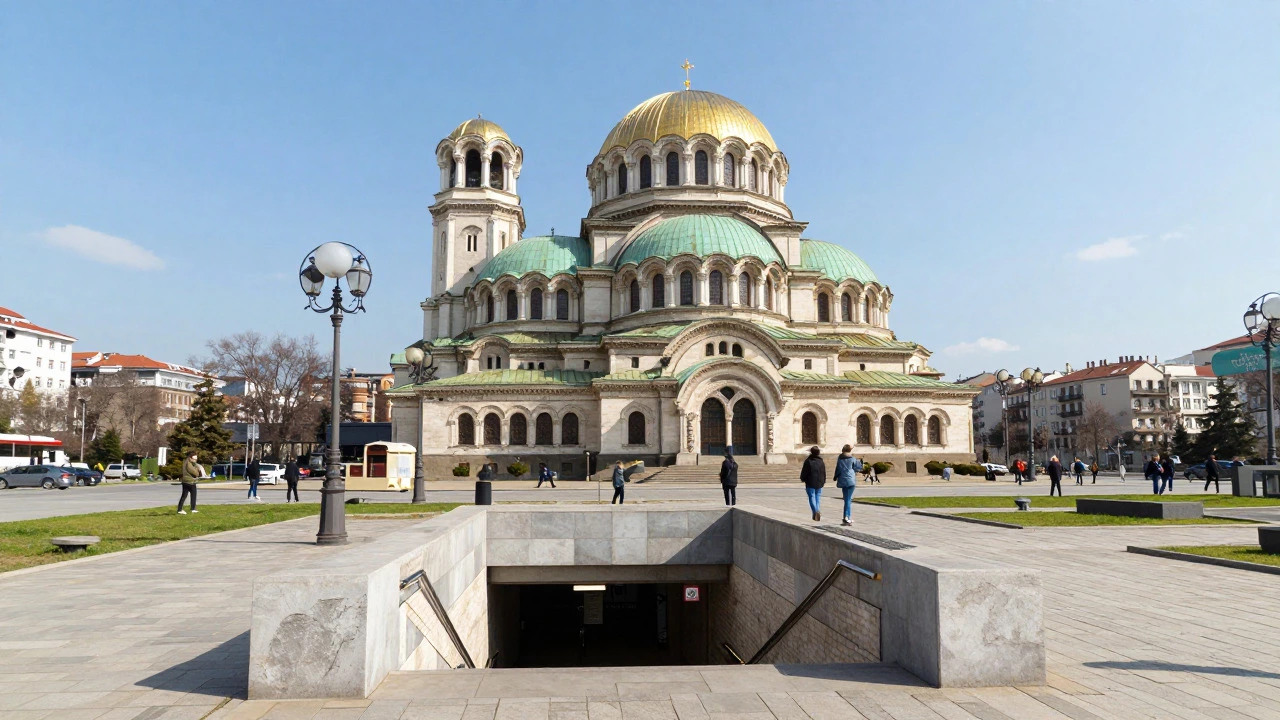
For travelers based in North America or Western Europe who want to minimize flight times while keeping ground costs low, Eastern Europe is the smart play. Bulgaria, particularly Sofia, the capital city with ancient ruins and modern amenities, consistently ranks as one of the most affordable capitals in the European Union.
Sofia offers a unique blend of Roman ruins, Ottoman-era mosques, and communist-era architecture. You can take the metro for less than $0.40 per ride. A hearty meal of banitsa (cheese pastry) and ayran (yogurt drink) for breakfast costs under $2. Dinner at a mid-range restaurant, including wine, rarely exceeds $15. Hotels that would cost $150 in Paris or London can be found for $40-$60 in Sofia, often with higher star ratings and better facilities.
Poland, specifically Warsaw and Krakow, known for their resilient history and vibrant cultural scenes, is also worth considering. While Krakow has become pricier due to mass tourism, Warsaw remains surprisingly affordable. The Złoty (PLN) provides good value for foreign currency holders. Public transport is efficient and cheap, and the beer culture is robust, with pints costing around $2-$3 in pubs. If you enjoy history, the museums are well-funded by the state, keeping entry fees low compared to Western counterparts.
Latin America: Adventure on a Budget
For those willing to fly further, Latin America offers immense value, especially when you consider the length of stay you can afford. Colombia, with its diverse geography ranging from Andes mountains to Caribbean coasts, has become a top pick for digital nomads and budget travelers alike.
Bogotá, the capital, sits at a high altitude and offers a cool climate perfect for walking tours. The metro system is expanding, but even traditional buses and TransMilenio are inexpensive. Meals at local "menú del día" spots cost between $3 and $5. Aguas de Colombia, small bottled juices sold everywhere, are a refreshing $0.50. Medellín, nearby, is similarly priced but warmer. Both cities boast safe, walkable neighborhoods like La Candelaria in Bogotá and El Poblado in Medellín (though El Poblado is pricier, stick to Laureles for budget stays).
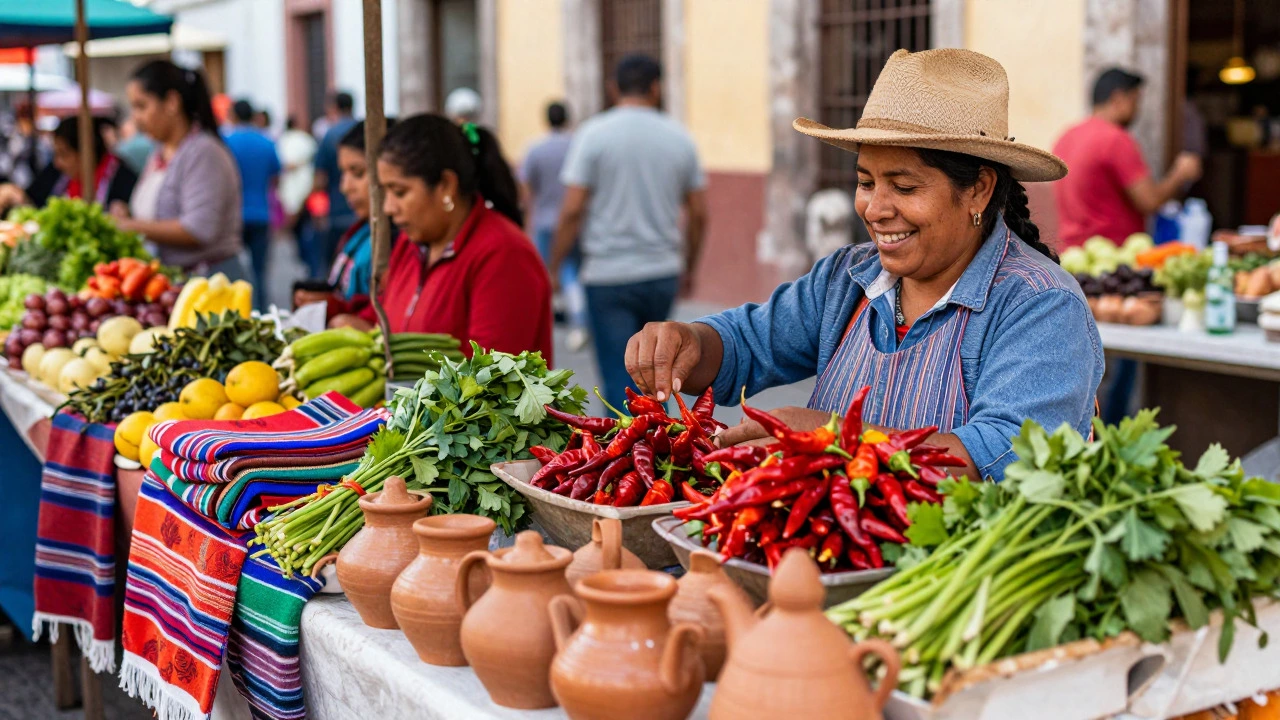
Mexico is another heavyweight. While Cancun is expensive, inland cities like Oaxaca and Mérida are far more affordable. Oaxaca, famous for its mezcal and mole, allows you to dine exceptionally well for very little. Street tacos cost pennies, and local markets offer fresh produce and crafts at fair prices. The peso has remained relatively stable, providing predictable budgeting for travelers from the US and Canada.
Comparison of Budget Destinations in 2026
| Destination | Avg. Daily Cost (USD) | Accommodation (Private Room) | Meal Cost (Local) | Best For |
|---|---|---|---|---|
| Hanoi, Vietnam | $30 - $40 | $15 - $25 | $2 - $4 | Street Food & Culture |
| Sofia, Bulgaria | $45 - $60 | $35 - $50 | $5 - $8 | History & EU Access |
| Bogotá, Colombia | $35 - $50 | $20 - $35 | $3 - $6 | Urban Exploration |
| Oaxaca, Mexico | $40 - $55 | $25 - $40 | $3 - $7 | Cuisine & Arts |
| Krakow, Poland | $50 - $70 | $40 - $60 | $6 - $10 | Medieval Architecture |
How to Keep Costs Down Regardless of Destination
Even in the cheapest cities, bad habits can drain your wallet. First, always use local payment methods where possible. Credit card fees can add up, and dynamic currency conversion at ATMs is a trap. Withdraw larger amounts less frequently to save on transaction fees.
Second, eat where the locals eat. Avoid restaurants with picture menus or staff waving at tourists on the sidewalk. Walk two blocks away from major attractions, and prices typically drop by 30-50%. In many Asian and Latin American cities, street food is not only cheaper but safer and tastier than sit-down meals due to high turnover and freshness.
Third, leverage free activities. Most cities offer free walking tours (tip-based), public parks, and museum days with reduced or no entry fees. Research these before you arrive. In Europe, many churches and cathedrals are free to enter, offering architectural marvels without a ticket price.
Hidden Costs to Watch Out For
While the base costs in these destinations are low, hidden expenses can sneak up on you. Tourist taxes are increasingly common in cities like Barcelona and Venice, though less so in our recommended budget picks. However, some Asian countries impose departure taxes that must be paid in cash upon leaving.
Transportation within cities can vary. In Vietnam and Thailand, Grab (the regional Uber equivalent) is convenient but can be pricey during rush hour. Negotiating with tuk-tuks or motorbike drivers requires practice. In Europe, tourist traps near train stations often inflate prices for water and snacks. Always carry a reusable water bottle and refill it at safe sources.
Health insurance is non-negotiable. While medical care in countries like Thailand and Costa Rica is high-quality and affordable, unexpected emergencies can still cost thousands if uninsured. A comprehensive travel insurance policy adds a small daily cost but protects against catastrophic financial loss.
Final Thoughts on Finding Cheap Vacations
The cheapest place to vacation depends largely on your home currency and personal preferences. For absolute lowest daily spend, Vietnam and Bulgaria lead the pack. For a balance of adventure and affordability, Colombia and Mexico offer rich experiences. By focusing on local experiences, avoiding tourist traps, and choosing destinations with favorable exchange rates, you can enjoy a memorable city break without breaking the bank.
Remember, traveling cheaply doesn't mean traveling poorly. It means being intentional with your spending, prioritizing experiences over luxury, and embracing the local way of life. Start planning early, book flights during sales, and keep an eye on visa requirements to ensure a smooth journey.
What is the cheapest country to visit in 2026?
Vietnam is widely considered one of the cheapest countries to visit in 2026. Daily expenses, including accommodation, food, and transport, can total under $40 USD. Other top contenders include India, Nepal, and Guatemala, depending on your region and travel style.
Is it safe to travel to budget destinations?
Yes, most budget-friendly destinations like Vietnam, Bulgaria, and Colombia are generally safe for tourists. Petty crime like pickpocketing can occur in crowded areas, so standard precautions such as securing valuables and staying aware of your surroundings are essential. Research specific neighborhoods to avoid.
How much money do I need for a week-long city break?
In ultra-budget destinations like Hanoi or Sofia, you can manage a week on $250-$350 excluding flights. In slightly pricier but still affordable cities like Krakow or Oaxaca, expect to spend $350-$500. This assumes budget accommodation, local food, and minimal paid attractions.
Are all-inclusive resorts cheaper than independent travel?
Not necessarily. All-inclusive resorts can seem cheap upfront but often limit your ability to explore local culture and eat authentic street food. Independent travel in budget destinations usually offers better value and richer experiences, allowing you to control exactly where your money goes.
When is the best time to book cheap flights?
Generally, booking 2-3 months in advance for international flights yields the best prices. Flying mid-week (Tuesday or Wednesday) is often cheaper than weekends. Use flight comparison tools and set price alerts to catch sudden drops in fares.