US Travel Peak Season Estimator
Enter your trip details to estimate if you are traveling during a high-demand period and see potential price impacts.
Wait for calculation...
Recommended Booking Strategy
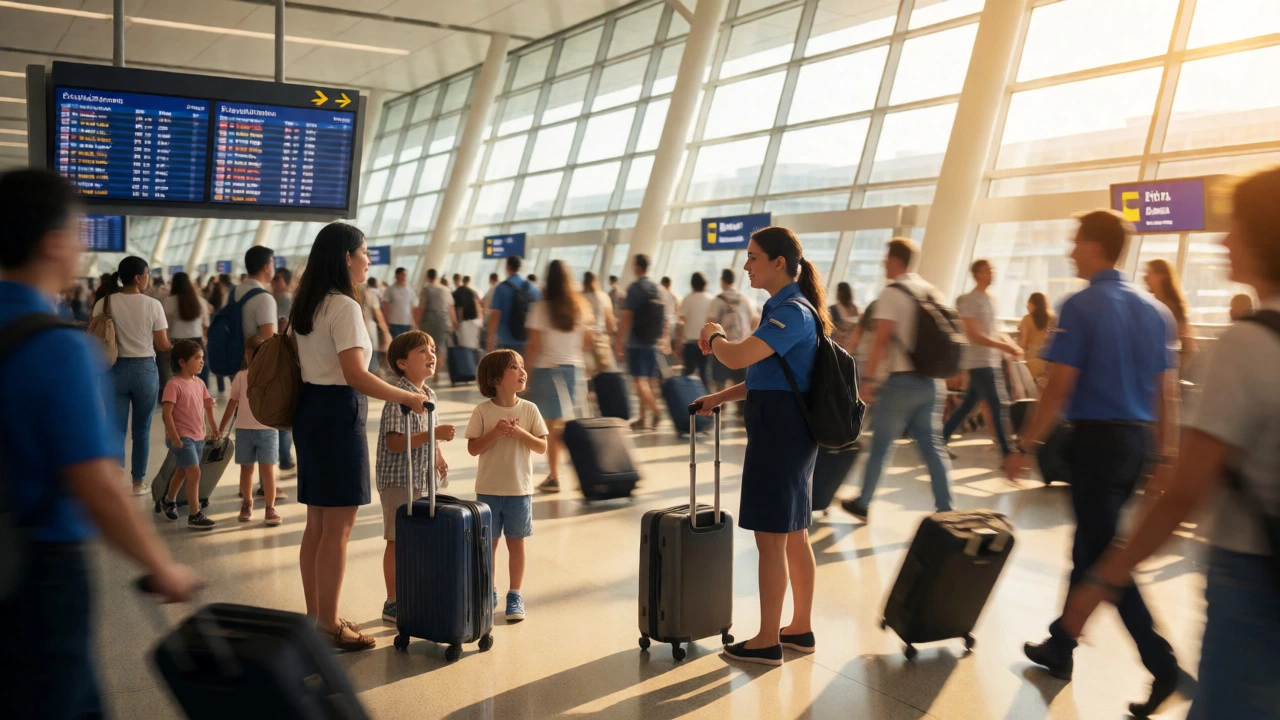
You might guess Christmas. Or maybe Thanksgiving, when everyone’s too busy eating turkey to fly anywhere. But if you look at the hard data from the Transportation Security Administration (TSA) and major airline reports, the answer is surprisingly simple: summer wins every single time. Specifically, the weeks surrounding Labor Day are consistently among the busiest travel periods of the year, marking the definitive end of the American summer vacation season.
This isn’t just about kids being out of school. It’s a perfect storm of weather, work schedules, and cultural habits that creates a massive spike in domestic tourism. If you’re trying to score a deal or plan a trip without breaking the bank, understanding this rhythm is your best weapon. The "most popular" time to travel is also the most expensive, which seems like a paradox until you realize how many people are chasing the same sun-soaked weekends.
Why Summer Dominates US Travel Statistics
Let’s be real: Americans love their summer breaks. Unlike some countries where long vacations are taken in chunks throughout the year, the US workforce largely operates on a schedule that aligns with the school calendar. This means millions of families are locked into traveling between June and August. According to recent data from Expedia, summer travel accounts for nearly 40% of all annual leisure trips in the United States.
The driver here is straightforward. School is out, the weather is warm enough for beaches and national parks, and daylight hours are longer, allowing for more sightseeing per day. When you combine these factors, you get a predictable surge in demand for flights, hotels, and rental cars. This isn't a subtle bump; it's a tidal wave. In July 2025 alone, TSA screened over 2.9 million passengers daily on average, a figure that dwarfs the winter months.
But within summer, there are peaks within peaks. The period from mid-June through early September is hot, but the absolute crunch often happens around specific holidays. Memorial Day kicks off the season, Fourth of July sees a spike in short trips, and Labor Day serves as the grand finale. These aren't just dates on a calendar; they are economic events that shift prices and availability overnight.
The Winter Contenders: Christmas and Thanksgiving
If summer is king, winter is certainly the prince. While summer has volume, winter has intensity. The weeks leading up to Christmas and New Year’s Eve see some of the highest ticket prices of the year. Why? Because people have no choice. Family obligations trump budget concerns during the holidays.
Thanksgiving presents an interesting case study. It is technically one of the busiest travel weekends, with AAA reporting over 50 million travelers moving across the country. However, the nature of Thanksgiving travel is different. It’s mostly car-based and short-distance. People drive to family homes, stay for three days, and drive back. There’s less hotel spending and fewer international flights compared to the Christmas rush. So, while Thanksgiving moves a lot of bodies, it doesn’t generate the same revenue-per-traveler metrics as the Christmas/New Year block or the extended summer vacations.
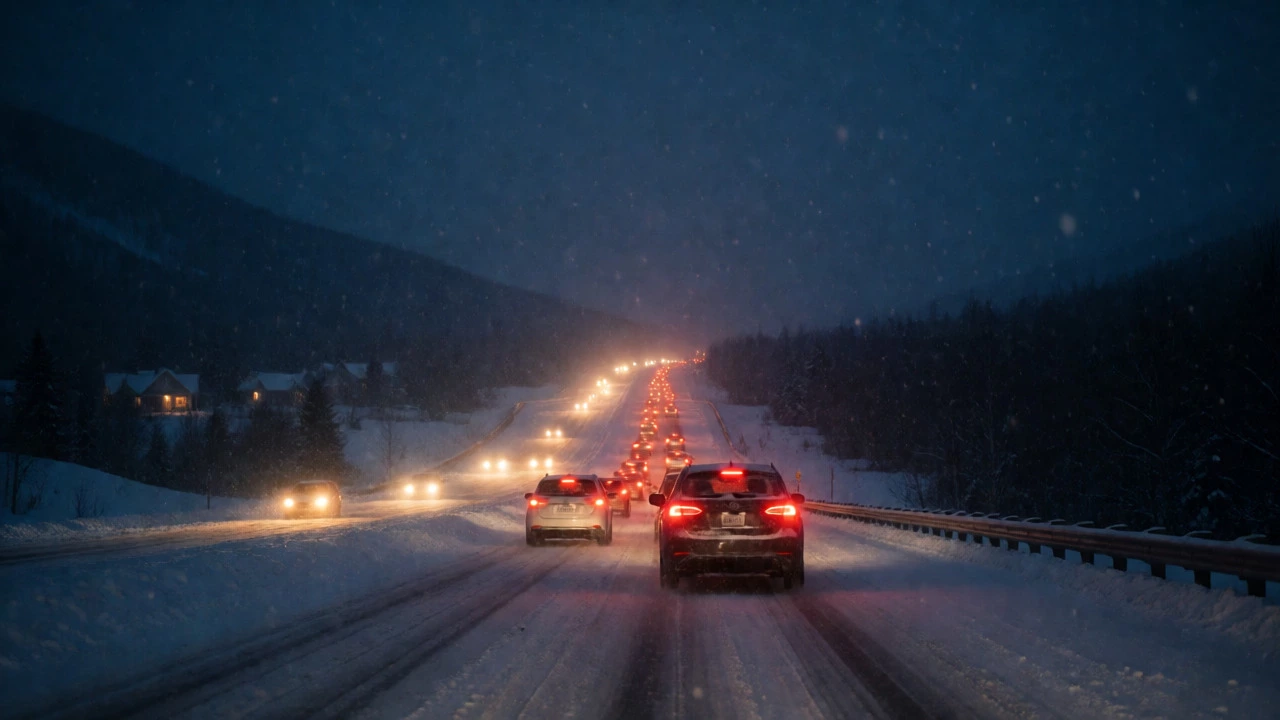
Christmas travel is distinct because it spans two weeks. Schools close, offices shut down, and people either head south for warmth or north for snow. This dual-direction flow clogs airports and highways alike. If you’re looking for deals, booking a flight on December 26th or 27th can save you hundreds compared to flying out on the 21st or 22nd. The return rush on January 1st or 2nd is equally brutal, so planning your return date is just as critical as your departure.
Spring Break: The Short but Fierce Burst
Don’t underestimate Spring Break. It’s shorter than summer, usually lasting only one week per student group, but its impact on specific destinations is disproportionate. Cities like Miami, Orlando, and Nashville become unrecognizable during March and April. For college students and young professionals, this is the primary vacation window.
The problem with Spring Break is that it’s fragmented. Unlike summer, where everyone travels roughly at the same time, Spring Break dates vary by university and state. This makes predicting exact peak times tricky. One week, a beach town is packed; the next, it’s quiet. For travelers not tied to academic calendars, this fragmentation offers opportunities. You can find discounts in popular spring break spots by traveling just before or after the main university windows. It’s a game of timing, but one that rewards those who check local academic calendars.
How to Navigate Peak Season Pricing
Knowing when the crowds hit is half the battle. The other half is knowing how to pay less. Since summer is the most popular time, prices reflect that demand. Airfares in July can be double what they are in October. Hotel rates in coastal towns skyrocket. But you don’t have to sacrifice your dream trip just because it’s peak season.
First, book early. The old advice still holds: for summer travel, aim to book flights three to six months in advance. Airlines use dynamic pricing models that raise fares as seats fill up. Waiting until May to book a July trip is a recipe for paying full fare. Second, consider shoulder seasons. Late August and early September, right after Labor Day, offer summer-like weather in many parts of the US but with significantly lower prices. Kids are back in school, so family-friendly attractions are less crowded, and hotels are desperate to fill rooms.
| Holiday/Season | Travel Volume | Average Price Impact | Best Time to Book |
|---|---|---|---|
| Summer (June-Aug) | Very High | +30-50% | Jan-Mar |
| Christmas/New Year | High | +40-60% | Aug-Oct |
| Thanksgiving | Medium-High | +15-25% | Sep-Oct |
| Spring Break | Variable | +20-35% | Dec-Feb |
| Labor Day Weekend | High | +20-30% | Apr-Jun |

Regional Differences in Popularity
The "most popular" holiday isn’t uniform across the map. In Florida, Spring Break is arguably bigger than Christmas because of the influx of northern students. In Colorado, winter holidays dominate due to ski resorts. In New York City, the holiday season itself-November through December-is a tourist attraction, with people visiting specifically for the decorations and markets rather than just to visit family.
Understanding these regional nuances helps you avoid the wrong crowd. If you hate college parties, skip Cancun or South Beach in March. If you want solitude, avoid Yosemite in July. Each region has its own peak, driven by climate and local culture. Researching the specific destination’s high season is crucial before booking.
Frequently Asked Questions
Is Labor Day really busier than Christmas?
In terms of raw passenger numbers via air travel, yes, summer weekends including Labor Day often rival or exceed Christmas travel volumes. However, Christmas involves more complex multi-leg trips and higher spending per person. Labor Day is typically a shorter, domestic-focused weekend, while Christmas involves longer stays and more international travel.
When is the cheapest time to fly in the USA?
Generally, late January through early March (excluding Presidents' Day) and mid-September through November (before Thanksgiving) are the cheapest times to fly. These periods fall outside major school breaks and holiday rushes, leading to lower demand and better fares.
Does Thanksgiving involve more air travel than driving?
No. AAA data consistently shows that over 85% of Thanksgiving travelers use personal vehicles. Air travel spikes, but it represents a smaller percentage of total travelers compared to the overwhelming majority who drive to nearby family gatherings.
Are summer deals worth it if prices are so high?
Yes, if booked correctly. Many hotels and airlines release early-bird packages for summer travel in January and February. Additionally, last-minute deals can appear in late August when schools start, as businesses try to fill remaining inventory.
Which US city is most visited during holidays?
New York City, Orlando, and Las Vegas consistently rank as the top visited cities during major holiday periods. NYC draws visitors for its festive atmosphere, Orlando for theme park vacations, and Las Vegas for entertainment and nightlife escapes.