💰 Budget Trip Cost Estimator
Compare estimated costs for a 4-day/3-night baseline trip across the top 5 most affordable US states. Adjust parameters to fit your specific plans.
Trip Parameters
Estimated Total Costs
Based on mid-range dining and local activities.
Let’s be honest: the United States can feel like a financial black hole for travelers. Between airfare, hotel rates that spike on weekends, and the sheer size of the country, it’s easy to blow your budget before you even hit a tourist trap. But if you know where to look, some states offer incredible value without forcing you to sleep in your car or eat exclusively at gas station delis.
The short answer? It depends on how you define "cheap." If you mean lowest daily spending per person, Affordable US Destinations like West Virginia and Mississippi often top the lists. If you mean low entry barriers (like no car required), cities in Ohio or Indiana might win. This guide breaks down the actual costs for 2026, helping you pick the state that fits your wallet and your vibe.
Key Takeaways: Where Your Money Goes Furthest
- West Virginia is consistently the cheapest state for accommodation and dining, with average hotel nights under $80.
- Mississippi offers the lowest overall cost index, making food and transport significantly cheaper than national averages.
- Ohio and Indiana are strong contenders for city-based trips due to lower urban inflation compared to coastal hubs.
- Seasonality matters more than location: visiting any of these states in November or January cuts costs by 30-40%.
- Rental cars are expensive everywhere; consider public transit-friendly cities or driving from home if possible.
Why "Cheapest" Is Tricky in the US
Unlike Europe, where high-speed rail connects major cities, the US is built around the automobile. This changes the math entirely. A trip to a "cheap" state becomes expensive if you have to rent a vehicle for five days at $60+ per day. Therefore, the cheapest state isn't just about hotel prices-it's about the total cost of access.
We analyzed data from the Bureau of Economic Analysis (BEA) and recent traveler reports to identify states with the lowest combined costs for lodging, food, and local activities. We excluded states with extreme weather risks that could cancel plans (like hurricane-prone Gulf Coast areas during peak season) unless the savings were substantial enough to offset the risk.
The Top 5 Cheapest States to Visit in 2026
1. West Virginia: The Underrated Value King
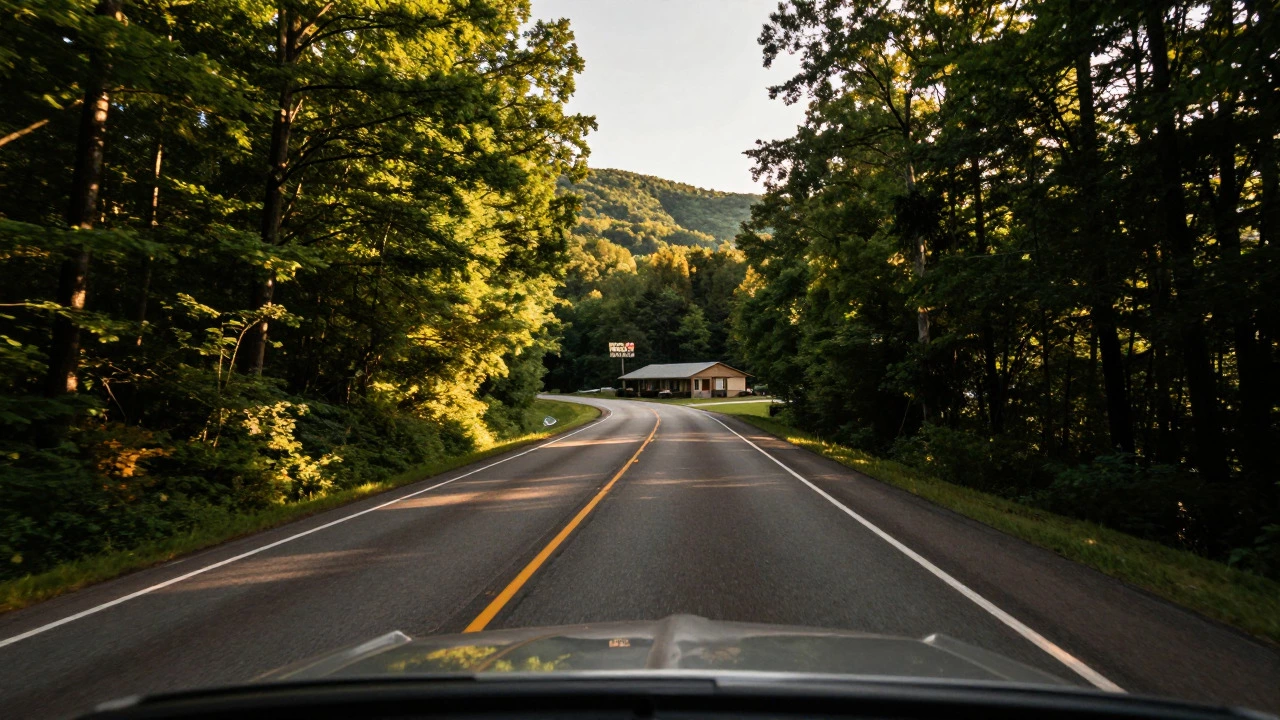
West Virginia doesn’t get the hype, but it delivers. The state has a low cost-of-living index, which translates directly to travel expenses. You can find clean, comfortable motels for $70-$90 per night, and a hearty meal at a local diner rarely exceeds $15. Nature is free here-think hiking in Shenandoah National Park (which straddles VA/WV) or exploring the New River Gorge.
West Virginia is a state known for its Appalachian landscapes, low tourism density, and significantly below-average consumer prices. The lack of major international airports means fewer flight options, but this also keeps hotel demand lower. For road trippers, it’s a gem.
2. Mississippi: Low Prices, High Culture
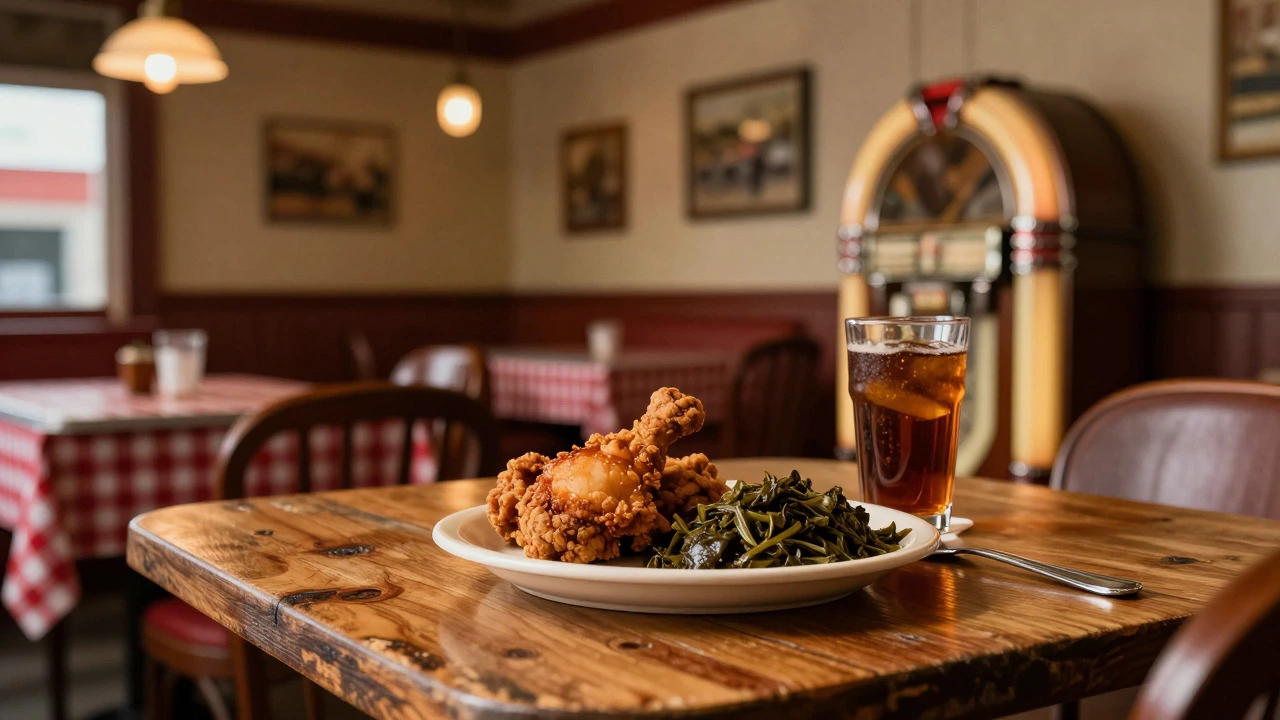
If you want history, music, and food without the price tag, Mississippi is hard to beat. Jackson and Natchez offer rich cultural experiences at a fraction of what you’d pay in New Orleans or Atlanta. A stay in a mid-range hotel might cost $65-$85, and Southern comfort food is abundant and affordable. The state’s tourism infrastructure is smaller, so expect fewer crowds and more authentic interactions.
3. Ohio: Urban Affordability
Ohio punches above its weight for city breakers. Cleveland, Columbus, and Cincinnati have vibrant arts scenes, world-class museums, and diverse dining options, yet their costs remain well below national averages. Hotel rates in downtown areas typically range from $90-$120, which is reasonable given the quality. Public transit exists in larger cities, reducing the need for a rental car if you’re staying central.
4. Indiana: Small-Town Charm, Big Savings
Home to Indianapolis, Indiana offers a mix of big-city events and rural tranquility. The state’s flat terrain makes road trips efficient, and fuel costs add up less than in mountainous regions. Accommodation is plentiful and cheap, especially outside the capital. If you’re into motorsports, the Indianapolis Motor Speedway area offers unique experiences without the premium pricing found at other major venues.
5. Kansas: The Middle Ground
Kansas often flies under the radar, but it’s a solid choice for budget travelers. Wichita and Topeka provide good value for money, with hotels averaging $80-$100. The state is vast, so plan your route carefully to minimize driving time. Food costs are among the lowest in the nation, allowing you to splurge on nicer meals without breaking the bank.
Cost Comparison: What You’ll Actually Spend
To make this concrete, let’s look at a hypothetical 4-day, 3-night trip for one person, excluding inter-state travel (flights/train). We assume mid-range accommodations and moderate dining.
| State | Accommodation (3 Nights) | Dining (4 Days) | Activities/Entry Fees | Local Transport | Total Estimate |
|---|---|---|---|---|---|
| West Virginia | $240 | $120 | $50 | $60 (Fuel/Car share) | $470 |
| Mississippi | $225 | $110 | $45 | $55 (Fuel/Car share) | $435 |
| Ohio | $300 | $140 | $60 | $40 (Transit/Taxi) | $540 |
| Indiana | $270 | $130 | $55 | $50 (Fuel/Car share) | $505 |
| Kansas | $300 | $135 | $50 | $65 (Fuel/Car share) | $550 |
Note: These estimates assume you already have a car or are splitting rental costs. If you must rent a car solo, add $150-$200 to the total. If you use public transit in Ohio or Indiana, local transport costs drop further.
Hidden Costs That Can Ruin Your Budget
Even in cheap states, certain expenses can sneak up on you. Here’s what to watch out for:
- Tourist Taxes: Many cities add 10-15% occupancy taxes to hotel bills. Check the final price before booking.
- Parking Fees: In urban areas like Cleveland or Indianapolis, parking can cost $15-$30 per day. Choose hotels with free parking if driving.
- Seasonal Spikes: Avoid visiting during major festivals (e.g., Indianapolis 500 in May) when prices double.
- Food Service Charges: Some restaurants in tourist-heavy areas add automatic service charges. Ask before ordering.

How to Maximize Savings: Pro Tips
You don’t have to choose between comfort and cost. Here’s how to stretch your dollars further:
- Travel Off-Peak: Aim for late fall (October-November) or early spring (March-April). Weather is mild, crowds are thin, and prices drop.
- Stay Local: Book Airbnb or vacation rentals instead of hotels. In rural areas, you often get more space for less money.
- Eat Like a Local: Skip touristy restaurants. Look for diners, BBQ joints, and grocery stores. A picnic from a local market can save $20+ per day.
- Use Free Attractions: Most national parks charge modest entry fees ($20-$30 per vehicle). Museums often have free days. Hiking trails are always free.
- Consider Shoulder Season Flights: If flying, book flights on Tuesdays or Wednesdays. Avoid Friday/Sunday departures.
Is It Worth It? The Quality of Experience
Cheap doesn’t mean poor. In fact, visiting less-touristed states often leads to better experiences. You’ll encounter fewer crowds, more genuine hospitality, and hidden gems that aren’t over-marketed. West Virginia’s natural beauty is stunning and peaceful. Mississippi’s musical heritage is deeply felt in small clubs. Ohio’s industrial history is fascinating and accessible.
The key is managing expectations. Don’t expect luxury resorts or Michelin-starred dining. Instead, embrace simplicity, nature, and local culture. You’ll likely leave feeling refreshed rather than drained.
Frequently Asked Questions
Which US state has the lowest cost of living for tourists?
Mississippi and West Virginia consistently rank as the most affordable states for visitors. Their low base costs for food, lodging, and services translate directly into lower travel budgets. Mississippi edges out slightly in raw numbers, while West Virginia offers better natural attractions for the same price.
Do I need a car to visit these cheap states?
It depends on the state. In Ohio and Indiana, major cities have usable public transit, making a car optional. In West Virginia, Mississippi, and Kansas, a car is highly recommended due to limited transit options and dispersed attractions. If you don’t drive, focus on city-based itineraries.
When is the best time to visit for the lowest prices?
The shoulder seasons of April-May and September-October offer the best balance of weather and pricing. Winter (November-February) is cheapest but may involve cold weather and some closures. Summer is peak season with higher prices, especially in June-August.
Are there any safety concerns in these states?
Generally, no. Crime rates in these states are comparable to or lower than the national average. As with any travel, practice standard precautions: keep valuables secure, research neighborhoods before arriving, and use reputable booking platforms. Rural areas may have limited emergency services, so carry a basic first-aid kit and offline maps.
Can I combine multiple cheap states in one trip?
Yes, if you’re road-tripping. For example, you can easily combine Ohio, Indiana, and Kentucky in a single loop. However, avoid combining distant states like Mississippi and West Virginia in a short trip, as driving times will eat into your budget and time. Plan clusters of geographically close states for efficiency.