
UK Annual Leave Calculator
Enter Your Contract Details
Your Breakdown
- Bank Holidays: 8 Days
- Flexible/Annual Leave: 0 Days
- Total Paid Days: 0 Days
What Does This Mean?
Planning Tip:
Ask a Brit what they are doing next week, and if they say they are going on "vacation," you might get a blank stare. It’s not that they don’t take time off; it’s just that the word doesn’t fit their vocabulary. If you are trying to understand the cultural mechanics of British time off, or perhaps planning your own trip to the UK and want to blend in, you need to know the lingo. The short answer? In the UK, we call it a holiday.
But there is more to it than just swapping one word for another. The concept of taking time away from work in Britain is shaped by specific laws, unique seasonal traditions, and a growing trend toward domestic travel known as the "staycation." Whether you are an expat navigating HR policies or a traveler curious about local customs, understanding these nuances will help you communicate better and plan smarter.
The Language Barrier: Why "Vacation" Doesn't Work
Language shapes how we think about our leisure time. In American English, "vacation" implies a temporary release from duties. In British English, that same concept is almost exclusively referred to as a "holiday." This isn’t just a quirky preference; it reflects a deeper historical connection to the idea of "holy days" and public festivals that have evolved into modern paid leave.
If you walk into a job interview in London and ask about your "vacation days," the recruiter will understand you, but it will mark you as an outsider immediately. The correct term is annual leave. When booking a trip with a travel agent, you aren’t looking for a "vacation package"; you are booking a holiday package. Even the government department responsible for tourism was historically called the Department for Culture, Media and Sport, often overseeing "holiday destinations" rather than vacation spots.
This linguistic distinction extends to other areas too. While Americans might talk about a "weekend getaway," Brits are more likely to refer to a "short break" or a "mini-break." The precision of language here matters because it sets expectations. A "holiday" in the UK can range from a two-week beach trip to a three-day city visit, whereas "vacation" in the US often carries a heavier connotation of extended, formal time off.
How Annual Leave Works in the UK
Understanding the British equivalent of vacation requires looking at the legal framework. Unlike some countries where time off is negotiated entirely through union contracts or individual agreements, the UK has statutory minimums set by law.
Under the Working Time Regulations 1998, most full-time employees in the UK are entitled to 28 days of paid annual leave per year. This figure includes the eight standard bank holidays (public holidays). So, if your contract says "25 days + bank holidays," you are actually getting the statutory 28. Many employers offer more, with 30 or even 33 days becoming common in competitive sectors like tech and finance.
- Statutory Minimum: 28 days (including bank holidays).
- Carry Over: You can usually carry over unused leave only if your employer agrees or if you were unable to take it due to sickness.
- Pro-rata: Part-time workers get leave calculated proportionally to their hours worked.
- Bank Holidays: These are not automatically paid days off unless specified in your contract. They are simply dates when banks and post offices close, but many businesses follow suit.
This structure means that British workers plan their "holidays" around these fixed dates. For example, if May Day falls on a Monday, it creates a long weekend, which is a prime time for short trips. Understanding this rhythm is key to knowing when the country slows down and when it stays busy.
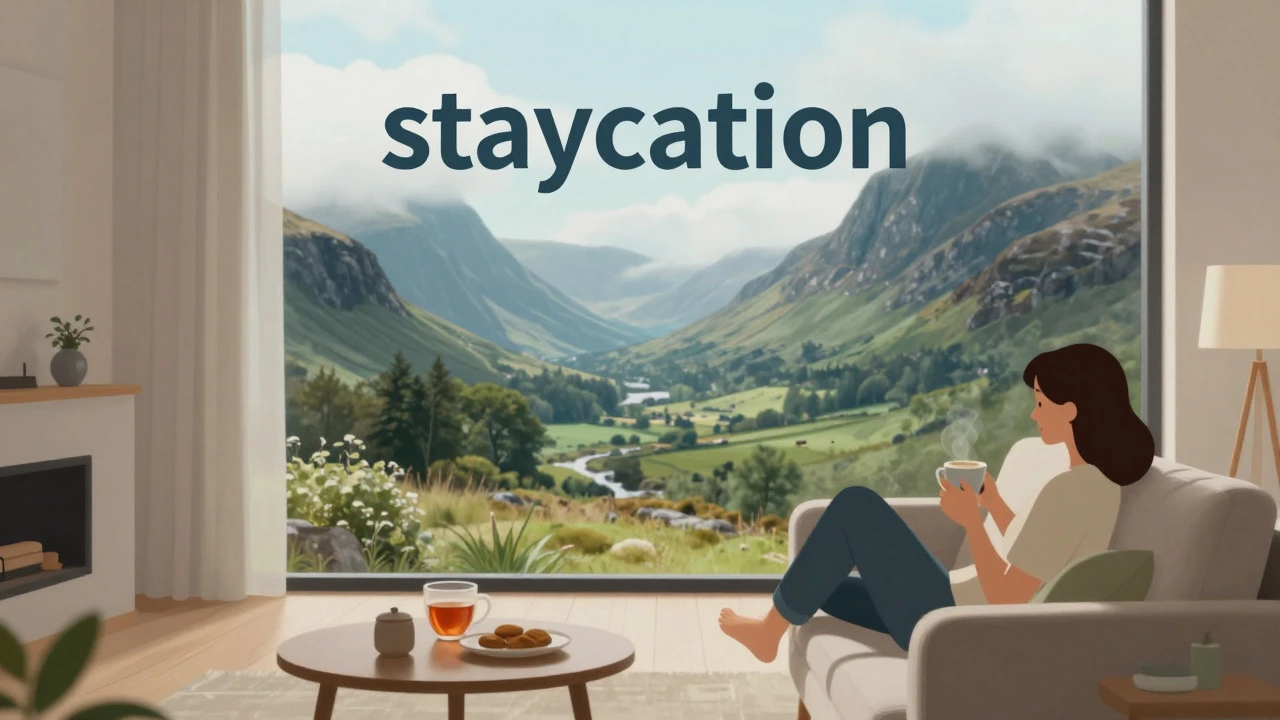
The Rise of the Staycation
In recent years, particularly post-2020, the definition of a British holiday has shifted significantly. The term staycation has moved from a niche buzzword to a mainstream travel habit. A staycation is essentially a holiday taken within your own country, often without leaving home for more than a few hours.
Why the shift? Several factors drive this trend:
- Cost of Living: International flights and accommodation prices have risen sharply. Staying local is a budget-friendly alternative that still offers a psychological break from routine.
- Environmental Awareness: Many Britons are conscious of the carbon footprint associated with air travel. Choosing a train ride to Cornwall or a drive to the Lake District feels more sustainable.
- Convenience: No passports, no visa checks, no jet lag. You can pack less and worry less.
The UK is surprisingly diverse geographically, which makes staycations viable. You can experience Mediterranean-style weather in Cornwall, rugged mountain hikes in Scotland, and historic urban exploration in Edinburgh or York, all without crossing an international border. Hotels and Airbnb hosts have adapted by offering "glamping" sites, luxury cottages, and spa retreats that cater specifically to this domestic demand.
Bank Holidays vs. Public Holidays
A major point of confusion for outsiders is the difference between bank holidays and public holidays. In the UK, "bank holiday" is the official term for what Americans call a federal holiday. However, being a bank holiday does not automatically mean everyone gets the day off.
There are eight bank holidays in England and Wales (nine in Scotland and ten in Northern Ireland). Key dates include:
| Holiday Name | Typical Date | Note |
|---|---|---|
| New Year's Day | January 1st | Moved to nearest Monday if it falls on a weekend |
| Good Friday | Friday before Easter Sunday | Major travel period |
| Easter Monday | Monday after Easter Sunday | Not a bank holiday in Scotland |
| Early May Bank Holiday | First Monday in May | Often coincides with May Day |
| Spring Bank Holiday | Last Monday in May | Popular for outdoor activities |
| Summer Bank Holiday | Last Monday in August | Peak season for UK holidays |
| Christmas Day | December 25th | Most shops and businesses closed |
| Boxing Day | December 26th | Traditional day for sports and family visits |
If your job doesn’t explicitly state that bank holidays are part of your paid leave, you might have to use one of your 28 annual leave days to take them off. This is why checking your employment contract is crucial. For travelers, these dates are critical because roads get congested, trains sell out, and hotel prices spike. Avoiding the Summer Bank Holiday weekend can save you money and stress if you are visiting popular tourist spots.
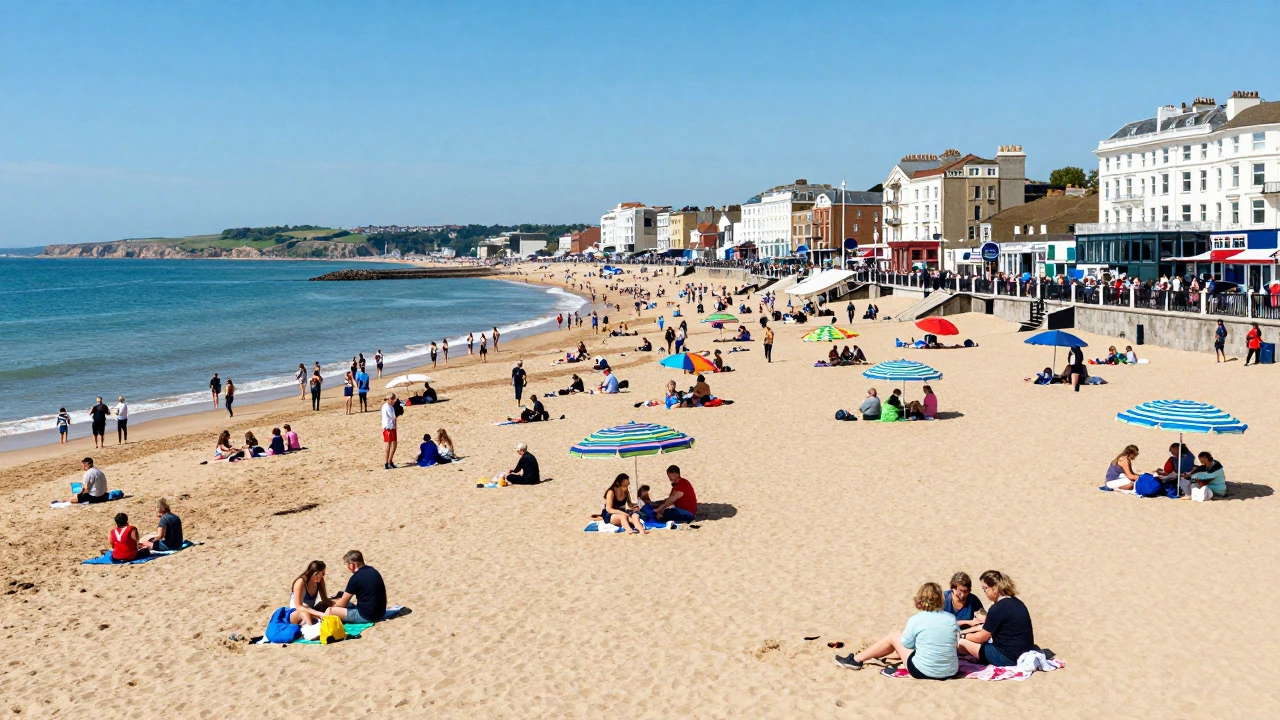
Cultural Nuances: How Brits Take Their Holidays
Beyond the terminology and laws, there are cultural habits that define how British people enjoy their time off. One significant aspect is the concentration of holidays in the summer months. Schools in the UK have long summer breaks (typically July to September), so families cluster their holidays during this period. This leads to crowded beaches in places like Brighton, Bournemouth, and the Isle of Wight.
Another nuance is the concept of the "gap year." While not exclusive to the UK, it is deeply embedded in British youth culture. After finishing A-levels (high school equivalents), many young people take a year off to travel, work, or volunteer before starting university. This tradition reinforces the idea that travel and personal growth are integral parts of life, not just occasional rewards.
Additionally, Brits are known for being somewhat reserved about discussing their holiday plans until they are confirmed. You might hear phrases like "We’re thinking of going to Spain" for months before a booking is made. This cautious approach stems from a desire to avoid disappointment and a practical awareness of financial constraints.
Planning Your Own UK Holiday Experience
If you are visiting the UK and want to participate in the local culture, consider aligning your itinerary with British holiday rhythms. For instance, visiting during a bank holiday weekend gives you a taste of how locals relax. You’ll see pubs packed with people playing darts, parks filled with picnickers, and coastal towns buzzing with activity.
Alternatively, if you prefer quiet, avoid the last week of July and the first week of August, which are peak school holiday times. Instead, aim for late spring (May) or early autumn (September/October). The weather is often mild, and the crowds are thinner. This is also when many Brits take their "autumn breaks," focusing on hiking, castle tours, and food festivals.
Finally, embrace the staycation mindset if you are traveling within the UK. Don’t feel pressured to fly abroad. The diversity of landscapes within a few hours' drive is remarkable. From the moors of Yorkshire to the cliffs of Dover, there is plenty to explore without ever needing a passport.
Is "holiday" used for both the event and the time off?
Yes. In British English, "holiday" covers both the act of traveling (e.g., "I'm going on holiday to France") and the time away from work (e.g., "I have five days of holiday left"). There is no separate word like "vacation" for the abstract concept of time off.
Do British people get more time off than Americans?
Generally, yes. The UK statutory minimum is 28 days including bank holidays, while the US has no federal mandate for paid vacation. Most American workers average 10-15 days, whereas many British workers receive 25-30+ days depending on their industry and seniority.
What is a "staycation" exactly?
A staycation is a holiday taken within one's own country, often involving minimal travel distance. It can range from sleeping in a different room in your house to driving to a nearby national park. The goal is to disconnect from work routines without the hassle of international travel.
Are bank holidays mandatory days off?
No. Bank holidays are simply days when banks and post offices are closed. Whether you get the day off depends on your employment contract. Some jobs require you to work on bank holidays, sometimes with extra pay.
When is the best time to visit the UK to avoid crowds?
The best times are typically late spring (May) and early autumn (September to October). These periods avoid the peak summer school holidays (July-August) and the winter festive rush. Weather is generally pleasant, and attractions are less crowded.