UK Travel Cost Calculator
Calculate Your UK Trip Cost
Compare costs for trains, buses, and driving between popular UK destinations
Results
Enter your travel details to see estimated costs
Getting around the UK as a tourist isn’t about picking one magic solution-it’s about matching your style, budget, and destinations to the right mix of options. Whether you’re chasing historic castles in Scotland, coastal towns in Cornwall, or city buzz in London, how you move makes or breaks your trip. There’s no single best way, but there are smarter ways that save time, money, and stress.
Trains: The backbone of UK travel
If you’re traveling between cities, trains are usually the fastest and most reliable option. The UK has one of the densest rail networks in Europe, with services running from Inverness to Penzance, and from Cardiff to Newcastle. Major operators like Avanti West Coast, Great Western Railway, and TransPennine Express connect most tourist hotspots. A single journey from London to Edinburgh takes under 5 hours, and from Manchester to Liverpool, it’s just 45 minutes.
For tourists, the BritRail Pass is a flexible rail pass designed for overseas visitors that allows unlimited travel across the UK network for 3, 4, 7, 15, or 30 consecutive days. It’s not always cheaper than buying point-to-point tickets, but it gives you freedom to change plans last minute. Buy it before you arrive-you can’t get it in the UK. Also, consider booking tickets 12 weeks ahead on sites like Trainline or National Rail Enquiries. Off-peak fares can be half the price of peak ones.
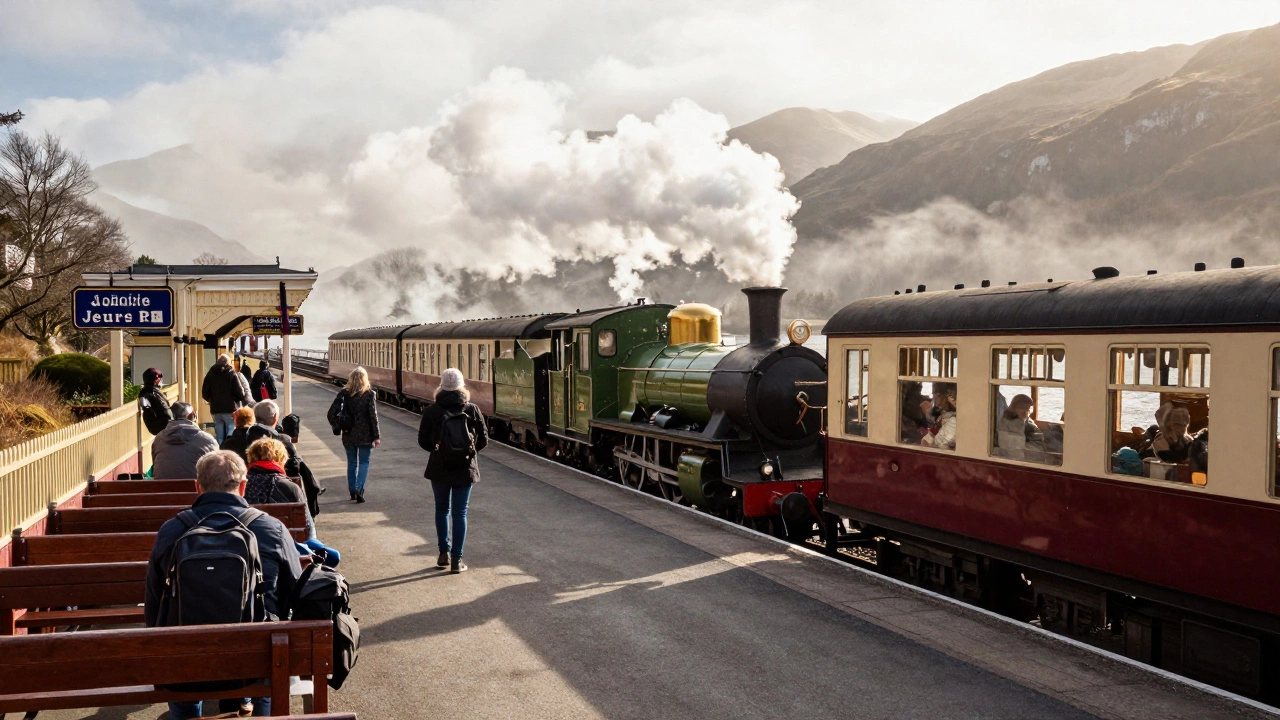
Don’t overlook regional lines. The Jacobite Steam Train from Fort William to Mallaig in Scotland isn’t just transport-it’s a scene from Harry Potter. The Heart of Wales Line winds through quiet valleys with views you won’t find on a motorway. These aren’t tourist traps-they’re working railways that happen to be beautiful.
Driving: Freedom with caveats
Driving gives you access to places trains don’t reach: the North York Moors, the Isle of Skye, the Pembrokeshire Coast Path. But it’s not as simple as renting a car and going.
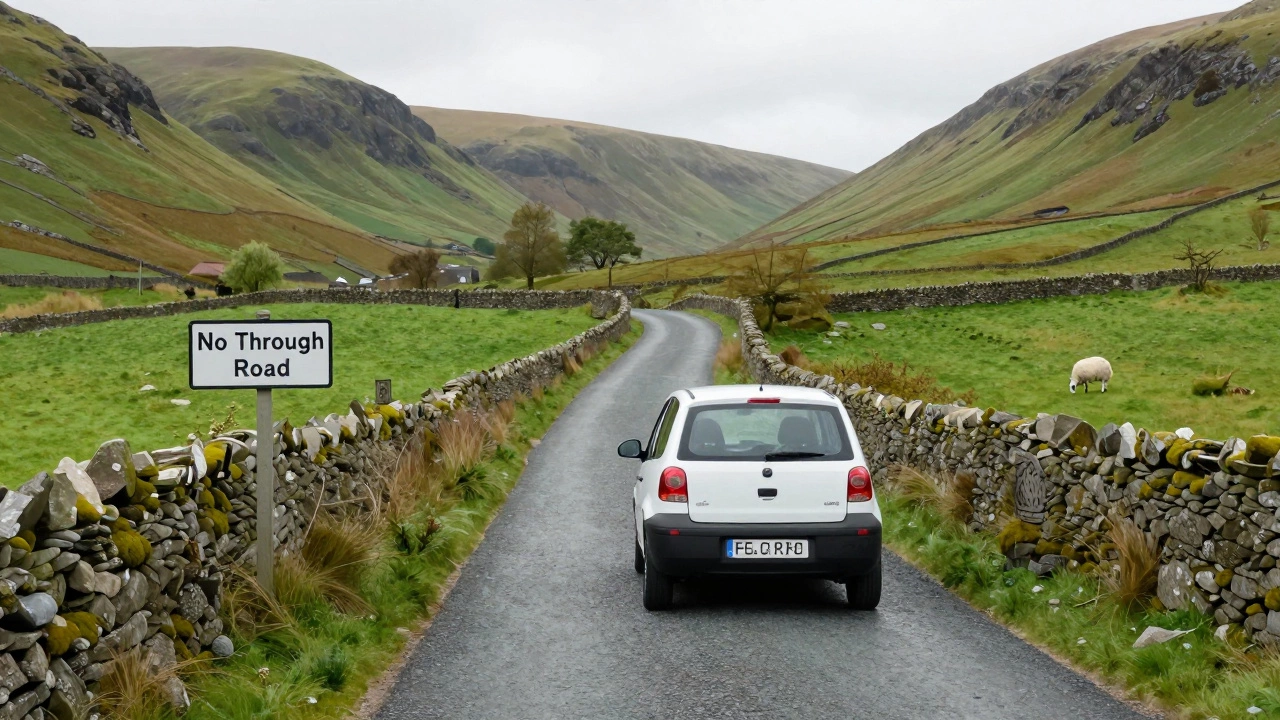
First, you drive on the left. If you’re used to right-hand traffic, it takes a few hours to adjust. Second, UK roads are narrow. Single-lane country roads are common, and passing lanes are rare. Third, parking in cities like London, Edinburgh, or Bath can cost £30-£50 a day. Many historic towns ban cars entirely in their centers.
Stick to automatics if you’re not used to manuals-most rental cars in the UK are stick shift. Use GPS apps like Google Maps or Waze, but always check for road closures. The UK has more temporary roadworks per mile than almost any country in Europe. Also, fuel prices are high-around £1.60 per liter as of early 2026. Fill up at supermarkets like Tesco or Asda instead of motorway service stations.
For road trips, rent a compact car. A Ford Focus or similar is easier to park, uses less fuel, and handles narrow lanes better than an SUV. Book your rental through a UK-based company like Enterprise or Europcar. Avoid US-based agencies-they charge more for UK-specific fees.
Buses and coaches: Budget-friendly and surprisingly good
Long-distance buses are the UK’s best-kept secret. National Express is the largest intercity coach operator in the UK, serving over 500 destinations with fares starting as low as £5 if booked early. Megabus runs similar routes, often undercutting train prices by 60%. A London to Manchester bus ride can cost £12, compared to £80 on a train.
They’re not luxury rides-no Wi-Fi on most, and legroom is tight. But they’re clean, on-time, and drop you right at city centers. Many routes run overnight, so you save on a hotel. Use the National Express app to track buses in real time. Also, look for student or group discounts. Even if you’re not a student, asking can sometimes get you a deal.
For local travel, regional buses are reliable. In Cornwall, the Citybus 12 connects Newquay, St Ives, and Penzance. In Wales, the TrawsCymru network links towns in the valleys. These services aren’t tourist-focused, but they’re affordable and authentic.
City transport: Walk, bike, or use the tube
In cities like London, Manchester, or Glasgow, you don’t need a car. London’s Underground (the Tube) is the most efficient way to move around. Get an Oyster card or use contactless payment-tap in, tap out, no ticket needed. Daily caps mean you won’t pay more than £8.40 even if you take 10 trips.
London also has an extensive bus network. Double-deckers are iconic, and routes like the 24 from Brixton to Oxford Circus pass through neighborhoods you’d miss underground. Edinburgh’s Lothian Buses and Manchester’s Metrolink tram system are equally user-friendly.
Many cities have bike-share programs. Santander Cycles in London, Nextbike in Cardiff, and Donkey Republic in Belfast let you rent bikes by the hour. Helmets aren’t required, but bring one. Cycling lanes are improving, but drivers still don’t always look out for cyclists. Stick to marked routes.
Boats and ferries: For islands and coasts
The UK is surrounded by water-and you can use it. Ferries connect mainland Britain to the Isle of Wight, the Scilly Isles, the Hebrides, and even Northern Ireland. The ferry from Portsmouth to the Isle of Wight runs every 30 minutes and takes 25 minutes. It’s cheaper than driving around the Solent.
For scenic trips, try the Caledonian Steam Packet Company’s service from Oban to the Inner Hebrides. Or take the ferry from Liverpool to Dublin-it’s a 7-hour ride with views of the Irish Sea. Some ferries even let you bring your car, which is handy if you’re doing a multi-country road trip.
Don’t overlook river services. Thames Clippers in London offer a fast, scenic commute along the river. You can board at Westminster, Tower Bridge, or Canary Wharf. It’s faster than the Tube during rush hour and way more relaxing.
What to avoid
Don’t rely on ride-hailing apps like Uber everywhere. They’re expensive in rural areas and often don’t operate after midnight. In small towns, taxis are scarce and overpriced.
Avoid renting a car if you’re only visiting cities. Parking, congestion charges, and fuel will eat your budget. London’s Ultra Low Emission Zone alone costs £15 a day if your car doesn’t meet emissions standards.
And skip the tourist buses. Companies like City Sightseeing offer open-top tours, but they’re slow, overpriced, and often reroute for photo ops. Use local public transport instead-it’s cheaper and more authentic.
Putting it all together: A sample itinerary
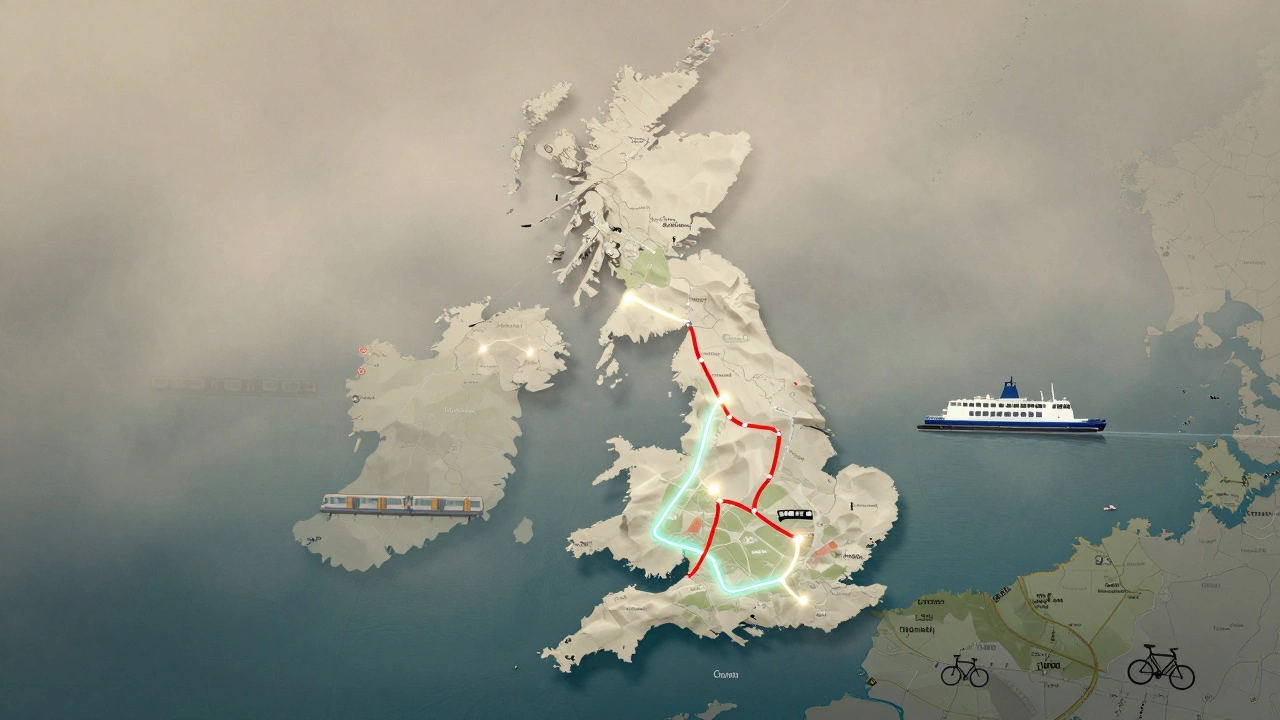
Imagine a 7-day trip: London → York → Edinburgh → Glasgow → Lake District.
- Day 1-2: London-use the Tube and walk. Buy a 7-day Travelcard for £70.
- Day 3: Take a train from London King’s Cross to York (1.5 hours, £35 booked ahead).
- Day 4: Train from York to Edinburgh (2.5 hours, £40).
- Day 5: Train from Edinburgh to Glasgow (50 minutes, £15).
- Day 6: Bus from Glasgow to Windermere (National Express, £25, 5 hours).
- Day 7: Hire a bike in Windermere, explore the lakes, then take a train back to London.
Total transport cost: under £200. You didn’t rent a car. You didn’t waste time waiting. You saw real places, not tourist bubbles.
Final tip: Plan, but leave room to wander
The best way to get around the UK isn’t about the vehicle-it’s about the rhythm. Use trains for long hauls, buses for budget travel, and walking for discovery. Let yourself get lost in a village near the Cotswolds, or hop on a random bus in Cornwall just to see where it ends.
The UK doesn’t need you to drive. It needs you to be curious. The transport system is built for that.
Is it cheaper to buy a BritRail Pass or individual train tickets?
It depends. If you’re making 3 or more long-distance trips across different regions in under 30 days, the BritRail Pass usually saves money. For just one or two trips, buying tickets in advance is cheaper. Always compare prices on Trainline before deciding. The pass is best for flexible travelers who aren’t sure where they’ll go next.
Can I use my US or EU driver’s license in the UK?
Yes, visitors from the US, Canada, Australia, and most EU countries can drive with their valid license for up to 12 months. No international driving permit is required. But make sure your license is clear of restrictions and includes a photo. Some rental companies may ask for a passport too.
Are there any hidden fees when renting a car in the UK?
Yes. Watch out for mandatory collision damage waivers (CDW), which can add £15-£30 a day. Some companies charge extra for young drivers under 25, or for picking up/dropping off at airports. Always read the fine print. Also, fuel is never full on pickup-you’ll pay more to refill than at a local station.
What’s the best way to get from London to Edinburgh on a budget?
Take a Megabus or National Express coach. Fares start at £10 if booked weeks ahead. It takes 8-10 hours, but you’ll save £60-£80 compared to a train. If you’re short on time, book a train ticket 12 weeks in advance-off-peak fares can be as low as £30.
Do I need to tip on UK trains or buses?
No. Tipping isn’t expected on public transport. Drivers and conductors are salaried employees. If you want to show appreciation, a simple ‘thank you’ is enough. Don’t feel pressured to leave money-it’s not part of the culture here.