Adventure Day Planner & Estimator
Configure Your Adventure
Your Itinerary Estimate
Cost Breakdown
Select your preferences and click Plan My Adventure Day to see a customized itinerary and cost estimate.
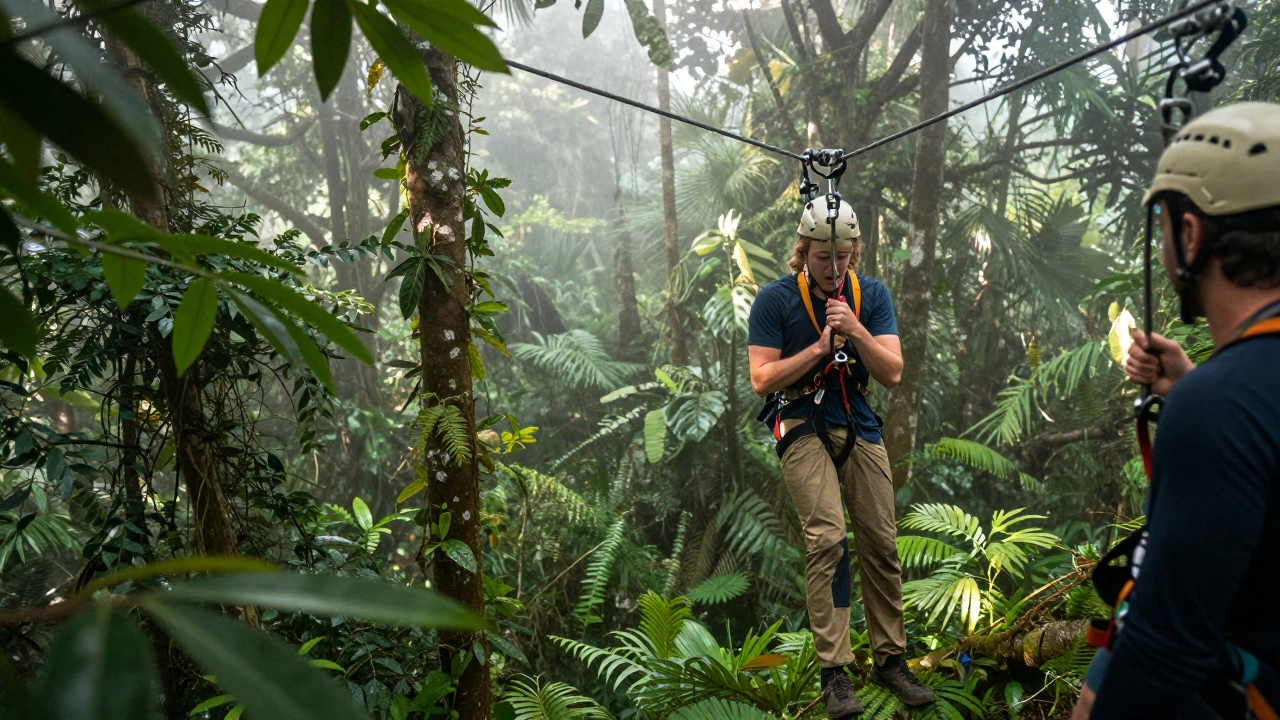
You pack your bag, book a flight, and land in a new country. But instead of spending three weeks exploring every corner, you spend twenty-four hours zip-lining through a rainforest or kayaking down a raging river. Sounds intense? It’s called an adventure day. This concept is reshaping how we think about travel, especially for those who crave excitement but lack the time-or budget-for long expeditions.
An adventure day isn’t just a regular tour with a side of hiking. It’s a concentrated burst of physical activity, novelty, and thrill designed to fit into a single calendar slot. Whether you’re on a longer holiday looking to spice up a lazy afternoon, or taking a quick weekend getaway from Toronto to the nearby mountains, this format delivers maximum impact in minimum time. Let’s break down what makes these days so popular, how they differ from standard tours, and why they might be the perfect addition to your next trip.
The Anatomy of an Adventure Day
To understand what an adventure day really is, you have to look at its structure. Unlike a leisurely city walk or a museum crawl, an adventure day revolves around a specific high-energy activity. The goal is immersion. You aren’t watching the action; you are doing it.
These experiences usually include professional guidance, necessary equipment, and safety briefings. For example, if you sign up for a white-water rafting adventure day in Banff, the price covers the boat, the paddles, the wetsuit, and the expert guide who knows the rapids better than you know your own neighborhood. The focus is tight: one location, one main activity, and zero distractions.
This format appeals to modern travelers for several reasons. Time is scarce. Many people work full-time jobs and can only afford short breaks. An adventure day allows them to check off a bucket-list item-like skydiving over Dubai or surfing in Costa Rica-without needing two weeks of vacation leave. It’s efficient, memorable, and often more affordable than booking a multi-day expedition.
Adventure Days vs. Traditional Tours
If you’ve ever booked a bus tour that stops at five landmarks in six hours, you know the fatigue that comes with passive sightseeing. Adventure days operate on the opposite principle. Here is how they stack up against traditional options:
| Feature | Adventure Day | Standard Guided Tour |
|---|---|---|
| Primary Focus | Physical activity & skill acquisition | Cultural observation & history |
| Pace | Fast-paced, high energy | Slow, relaxed, scheduled |
| Equipment | Provided (helmets, gear, etc.) | Minimal (comfortable shoes) |
| Skill Level | Beginner-friendly to advanced | No skills required |
| Memory Retention | High (experiential learning) | Moderate (visual recall) |
The key difference lies in engagement. When you go rock climbing, your brain is fully engaged in problem-solving and physical exertion. This creates stronger neural connections, meaning you’re more likely to remember the experience vividly years later. A standard tour informs you; an adventure day transforms you, even if just for a few hours.
Popular Types of Adventure Days
The variety of activities available for a single-day adventure is staggering. They generally fall into three categories: water-based, land-based, and air-based. Each offers a unique flavor of excitement.
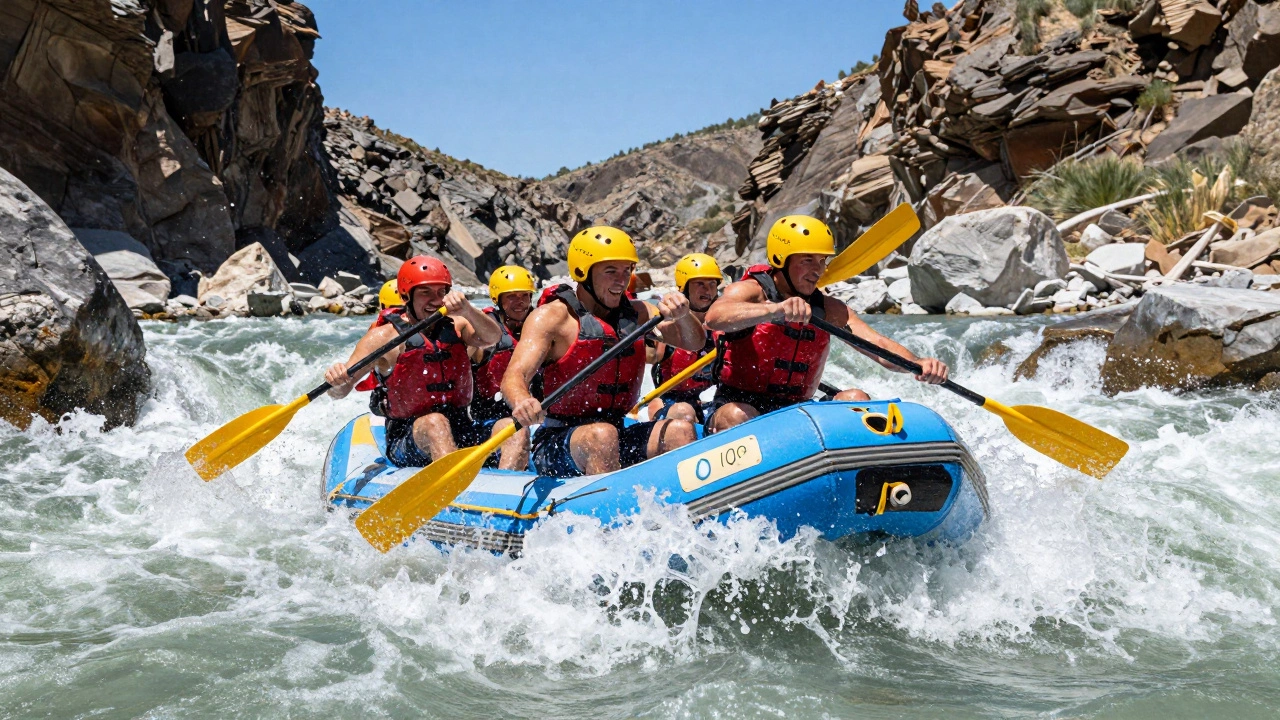
- Water-Based Adventures: These include scuba diving, snorkeling, kite surfing, and white-water rafting. If you’re visiting a coastal region like the Algarve in Portugal or the Great Barrier Reef in Australia, a dive day is a classic choice. You get certified instructors, gear rental, and access to prime spots you wouldn’t find on your own.
- Land-Based Adventures: Hiking, mountain biking, via ferrata (protected climbing routes), and quad biking dominate this category. In places like the Dolomites in Italy or Queenstown in New Zealand, a guided hike day ensures you see the best views while staying safe on tricky terrain. Via ferrata is particularly popular because it allows non-climbers to scale vertical rock faces using fixed cables and ladders.
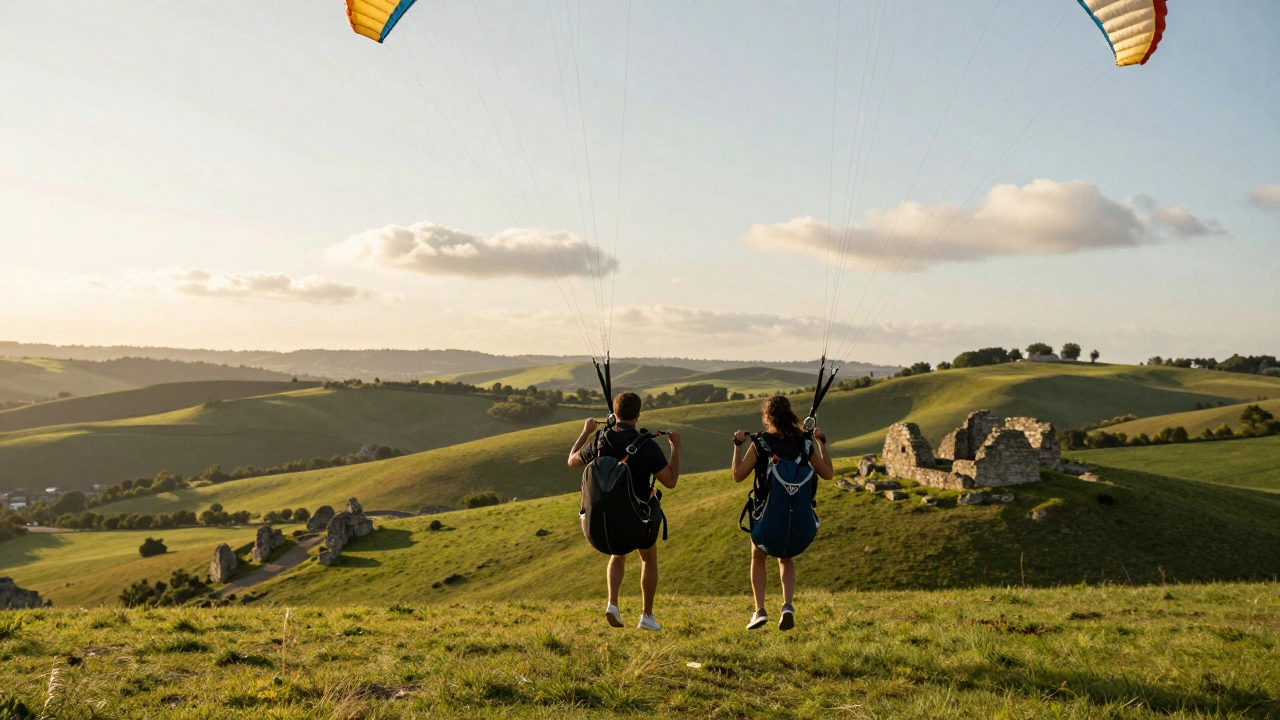
- Air-Based Adventures: Skydiving, paragliding, and hot air ballooning offer perspective shifts that ground-level activities can’t match. A tandem skydive takes less than an hour from booking to landing, yet the freefall remains a highlight for many travelers.
Choosing the right type depends on your comfort level with risk and physical fitness. Don’t worry if you’re not an athlete. Most adventure days are designed for beginners. The guides handle the technical stuff; you just show up and enjoy the ride.
How to Plan Your Perfect Adventure Day
Booking an adventure day requires a bit more strategy than picking a restaurant. Here is a step-by-step approach to ensure your day goes smoothly.
- Assess Your Fitness Level: Be honest with yourself. Can you swim? Do you have knee issues? Most operators list physical requirements clearly. If a activity says "moderate fitness," it usually means you should be able to walk uphill for an hour without stopping.
- Check the Weather Window: Adventure days are weather-dependent. Rain can cancel a zip-line tour; wind can ground a paraglider. Book flexible tickets or choose operators with good refund policies. In regions with monsoon seasons, timing is everything.
- Verify Safety Credentials: Look for certifications. In Europe, look for UIAA accreditation for climbing gear. In the US, check for AMGA certification for mountain guides. Never compromise on safety for a lower price. Ask questions: How old is the equipment? What is the guide-to-guest ratio?
- Pack Smart: Bring layers. Even in summer, high altitudes or water activities can make you cold. Wear secure footwear-no flip-flops for hiking or rafting. Leave valuables behind; you won’t need your jewelry while bungee jumping.
- Book in Advance: Popular slots fill up quickly, especially during peak season. Booking early often secures better prices and preferred time slots, like sunrise hikes for the best light.
One pro tip: If you’re combining an adventure day with other travel plans, schedule it mid-trip. Doing it on your first day might leave you too sore to explore the city afterward. Doing it on your last day risks cancellation due to unexpected weather, ruining your departure plans.
Safety First: Mitigating Risks
Let’s address the elephant in the room: safety. Adventure implies risk, but reputable operators manage that risk meticulously. However, you still play a role in keeping yourself safe.
Always listen to the pre-activity briefing. It’s not boring filler; it’s critical information about hand signals, emergency procedures, and equipment checks. If something feels wrong, speak up. Guides appreciate cautious clients. Also, consider travel insurance that covers adventure sports. Standard policies often exclude activities like skiing, scuba diving, or motorcycling. Read the fine print before you buy.
In Canada, for instance, winter adventure days like ice climbing require specialized gear and knowledge of hypothermia prevention. Operators in Whistler or Jasper are well-equipped, but understanding the basics helps you react calmly if conditions change. Remember, the goal is fun, not injury. Push your limits, but respect them.
Why Adventure Days Are Growing in Popularity
The rise of the adventure day mirrors broader trends in travel. People are moving away from mass tourism toward experiential travel. They want stories to tell, not just photos to post. Social media plays a part here, but the core driver is personal growth. Trying something new builds confidence. Overcoming fear-whether it’s the height of a cliff or the speed of a kayak-leaves a lasting psychological impact.
Additionally, the cost-effectiveness is hard to beat. A multi-day trekking expedition can cost thousands. A single-day guided hike costs a fraction of that. For students, young professionals, or families on a budget, adventure days provide a taste of the wild without breaking the bank. They also serve as excellent icebreakers for groups traveling together. Shared adrenaline creates bonds faster than shared meals.
As remote work becomes more common, "workations" are rising. Professionals spend months in a destination and use adventure days to break up the routine. Instead of sitting in a café all week, they spend Saturday morning rock climbing. It keeps the mind sharp and the body active.
Finding the Right Operator
Not all adventure companies are created equal. With the boom in popularity, some low-quality operators have entered the market. How do you spot the good ones? Reviews are helpful, but look deeper. Check their website for detailed safety protocols. Do they mention maintenance schedules for their gear? Do they have qualified staff profiles?
Local reputation matters. Talk to locals or hotel staff. They often know which companies treat their employees well and prioritize guest safety over squeezing in extra customers. A company that rushes you through a safety check to save ten minutes is a red flag. Quality operators take their time because they value your life more than your money.
Also, consider environmental impact. Responsible adventure tourism minimizes harm to nature. Look for operators who follow "Leave No Trace" principles. They shouldn’t litter, disturb wildlife, or damage trails. Supporting eco-conscious businesses ensures these beautiful locations remain pristine for future adventurers.
Conclusion: Embrace the Thrill
An adventure day is more than just a pastime. It’s a way to reconnect with your senses, challenge your perceptions, and create memories that stick. Whether you’re sliding down a glacier in Iceland or surfing waves in Bali, the intensity of the moment stays with you long after you return home. You don’t need to be an expert to start. You just need curiosity and a willingness to step out of your comfort zone. So, next time you plan a trip, don’t just book flights and hotels. Book an adventure. Your future self will thank you for the story.
What is the average cost of an adventure day?
Costs vary widely by activity and location. Basic activities like guided hiking or cycling may cost $50-$100. High-risk activities like skydiving or scuba diving can range from $150 to $300 or more. Prices usually include equipment and instruction but rarely include transportation to the site.
Are adventure days suitable for beginners?
Yes, most adventure days are designed for beginners. Operators provide comprehensive training and safety gear before you start. Activities like zip-lining, easy rafting, and tandem paragliding require no prior experience. Always check the difficulty rating listed by the provider.
Can I bring my own equipment?
It depends on the operator. Some allow personal gear if it meets safety standards, but most prefer you use theirs to ensure liability coverage and consistency. For specialized items like climbing harnesses or dive tanks, using provided gear is safer and recommended.
What should I wear on an adventure day?
Wear comfortable, moisture-wicking clothing that allows movement. Avoid loose items that can get caught in gear. Secure athletic shoes are essential for land activities. For water activities, swimwear underneath quick-dry clothes is ideal. Bring sunglasses and sunscreen.
Is travel insurance necessary for adventure days?
Highly recommended. Standard travel insurance often excludes adventure sports. Ensure your policy specifically covers the activities you plan to do. This protects you against medical emergencies, cancellations due to weather, or equipment loss.