
Romantic Travel Style Calculator
| Feature | Traditional | Modern |
|---|---|---|
| Planning Time | 3-12 months | 1-7 days |
| Avg. Cost | $2,500-$4,000 | $400-$1,200 |
| Flexibility | Low | High |
| Stress Level | High during planning | Low (spontaneous) |
| Focus | Sightseeing & luxury | Connection & experience |
Your Ideal Travel Style
Loading your personalized recommendation...
Personalized Tips
Remember when booking a romantic getaway felt like planning a military operation? You’d spend weeks comparing flight prices, agonizing over hotel star ratings, and stressing about whether the restaurant had table service. Fast forward to mid-2026, and that anxiety has largely vanished. Instead, we’re seeing a surge in spontaneous, last-minute love trips. But what actually changed? Why have traditional "love holidays" taken a backseat to impulsive weekend escapes?
The shift isn’t just about convenience; it’s a fundamental change in how couples view time, money, and connection. In 2024 and 2025, inflation hit travel costs hard. A standard week-long all-inclusive package that used to cost $2,000 suddenly jumped to $3,500. For many young couples, that price tag was a dealbreaker. So, they stopped planning months ahead. They started looking for deals available *now*.
The Death of the Long-Term Itinerary
Let’s be honest: rigid itineraries kill romance. When you book a trip six months out, you’re locking yourself into a plan that might not fit your life three quarters later. Did you get promoted? Is your family visiting? Are you just tired? The pressure to "make it worth it" because you spent so much money upfront creates stress, not relaxation.
In Toronto, where I live, this trend is visible everywhere. My friends used to plan their anniversary trips to Italy or Greece years in advance. Now? They check apps on Friday night, find a flight to Montreal or New York for Saturday morning, and book a boutique hotel for two nights. It’s cheaper, less stressful, and often more memorable because it feels like an adventure rather than a checklist.
This approach works because airlines and hotels would rather sell a room at 40% off than leave it empty. By shifting from long-term planning to short-term spontaneity, couples are saving money while reducing the mental load of travel preparation.
Why Spontaneity Feels More Romantic
There’s a psychological element here too. Planning takes energy. It involves spreadsheets, email chains, and constant checking of prices. When you remove the planning phase, you free up mental space for anticipation and enjoyment. The excitement comes from the unknown. Will the weather be good? What will we do if it rains? These questions create shared problem-solving moments that strengthen bonds.
Consider the difference between a pre-booked dinner reservation and stumbling upon a hidden gem after walking around a city for an hour. The latter feels earned. It feels personal. In 2026, couples prioritize experiences over status symbols. A perfect sunset watched from a balcony they found themselves beats a mediocre meal at a famous restaurant they booked six months ago.
Also, let’s talk about burnout. After years of remote work and blurred boundaries between home and office, people crave clear breaks. A long vacation requires taking significant time off, which can mean falling behind or dealing with backlog. A two-day escape is easier to justify to employers and easier to recover from. It’s a reset button, not a lifestyle overhaul.
The Role of Technology in Changing Travel Habits
You can’t talk about this shift without mentioning technology. Apps have made last-minute travel not just possible, but preferable. Platforms now aggregate real-time data on flights, trains, and hotels, showing you exactly what’s available and affordable right now.
- Price Alerts: Set alerts for specific destinations and get notified when prices drop.
- Bundle Deals: Many sites now offer flight+hotel bundles that are significantly cheaper than booking separately.
- User Reviews: Instant access to recent reviews helps you make quick decisions with confidence.
In Canada, for example, services like Priceline’s "Express Deals" or Airbnb’s flexible cancellation policies give travelers peace of mind. If plans change, you can cancel without losing everything. This flexibility encourages risk-taking. You don’t need to be 100% sure you’ll want to go next month; you just need to know you can go this weekend.
Furthermore, social media plays a huge role. Seeing a friend post photos from a spontaneous trip to Lisbon triggers FOMO (fear of missing out) in a positive way. It proves that great trips don’t require massive budgets or endless planning. It democratizes romance.
Budgeting for Romance Without Breaking the Bank
One of the biggest myths about love holidays is that they need to be expensive. Candles, champagne, and five-star spas are nice, but they’re not mandatory. The core of a romantic getaway is disconnection from daily stress and reconnection with your partner.
Here’s how smart couples are spending their money in 2026:
- Transportation: Choose direct flights or high-speed trains to minimize transit time. Time together is valuable.
- Accommodation: Look for boutique hotels or private rentals with unique character. A quirky loft in downtown Chicago can be more romantic than a generic chain hotel.
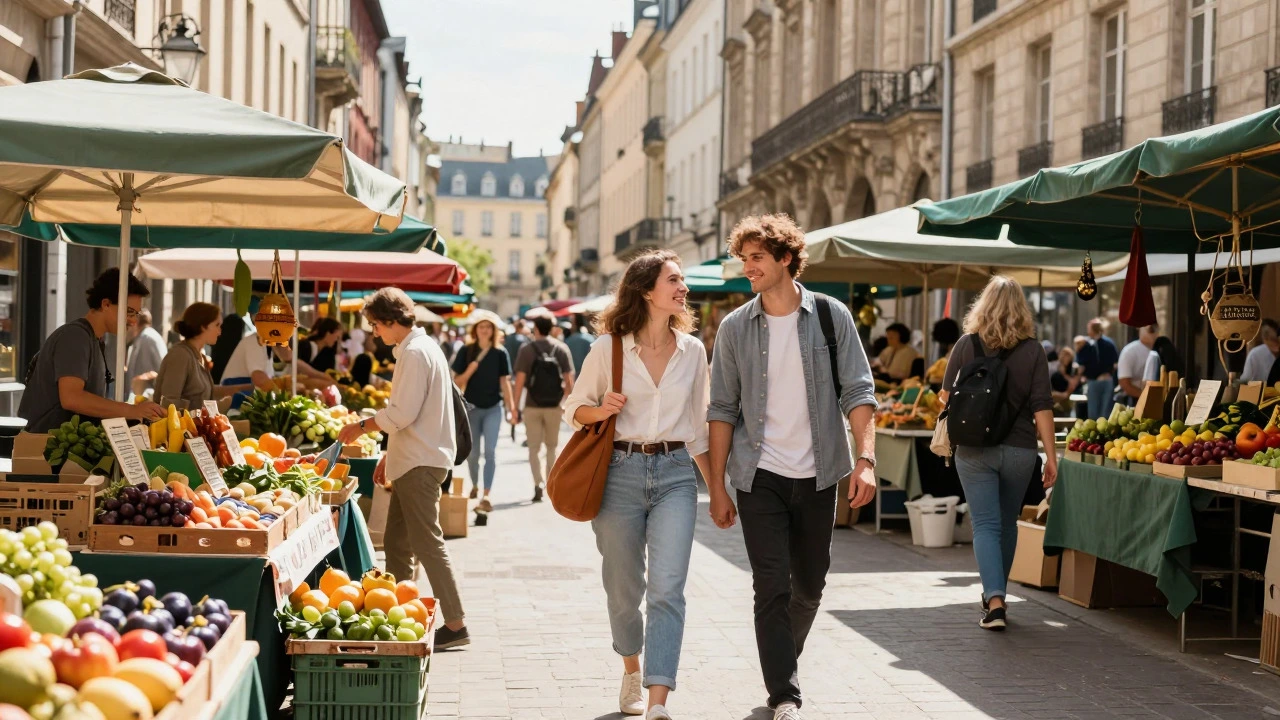
- Activities: Focus on low-cost, high-impact activities. Walking tours, local markets, and scenic hikes cost little but create lasting memories.
A study by Expedia Group in early 2026 showed that 68% of couples under 35 preferred shorter, more frequent trips over one long annual vacation. They cited "mental refreshment" as the primary benefit. This aligns with the broader wellness trend. Travel is no longer just about sightseeing; it’s about self-care and relationship maintenance.
Comparing Traditional vs. Modern Romantic Travel
To understand the shift better, let’s look at how traditional love holidays compare to the new wave of last-minute getaways.
| Feature | Traditional Love Holiday | Last-Minute Getaway |
|---|---|---|
| Planning Time | 3-12 months | 1-7 days |
| Cost Predictability | High (fixed prices) | Variable (dynamic pricing) |
| Flexibility | Low (hard to change/cancel) | High (easy changes) |
| Stress Level | High during planning | Low (spontaneous) |
| Typical Duration | 7-14 days | 2-4 days |
| Focus | Sightseeing & luxury | Connection & experience |
As you can see, the modern approach trades scale for simplicity. You’re not trying to see everything; you’re trying to feel everything. That subtle difference changes everything.

How to Plan Your Own Spontaneous Escape
If you’re ready to ditch the spreadsheet and embrace spontaneity, here’s a simple framework to follow:
- Set a Budget Cap: Decide the maximum amount you’re willing to spend per person. Stick to it. This prevents impulse overspending.
- Pick a Region, Not a City: Instead of targeting Paris, target "Western Europe." Then search for the cheapest flights from your hub. You might end up in Brussels or Lyon, which can be equally magical.
- Check Weather Forecasts: Since you’re going last minute, you can adjust based on current conditions. Rain in London? Head to Edinburgh instead. Sun in Miami? Go for it.
- Book Flexible Options: Always choose refundable or free-cancellation options if available. The small extra cost is insurance against bad vibes.
- Leave Room for Discovery: Don’t book every activity. Leave half your day open for wandering. Some of the best moments happen when you’re lost.
This method removes the paralysis of choice. You’re not deciding between ten amazing options; you’re picking the one that fits your constraints right now. And often, that constraint leads to creativity.
Addressing Common Concerns
I know what you might be thinking: "Isn’t this risky?" Yes, there are risks. Availability can be limited. Prices can spike during peak times. But these risks are manageable.
First, avoid major holidays and school breaks if possible. Mid-week departures are almost always cheaper and less crowded. Second, have backup destinations. If your first choice is fully booked, pivot quickly. Flexibility is your superpower.
Another concern is safety. With last-minute bookings, you have less time to research neighborhoods. Use trusted platforms with verified reviews. Read recent comments specifically mentioning safety and cleanliness. Trust your gut. If a place feels off, keep looking.
Finally, communication is key. Discuss expectations with your partner before you book. Do you want relaxation or adventure? Quiet or nightlife? Aligning on these basics ensures you both enjoy the trip, even if it’s unplanned.
The Future of Romantic Travel
Where is this trend heading? I believe we’ll see even more integration of AI in travel planning. Imagine an app that knows your preferences, checks your calendar, monitors prices, and suggests a perfect weekend getaway automatically. You’d just say "yes" and go.
We’re also seeing a rise in "workation" hybrids. Some couples combine a few days of remote work with a romantic escape. This allows for longer stays without using up all vacation days. As remote work becomes more normalized, this blend will likely become standard.
Ultimately, the decline of traditional love holidays isn’t a loss. It’s an evolution. We’re moving away from performative romance-expensive dinners and photo ops-toward authentic connection. We’re prioritizing presence over prestige. And in a world that’s increasingly chaotic, that’s a beautiful thing.
So, next time you think about planning a big anniversary trip, pause. Ask yourself: do I really need six months to prepare? Or could a sudden drive to a nearby lake town bring us closer? Sometimes, the best love stories start with a whim.
Is it cheaper to book last-minute holidays?
Often, yes. Airlines and hotels frequently discount unsold inventory close to the departure date. However, this depends on demand. During peak seasons or major events, prices may rise. For mid-week, non-holiday travel, last-minute deals are usually very competitive.
What are the best destinations for spontaneous romantic trips from North America?
Cities like Montreal, Quebec City, New Orleans, Charleston, and San Juan offer great flight connectivity and rich cultural experiences. They are close enough for short trips but far enough to feel like a true escape. European cities like Barcelona and Lisbon are also popular for spontaneous fly-outs if you can manage the time zone shift.
How do I ensure a last-minute trip is still romantic?
Focus on the atmosphere rather than the itinerary. Book a room with a view, pack a nice outfit for dinner, and turn off your phones. Romance comes from attention and presence, not just location. Even a simple staycation can be romantic if you create a special environment at home.
Are last-minute holidays good for families?
They can be, but they require more coordination. Families have stricter schedules due to school and work. However, during school holidays, last-minute deals can save significant money. The key is choosing child-friendly destinations with flexible activities.
What if my partner hates uncertainty?
Compromise is essential. You can plan the logistics (transport, accommodation) but leave the activities open. Or, take turns planning. One person handles the details, giving the other the freedom to surprise them with daily choices. This balances structure with spontaneity.