Find Your Perfect Cool-Weather Escape
Your Preferences
Select your preferences to discover which cool-weather state fits your lifestyle.
It’s mid-July, and you’re sweating through your third shirt of the day. The air conditioning is rattling like a dying engine, and the idea of stepping outside feels less like a leisure activity and more like a survival challenge. If this sounds familiar, you aren’t alone. As global temperatures climb, the search for relief isn’t just about finding an ice cube; it’s about finding a place where summer doesn’t feel like a punishment.
You might have heard that Alaska is the only place that stays cool all year round. That’s technically true if you define "cool" as "below freezing for half the year." But what if you want four distinct seasons? What if you want crisp mornings, mild afternoons, and evenings where you actually need a light jacket? The truth is, no single U.S. state stays perfectly cool 365 days a year without dipping into winter chill or occasional summer warmth. However, several states offer a consistently temperate climate that avoids the oppressive humidity and scorching highs of the South and Midwest.
The Pacific Northwest: Nature’s Air Conditioning
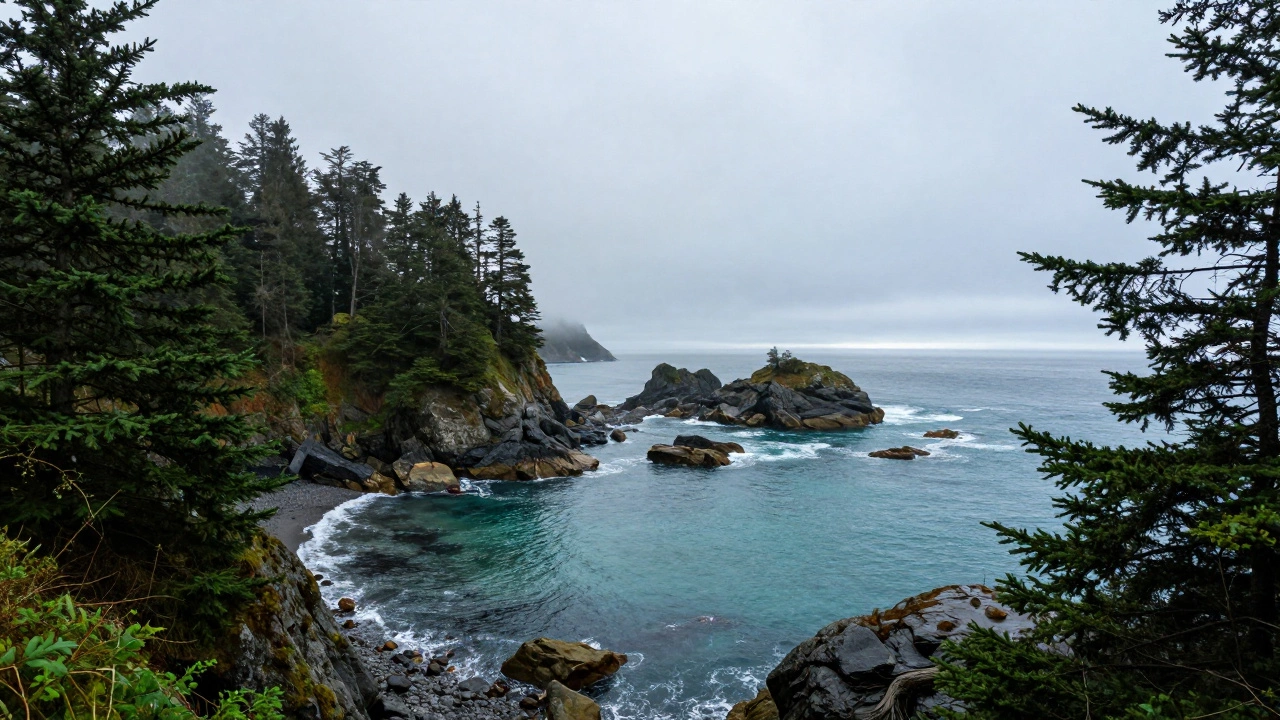
If you are looking for the gold standard of mild climates, look north. Washington State is known for its maritime climate, characterized by mild summers and wet, cool winters. Cities like Seattle and Portland (just across the border in Oregon) rarely see temperatures break 80°F (27°C) in July. Instead, you get comfortable highs in the low 70s, often with a breeze coming off the Puget Sound or the Columbia River.
The secret here is the ocean. The Pacific Ocean acts as a massive heat sink, keeping coastal areas from overheating. Inland areas, like Spokane, do get warmer, but they also drop significantly in winter. For a weekend getaway, the Olympic Peninsula offers lush rainforests and rugged coastlines where the fog keeps things brisk even on sunny days. It’s not "cold" in the way Chicago gets in January, but it is refreshingly cool compared to Phoenix or Atlanta.
Oregon follows a similar pattern. The Willamette Valley provides wine country charm without the sweat. You can hike Mount Hood in July and still need a fleece at the summit. This region is ideal for travelers who hate humidity. Dry cool is infinitely more pleasant than muggy cool.
The Mountain West: High Altitude, Low Temperatures
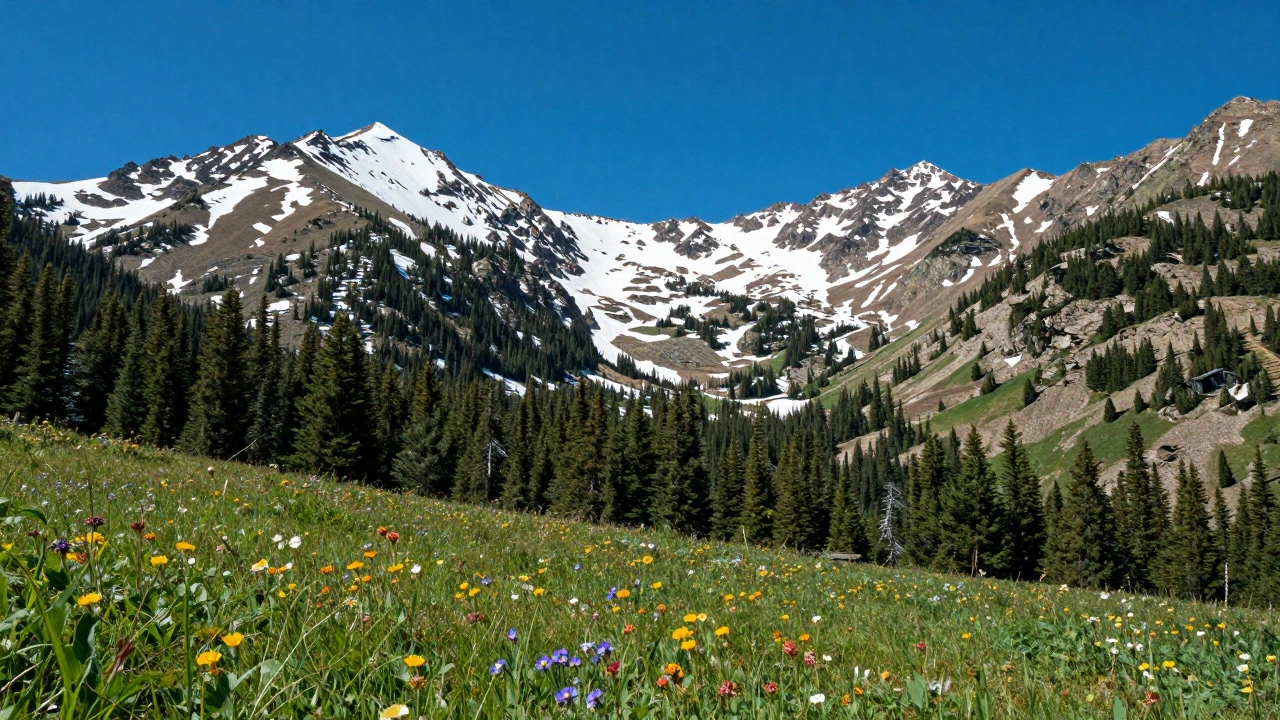
If you prefer dry air over marine breezes, head to the Rockies. Colorado is a high-altitude state where elevation naturally lowers temperatures year-round. Denver, known as the Mile-High City, averages around 5,280 feet above sea level. Temperature drops roughly 3.5°F for every 1,000 feet of elevation gain. So, while Miami bakes at 90°F, Denver might be sitting comfortably at 75°F with 300 days of sunshine.
But Colorado isn’t just about Denver. Look at towns like Crested Butte or Aspen. Even in August, nights dip into the 40s. During the day, you might hit 70°F, which feels like spring. The trade-off? Winter is real. Snow falls early and stays late. If your goal is to avoid heat, Colorado delivers. If your goal is to avoid snow, stick to the lower elevations or move west.
Montana takes this further. Billings and Missoula enjoy long, warm-but-not-hot summers. The days are bright and clear, perfect for outdoor activities, but the lack of humidity means the sun doesn’t feel oppressive. At night, the temperature plummets. It’s a dramatic shift, but it’s a welcome one when you’re trying to sleep.
The Northern Tier: Lakes and Pine Trees
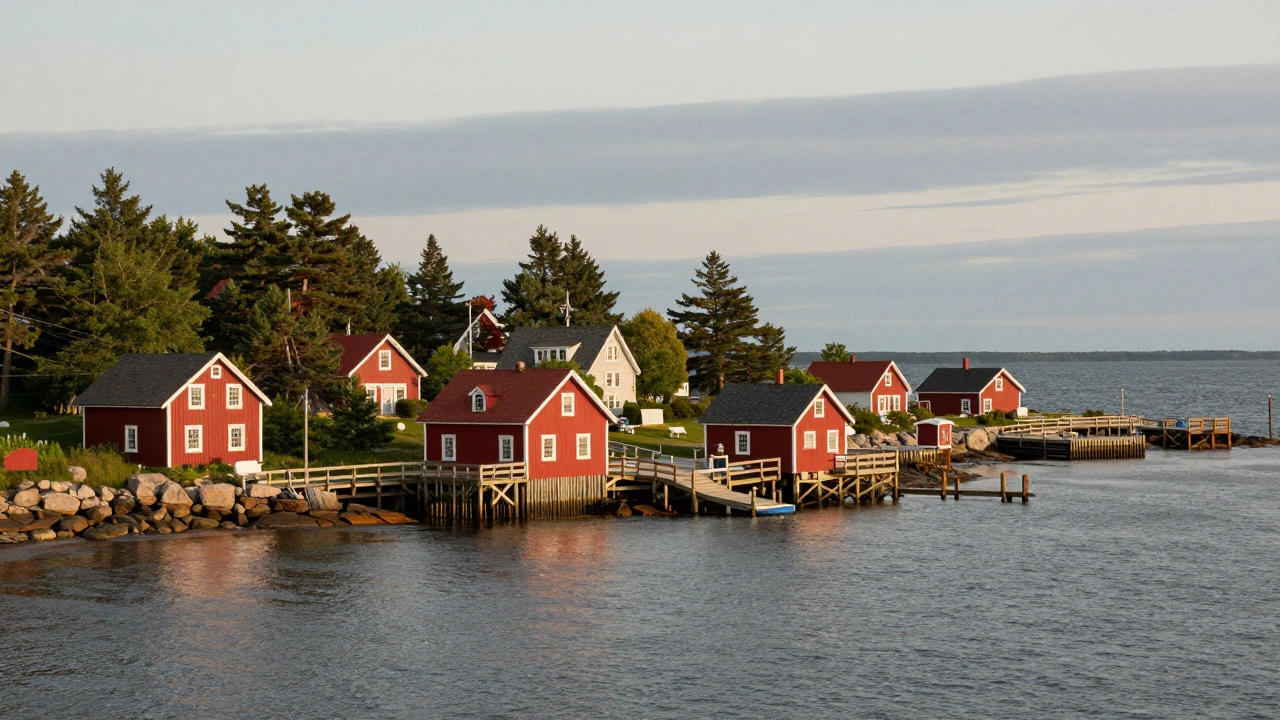
Sometimes, the best cooling system is a large body of water. Maine is the northeasternmost state, offering cool ocean breezes and dense forests. While inland Maine can get warm in July, the coast-places like Bar Harbor and Camden-stays remarkably fresh. The Gulf Stream influences the Atlantic here, bringing cooler waters that moderate the air temperature.
Michigan is another contender, specifically the Upper Peninsula (UP). The UP is separated from the Lower Peninsula by the Straits of Mackinac. It’s colder, windier, and greener. Escanaba and Marquette stay cool thanks to Lake Superior, the largest freshwater lake in the world by surface area. Large lakes absorb heat slowly, so while land heats up quickly, the lake remains cold, creating a natural breeze that keeps coastal towns comfortable well into September.
New York’s Adirondack Mountains offer a similar respite. Albany and Buffalo can get humid, but head north to Lake Placid or Saranac Lake, and the temperature drops. It’s a classic American escape: swap the city grid for pine trees and rocky trails.
Comparing the Cool: Which State Fits Your Lifestyle?
Not all cool weather is created equal. Some states are cool because they are rainy. Others are cool because they are high. And some are cool because they are far north. Here is how they stack up against each other.
| State | Average Summer High (July) | Humidity Level | Winter Severity | Best For |
|---|---|---|---|---|
| Washington | 70-75°F | Moderate | Mild (Rainy) | Rain lovers, coffee culture |
| Colorado | 75-80°F | Low | Harsh (Snowy) | Sunshine seekers, skiers |
| Maine | 70-75°F | Moderate | Cold (Icy) | Coastal vibes, lobster rolls |
| Montana | 75-80°F | Very Low | Harsh (Snowy) | Wilderness, solitude |
| Oregon | 70-75°F | Moderate | Mild (Wet) | Hiking, craft beer |
The Hidden Cost of Cool Weather
Before you pack your bags for a permanent move or a month-long stay, consider the downsides. Cool weather often comes with a price tag, both financial and emotional.
First, there is the "gray factor." Washington and Oregon are famous for their rain. From October to April, it rains almost every day. Not necessarily heavy downpours, but a persistent drizzle that can affect your mood if you’re not used to it. Seasonal Affective Disorder (SAD) is a real concern in these regions. You’ll need good lighting and a strong vitamin D regimen.
Second, cost of living. Places like Bend, Oregon, or Asheville, North Carolina (which is cool due to elevation), have become hotspots for remote workers fleeing hotter cities. This influx has driven up housing prices. You might save on air conditioning bills, but you’ll pay more for rent.
Third, winter reality. If you choose Colorado or Montana, you must embrace snow. Shoveling driveways, dealing with icy roads, and bundling up for six months of the year is part of the deal. There is no such thing as a "mild" winter in the Rockies.
Planning Your Cool-Weather Getaway
If you’re planning a trip rather than a move, timing is everything. The sweet spot for cool weather travel is late spring (May) and early fall (September/October). In these windows, you avoid peak summer tourists and get the most comfortable temperatures.
- Pack layers: Even in July, a t-shirt might not cut it in the evening in the mountains. Bring a light jacket, a sweater, and waterproof shoes.
- Check microclimates: California is huge. Los Angeles is hot; Tahoe is cool. Always check the specific town, not just the state.
- Embrace indoor activities: Cool weather states often have great museums, breweries, and cafes. Don’t assume you’ll be hiking 12 hours a day.
Ultimately, the "coolest" state depends on what you value. Do you prefer dry air or ocean mist? Are you willing to trade sunshine for lower temperatures? By understanding these nuances, you can find the perfect escape from the heat without ending up shivering in a storm.
Is there any state that never gets hot?
Alaska is the only state that rarely experiences traditional "hot" weather. Most of Alaska stays below 80°F even in summer. However, parts of southern Alaska can reach the upper 70s or low 80s during peak summer months. For the rest of the contiguous US, no state stays cool 365 days a year without significant seasonal variation.
Which state has the mildest climate year-round?
San Diego, California, is often cited as having the most stable and mild climate, with average temperatures ranging from the 60s to 70s throughout the year. However, it does experience periods of heat, especially in inland areas. For consistent coolness without extreme cold, the Pacific Northwest (Washington and Oregon) is a top choice.
Is Oregon colder than Washington?
Generally, Washington is slightly cooler than Oregon, particularly in the northern parts. Both states share a similar maritime climate along the coast. Eastern Oregon and Eastern Washington are drier and experience more extreme temperature swings, with hotter summers and colder winters than their western counterparts.
Where should I go for a weekend getaway to escape the heat?
For a quick escape, consider destinations like the Blue Ridge Mountains in North Carolina, the Adirondacks in New York, or the Olympic Peninsula in Washington. These areas offer significant temperature drops compared to major cities and provide easy access to nature and outdoor activities.
Does elevation really make a difference in temperature?
Yes, elevation plays a crucial role. Temperature typically decreases by about 3.5°F for every 1,000 feet of altitude gain. This is why mountain towns like Denver, Colorado (5,280 ft) or Flagstaff, Arizona (7,000 ft) remain much cooler than nearby low-lying desert areas.