Budget Travel Trip Estimator
Estimated Total Trip Cost
Forget the idea that traveling across the United States requires a trust fund. While cities like New York and San Francisco have become notoriously expensive, there are still corners of America where your dollar stretches further than ever before. If you are looking for last minute holidays or just planning a spontaneous road trip, knowing where to go can save you hundreds of dollars on accommodation, food, and activities.
The secret isn't just about finding cheap flights; it's about choosing destinations with a low cost of living, free natural attractions, and affordable local culture. In 2026, inflation has stabilized in many rural areas, making these spots even more attractive for budget-conscious travelers. Let’s look at the actual numbers and real-world scenarios to help you pick the best value destination for your next adventure.
Why Rural America Is the Best Bet for Budget Travelers
When we talk about the cheapest places to visit, we usually mean areas outside major metropolitan hubs. The cost of living index is the primary driver here. Cities with high housing costs inevitably push up prices for hotels, restaurants, and services. Conversely, towns in the Midwest, South, and parts of the Mountain West offer significantly lower overheads for businesses, which translates to cheaper prices for tourists.
Consider this: a hotel room in downtown Chicago might cost $180 per night, while a comparable motel in a small town in Kansas could be $55. That’s not just a difference in luxury; it’s a difference in economic structure. By targeting regions with lower median incomes but high tourism appeal, you unlock access to authentic experiences without the premium price tag.
| Region | Budget Hotel/Night | Meal Cost | Attraction Entry |
|---|---|---|---|
| Major Metros (NYC, SF) | $150 - $300+ | $25 - $50 | $20 - $40 |
| Midwest/South Small Towns | $40 - $70 | $10 - $15 | $0 - $10 |
| National Park Gateways | $60 - $90 | $12 - $18 | $35 (Park Pass) |
Kansas City, Missouri: The Underrated Foodie Capital
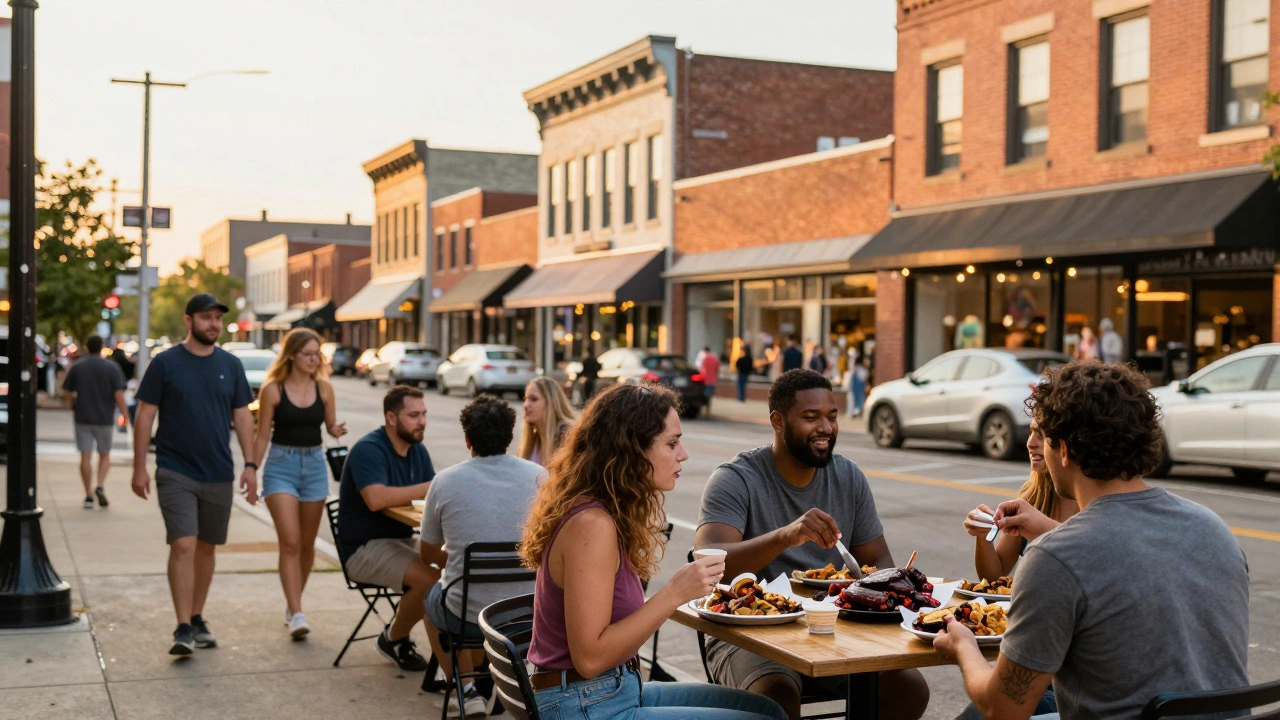
If you want city amenities without the city prices, Kansas City is a vibrant Midwestern hub known for its barbecue, jazz heritage, and affordable urban living. It consistently ranks as one of the most cost-effective cities in the US. You can find boutique hotels for under $80 a night, and the food scene is legendary yet inexpensive.
Here’s why it works for a budget trip: BBQ joints serve massive platters for $15-20 that easily feed two people. The Nelson-Atkins Museum of Art is completely free to enter year-round, which is rare for world-class institutions. You can spend a day exploring the Crossroads Arts District, watching street performers, and eating at hole-in-the-wall diners where breakfast burritos cost $6. It’s a place where culture doesn’t come with a cover charge.
- Accommodation: Look for stays in the Westport district for walkability and lower rates.
- Food Tip: Skip the tourist traps on Main Street and head to local BBQ spots like Arthur Bryant’s or Gates Bar-B-Q for authentic, cheap eats.
- Free Activity: Walk along the Blue River Trail or explore the free galleries in the Power & Light District.
Albuquerque, New Mexico: Sun, Sandia Peaks, and Savings
Albuquerque is the largest city in New Mexico, offering unique southwestern culture, desert landscapes, and some of the lowest living costs in the Southwest. Unlike Phoenix or Las Vegas, which have seen price surges due to climate migration, Albuquerque remains surprisingly affordable. The weather is mild for much of the year, making it a great spot for outdoor enthusiasts who don’t want to pay premium resort fees.
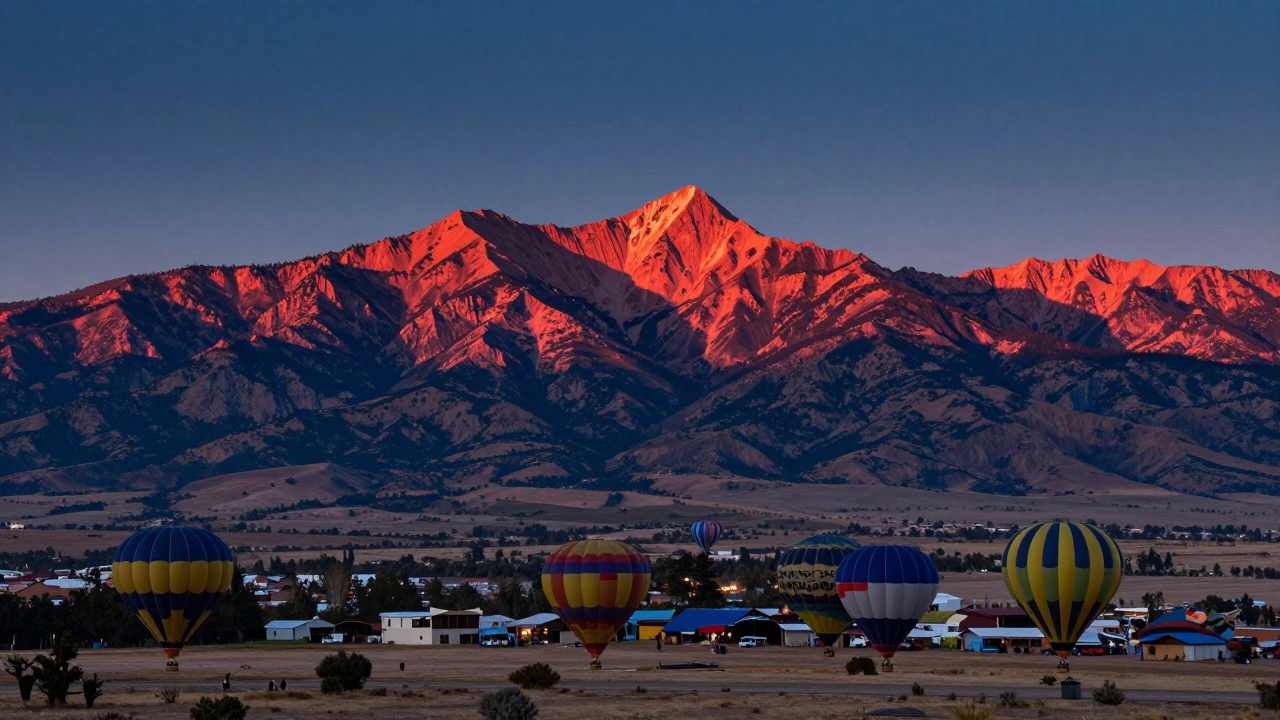
The Sandia Peak Tramway offers stunning views of the Rio Grande Valley, and while the tram ride costs around $30, hiking up the trails nearby is free. The Old Town neighborhood is filled with adobe architecture, artisan shops, and cafes where you can grab a gourmet coffee and pastry for under $8. Plus, if you time your visit right, you might catch the International Balloon Fiesta (usually October), where watching hundreds of balloons launch from the ground is free.
For last-minute travelers, Albuquerque often has excess flight capacity because it’s not a primary business hub, leading to cheaper airfare compared to larger hubs. Combine that with motels charging $50-$60 for clean, comfortable rooms, and you have a highly efficient vacation budget.
State College, Pennsylvania: More Than Just Football
You might think of State College as the home of Penn State University, but it’s also a gateway to central Pennsylvania’s natural beauty and affordable college-town charm. While game days drive prices up, the rest of the year sees significant drops in hotel rates. It’s a safe, walkable town with a youthful energy.
The real value here is proximity to nature. You are just an hour away from Rocky Hill Reservation and other state parks that charge minimal entry fees. The town itself has a thriving brewery scene, but unlike craft beer hotspots in California or Colorado, pints here average $7-9. Dining options range from cheap student-friendly eateries to higher-end bistros that still keep prices reasonable due to the local economy.
If you’re driving, this area serves as a perfect base for exploring the Appalachian Trail sections in Pennsylvania. Camping permits are cheap, and the lack of traffic makes for a relaxing road trip experience. It’s a quiet, scenic alternative to the crowded Northeast coast.
Tucson, Arizona: Desert Living on a Shoestring
Tucson is a historic Sonoran Desert city known for its Spanish colonial architecture, astronomical research, and significantly lower costs than its neighbor, Phoenix. It’s a UNESCO City of Gastronomy, which sounds fancy, but it actually means you can eat incredible food for very little money. Mexican cuisine is deeply integrated into the local diet, so tacos and burritos are everyday meals, not tourist luxuries.
Average meal costs in Tucson are among the lowest in the country. You can find a high-quality dinner for $12-15. Accommodation is also affordable, with many mid-range hotels offering rates under $70. The Saguaro National Park is split into two districts, both requiring only a standard national park pass ($35 per vehicle, valid for 7 days). This gives you unlimited access to hiking trails with breathtaking cactus-filled vistas.
For those interested in history, the Tubac Presidio State Historic Park offers guided tours for a small fee, providing insight into the region’s frontier past. It’s a destination that rewards slow travel-spending a week here costs less than a weekend in Denver.
How to Find Last-Minute Deals in These Cheap Destinations
Finding the cheapest place is step one; booking it smartly is step two. For last-minute holidays, flexibility is your biggest asset. Here are practical strategies to maximize savings in these budget-friendly locations:
- Use Flight Search Tools Aggressively: Use tools like Google Flights’ “Explore” feature. Enter your departure city and leave the destination blank, setting the price filter to your budget. Often, flights to secondary airports (like Albuquerque instead of Phoenix) are drastically cheaper.
- Book Hotels Directly: Many smaller motels and independent hotels in these towns don’t list on all major OTAs (Online Travel Agencies). Calling them directly can sometimes yield a better rate, especially if you mention you’re booking for same-day or next-day check-in.
- Leverage Local Apps: In cities like Kansas City and Tucson, local apps and social media groups often post flash sales for dining and entertainment. Following local tourism boards on Instagram can reveal limited-time discounts.
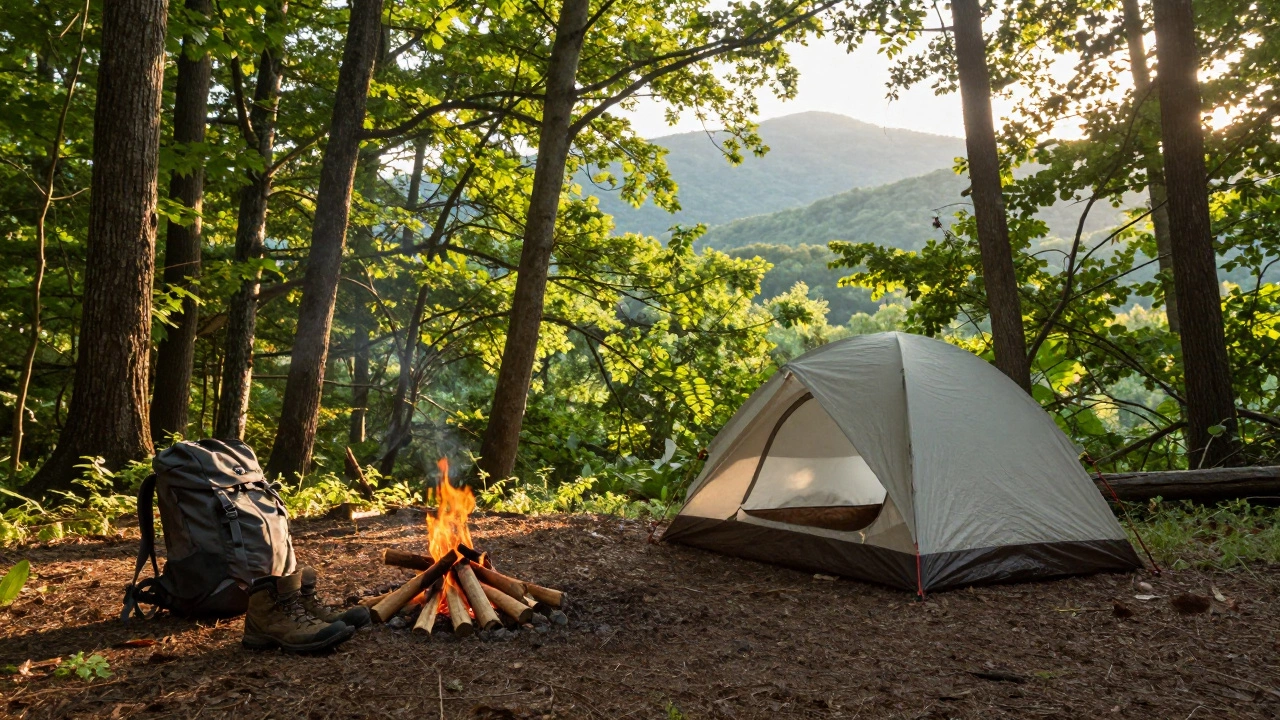
- Camp Instead of Hotel: Even if you aren’t a hardcore camper, renting a basic tent and sleeping bag for a weekend in a state park near these cities can cut accommodation costs by 80%. State parks are generally cheaper and less crowded than national parks.
Pitfalls to Avoid When Traveling on a Budget
Even in cheap destinations, costs can creep up. Be wary of “tourist tax” zones in historic districts, which may add 10-15% to your hotel bill. Also, avoid eating within walking distance of major attractions; prices spike artificially. Walk three blocks away, and you’ll find local spots with better food and lower prices.
Another common mistake is overestimating transportation costs. In places like Albuquerque and Tucson, public transit is limited. Renting a car is essential, but compare rental agencies. Local independent rentals are often cheaper than big brands. Finally, don’t forget to pack water bottles. Buying drinks in national parks or remote areas can cost $5+ per bottle, adding up quickly.
What is the absolute cheapest city to visit in the US?
While rankings vary, cities like Lincoln, Nebraska, Huntsville, Alabama, and Albuquerque, New Mexico consistently rank as the most affordable. They offer low accommodation costs, cheap dining, and free or low-cost attractions. However, accessibility via cheap flights should also be considered when determining the true "cheapest" option for you.
Can I find good last-minute holiday deals in rural America?
Yes, often better than in major cities. Smaller towns have fewer large-scale events driving demand spikes. Hotels and motels in places like State College or Kansas City often discount unsold rooms heavily on weekdays. Booking platforms with "last minute" filters work well for these markets.
Is it cheaper to rent a car or use public transport in these budget destinations?
In most of the recommended budget destinations (Albuquerque, Tucson, State College), public transport is limited or non-existent for tourists. Renting a car is almost always necessary and cost-effective, especially if splitting costs with travel companions. Expect to pay $30-$50/day for a basic compact car from local agencies.
What time of year is best for cheap travel in the US?
Shoulder seasons (spring and fall) generally offer the best balance of weather and price. Summer is peak season for National Parks and family travel, driving up prices. Winter can be cheap in many areas, except for ski resorts. For cities like Kansas City and Albuquerque, late spring (April-May) and early fall (September-October) provide mild weather and lower rates.
Are there hidden costs in "cheap" destinations?
Yes, watch out for resort fees (even in budget hotels), parking fees in city centers, and surge pricing for rideshares. Always check the final price breakdown before booking. Additionally, gas prices can vary significantly by state, so factor fuel costs into your road trip budget.