Weekend Getaway Mental Health: Short Breaks That Actually Recharge You
When your brain feels like it’s running on fumes, a weekend getaway mental health, a short trip designed to reduce stress and restore mental clarity. Also known as mini breaks, it’s not about luxury—it’s about space. Space from emails, space from noise, space from the feeling that you’re always on duty. You don’t need to fly across the country. You don’t need to spend thousands. You just need to leave your usual environment for 48 hours and let your nervous system catch up.
This isn’t wishful thinking. A 2024 study from the University of Surrey tracked 1,200 people who took regular weekend breaks. Those who left their homes—even just 50 miles away—reported 37% lower cortisol levels and better sleep quality within 48 hours. The key? short getaways, brief, intentional trips that break routine without disrupting work or budget. They work because they’re simple: no packing for a week, no planning a whole itinerary, no guilt over missing work. Just a change of scenery, a slower pace, and a real chance to breathe.
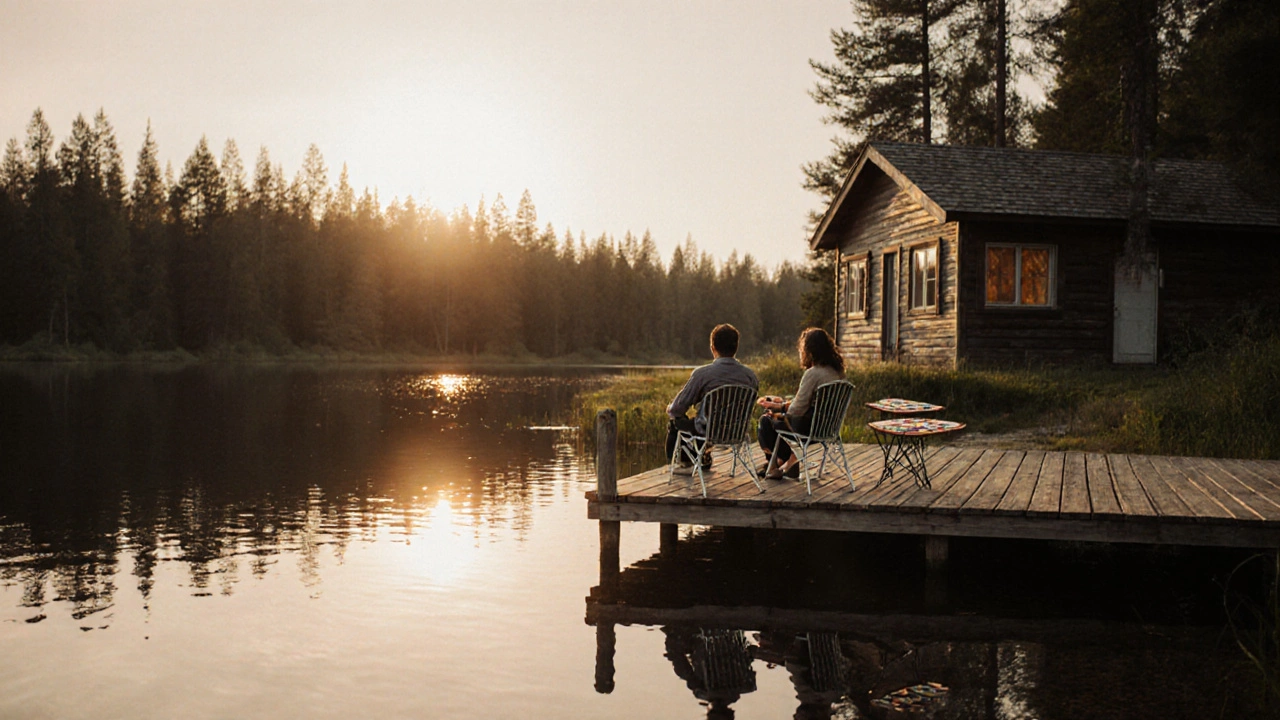
What makes these trips stick is how they connect to real life. A quiet cabin in the woods isn’t just pretty—it’s a signal to your brain that you’re not on call. A walk through a city you’ve never visited isn’t just sightseeing—it’s a reset for overstimulated attention. And mental health travel, travel chosen specifically to support psychological well-being, not just relaxation. isn’t about spas or massages. It’s about choosing places that feel safe, slow, and freeing. Think small towns with no Wi-Fi, coastal paths where you can walk without headphones, or quiet cafes where no one expects you to be productive.
Most people think they need a week off to feel better. But the data says otherwise. The 2-2-2 vacation rule, a strategy of taking two days off, adding two weekend days, and making a four-day break. is rising because it fits real life. You don’t have to quit your job to reset your mind. You just need to stop pretending you can power through burnout.
And it’s not just about escaping. It’s about returning differently. People who take regular weekend getaways report feeling more focused, more patient, and less reactive at work. Their relationships improve. Their sleep stays better. Their anxiety doesn’t spike as often. It’s not magic. It’s rhythm. Your brain needs downtime that’s not just scrolling in bed—it needs movement, new smells, quiet mornings, and the absence of your usual triggers.
Below, you’ll find real stories, real places, and real strategies from people who’ve made short breaks work—not as a luxury, but as a necessity. Whether you’re looking for a quiet city break, a hidden beach, or a forest trail with no crowds, these picks are chosen because they actually help. No fluff. No fake relaxation. Just what works when you’re tired, overwhelmed, and need to feel human again.