How to Get a Refund from loveholidays - Step‑by‑Step Guide
Learn how to claim a loveholidays refund, when you're eligible, and alternative routes like chargebacks or insurance. Step‑by‑step guide with tips and FAQ.
When dealing with travel refund, the process of reclaiming money paid for a trip that didn’t happen or was significantly changed, you’re actually navigating a mix of contracts, laws and provider policies. Also called a trip reimbursement, a travel refund kicks in whenever a booking is cancelled, delayed or altered beyond the agreed terms. Understanding the core elements saves time and avoids frustration.
One major driver of a refund is a airline cancellation, when a flight is called off by the carrier or cannot operate as scheduled. In that scenario the airline either rebooks you on another flight or offers a cash repayment. The rule here is simple: if the carrier cancels, you’re entitled to a full refund unless you voluntarily accept an alternate itinerary. Knowing this relationship helps you argue your case without unnecessary back‑and‑forth.
Another key piece is holiday insurance, a policy that covers unexpected events like illness, weather disruptions or travel bans. Insurance can either pay you directly or reimburse the travel provider, which then triggers the refund. The link between insurance and refunds is crucial – without proof of coverage, many providers will reject your claim. Always check the policy wording before you travel.
Consumer rights form the legal backbone of any refund claim. In the UK and EU, regulations such as the Package Travel Regulations and the EU261 rule protect travellers against unfair cancellations and force providers to honour refunds. These rights empower you to demand compensation without having to negotiate endlessly. When you cite the specific regulation, the provider is more likely to act quickly.
The policies of the booking platform or travel agency also shape the refund outcome. booking provider policies, the terms and conditions set by the site or agency where you purchased the trip dictate the notice period, fees and documentation required. Some platforms offer flexible refunds, while others are stricter. Knowing the provider’s stance lets you tailor your request and avoid surprise penalties.
To claim a refund, follow these steps: first, gather proof of purchase, cancellation notice and any insurance documents. Second, contact the provider using their official channel and reference the relevant consumer right or airline regulation. Third, keep a record of all communications – dates, names and reference numbers. Fourth, if the provider stalls, escalate to a dispute service or the national consumer authority. This systematic approach reduces stress and speeds up the payout.
Common pitfalls include waiting too long to file, ignoring the fine print, or accepting a travel voucher when cash is required. Also, failing to submit the claim in the provider’s specified format can lead to delays. By staying organized and insisting on a cash refund when entitled, you sidestep these traps and protect your budget.
Below you’ll find a curated collection of articles that break down each of these aspects in detail, from airline‑specific refund rules to tips for leveraging holiday insurance effectively. Dive in to arm yourself with the knowledge you need to get every penny you’re owed.
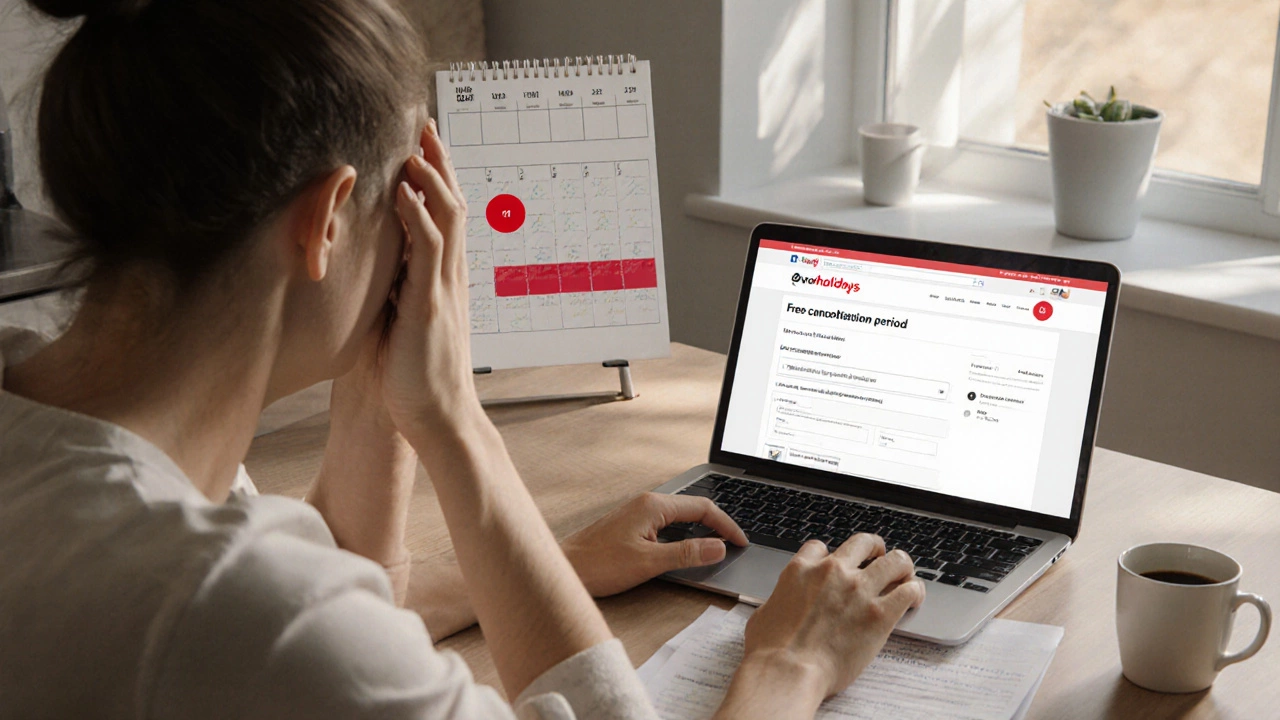
Learn how to claim a loveholidays refund, when you're eligible, and alternative routes like chargebacks or insurance. Step‑by‑step guide with tips and FAQ.