Mental Health Travel Tips: How Trips Can Reset Your Mind and Reduce Stress
When you think of mental health travel tips, practical strategies for using travel to support emotional well-being. Also known as travel for mental health, it’s not about luxury resorts or Instagrammable sunsets—it’s about choosing trips that actually help you breathe again. Too many people think they need a two-week beach vacation to feel better. But the truth? A quiet weekend in a small town, a solo walk through a forest, or even a day trip to a quiet lake can do more for your mind than a packed all-inclusive resort.
stress relief travel, travel designed to lower cortisol, reduce overthinking, and restore calm. Also known as mindful travel, it’s about slowing down, not ticking off sights. This isn’t just feel-good advice. A 2023 study from the University of Surrey found that people who took short, intentional trips—just two to three days—reported lower anxiety levels for up to six weeks afterward. The key? Leaving your phone behind, avoiding packed itineraries, and picking places where you can be alone with your thoughts. That’s why weekend getaways are exploding. Not because they’re trendy, but because they work.
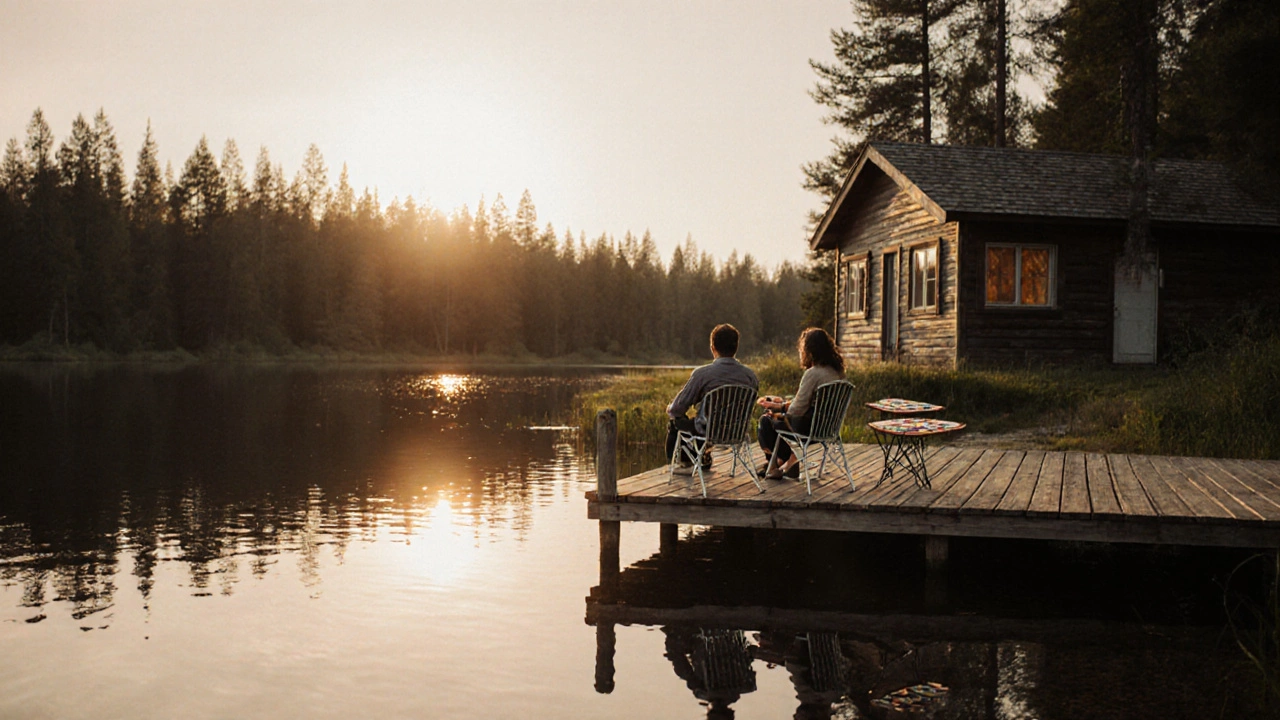
getaway for anxiety, a travel choice made specifically to reduce racing thoughts and emotional overload. It doesn’t have to be far. Think: a cabin by a lake, a quiet coastal town, or even a nearby national park. The goal isn’t to escape your life—it’s to step out of your usual mental loop. That’s why the posts below cover everything from the quiet side of Myrtle Beach to hidden city breaks in Eastern Europe. These aren’t just destinations—they’re mental reset buttons.
You’ll find real advice here: how to pick a trip that doesn’t leave you more drained than when you left, why tipping at resorts matters more than you think, and how the 2-2-2 vacation rule can turn two days off into a real mental break. No fluff. No fake promises. Just what actually helps when your mind feels heavy.