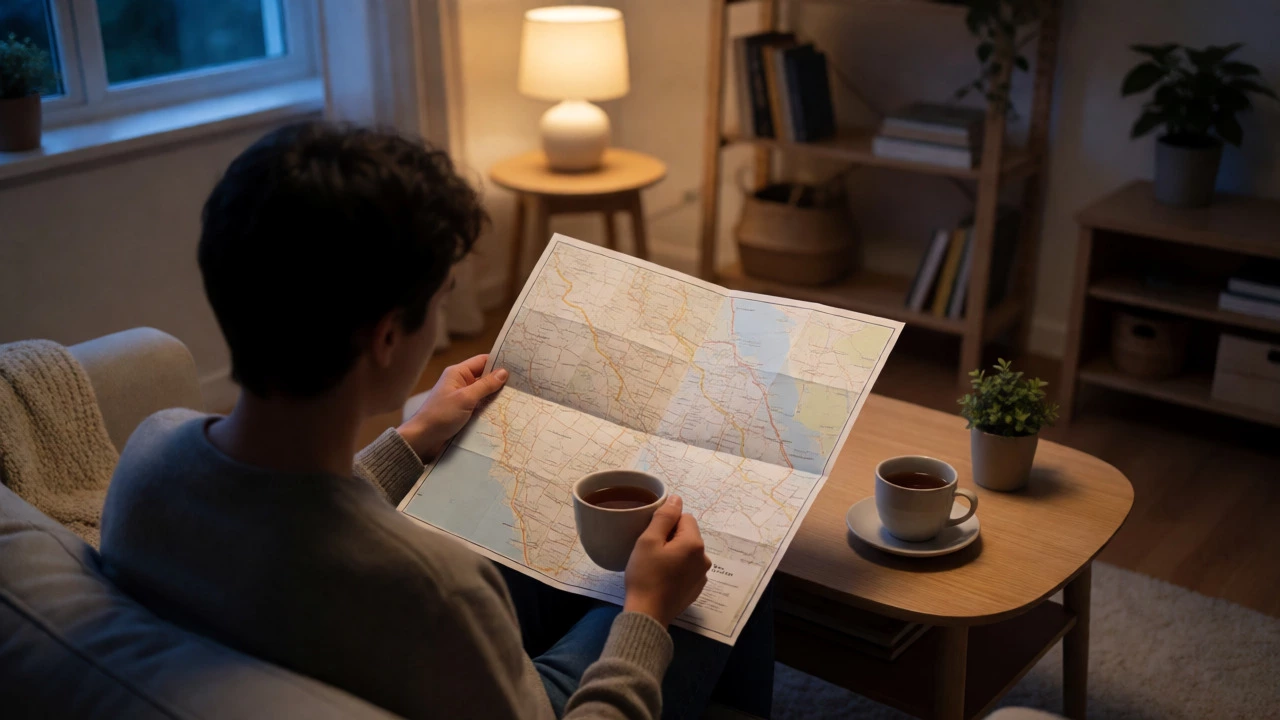
Perfect Weekend Planner
You just got that long weekend. Three whole days off work. It sounds like paradise until you stare at the calendar and realize three days isn't actually that long if you spend four hours driving there and four hours driving back. The math is brutal. But here’s the good news: a 3-day weekend is the sweet spot for travel. It’s long enough to disconnect but short enough that you don’t need a mortgage payment to fund it.
The problem isn’t the time; it’s the decision fatigue. Do you go hiking? Stay home? Fly somewhere? If you pick wrong, you’ll come back more exhausted than before you left. You want memories, not regrets. So, let’s break down how to actually enjoy these 72 hours without burning out your wallet or your sanity.
The Golden Rule of Short Trips
Before you book anything, understand this: distance kills short trips. For a three-day window, your total travel time should never exceed six hours round-trip. That means you have a two-hour radius from your front door if you’re driving, or a very tight flight schedule if you’re flying. Why? Because spending half your Saturday in traffic ruins the vibe.
Think about it logically. If you leave Friday night, you arrive late. You sleep. Saturday is your only full day. Sunday you pack up and drive home. If you try to fly to Europe for a 3-day weekend, you’ll spend $1,500 on tickets to see an airport lounge. Stick to regional destinations. Look at maps, not flights. Find the places within a comfortable drive or a quick train ride.
Option 1: The Urban Escape (City Breaks)
If you live in a quiet suburb, the city feels like an adventure. If you live in a big city, a smaller nearby town feels like a retreat. This contrast is key. Let’s say you’re in Toronto. Instead of trying to conquer the whole province, look at Hamilton or Niagara-on-the-Lake. They are close, distinct, and packed with things to do.
City breaks work best when you narrow your focus. Don’t try to see everything. Pick one neighborhood. Walk it. Eat at three specific restaurants you researched beforehand. Visit one major museum or attraction. Then wander. The goal isn’t a checklist; it’s immersion. You want to feel like a local for 48 hours, not a tourist rushing between landmarks.
- Friday Night: Arrive, check-in, grab dinner near your accommodation. No sightseeing. Just relax.
- Saturday: The main event. One major activity (museum, hike, show) plus exploring a new district.
- Sunday Morning: Brunch and a slow walk. Pack up by noon.
- Sunday Afternoon: Drive home. You’ll be back in time to reset for Monday.
Option 2: Nature Reset (Adventure Travel)
Sometimes you don’t want culture; you want silence. Nature resets are perfect for 3-day weekends because they require zero itinerary planning. You just show up and breathe. This is ideal if your week was high-stress or screen-heavy.
Look for state parks, provincial parks, or coastal trails. The beauty here is simplicity. You don’t need reservations unless you’re camping. Even better, bring minimal gear. A cooler with snacks, a change of clothes, and a camera. Leave the laptop at home. Seriously, leave it. Checking email on a mountain trail defeats the purpose.
| Factor | Nature Reset | Urban Exploration |
|---|---|---|
| Cost | Low (gas + food) | Medium (hotels + dining) |
| Planning Needed | Minimal | Moderate (reservations) |
| Energy Level After | High (rested) | Variable (can be tiring) |
| Best For | Burnout recovery | Creativity & socializing |

Option 3: The "Staycation" Upgrade
Don’t dismiss staying home. A staycation fails when you treat it like a regular weekend. To make it count, you must pretend you’re a tourist in your own city. Book a hotel in your own neighborhood for one night. Change your environment. Sleep in different sheets. Order room service instead of cooking.
This trick works because it breaks your routine. Your brain associates home with chores and work stress. When you remove yourself physically, even by ten miles, your mind switches modes. Use this time to visit the museums you’ve been ignoring or eat at that restaurant you’ve driven past a hundred times. It costs less than traveling, but it delivers the same psychological break.
Packing Light: The 2-Bag Rule
Nothing slows down a short trip like unpacking a suitcase. For a 3-day weekend, use the 2-bag rule: one backpack or small duffel, and one personal item. That’s it. If you can’t fit it in those two bags, you’re overpacking.
Here’s what goes in:
- Tops: Two shirts (one worn, one clean).
- Bottoms: One pair of pants/shorts (wear the other pair).
- Underwear/Socks: Three sets (one extra just in case).
- Toiletries: Travel sizes only. Buy them if you forget.
- Tech: Phone charger, headphones, maybe a book.
Why so little? Because laundry is easy, and hauling luggage wastes time. You want to hop out of the car and start walking, not wrestle with wheels on cobblestones.
Budgeting Without Stress
Short trips often cost more per day than long vacations because fixed costs (hotel, gas) spread over fewer days. To keep it cheap, avoid peak nights. Friday and Saturday nights are expensive. If you can, stay Sunday night and drive home Monday morning. Or, choose accommodations with kitchens. Cooking one meal saves $50-$100 easily.
Also, set a hard cap. Decide today: "I will spend exactly $300." Write it down. When you hit that number, stop spending. This prevents the "vacation money" leak where you buy unnecessary souvenirs or over-tip because you feel rich.
Common Mistakes to Avoid
First, don’t overschedule. We all do it. We book a tour at 9 AM, lunch at 12 PM, and a show at 7 PM. Then we rush. Rushing creates cortisol, not relaxation. Leave gaps in your schedule. Boredom is okay. Sometimes sitting in a park doing nothing is the most restorative part of the trip.
Second, don’t ignore the weather. Check the forecast three days out. If rain is coming, pivot to indoor activities. Don’t force a hike in a downpour. Have a Plan B ready, like a museum or a cozy café.
Third, don’t skip the transition. Give yourself one hour on Sunday evening to decompress. Unpack, shower, prep for the week. If you crash into Monday still in vacation mode, the weekend won’t feel as refreshing.
Final Thoughts: Make It Yours
A great 3-day weekend isn’t about Instagram-worthy photos. It’s about shifting your mental state. Whether you’re climbing a hill, eating pasta in a new city, or just sleeping in your own bed with no alarms, the goal is renewal. Pick one option above. Commit to it. Put your phone away. And actually enjoy the time you have.
Is 3 days enough for a vacation?
Yes, but only if you manage expectations. Three days is enough to disconnect and recharge, but not enough to explore a large region thoroughly. Focus on depth rather than breadth-pick one area and enjoy it fully instead of trying to see multiple cities.
What is the best destination for a 3-day weekend?
The best destination is within a 2-3 hour drive or flight from your home. Proximity reduces travel fatigue. For example, if you live in New York, Boston or Washington D.C. are great options. If you're in London, Paris via Eurostar is feasible, but rural areas might be better for relaxation.
How much should I budget for a 3-day weekend?
It varies, but a reasonable range is $200-$600 depending on location and style. Budget travelers can stay under $200 by camping or staying with friends. Mid-range travelers spending on hotels and dining typically spend $400-$600. Luxury trips can exceed $1,000.
Should I plan every hour of my weekend trip?
No. Over-planning leads to stress. Plan your main activity for Saturday and your meals, but leave the rest open. Spontaneity often leads to the best experiences, like finding a hidden café or chatting with locals.
What should I pack for a 3-day weekend?
Pack light: one carry-on bag or backpack. Include two tops, one bottom, underwear/socks for three days, toiletries, and chargers. Wear your bulkiest clothes while traveling to save space. Remember to check the weather forecast before packing.