Romantic Trip Score Calculator
Answer these quick questions to see how "Partner Mode" you are ready to enter on your next trip.
Your Travel Vibe
Top Tip for You:
Quick Wins from the Article:
- Try the "Pause and Reset": If stress hits, stop, name the emotion, and take a 20-minute break.
- Digital Detox: Keep phones in bags during walks and meals to prioritize eye contact.
- Micro-Rituals: Start a 5-minute nightly debrief sharing the best and hardest moments of the day.
You booked the flight. You packed the bags. But somewhere between checking into the hotel and trying to figure out the local subway map, the romance evaporated. It happens to almost everyone. The stress of logistics kills the vibe faster than you can say "I love you." Being romantic on a trip isn't about grand gestures or expensive dinners every single night. It is about intentionality. It is about shifting your brain from "manager mode" to "partner mode." If you want to actually feel connected while exploring a new place, you need a strategy that works when you are tired, jet-lagged, and hungry.
Romantic Travel Summary
- Plan less, connect more: Over-scheduling creates friction; leave gaps for spontaneous moments.
- The Phone Rule: Agree on specific times when phones stay in pockets to prioritize eye contact.
- Small rituals matter: Morning coffee together or a nightly debrief builds intimacy better than one big event.
- Handle conflict fast: Don't let a wrong turn ruin the whole day; use the "pause and reset" technique.
- Surprise within budget: Thoughtfulness costs nothing but attention.
Stop Treating Your Partner Like a Tour Guide Assistant
Here is the biggest mistake couples make: they treat the trip like a project management task. One person holds the itinerary, the other follows. Or worse, both try to lead, and you end up arguing over which museum to visit first. This dynamic kills attraction because it feels like work, not leisure. To fix this, rotate leadership roles. Let one person plan the morning activities, and the other handle the evening. This gives each partner a sense of ownership without the burden of controlling the entire day. It also prevents the "what do you want to do?" loop that leads to frustration.
When you stop micromanaging the schedule, you free up mental space to actually look at your partner. Notice how their face lights up when they see a street performer. Ask them what they think about the architecture instead of just checking the time. These small shifts in focus signal that you value their experience as much as the destination itself.
Master the Art of the Digital Detox
We all know we should put our phones down, but doing it on vacation is harder than it sounds. You want to post the sunset photo. You want to check emails. You want to look up the next restaurant. But every time you glance at a screen, you break the connection with the person sitting across from you. Try implementing a strict "no-phone zone" during meals. Not just for photos-put the device away completely after capturing the shot. Keep it in your bag, not in your hand.
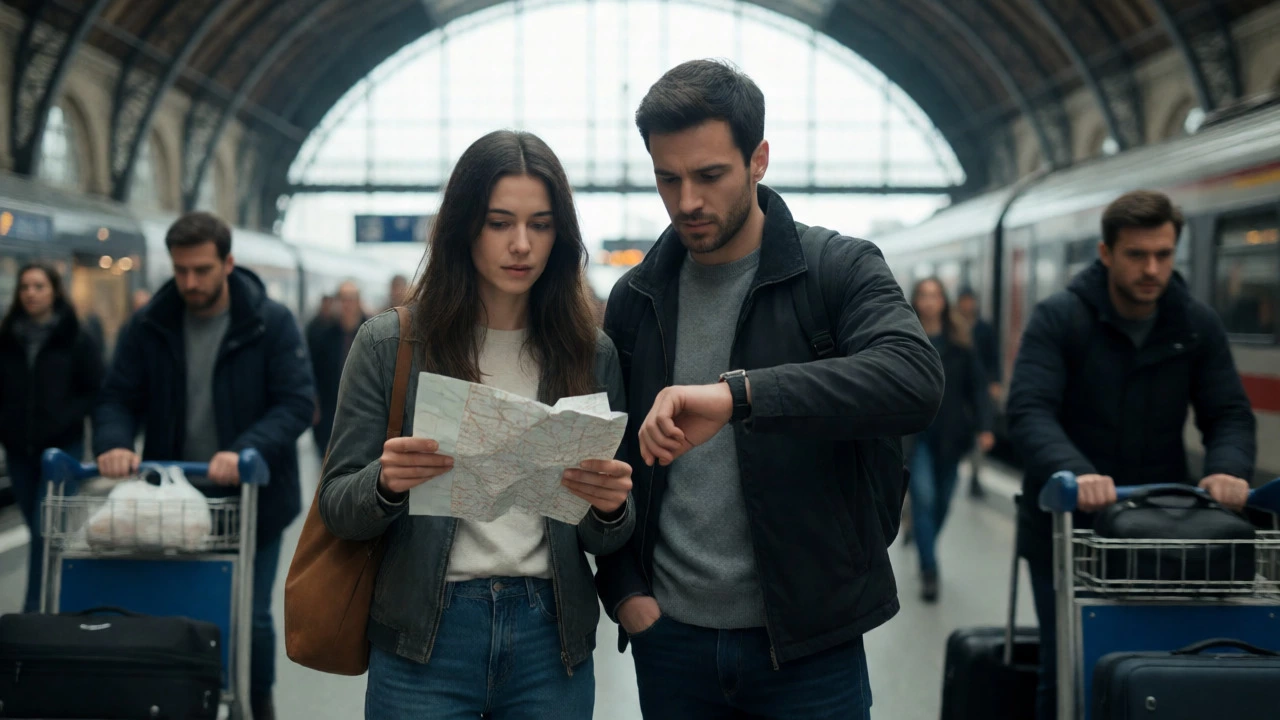
This rule extends beyond dinner. During walks, keep phones in pockets. Use a physical map if you get lost. There is something inherently romantic about getting slightly lost together and relying on each other’s navigation skills rather than a GPS voice. It creates shared memories and inside jokes. Plus, you avoid the common trap of one partner scrolling Instagram while the other talks about the historic building they just saw. That silence is louder than any argument.
Create Micro-Rituals Instead of Grand Gestures
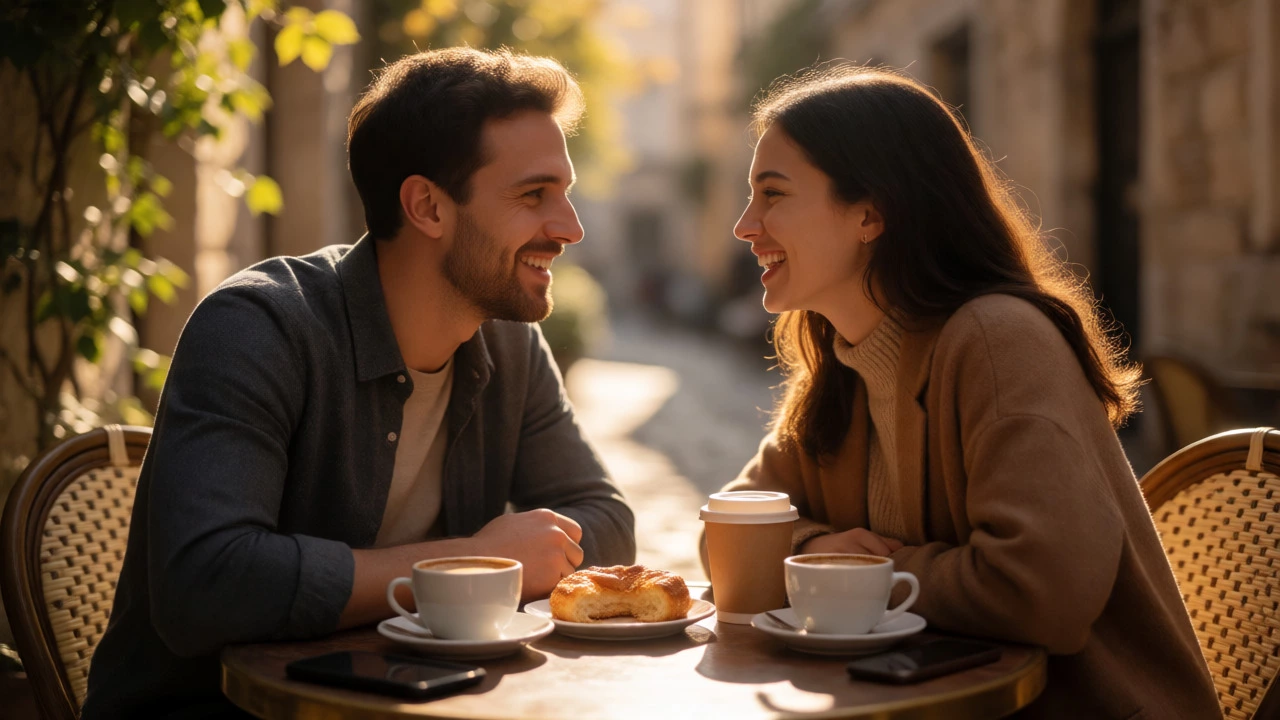
People often think romance requires a candlelit dinner on a cliffside. While that is nice, it is rare and often stressful to arrange. Real intimacy comes from consistent, small rituals. Start a morning tradition. Maybe it is buying fresh pastries from a local bakery and eating them on a bench before starting the day's sightseeing. Maybe it is a ten-minute coffee chat where you set intentions for the day. These low-stakes moments build a rhythm of closeness.
At night, establish a "debrief" ritual. Before sleep, spend five minutes sharing the best moment of the day and the hardest moment. This simple practice validates each other's experiences and clears minor frustrations before they fester. It turns a chaotic day of travel into a shared narrative. You are no longer two individuals enduring a trip; you are a team processing an adventure. This emotional syncing is far more powerful than buying flowers.
Navigate Conflict Without Killing the Mood
Tiredness makes us irritable. A missed train or a bad meal can trigger disproportionate anger. When this happens, do not escalate. Use the "pause and reset" method. Acknowledge the stress: "We are both exhausted, and I am hangry." Naming the emotion defuses its power. Then, take a twenty-minute break separately or together to recharge. Go sit in a park. Take a nap. Eat a snack. Do not try to solve the problem until your blood sugar stabilizes.
Also, agree on a safe word or phrase for when things get too tense. Something silly like "pineapple" can remind you both to step back and laugh at the absurdity of arguing in a foreign country. Humor is a great lubricant for travel stress. If you can laugh about the fact that you both ordered the wrong dish, you recover quickly. Romance survives conflict when you prioritize the relationship over being right.
Thoughtful Surprises That Don’t Break the Bank
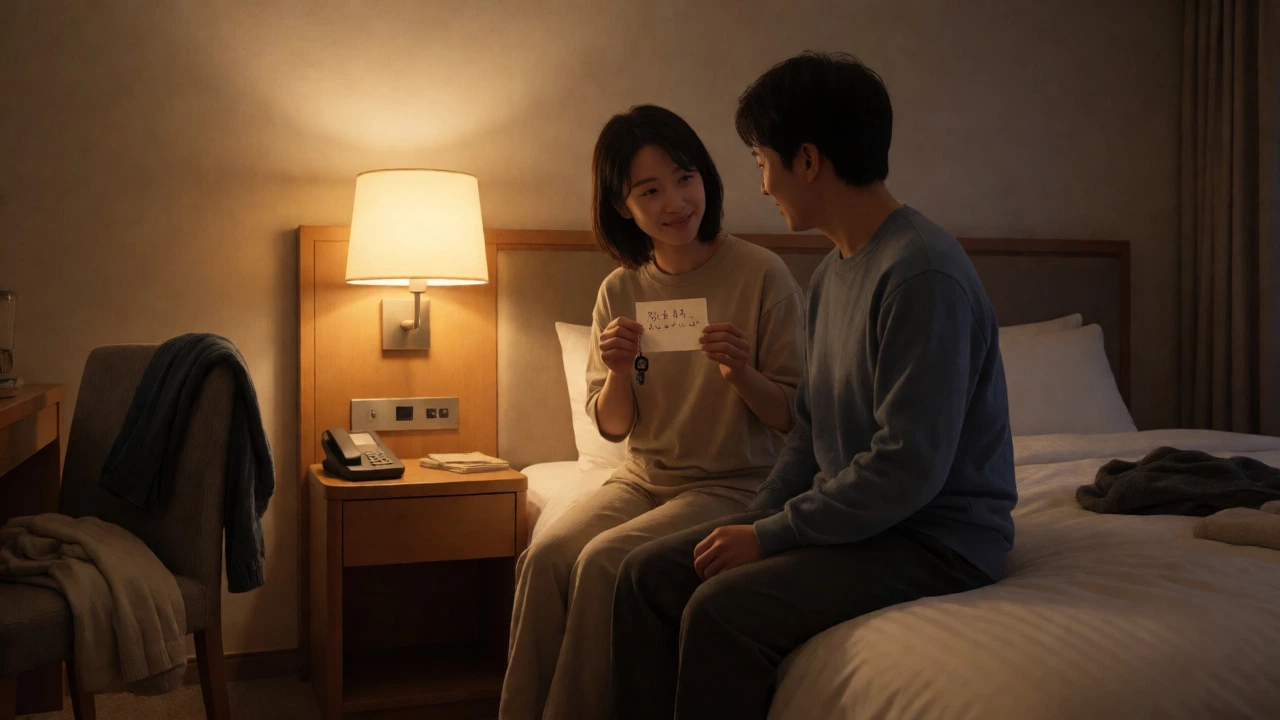
You do not need to spend hundreds of dollars to be romantic. Thoughtfulness is cheaper and more effective. Leave a handwritten note in your partner’s luggage pocket before they open it. Buy a small souvenir that reminds you of an inside joke, even if it is just a keychain. Plan one surprise activity that only involves one of you knowing the details. For example, book a hidden speakeasy tour and tell your partner you are going for a walk, then reveal the entrance.
These surprises show you were thinking about them when they weren't around. That attention is the core of romance. It signals, "You are important enough for me to plan ahead." In a world of digital communication, physical tokens and planned moments stand out. They create anchors in your memory that you will recall years later, long after you have forgotten the price of the hotel room.
| Aspect | Manager Mode (Low Romance) | Partner Mode (High Romance) |
|---|---|---|
| Decision Making | One person decides everything; the other complies. | Rotating leadership; collaborative choices. |
| Phone Usage | Constant scrolling; distraction during conversations. | Phones away during meals/walks; focused attention. |
| Conflict Response | Blame game; focusing on who messed up. | Team approach; focusing on solving the issue together. |
| Free Time | Filled with scheduled activities to maximize value. | Left unstructured for spontaneity and rest. |
| Communication | Logistical: "What time is the bus?" | Emotional: "How did that make you feel?" |
Why Presence Beats Perfection
Finally, lower your expectations for perfection. The perfect photo does not equal a perfect trip. Sometimes the rain ruins the beach day. Sometimes the food is terrible. Embrace these flaws. They become the stories you tell friends later. "Remember when we got stuck in that elevator?" is a bonding story. "Remember when everything went exactly according to plan?" is forgettable.
Being romantic is about choosing to enjoy the person you are with, regardless of the circumstances. It is about holding hands when you are frustrated. It is about sharing a dessert when you are full. It is about looking at your partner and saying, "I am glad I am here with you," even if you are currently lost in a confusing alleyway. That vulnerability and acceptance are the true markers of a romantic trip.
What is the biggest killer of romance on a trip?
Over-scheduling is the primary culprit. When every hour is packed with activities, there is no room for relaxation or connection. Stress levels rise, patience drops, and partners revert to logistical communication rather than emotional engagement. Leaving gaps in the itinerary allows for breathing room and spontaneous interaction.
How do I handle arguments while traveling?
Address conflicts immediately but gently. Use "I" statements to express feelings rather than blaming your partner. Implement a short timeout if emotions run high, allowing both parties to cool down. Remember that you are on the same team against the problem, not against each other. Resolving issues quickly prevents resentment from building up over the course of the trip.
Do I need to spend a lot of money to be romantic?
No. Attention and thoughtfulness cost little to nothing. Small gestures like leaving notes, planning a surprise walk, or simply putting your phone away demonstrate care. Expensive dinners are nice, but consistent presence and emotional availability are far more impactful for maintaining a romantic connection.
How can I surprise my partner without spending much?
Consider leaving a handwritten letter in their suitcase, buying a small local snack they mentioned liking, or arranging a picnic in a scenic spot using grocery store items. Planning a free activity, such as a sunset viewpoint hike or a free museum entry, also shows effort and consideration without significant financial investment.
Is it okay to travel alone sometimes on a romantic trip?
Yes, taking short periods of solo time can enhance the relationship. It allows each partner to recharge and miss each other slightly. However, communicate these breaks clearly so neither feels abandoned. Returning from a solo exploration with fresh energy and stories can revitalize the shared experience.