
Vacation Recovery Simulator
Current Phase
Adjustment Phase
Days 1-3Recovery Metrics
Days 1-3
Adjustment & Transition
- High Cortisol
- Mental Drafting
Days 4-7
Recovery Begins
- Sleep Improves
- Engagement Rises
Days 8+
Deep Restoration
- Creativity Spikes
- Burnout Prevention
You book the flight. You pack the bags. You arrive at your destination with high hopes for relaxation. But three days later, you’re still checking emails, worrying about work piling up, and feeling more stressed than when you left. Sound familiar? You aren’t alone. Many of us treat vacations like a quick reset button, assuming that any time away from the office is enough to recharge our batteries. But science suggests that the length of your break matters just as much as the destination.
If you are looking for last-minute holidays or planning a long-awaited escape, understanding the "sweet spot" for vacation duration can transform your experience from a rushed obligation into genuine restoration. It turns out that there is a specific window where stress levels drop significantly and cognitive function improves. Miss that window, and you might be wasting precious time-and money.
The Science Behind the "Sweet Spot"
For years, researchers have studied how time off affects our mental and physical health. One of the most cited studies comes from the University of Michigan, led by Dr. Sonja Lyubomirsky. Her research tracked employees over several weeks and found a clear pattern: happiness levels rise during the first few days of a vacation but then plateau. The real kicker? Stress levels don't start dropping significantly until day four or five.
This means that short trips, while nice, often fail to deliver deep restorative benefits. If you take a three-day weekend, you spend two days traveling and adjusting, and only one day actually relaxing. By the time your brain switches into "vacation mode," it’s time to go back. This is why many people return from short breaks feeling refreshed for a day, only to crash hard on Monday morning.
Vacation burnout is a state of exhaustion caused by insufficient recovery time, leading to decreased productivity and increased anxiety upon returning to work. It happens when the break is too short to allow the nervous system to downshift from fight-or-flight mode to rest-and-digest mode.
Why Short Trips Often Fail to Recharge You
We live in a culture that glorifies the "weekend warrior" mentality. We think that flying across the country for 48 hours is a valid strategy for self-care. In reality, this approach often adds more stress than it removes. Consider the logistics: packing, commuting to the airport, security lines, jet lag, and unpacking. These activities trigger cortisol spikes, not drops.
When you take a very short trip, your brain never fully disengages from work-related thoughts. You might find yourself mentally drafting emails while lying on the beach. This phenomenon is known as "cognitive leakage." Without sufficient distance-both temporal and physical-from your daily routine, your mind struggles to let go of professional responsibilities.
Additionally, short trips often involve higher costs per day due to last-minute bookings and premium pricing for compact itineraries. You pay more for less actual relaxation time. For those seeking last minute holidays, this trade-off becomes even more apparent. The urgency of booking quickly often leads to choosing destinations that are convenient rather than conducive to deep rest.
The Ideal Duration: What Does Research Say?
So, what is the magic number? Most experts agree that a minimum of seven to ten days is necessary to achieve significant psychological benefits. Here’s a breakdown of what happens at different stages:
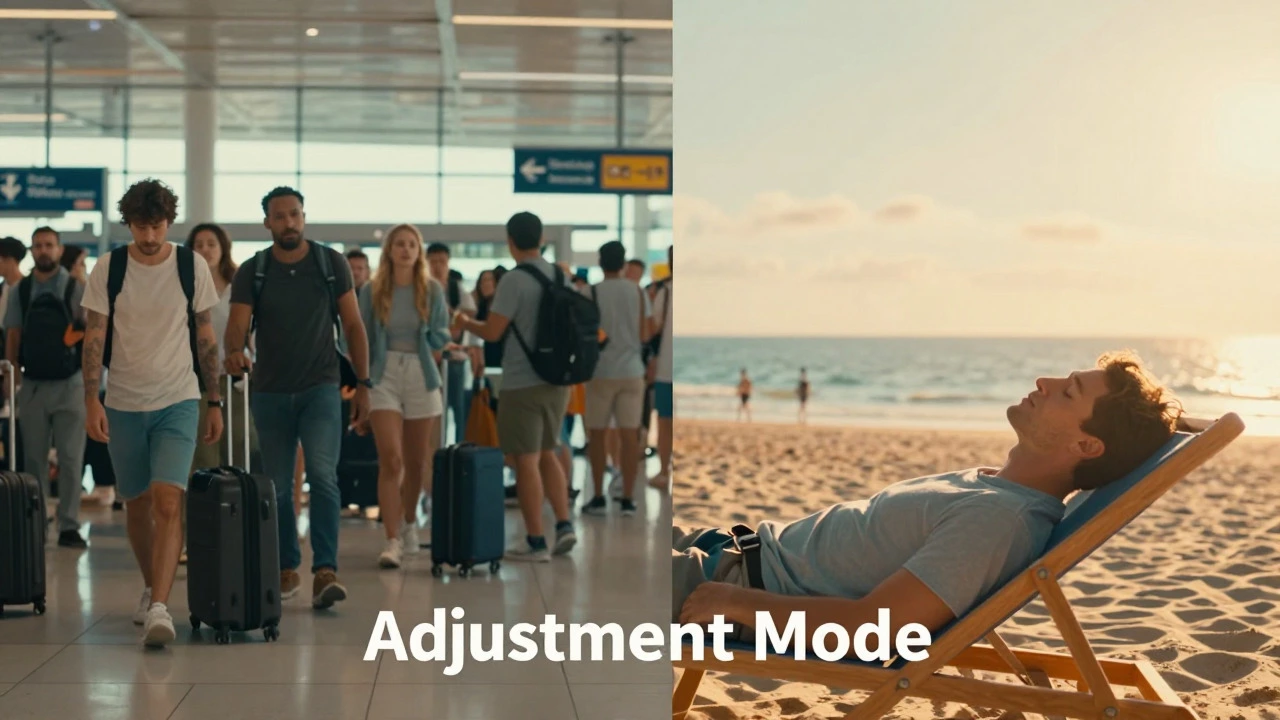
- Days 1-3 (The Adjustment Phase): Your body and mind are still transitioning. You may feel restless, check your phone frequently, and worry about pending tasks. Cortisol levels remain elevated.
- Days 4-7 (The Recovery Phase): Stress markers begin to decline noticeably. Sleep quality improves. You start to engage more deeply with your surroundings and hobbies.
- Days 8-10+ (The Restoration Phase): Cognitive flexibility increases. Creativity boosts. You return to work with renewed perspective and energy.
A study published in the *Journal of Occupational Health Psychology* found that employees who took two-week vacations reported higher job satisfaction and lower burnout rates six months after returning compared to those who took shorter breaks. The key takeaway? Longer isn’t always better, but longer is definitely more effective than shorter.
| Duration | Stress Reduction | Cognitive Boost | Risk of Burnout Post-Trip |
|---|---|---|---|
| 3 Days | Minimal | Low | High |
| 5-7 Days | Moderate | Moderate | Moderate |
| 10-14 Days | Significant | High | Low |
| 21+ Days | Maximum | Very High | Very Low |
Quality Over Quantity: Making Every Day Count
While duration matters, how you spend your time is equally important. A week spent frantically sightseeing can leave you more exhausted than if you had stayed home. True restoration requires intentional disconnection. This means limiting screen time, avoiding work-related conversations, and engaging in activities that bring you joy.
Consider the concept of "active recovery." Unlike passive rest (like sleeping all day), active recovery involves gentle movement, social connection, and novelty. Hiking, swimming, exploring local markets, or simply reading a book in a new environment stimulates the brain in healthy ways. These experiences create positive memories that buffer against future stress.
Also, plan for downtime. Over-scheduling is a common mistake. Leave blank spaces in your itinerary for spontaneity. Allow yourself to wake up without an alarm. Let meals be leisurely. This unstructured time is crucial for processing emotions and resetting your internal clock.
Navigating Last-Minute Holidays for Optimal Rest
Finding a healthy-length vacation on short notice can be challenging, especially in peak seasons. However, it’s not impossible. With the rise of flexible work arrangements and remote-friendly policies, many employers are becoming more open to extended PTO requests, even with little advance notice.
If you are considering last minute holidays, focus on destinations that offer ease of access and low logistical friction. All-inclusive resorts or staycations within driving distance can reduce pre-trip stress. Avoid complex itineraries involving multiple flights or visa requirements. The goal is to minimize effort so you can maximize relaxation.
Tip: Use blackout periods strategically. If your company allows it, block out two weeks instead of one. Even if you only use ten days, having the extra buffer reduces the pressure to rush back. Communicate clearly with your team about your availability and set up automated responses to manage expectations.
Returning to Work: Protecting Your Gains
The end of a vacation doesn’t have to mean the end of its benefits. How you transition back into work plays a huge role in sustaining the positive effects of your break. Many people make the mistake of diving headfirst into their inbox on Monday morning, undoing weeks of progress in a single day.
To protect your gains, implement a soft landing strategy. Plan to return on a Friday if possible, giving you the weekend to adjust. Start your first week back with lighter tasks. Delegate where appropriate. Avoid scheduling high-stakes meetings or major deadlines immediately after your return.
Reflect on what worked during your vacation. Did you sleep better? Feel more creative? Identify these wins and integrate small elements of them into your daily routine. Maybe it’s taking a walk during lunch or setting strict boundaries around email checks. Small changes can help maintain the momentum gained during your time off.

Common Pitfalls to Avoid
Even with the best intentions, it’s easy to sabotage your own recovery. Here are some common traps to watch out for:
- Checking Email Regularly: This keeps your brain tethered to work, preventing true disengagement. Set an auto-responder and resist the urge to peek.
- Overpacking Activities: Trying to see everything leads to fatigue. Choose fewer activities and do them well.
- Neglecting Sleep: Jet lag and excitement can disrupt sleep patterns. Prioritize rest to support mental recovery.
- Guilt Tripping Yourself: Feeling guilty for taking time off undermines the purpose of the break. Remind yourself that rest is productive.
Another pitfall is comparing your vacation to others’. Social media often portrays unrealistic standards of perfection. Remember that everyone’s needs are different. What works for your colleague might not work for you. Listen to your body and adjust accordingly.
Tailoring Your Break to Your Lifestyle
Not everyone has the luxury of taking two weeks off. If your situation limits you to shorter breaks, aim for frequency over duration. Taking several three-to-five-day breaks throughout the year can provide cumulative benefits. Think of it like exercise: consistency matters more than intensity.
For parents or caregivers, coordinating time off can be complex. Involve family members early in the planning process. Choose destinations that cater to diverse interests. Balance structured activities with free time to ensure everyone feels satisfied.
Remote workers face unique challenges. Without a physical commute to signal the end of the workday, boundaries can blur. Create rituals that mark the start and end of your vacation. Change your workspace, wear different clothes, or establish a new routine to reinforce the shift in mindset.
Conclusion: Invest in Your Well-being
A healthy vacation isn’t just about escaping; it’s about returning stronger. By understanding the science behind optimal break durations and implementing strategies for meaningful disconnection, you can transform your time off into a powerful tool for resilience. Whether you’re booking a last-minute getaway or planning a long-haul adventure, prioritize length and quality to ensure you come back refreshed, focused, and ready to thrive.
Is 5 days enough for a vacation?
Five days provides moderate stress reduction and cognitive boost, but it may not be enough for deep restoration. Most people need at least 7-10 days to fully disconnect and recover from burnout. However, if taken regularly, shorter breaks can still offer cumulative benefits.
What is the ideal length of a vacation for mental health?
Research suggests that 10-14 days is the ideal length for significant mental health improvements. During this period, stress levels drop substantially, sleep quality improves, and cognitive flexibility increases. Longer breaks continue to offer additional benefits, but diminishing returns set in after about three weeks.
Can short frequent vacations replace one long vacation?
Short frequent vacations can provide regular relief and prevent chronic stress buildup, but they may not offer the same depth of restoration as a longer break. For individuals prone to burnout, combining both approaches-regular short breaks plus one extended annual vacation-is often the most effective strategy.
How do I avoid post-vacation blues?
To avoid post-vacation blues, plan a gradual return to work. Start with lighter tasks, delegate where possible, and reflect on the positive aspects of your trip. Integrate small elements of your vacation routine into your daily life, such as mindful walks or digital detox periods, to sustain the sense of well-being.
Are last-minute holidays less restful?
Last-minute holidays can be just as restful if planned carefully. Focus on low-logistics destinations, all-inclusive options, or nearby getaways to reduce pre-trip stress. The key is to minimize effort and maximize relaxation, ensuring that the urgency of booking doesn’t translate into anxiety during the trip.