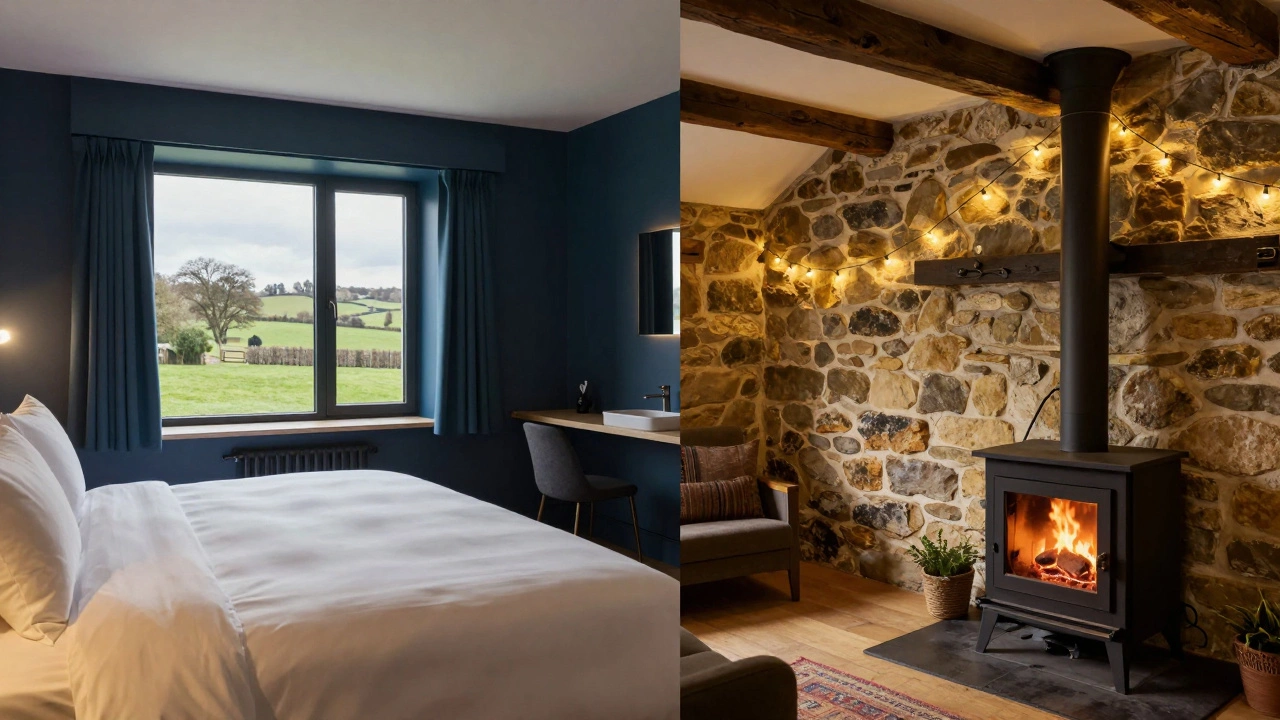
UK Staycation Cost Calculator: Hotels vs Airbnb
Trip Details
Mid-Range Hotel
Standard PricingAirbnb Rental
Self CateringRecommendation:
Calculate your trip to see which option saves you money.
Picture this: you’re planning a weekend away in the Cotswolds or a week by the sea in Cornwall. You open two tabs on your laptop. One shows a cozy boutique hotel with free breakfast and a pool. The other shows a charming cottage with a full kitchen and a washing machine. Both look amazing. But then you hit the ‘Book’ button, and suddenly the price isn’t what it seemed. The hotel is £150 a night. The Airbnb starts at £120 but ends up being £180 after fees. Which one is actually cheaper?
This is the million-dollar question (or rather, the hundred-pound question) for every UK traveler in 2026. With inflation still nudging prices upward and travel demand hitting record highs, squeezing every penny out of your holiday budget feels like a part-time job. Many people assume Airbnb is automatically the budget option because you get a whole place to yourself. Others swear by hotels for their predictable pricing and perks. The truth? It’s not that simple. The answer depends entirely on how many people are traveling, how long you’re staying, and whether you count hidden costs.
The Hidden Fee Trap: Why Sticker Price Lies
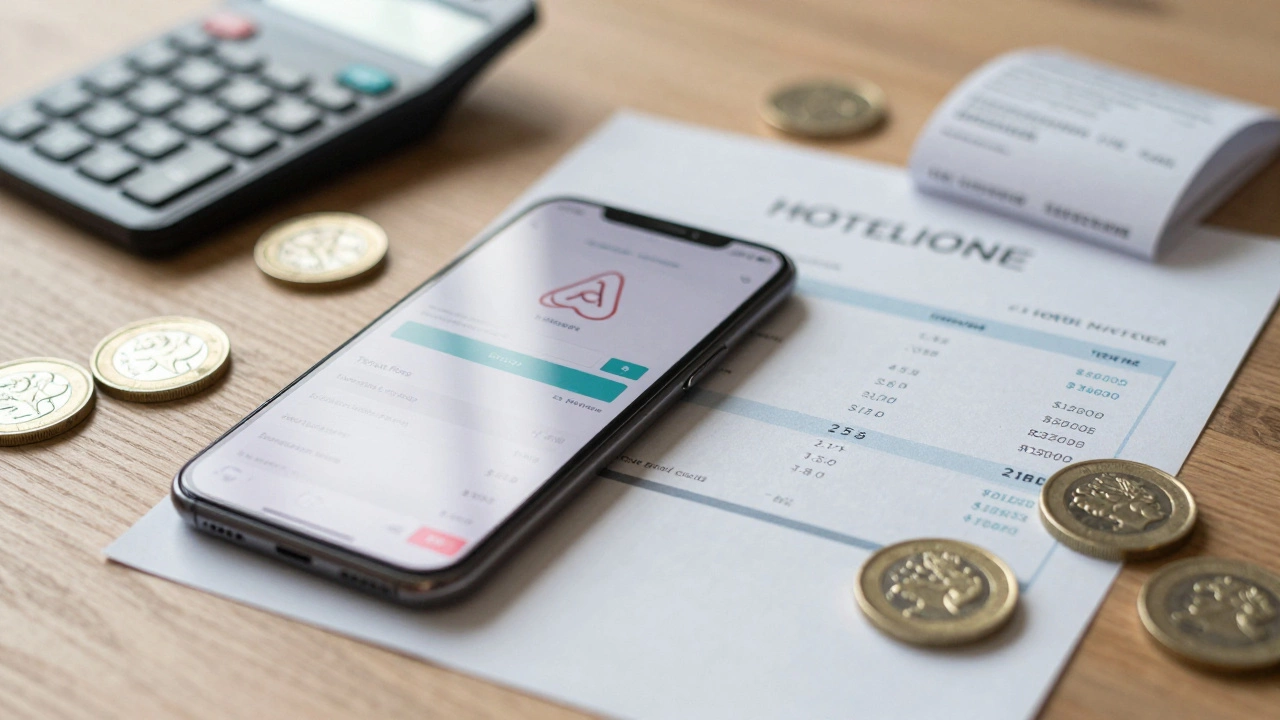
When we compare Airbnb and hotels, most people stop at the nightly rate. That’s a mistake. Hotels usually show you the total price upfront, including taxes and resort fees (though some luxury spots are starting to add service charges). Airbnb, on the other hand, often lures you in with a low nightly rate, only to slap on a cleaning fee, a service fee, and sometimes even extra guest charges at checkout.
In 2026, the average Airbnb cleaning fee in the UK sits around £40-£60 for a standard apartment. For a short two-night stay, that fee can double your effective nightly cost. If you’re paying £100 a night for two nights (£200), adding a £50 cleaning fee and a 14% service fee (£35) brings your total to £285. That’s effectively £142.50 per night. Suddenly, that £130-a-night hotel room looks like a bargain.
Hotels have their own tricks, though. Look out for “resort fees” in coastal towns like Brighton or Bournemouth, which can add £10-£20 per night for access to amenities you might not even use. Also, check if breakfast is included. A £15 continental breakfast adds up fast if you’re eating out three times a day.
| Cost Component | Mid-Range Hotel | Airbnb Apartment |
|---|---|---|
| Nightly Rate (x3) | £180 | £150 |
| Cleaning Fee | £0 | £45 |
| Service/Booking Fee | £0 (included) | £28 (approx 14%) |
| Taxes/VAT | £27 (VAT included) | £15 (VAT added) |
| Total Cost | £207 | £238 |
As you can see, for a short break, the hotel wins on transparency and often on total cost. The gap narrows as your stay gets longer, but for weekends, hotels are rarely beaten on pure price unless you find a last-minute deal.
The Length of Stay Factor: When Airbnb Flips the Script
If you’re staying for a week or more, the math changes dramatically. This is where UK Staycations often shift toward rentals. Most Airbnb hosts offer weekly discounts, ranging from 10% to 25%. More importantly, the fixed cleaning fee gets amortized over more nights. That £50 cleaning fee spread over seven nights is only £7 per night-a negligible amount.
Consider a family of four going to Lake District for a week. A hotel would likely require two rooms or a large family suite, costing £200+ per night. Total: £1,400+. An Airbnb house with two bedrooms might cost £120 per night. With a 15% weekly discount, that’s £102 per night. Total base cost: £714. Add £60 cleaning and £100 service fees, and you’re looking at £874. You’ve saved over £500 just on accommodation. That’s money back in your pocket for meals, activities, or souvenirs.
However, be wary of minimum stay requirements. Many popular Airbnb locations in the UK now enforce 3-night or even 7-night minimums during peak seasons (summer holidays, Christmas, New Year). If your trip doesn’t fit those windows, you might be forced into pricier options or unable to book at all.
Food Costs: The Kitchen Advantage
Accommodation cost is only half the battle. What you eat makes up a huge chunk of any holiday budget. Here’s where the type of accommodation matters immensely. Hotels charge premium prices for food. A simple dinner for two in a hotel restaurant can easily run £40-£60. Even room service is marked up significantly.
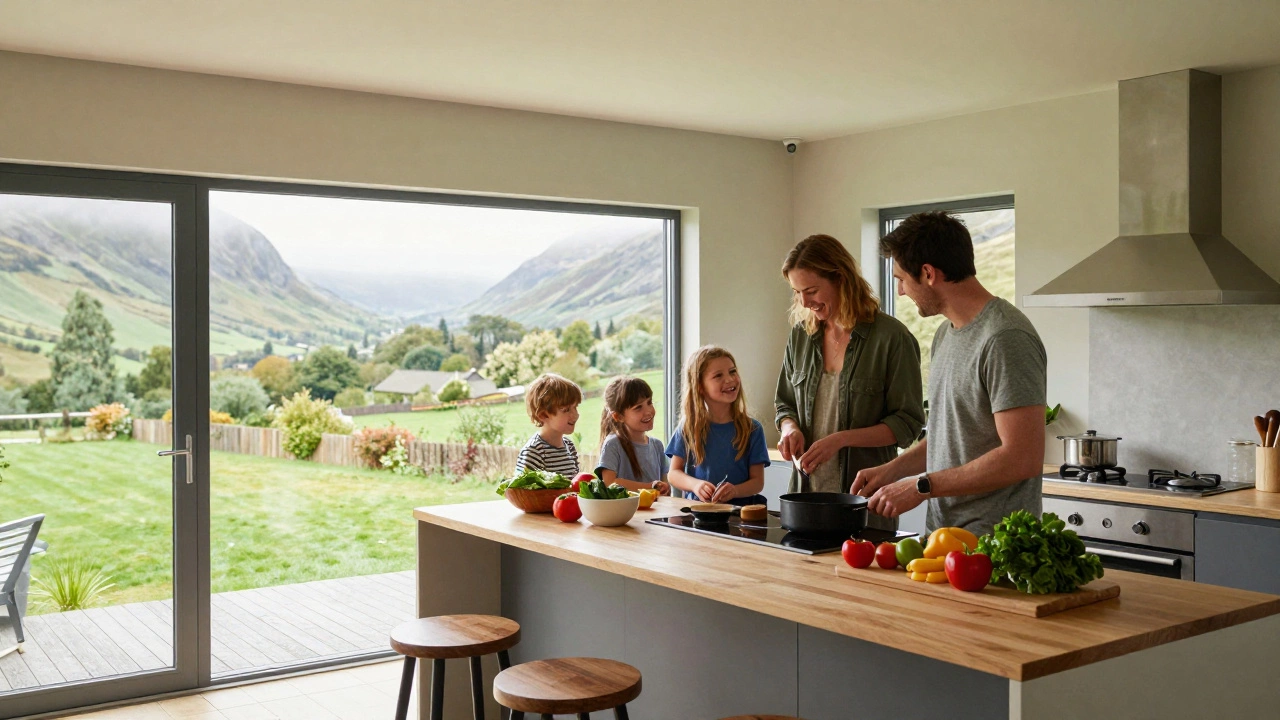
Airbnbs almost always come with a kitchen. Yes, they vary in quality-some have proper ovens and stovetops, others just a microwave and kettle-but having the ability to cook saves serious cash. Buying groceries at Tesco or Sainsbury’s near your destination is far cheaper than eating out for every meal. For a family, cooking breakfast and dinner can save £100-£150 per week compared to hotel dining.
But let’s be realistic. Do you actually want to cook on holiday? Some people view cooking as a chore they’re escaping from. If you’re the type who wants to wake up, grab a coffee, and wander off without worrying about dishes, a hotel’s included breakfast and nearby eateries might be worth the extra cost. It’s a trade-off between wallet and convenience.
Location, Location, Location: City Centers vs Suburbs
Where you stay drastically affects the price comparison. In major UK cities like London, Manchester, or Edinburgh, hotels dominate the city centers. They’re expensive, yes, but they put you steps away from attractions, transport hubs, and nightlife. An Airbnb in central London might cost more than a hotel due to high demand and strict licensing laws (like the 90-day limit on short-term lets in certain boroughs).
Outside city centers, Airbnbs often offer better value. You can find spacious houses in suburbs or nearby villages for less than a cramped city hotel room. The catch? Transport costs. If you need to take trains or taxis into the center daily, those expenses can erase your accommodation savings. Always factor in travel time and ticket prices when comparing locations.
In rural areas like the Yorkshire Dales or Scottish Highlands, hotels are scarce and pricey. Airbnbs fill the gap, offering cottages and barn conversions that provide authentic local experiences at competitive rates. Here, Airbnb isn’t just cheaper; it’s often the only viable option for groups or families.
Amenities and Perks: What Are You Really Paying For?
Hotels sell services. When you book a hotel, you’re paying for daily housekeeping, front-desk support, concierge services, and often amenities like pools, gyms, and spas. These aren’t just luxuries; they’re conveniences. If you value having clean towels delivered daily and someone to fix a leaky faucet instantly, hotels deliver.
Airbnb sells space. You get the property, but you’re largely on your own. No daily cleaning means you do your own laundry (a pro for long stays, a con for short ones). No front desk means if the Wi-Fi goes down, you call the host directly, hoping they respond quickly. However, you gain privacy and space. A hotel room is often a single box; an Airbnb gives you separate living areas, multiple bedrooms, and sometimes outdoor space.
For remote workers, this distinction is crucial. A dedicated workspace with reliable Wi-Fi is essential. While many hotels advertise “business-friendly” rooms, Airbnbs often provide actual desks and quieter environments. Check reviews specifically for Wi-Fi speed and work suitability before booking either.
How to Find the Best Deal in 2026
Finding the cheapest option requires strategy. Here’s how to play the game:
- Use Price Tracking Tools: Both Booking.com and Airbnb have price alert features. Set them up weeks in advance. Prices fluctuate based on demand, and alerts notify you when rates drop.
- Book Directly When Possible: For hotels, check the official website. They often match online travel agency (OTA) prices and may offer perks like free parking or late checkout. For Airbnbs, you must book through the platform, but look for hosts who offer instant booking to avoid negotiation delays.
- Travel Off-Peak: Mid-week stays (Sunday-Thursday) are significantly cheaper than weekends for both hotels and Airbnbs. Shoulder seasons (May-June, September-October) also offer lower rates and fewer crowds.
- Read Reviews for Hidden Fees: On Airbnb, scan recent reviews for mentions of unexpected costs or poor cleanliness. A high-rated listing with vague photos might hide issues. For hotels, check TripAdvisor for comments on mandatory fees.
- Leverage Loyalty Programs: If you frequently stay with chains like Premier Inn, Travelodge, or Accor, join their loyalty schemes. Points and member-only rates can slash costs by 10-20%. Airbnb doesn’t have a traditional loyalty program, but repeat guests with good ratings often get preferred treatment from hosts.
Verdict: Which Should You Choose?
So, what’s cheaper? There’s no single answer, but here’s the rule of thumb:
Choose a Hotel if:
- You’re staying for less than 4 nights.
- You’re traveling solo or as a couple.
- You prioritize convenience, daily cleaning, and on-site amenities.
- You’re visiting a city center and want to walk everywhere.
Choose Airbnb if:
- You’re staying for 5+ nights.
- You’re traveling with a group or family needing multiple bedrooms.
- You plan to cook meals to save on food costs.
- You want a local residential experience or outdoor space.
In 2026, the gap between the two is narrowing as hotels raise prices and Airbnb increases fees. But by understanding the hidden costs and aligning your choice with your travel style, you can ensure your UK staycation is both memorable and affordable. Don’t just look at the headline price-look at the total cost of your experience.
Is Airbnb always cheaper than hotels in the UK?
No. For short stays (under 4 nights), hotels are often cheaper once you account for Airbnb's cleaning and service fees. Airbnb becomes cheaper primarily for longer stays (5+ nights) or larger groups needing multiple bedrooms.
What are the hidden fees in Airbnb bookings?
The main hidden fees are the cleaning fee (often £40-£80) and the service fee (around 14% of the subtotal). Some hosts also charge extra for additional guests or pets. Always check the final price breakdown before booking.
Do hotels include breakfast in the UK?
Many mid-range and budget hotels in the UK, such as Premier Inn and Travelodge, include a basic breakfast in the room rate. Luxury hotels often charge extra for breakfast, so always check the package details.
Can I cancel my Airbnb booking for free?
It depends on the host's cancellation policy. Options range from Flexible (full refund up to 24 hours before check-in) to Strict (50% refund if cancelled within 14 days). Hotels often have stricter non-refundable rates for cheaper prices, but flexible rates are available.
Are there legal restrictions on Airbnb in the UK?
Yes. In 2024, new regulations were introduced requiring hosts to register with local councils. In London, short-term lets are capped at 90 days per year in many boroughs. Ensure your chosen Airbnb is legally compliant to avoid last-minute cancellations.