Caribbean Budget Trip Estimator
Compare real-world costs across popular budget-friendly islands. Select your destination and preferences to see a personalized daily and total budget estimate.
Most people assume a Caribbean vacation means draining your savings on overpriced cocktails and luxury resorts. But if you know where to look, the region offers some of the most affordable beach holidays in the world. The secret isn't just finding a cheap flight; it's picking the right island that balances low accommodation costs with reasonable food prices and minimal tourist traps.
The answer to which is the cheapest Caribbean island to visit usually points toward the Dominican Republic or Jamaica, depending on how you like to travel. However, "cheapest" is relative. It depends on whether you want to stay in a hostel, rent an apartment, or eat at local street stalls versus all-inclusive packages. This guide breaks down the real costs for 2026 so you can plan a trip that fits your wallet without sacrificing the white sand and turquoise water you’re dreaming about.
Understanding the Cost Structure of Caribbean Travel
Before diving into specific islands, you need to understand what actually drives up the price tag. In the Caribbean, your biggest expenses are usually accommodation and dining out. Flights from North America or Europe vary wildly based on season, but once you land, the local cost of living determines your daily burn rate.
There are three main ways to budget for these trips:
- All-Inclusive: You pay a high upfront fee for lodging, meals, and drinks. This is often cheaper than staying in a hotel and eating out separately, especially for couples or families who drink alcohol.
- Airbnb/Apartment Rentals: Renting a place with a kitchen allows you to cook breakfast and dinner. This cuts food costs by 50-70% compared to restaurants.
- Hostels and Guesthouses: The absolute cheapest option, but availability is limited to major hubs like Santo Domingo, Kingston, or Falmouth.
For the tightest budgets, avoid the resort zones. Stay in the towns where locals live. You’ll find cheaper taxis, better food markets, and authentic experiences that don’t come with a service charge.
The Top Contenders for Lowest Prices
After analyzing average nightly rates, meal costs, and activity fees for 2026, a few islands consistently rank as the most affordable. Here is how they compare in terms of daily spending for a solo traveler.
| Island | Budget Accommodation ($/night) | Meals ($/day) | Local Transport ($/day) | Total Estimated Daily Spend |
|---|---|---|---|---|
| Dominican Republic | $25 - $40 | $15 - $25 | $5 - $10 | $45 - $75 |
| Jamaica | $30 - $50 | $20 - $30 | $10 - $15 | $60 - $95 |
| St. Lucia | $40 - $60 | $25 - $35 | $10 - $20 | $75 - $115 |
| Aruba | $80 - $120 | $40 - $60 | $20 - $30 | $140 - $210 |
As you can see, Dominican Republic is a large island nation known for its diverse landscapes, from arid east to lush north coast, offering significantly lower base costs than smaller islands. Its size means more competition among hotels and guesthouses, which keeps prices down. Jamaica follows closely, particularly if you stick to the south or west coasts away from Montego Bay’s premium resorts. St. Lucia is slightly more expensive due to its volcanic terrain limiting construction, while Aruba is generally considered a mid-to-high-range destination despite being close to South America.
Why the Dominican Republic Wins on Price
If you are looking for the absolute lowest entry point, the Dominican Republic is hard to beat. The currency, the Peso, has been relatively stable against the US Dollar, making exchange rates favorable for travelers. More importantly, the supply of budget accommodations is massive.
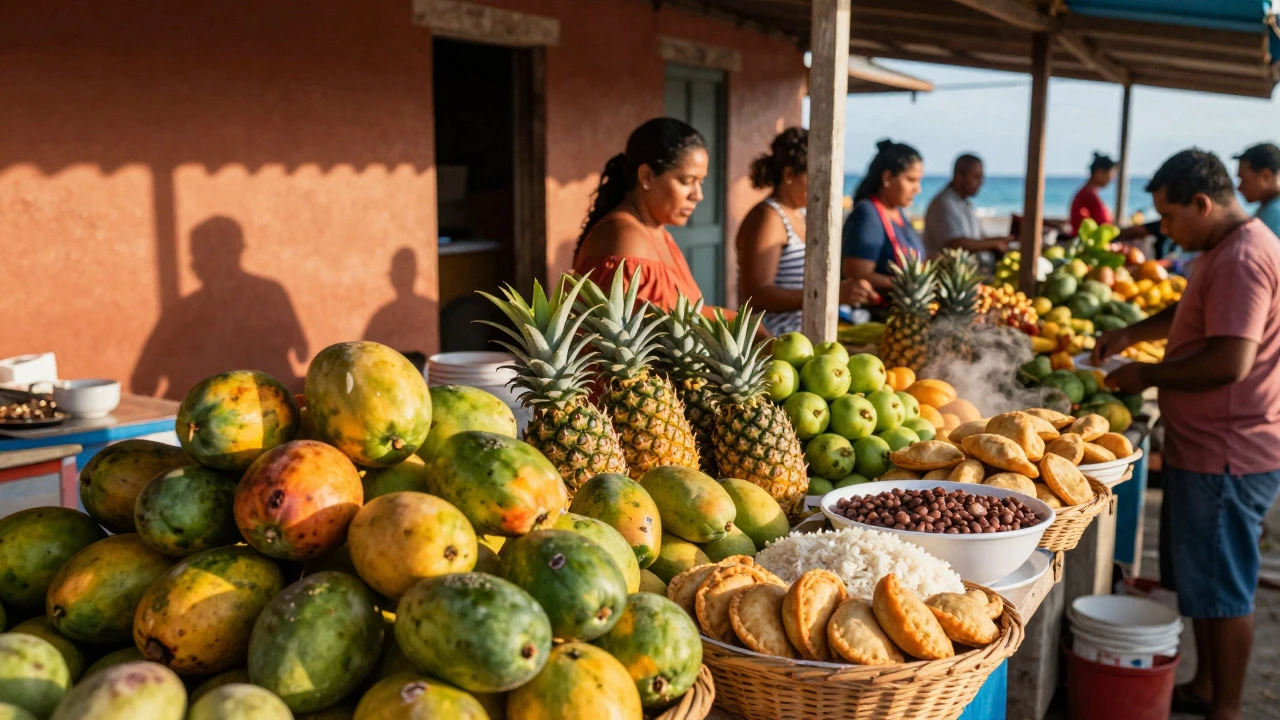
In cities like Puerto Plata or Cabarete, you can find clean, air-conditioned guesthouses for under $30 a night. These places often include Wi-Fi and sometimes even a small pool. Food is another major factor. A plate of rice, beans, and meat at a local *comida típica* restaurant might cost you $3 to $5. Street food vendors sell fresh fruit, empanadas, and juices for under $2. If you rent an apartment with a kitchen, you can stock up at the supermarket for less than $10 per day for two people.
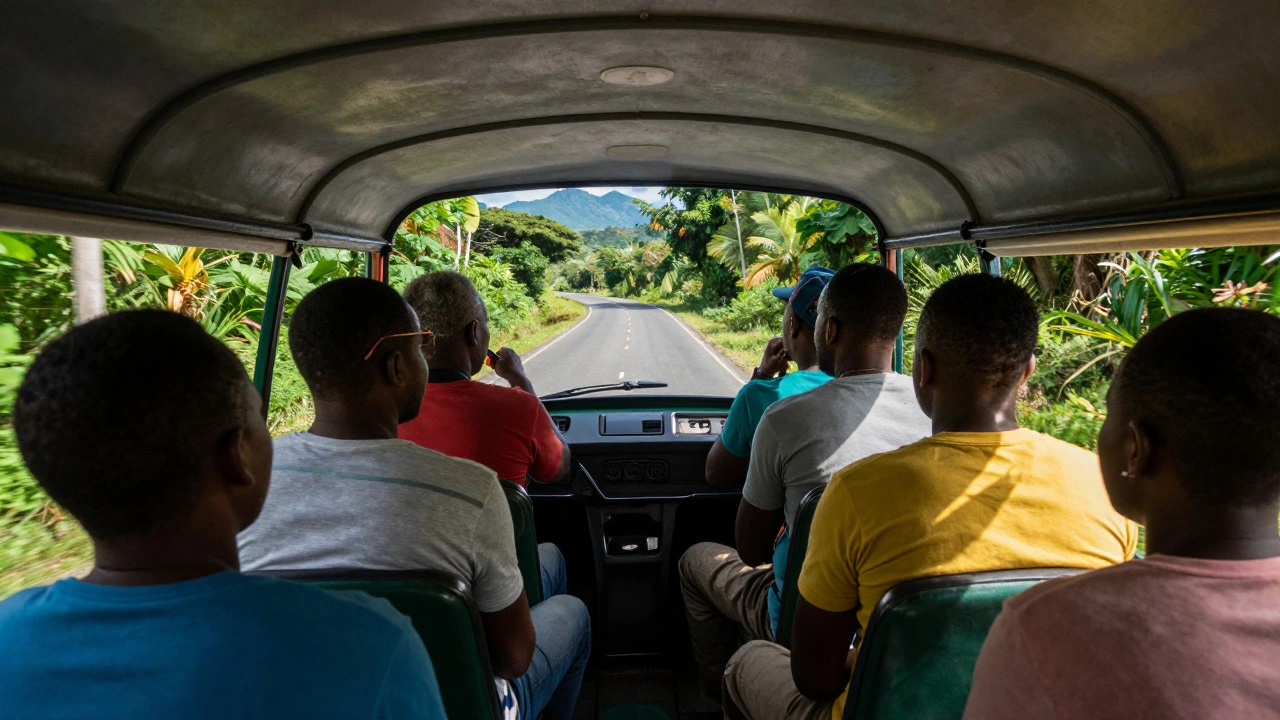
One downside? Getting around can be tricky. Public buses (*guaguas*) are incredibly cheap-often less than a dollar-but they can be chaotic and slow. For short distances, shared taxis are a great middle ground. Just agree on the price before you get in. Avoid renting a car unless you have experience driving in Latin America; traffic rules are loosely enforced, and parking can be a hassle.
Jamaica: Affordable with a Caveat
Jamaica is a Caribbean island famous for its reggae music, jerk chicken, and vibrant culture, offering a mix of budget and luxury options. While it’s slightly pricier than the DR, it offers a unique cultural experience that many travelers value. The key to keeping costs down in Jamaica is location. Avoid Negril and Montego Bay if you want to save money, as those areas cater heavily to tourists and command higher prices.
Instead, consider Ocho Rios or Falmouth. Ocho Rios has a strong backpacker scene with hostels starting around $20-$25 a night. Falmouth, on the east side, is quieter and often has cheaper accommodation because it’s less developed. Food here is delicious and reasonably priced. Jerk chicken, the national dish, can be found for $8-$12 at local eateries. If you want to go even cheaper, look for *rice and peas* or *ackee and saltfish* dishes, which are staples of Jamaican cuisine and very affordable.
Transportation in Jamaica is dominated by route taxis. They run on fixed routes between towns and are much cheaper than private cabs. A ride from Kingston to Ocho Rios, for example, might cost $5-$7 per person. It’s not fast, but it’s authentic and economical. Just keep your valuables secure, as pickpocketing can happen in crowded areas.
Hidden Gems: Lesser-Known Affordable Options
Sometimes the best deals aren’t on the big-name islands. Consider Guadeloupe is a French overseas territory consisting of Basse-Terre and Grande-Terre islands, known for its volcanic landscapes and French colonial history. Wait, hold on. Guadeloupe uses the Euro, which makes it more expensive for USD holders. Let’s correct that. A better hidden gem is Curaçao is a constituent country of the Kingdom of the Netherlands, located off the coast of Venezuela, known for its colorful architecture and duty-free shopping. Actually, Curaçao is also on the pricier side due to its Dutch Antillean Guilder exchange rate. Let’s look at Trinidad and Tobago is a twin-island nation in the southern Caribbean, famous for its carnival, oil industry, and diverse cultural heritage. Trinidad is significantly cheaper than the northern islands. Because it’s closer to South America, flights can sometimes be competitive, and the local cost of living is lower. You can find guesthouses in Port of Spain for $25-$35 a night. The food scene is incredible, with curry crab, doubles, and roti available for very little money. Plus, if you time your visit right, you might catch the Carnival preparations, which are a free spectacle in the streets.
Seasonal Pricing and When to Go
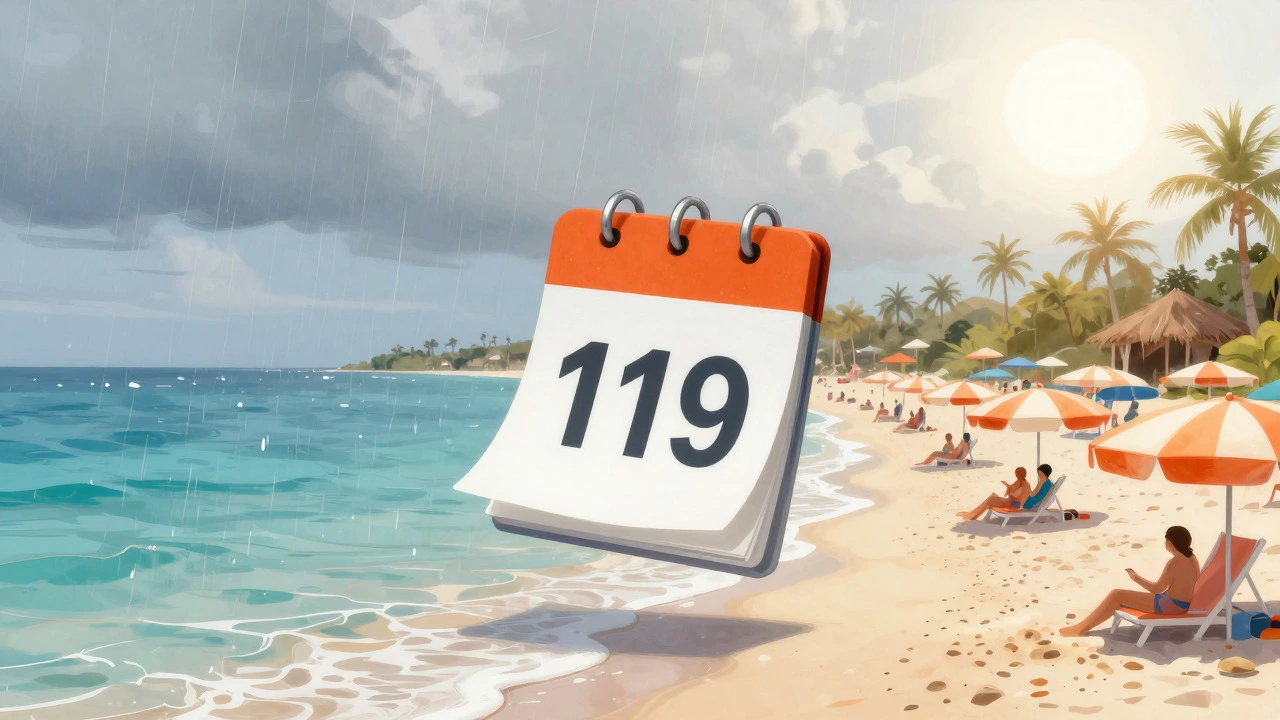
Timing is everything. The Caribbean has two main seasons: the dry season (December to April) and the wet season (May to November). Naturally, prices peak during the dry season, especially from December through February when snowbirds from Canada and the US flock to the islands.
To get the cheapest rates, aim for the shoulder months: May, June, September, and October. Yes, it’s rainy, but the rain usually comes in short, intense bursts rather than all-day drizzles. You’ll find hotel discounts of 20-40% during these months. Just be aware that hurricane season runs from June to November, with peak activity in August and September. If you’re traveling in these months, buy travel insurance that covers weather disruptions. It’s a small cost that can save you thousands if a storm hits.
Flights also fluctuate. Book early for shoulder season travel. Last-minute deals are rare in the Caribbean because capacity is limited. Use flight comparison tools and set alerts for specific dates. Sometimes flying into a neighboring island and taking a ferry or short flight to your destination can save money, though this adds complexity.
Practical Tips for Saving Money on the Ground
Even on the cheapest islands, small habits can add up. Here are some actionable tips to keep your budget intact:
- Drink Water Wisely: Tap water is safe in most urban areas, but bottled water is cheap. Buy large bottles and refill your own container. Avoid buying single-use plastic bottles everywhere.
- Negotiate Taxis: Unless you’re using a metered taxi (rare), always agree on the price before getting in. For longer trips, ask for a quote in cash, as card payments often incur surcharges.
- Eat Like a Local: Skip the touristy beachfront restaurants. Walk five minutes inland. You’ll find better food for half the price. Look for signs advertising *comida típica*, *local eats*, or simply follow the crowds of locals.
- Use Public Transport: Route taxis and buses are the backbone of Caribbean travel. They’re slower but incredibly cheap. Embrace the slowness; it’s part of the experience.
- Book Activities Locally: Don’t book boat tours or excursions at the airport or hotel desk. Walk into town and find independent operators. You’ll often get a better deal and a more personalized experience.
Common Pitfalls to Avoid
Many travelers blow their budget because of a few common mistakes. First, underestimating transport costs. Distances in the Caribbean can be deceptive. What looks like a 10-minute drive can take an hour due to winding roads and traffic. Factor in fuel or taxi fares accordingly.
Second, ignoring the exchange rate. Always check the current rate before exchanging money. Some banks offer poor rates, so use ATMs in busy areas for better fees. Carry a mix of cash and cards. Cash is king for small purchases and street food.
Third, falling for the "all-inclusive" trap if you don’t drink or eat a lot. If you’re a light eater and non-drinker, a standard hotel plus local meals will likely be cheaper. Calculate your personal consumption before committing to an all-inclusive package.
Frequently Asked Questions
Is the Dominican Republic really the cheapest Caribbean island?
Yes, for most travelers, the Dominican Republic offers the lowest baseline costs for accommodation and food. Its large size and high volume of tourism create competition that keeps prices down. However, individual experiences may vary based on location and travel style.
What is the best month to visit the Caribbean on a budget?
The shoulder months of May, June, September, and October typically offer the best deals. Prices drop significantly compared to the peak winter season, and while there is a chance of rain, it is usually brief. Travelers should purchase insurance during these months due to hurricane risks.
How much money do I need per day in the Caribbean?
A budget traveler can expect to spend between $45 and $75 per day in the Dominican Republic or Jamaica. This includes basic accommodation, three meals, and local transport. Luxury travelers should budget upwards of $150 per day.
Are all-inclusive resorts cheaper than staying in hotels?
It depends. All-inclusives are generally cheaper for couples or families who consume a lot of food and alcohol. For solo travelers or those who prefer local dining, a standard hotel or Airbnb with self-catering is often more economical.
Do I need a visa to visit the cheapest Caribbean islands?
Most citizens of the US, Canada, UK, and EU do not need a visa for stays up to 30 days in the Dominican Republic, Jamaica, and many other Caribbean nations. Always check the specific entry requirements for your nationality before booking flights.