UK City Break Matcher
Answer three quick questions to discover which UK city suits your next weekend getaway best.
Your Top Matches
Choosing a destination for a short trip can feel surprisingly hard. You want culture, good food, and maybe a bit of nightlife, but you also need it to be manageable in just two or three days. The UK is packed with options, yet some places are overrated tourist traps while others are hidden gems waiting to be discovered. If you're looking for the perfect UK city break, you need to match the vibe of the city with what you actually want to do.
Quick Summary: Key Takeaways
- Bath: Best for history buffs and relaxing spa experiences; walkable and visually stunning.
- Edinburgh: Ideal for dramatic scenery and festivals; requires more walking due to hills.
- Manchester: Great for music lovers and sports fans; offers excellent value for money.
- York: Perfect for families and medieval history enthusiasts; compact and easy to navigate.
- Bristol: The choice for street art fans and independent food scenes; vibrant and creative.
Why City Breaks Are the Ultimate Staycation Hack
A city break isn't just about ticking off landmarks. It's about stepping out of your routine without the stress of international travel logistics. No passports, no jet lag, and usually, no massive airport queues. The real value lies in the density of experiences. In a place like London or Manchester, you can visit a world-class museum in the morning, eat at a Michelin-starred restaurant at lunch, and catch live music at night, all within a few miles.
But here is the catch: not every city works for every type of traveler. Some are too spread out, requiring expensive taxis. Others are so crowded that the charm gets lost in the queue for a coffee. The key is picking a city that aligns with your energy levels and interests. Do you want to wander cobblestone streets? Or do you prefer modern architecture and shopping districts?
Top Contenders: A Detailed Look at the Best Options
Let's look at five cities that consistently deliver high-quality experiences for short trips. Each has distinct attributes that make them stand out from the rest.
| City | Best For | Walkability Score (1-10) | Average Hotel Cost/Night (GBP) | Must-See Attraction |
|---|---|---|---|---|
| Bath | Romance & History | 9 | £150 - £250 | The Roman Baths |
| Edinburgh | Scenery & Culture | 7 | £120 - £200 | Edinburgh Castle |
| Manchester | Music & Nightlife | 8 | £80 - £140 | Northern Quarter |
| York | Families & Medieval History | 10 | £100 - £160 | York Minster |
| Bristol | Food & Street Art | 8 | £90 - £150 | Clifton Suspension Bridge |
Bath: The Georgian Dream
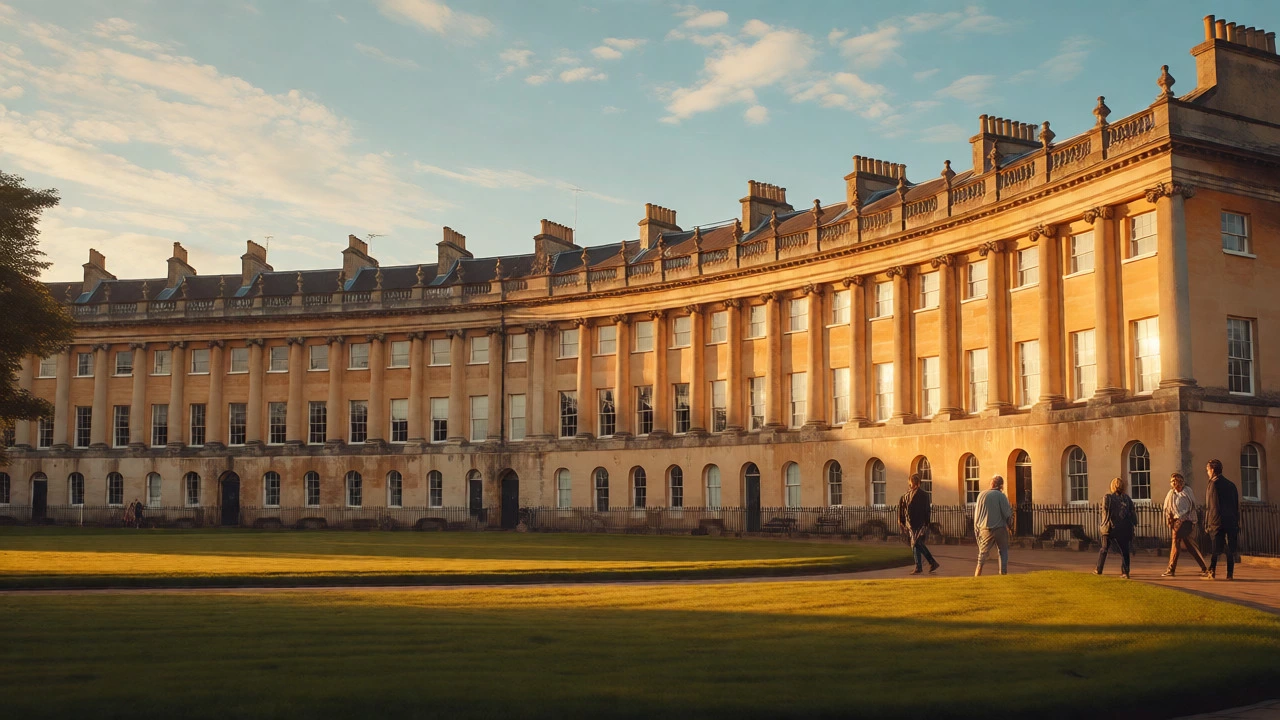
If you love architecture, Bath is unmatched. The entire city center is built from golden honey-colored limestone, giving it a warm glow that looks incredible in photos. It’s small enough to see on foot in a day, but rich enough to keep you busy for a long weekend. The Roman Baths are the obvious highlight, but don’t skip the Royal Crescent. Walking along these curved terraces feels like stepping into a period drama.
For a relaxed evening, book a table at one of the historic pubs near the Abbey. The atmosphere is calm, unlike the rowdy crowds you might find in larger cities. Just be prepared for higher accommodation costs. Because Bath is a premium destination, hotels often charge a premium, especially during the summer months.
Edinburgh: Drama and Depth
Edinburgh splits neatly into two parts: the Old Town and the New Town. The Old Town is a maze of narrow alleys called closes, towering tenements, and the imposing castle on its rock. It’s atmospheric, slightly spooky, and incredibly photogenic. The New Town, by contrast, is all wide boulevards and elegant squares. You get two completely different vibes in one trip.
One thing to watch out for is the weather. Even in summer, Edinburgh can be windy and cool. Pack layers. Also, if you’re visiting in August, the Fringe Festival takes over the city. It’s amazing, but prices skyrocket, and finding accommodation becomes a competitive sport. Book six months in advance if you plan to go then.
Manchester: More Than Just Football
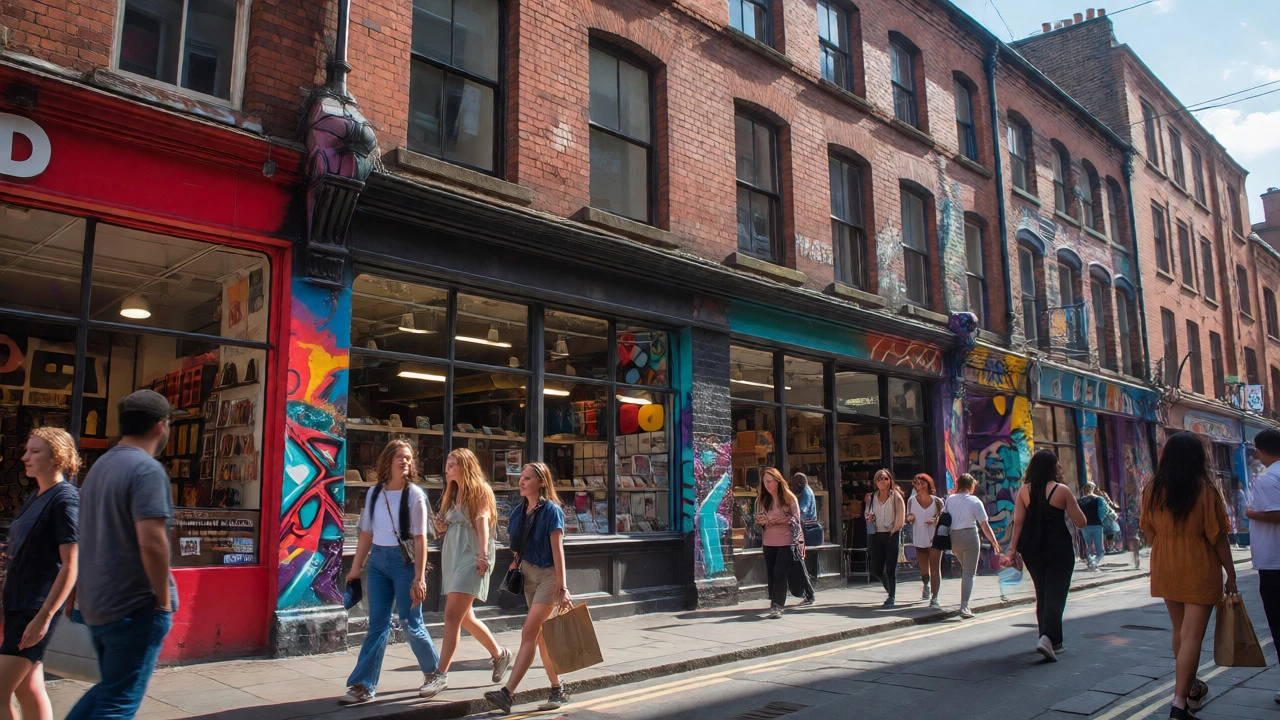
Manchester has shed its industrial reputation to become a cultural powerhouse. The Northern Quarter is the heart of this transformation, filled with vintage shops, indie record stores, and graffiti-covered walls. It’s gritty but creative. Foodies will love the diversity here, from traditional jellied eels to high-end Asian fusion.
Transport is easy. Trains from London take about two hours, making it a very accessible option for a quick escape. Unlike some southern cities, Manchester remains affordable. You can find great meals for under £15 and decent boutique hotels for reasonable rates. It’s also home to two major football clubs, so if you’re a sports fan, catching a match is a must-do activity.
York: Step Back in Time
York is arguably the most walkable city in the UK. The city walls encircle the center, creating a clear boundary between the bustling interior and the quiet suburbs. Inside, you’ll find Shambles Street, which inspired Diagon Alley in Harry Potter. It’s narrow, crooked, and lined with shops selling everything from wizard wands to artisanal cheese.
This is a family-friendly destination. The JORVIK Viking Centre brings history to life through animatronics and sensory exhibits that kids absolutely love. It’s educational without being boring. Plus, because the city is compact, you won’t exhaust yourself trying to get from point A to point B. You can spend the whole day exploring on foot and still have energy for dinner.
Bristol: Creative and Coastal
Bristol sits on the edge of the countryside but feels distinctly urban. It’s known for its harbor, which has been converted into a leisure area full of restaurants and bars. The Clifton Suspension Bridge, designed by Isambard Kingdom Brunel, offers spectacular views over the Avon Gorge. It’s a symbol of engineering prowess and a great spot for sunset photos.
The city has a strong alternative culture. Banksy started his career here, and you can still find his work scattered around town. The food scene is vibrant, with a focus on local produce and craft beer. Bristol is less polished than Bath but has more character. It’s ideal if you prefer an authentic, unscripted experience over curated perfection.

How to Choose the Right City for You
Picking a destination comes down to matching your priorities. Here is a simple decision tree to help you decide:
- Do you want romance and relaxation? Go to Bath. The spas and quiet evenings are unbeatable.
- Are you traveling with young children? Choose York. The Viking museum and compact size reduce travel stress.
- Do you love nightlife and music? Manchester is your best bet. The venues are legendary and the crowd is friendly.
- Do you want dramatic landscapes? Head to Edinburgh. Arthur’s Seat provides a natural hike right in the city.
- Are you on a tight budget? Consider Liverpool or Sheffield. They offer similar cultural depth to Manchester but at lower prices.
Practical Tips for a Smooth Trip
Booking early saves money, but flexibility saves sanity. Train tickets in the UK use dynamic pricing, meaning they get more expensive as the departure date approaches. Booking 8-12 weeks in advance can save you up to 50% compared to buying on the day.
Check for local events before you book. A major concert or festival can inflate hotel prices and block roads. Conversely, attending a niche festival can make your trip unique. Always check the city council website or tourism board for event calendars.
Packing light is crucial. Many UK city centers have cobbled streets and stairs. Rolling suitcases struggle on cobblestones. If you can, pack a backpack. It makes navigating train stations and uneven pavements much easier. Also, bring a rain jacket. Even if the forecast says sun, the UK weather changes quickly.
Common Pitfalls to Avoid
Don’t try to do too much. One of the biggest mistakes travelers make is scheduling every hour. You end up exhausted and stressed instead of refreshed. Pick three main activities per day and leave room for wandering. Some of the best memories come from stumbling upon a hidden cafe or park.
Be wary of tourist trap restaurants located directly next to major attractions. They often serve mediocre food at inflated prices. Walk two blocks away from the landmark, and you’ll find better quality and fairer prices. Locals rarely eat where tourists gather.
What is the cheapest UK city break?
Liverpool and Newcastle are generally among the most affordable options. Accommodation and dining costs are significantly lower than in London, Bath, or Edinburgh. You can often find double rooms for under £70 per night outside of peak festival times.
Which UK city is best for a first-time visitor?
London is the classic choice because it has everything, but it can be overwhelming. For a more manageable first experience, York or Bath are excellent alternatives. They are smaller, safer, and offer a concentrated dose of British history and charm without the chaos of a mega-city.
Is Edinburgh worth visiting in winter?
Yes, especially around Christmas. The Edinburgh Christmas Market is one of the largest in Europe, and the city looks magical with snow on the castle. However, days are short, and temperatures drop below freezing, so pack thermal layers and plan indoor activities for the evenings.
How many days do I need for a city break?
Two nights and three days is the sweet spot for most UK cities. This gives you a full day for sightseeing, a half-day for arrival/departure, and time to enjoy the local food scene. Anything less feels rushed; anything more might require venturing into the surrounding countryside.
Are UK city breaks suitable for vegetarians?
Absolutely. Cities like Manchester, Brighton, and Bristol have thriving vegan and vegetarian scenes. Most mainstream restaurants now offer dedicated plant-based menus, not just side salads. You will rarely struggle to find high-quality meat-free options in any major UK city.
Next Steps for Planning Your Trip
Start by checking train availability for your desired dates using a national rail aggregator. Once you have transport sorted, look at accommodation reviews specifically mentioning location. Being central saves time and taxi fares. Finally, book one key attraction in advance to secure a slot, then let the rest of the itinerary breathe. Enjoy the journey.