Summer Break Destination Finder
Not sure where to go? Answer these three quick questions to find your ideal summer escape.
Standing on your porch in Toronto in July, sweating through a t-shirt while the humidity hits 90%, you start asking yourself one question: where is the best place to go on summer break? It’s not just about escaping the heat. It’s about finding that perfect mix of relaxation, adventure, and value before your time off runs out. With so many options flooding your social feeds, choosing feels impossible. But here’s the truth: there is no single "best" spot for everyone. The right destination depends entirely on what you need from your break.
Are you looking to decompress with zero effort? Do you want to hike until your legs give out? Or maybe you’re trying to keep costs under $1,500 per person? This guide cuts through the noise. We’ll look at specific places that deliver exactly what different types of travelers need during the peak season. No fluff, just concrete reasons why these spots work, who they are for, and how to make them happen.
Key Takeaways
- For pure relaxation: All-inclusive resorts in Mexico or Caribbean islands offer predictable pricing and zero decision fatigue.
- For nature lovers: National parks like Banff or US Southwest locations provide cooler temperatures and stunning visuals, but require early booking.
- For city breaks: European cities like Lisbon or Porto offer great food and culture at lower costs than London or Paris, though crowds are high.
- For budget travelers: Domestic road trips or camping in Ontario/Quebec can cost less than half of international flights when planned correctly.
- Timing matters: Booking flights 3-4 months out and staying mid-week often saves 20-30% compared to peak weekend rates.
Decoding Your Travel Style
Before you open a booking site, you need to be honest about what you actually want. Most people say they want "relaxation," but then spend their entire trip trying to see ten museums. That’s not relaxing; that’s work. If you hate making decisions, an All Inclusive Holiday is your best friend. You pay upfront, eat when you want, and do nothing if you feel like it. Places like Cancun or Punta Cana dominate this space because they remove the friction of daily logistics.
On the other hand, if you get restless sitting still, you might prefer active travel. Think hiking in Banff National Park or cycling along the coast of Portugal. These trips require more energy but leave you feeling accomplished rather than just rested. The key is matching the activity level to your current stress levels. If you’re burned out from work, don’t plan a marathon itinerary. If you’re bored, don’t book a beach chair.
Top Beach Escapes for Sun Seekers
When most people think of summer, they picture sand and sea. But not all beaches are created equal. Some are crowded tourist traps with overpriced cocktails; others are serene coves where you can hear the waves crash without hearing another human voice.
If you want luxury without the hassle, look at Punta Cana, Dominican Republic. It’s become a favorite for Canadians because direct flights from Toronto are frequent and affordable. The resorts here have improved significantly in quality. You’re not stuck with buffet-only dining anymore; many now offer à la carte restaurants included in the price. The trade-off? You’re likely to stay within the resort bubble. If exploring local culture matters to you, this might feel too isolated.
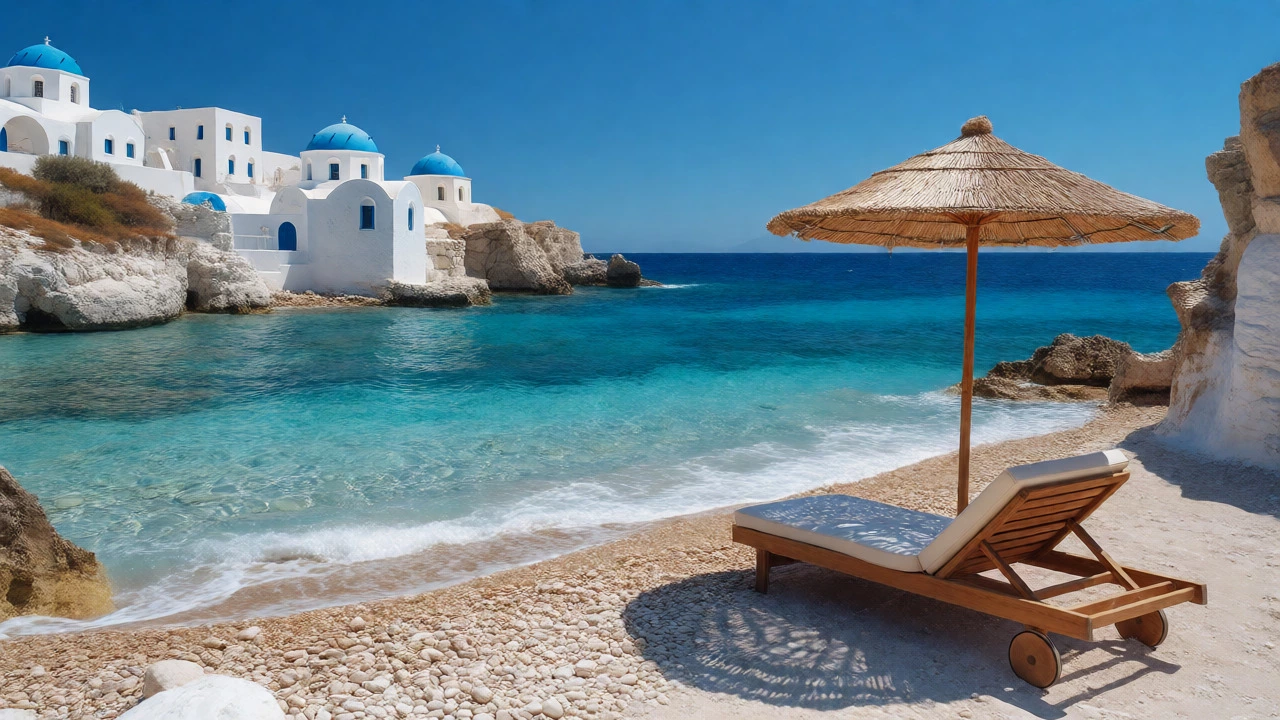
For those wanting more authenticity, consider the Greek Islands. Santorini gets the photos, but Naxos offers similar beauty with fewer crowds and better prices. Ferries connect the islands easily, allowing you to hop from one vibe to another. The water is clear, the food is fresh, and the history is everywhere. Just be prepared for intense sun and higher airfare costs from North America. Book ferries in advance-they sell out fast in August.
| Destination | Average Cost (7 Days) | Best For | Flight Time from Toronto |
|---|---|---|---|
| Punta Cana | $1,800 - $2,500 | Families & Relaxation | ~4 hours |
| Naxos, Greece | $2,200 - $3,000 | Couples & Culture | ~10 hours + Ferry |
| Tulum, Mexico | $2,000 - $2,800 | Boho Vibe & Nightlife | ~5 hours |
| Algarve, Portugal | $1,900 - $2,600 | Foodies & Golfers | ~8 hours |
Nature and Adventure Hotspots
Summer heat in cities can be brutal. If you’d rather cool down than tan, head north or up in altitude. Canada has some of the world’s best national parks, and they shine in July and August. Jasper National Park in Alberta is often overlooked by tourists flocking to Banff, which means slightly fewer crowds and equally dramatic scenery. The Icefields Parkway drive alone is worth the trip. Temperatures hover around 20°C (68°F), making hiking comfortable.
However, nature travel comes with a caveat: wildlife safety and weather unpredictability. You need proper gear even in summer. A sudden rainstorm in the Rockies can drop temps to 5°C (41°F). Also, campsite reservations open six months in advance and vanish in minutes. If you miss out, check for cancellation lists daily. Alternatively, book a cabin inside the park for guaranteed shelter, though it costs more.
For something warmer but still adventurous, try Iceland. While known for winter auroras, summer offers midnight sun and accessible highland roads. Hiking Landmannalaugar requires a 4x4 vehicle, but the colorful rhyolite mountains are unlike anything else on Earth. It’s expensive-expect to pay $300+ per night for decent lodging-but the landscapes justify the cost for photographers and hikers.

City Breaks with Cultural Depth
Not everyone wants a beach or a mountain. Sometimes you crave architecture, museums, and late-night dinners. Europe remains the top choice, but popular capitals like Paris and Rome are overrun in summer. Look for secondary cities instead.
Lisbon, Portugal has surged in popularity for good reason. It’s cheaper than Madrid or Barcelona, the food is incredible, and the light is magical. Ride Tram 28, eat pastéis de nata in Belém, and take a day trip to Sintra’s fairy-tale palaces. The downside? Hills. Lots of them. Wear comfortable shoes or plan your route carefully to avoid exhaustion.
Alternatively, consider Kyoto, Japan. Yes, it’s hot and humid in summer, but the greenery is lush, and the festivals are vibrant. Avoid Golden Week and Obon if possible, as domestic tourism spikes. Staying in a traditional ryokan adds to the experience. Flights are long, but if you have two weeks, combine Kyoto with Tokyo for a comprehensive cultural immersion.
Budget-Friendly Alternatives
International travel isn’t always feasible. Gas prices, inflation, and exchange rates can sting. Fortunately, you don’t need to fly overseas for a memorable break. Prince Edward County in Ontario has transformed into a chic getaway spot. Wineries, farm-to-table restaurants, and quiet beaches make it ideal for couples. It’s only a three-hour drive from Toronto, saving thousands on flights.
For families, PEI (Prince Edward Island) offers red sand beaches, lighthouses, and Anne of Green Gables sites. Camping here is well-maintained and affordable. Pack a cooler and cook your own meals to keep costs low. You can easily spend a week for under $1,000 for a family of four, excluding gas.
Another smart move: house swapping. Platforms like HomeExchange allow you to stay in someone else’s home for free. You clean up after yourself, and they do the same. This works best if you’re flexible with dates and location. It eliminates accommodation costs, which usually account for 40-50% of a trip budget.
Practical Tips for Booking Summer Trips
Summer is peak season for a reason: school holidays and warm weather align. Prices reflect this demand. Here’s how to beat the rush:
- Book Early: For flights to Europe or Asia, aim to book 4-6 months in advance. For domestic trips, 2-3 months is usually sufficient.
- Travel Mid-Week: Flying Tuesday or Wednesday often saves 15-25% compared to Friday departures. Hotels also offer better rates Sunday through Thursday.
- Use Points Wisely: If you have credit card points, use them for flights rather than hotels. Airline award seats tend to hold value better during peak seasons.
- Check Cancellation Policies: Weather events or personal emergencies can derail plans. Flexible tickets cost more but save headaches later.
- Pack Light: Carry-on only saves baggage fees and time at airports. In summer, you can wash clothes in the sink and dry them overnight.

Related Concepts and Connected Topics
Choosing a destination is just the first step. Next, you’ll need to consider travel insurance, especially if you’re booking non-refundable rates. Many policies cover trip interruptions due to severe weather-a growing concern with climate change affecting hurricane seasons in the Caribbean and wildfires in North America.
Also, think about sustainable travel. Overtourism damages fragile ecosystems in places like Venice and Bali. Choosing lesser-known alternatives or traveling during shoulder seasons (late May or early September) reduces your environmental impact and improves your experience. Local guides and eco-certified accommodations support communities directly, ensuring your money stays in the destination.
Frequently Asked Questions
Is it cheaper to travel domestically or internationally for summer break?
It depends on your group size and origin. For solo travelers or couples from major hubs like Toronto, international deals to Mexico or Europe can sometimes rival domestic flight costs. However, for families of four+, domestic trips via car or train are almost always cheaper due to cumulative airfare and hotel costs. Always compare total trip cost, not just ticket price.
What is the cheapest month for summer travel?
June and late August are typically cheaper than July. Schools end in June, causing a spike, but early June is often quieter. Late August sees prices drop as families return home for the new school year. If you can travel in September, you’ll find the best value with still-warm weather in many southern destinations.
Do I need travel insurance for a summer break?
Yes, especially for international trips. Medical emergencies abroad can cost tens of thousands of dollars. Insurance also covers trip cancellations, lost luggage, and delays. Given the increase in extreme weather events disrupting travel, coverage for trip interruption is increasingly valuable. Check if your credit card already provides primary coverage to avoid double-paying.
How far in advance should I book summer holidays?
For peak summer (July-August), book flights 3-6 months in advance. Accommodations in popular spots like Banff or European cities should be booked 6-9 months ahead. Last-minute deals exist but are risky for specific destinations. If you’re flexible, waiting until 4-6 weeks out might yield discounts, but availability will be limited.
What are the best summer destinations for families with kids?
All-inclusive resorts in Mexico and the Caribbean are top choices because they handle entertainment and childcare, giving parents a break. Domestically, Disney World in Orlando or theme parks in California remain popular. For nature-loving families, Canadian national parks offer educational programs and safe swimming areas. Choose based on whether your kids prefer structured activities or outdoor exploration.
Next Steps and Troubleshooting
You’ve got the options. Now, narrow it down. Pick your top three destinations based on budget and interest. Then, set fare alerts on apps like Skyscanner or Google Flights. Watch them for two weeks. When you see a dip, book immediately. Don’t wait for a "better" deal-it rarely comes during peak season.
If you’re struggling with visa requirements, check official government websites early. Processing times vary. For Schengen Area countries, apply at least three months before departure. If you’re driving, ensure your license is valid internationally and consider renting a car with unlimited mileage to avoid surprise charges.