
City Break Budget Estimator
Plan your weekend getaway. Select a destination from our top value picks or adjust for other European cities to estimate your total trip cost.
Estimated Trip Costs
$0
$0
You’ve got a long weekend, a tight budget, and a craving for something different. You’re not looking for a week-long beach slog where you just lie around. You want energy, culture, good food, and that specific buzz of being somewhere new. But here’s the problem: "best" is subjective. Is it about the cheapest flights? The most walkable streets? Or maybe the cities where your money stretches furthest?
There is no single best city break for everyone. However, there are clear winners depending on what you value. If you’re hunting for cheap holidays without sacrificing experience, certain cities consistently outperform others in terms of value-for-money. I’ve spent years hopping between capitals with a backpack and a strict daily limit, and I’ve learned which places deliver high-impact experiences for low-cost entry.
Defining Your Ideal City Break
Before booking anything, ask yourself what you actually want. A "city break" usually means two to four nights. It’s short, intense, and focused. For budget travelers, this format is perfect because you don’t need luxury hotels or expensive tours. You need efficient logistics and affordable basics.
The core jobs you need to complete are simple:
- Find a destination with low accommodation costs.
- Ensure public transport is cheap and reliable.
- Access free or low-cost attractions.
- Eat well without blowing your daily budget.
If you prioritize nightlife, Eastern Europe wins. If you prefer history and art, Southern Europe might be better, even if it costs slightly more. Let’s look at the top contenders for 2026 based on current pricing trends and traveler feedback.
Top Value Destinations for Budget Travelers
When we talk about value, we aren’t just talking about the sticker price. We’re talking about what you get for every dollar spent. Here are three cities that consistently rank as the best bang-for-buck options right now.
Budapest, Hungary
Budapest remains the undisputed king of affordable European escapes. Why? Because the currency exchange rate still heavily favors visitors from North America and Western Europe. You can find clean, central apartments for under $50 a night. Food is incredibly cheap-a hearty goulash dinner often costs less than $10. Plus, the thermal baths are a unique attraction that doesn’t require an expensive spa day; entry to Széchenyi Thermal Bath is reasonable and offers hours of relaxation.
Budapest is the capital of Hungary, known for its historic architecture, thermal baths, and vibrant nightlife. It combines grand imperial history with a gritty, modern ruin bar scene that is largely free to enter.
Lisbon, Portugal
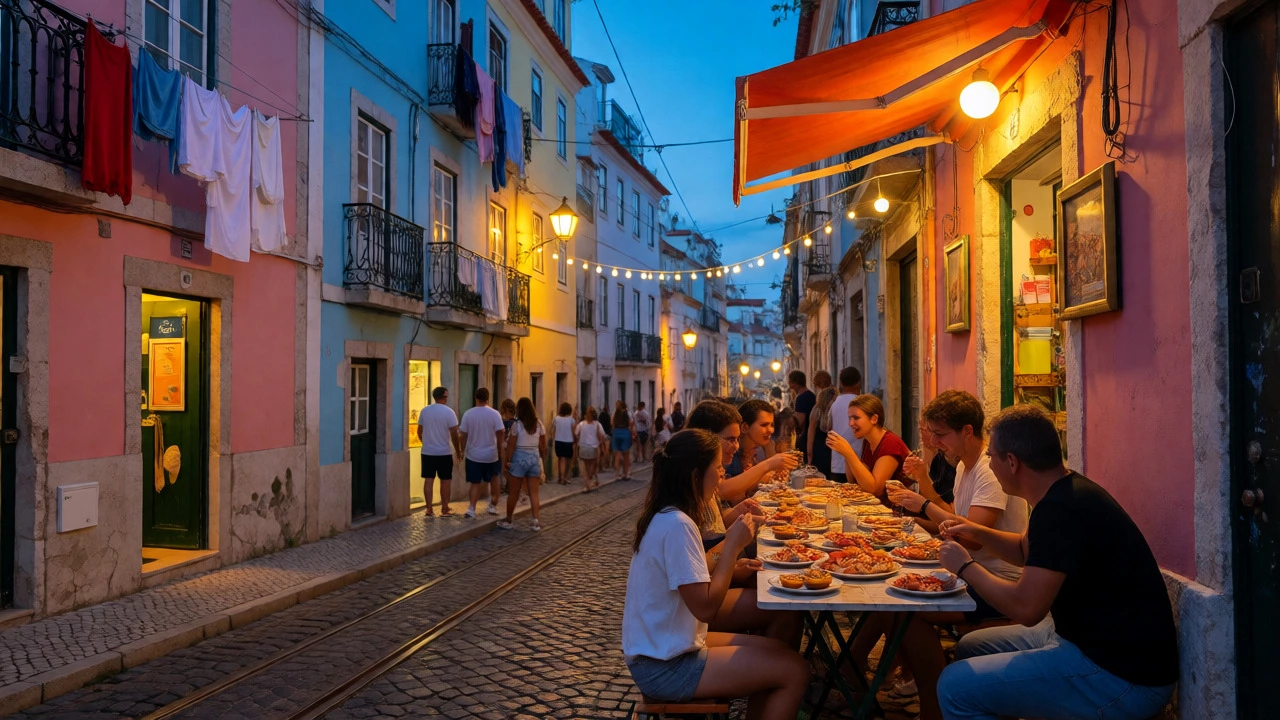
Lisbon has gotten pricier in recent years, but it remains cheaper than Paris, London, or Amsterdam. The key to saving money here is avoiding the tourist traps in Baixa and sticking to neighborhoods like Alfama or Mouraria. Tram 28 is iconic but crowded; walking is often faster and free. The food scene is exceptional-pastéis de nata cost cents, and local tascas serve fresh seafood for very little. If you book flights early, you can snag round-trip tickets from major hubs for under $400.
Krakow, Poland
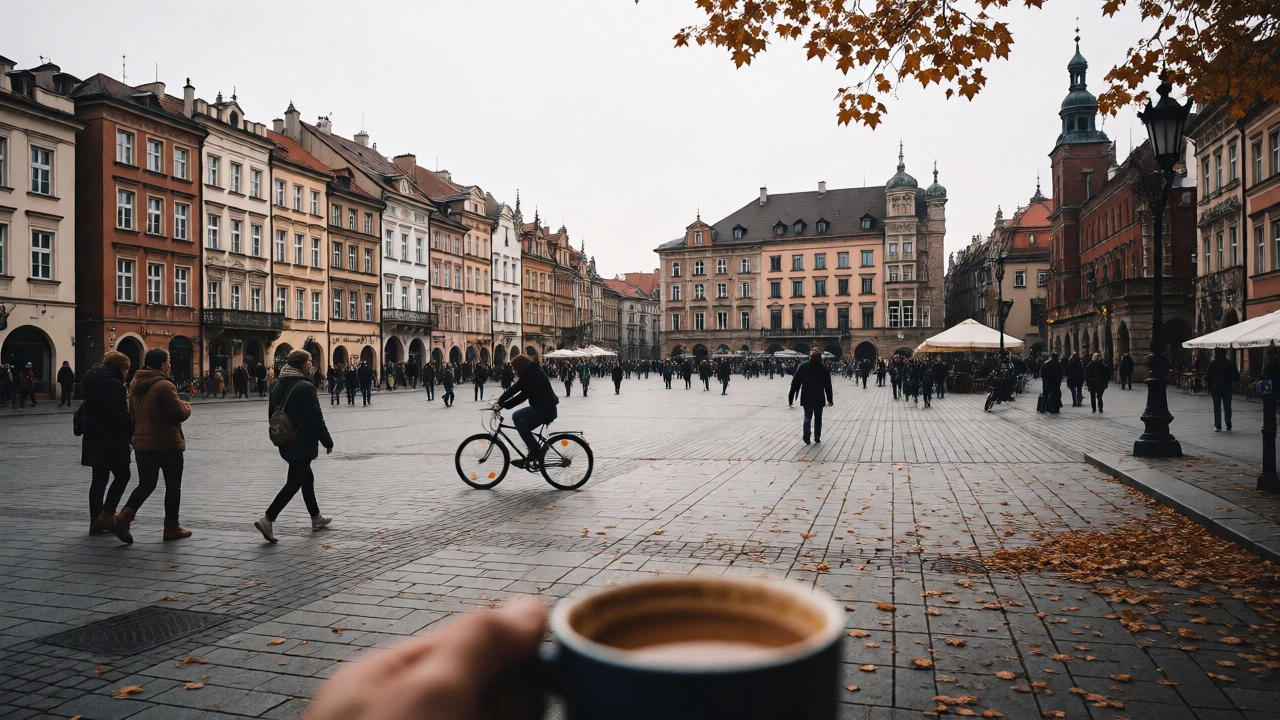
If you want history that hits hard, go to Krakow. The Old Town is UNESCO-listed and stunningly preserved. Accommodation is dirt cheap-you can stay in a boutique hotel for the price of a hostel bed in other capitals. Beer is cheaper than water in many places (a joke, but close to true). The proximity to Auschwitz-Birkenau adds a profound historical layer to your trip, accessible via a cheap bus ride.
| City | Avg. Nightly Stay | Meal Cost | Best For |
|---|---|---|---|
| Budapest | $45 - $70 | $8 - $12 | Nightlife & Spas |
| Lisbon | $60 - $90 | $10 - $15 | Food & Views |
| Krakow | $35 - $55 | $6 - $10 | History & Culture |
How to Keep Costs Down
Choosing the right city is half the battle. The other half is how you spend your time there. Most people waste money by over-scheduling. They buy tickets to five museums in one day and eat at restaurants recommended by their hotel concierge. That’s a recipe for burnout and a drained wallet.
Instead, adopt these rules:
- Walk everywhere. City breaks are meant to be walked. You see more, and you save on transit fares. In cities like Prague or Vienna, the centers are compact enough to cover on foot in a few hours.
- Eat where locals eat. Avoid any restaurant with photos of food on the menu or a person outside trying to wave you in. Walk two blocks away from the main square. Prices drop by 30% immediately.
- Use free walking tours. Almost every major city has a free walking tour company (like Sandemans or GuruWalk). You tip what you feel the guide was worth. This gives you context for the sights so you only pay to enter the ones that genuinely interest you.
Accommodation strategy matters too. Don’t stay in the absolute center if it doubles your cost. Look for areas connected by direct metro lines. In Budapest, District VII is fun and cheap. In Lisbon, Intendente is up-and-coming and affordable. You’ll save $20-$30 a night, which covers several meals.
Timing Your Trip for Maximum Savings
Travel dates dictate prices more than almost anything else. Flying during peak summer (July-August) or major holidays (Christmas, Easter) will inflate costs by 50-100%. To get the best deal, aim for shoulder seasons: late April to early June, or September to October.
Weather in these windows is often better than midsummer anyway. You avoid the crowds, meaning shorter lines at attractions and easier table reservations. If you’re flexible, use flight comparison tools to set alerts for your desired region. Sometimes flying into a nearby city and taking a train is cheaper. For example, flying into Berlin instead of Munich can save you $100 per ticket, and the train ride is scenic and fast.
Common Pitfalls to Avoid
I’ve made all the mistakes so you don’t have to. Here are the big ones:
- Ignoring luggage fees. Budget airlines charge extra for checked bags. Stick to a carry-on if possible. Pack light. You don’t need three outfits for a three-day trip.
- Overpaying for airport transfers. Taxis from airports can be pricey. Research the public bus or train options beforehand. In Budapest, the 100E bus connects the airport to the city center for a fraction of the taxi fare.
- Booking everything in advance. Unless it’s a highly specific tour (like a restricted museum), leave room for spontaneity. Some of the best memories come from wandering into a hidden courtyard or stumbling upon a local market.
Also, watch out for "tourist taxes." Many European cities add a small nightly fee to your hotel bill. It’s usually minor ($2-$5), but it adds up if you’re staying multiple nights. Factor it into your budget.
Final Thoughts on Choosing Your Destination
So, what is the best city break? If you want maximum value, go to Budapest or Krakow. If you want a mix of sun, sea, and culture, pick Lisbon. If you’re closer to home and want ease, consider Montreal or Quebec City-they offer European charm without the transatlantic flight cost.
The "best" trip is the one that fits your budget and interests without causing stress. Plan loosely, pack lightly, and say yes to unexpected opportunities. That’s how you turn a cheap holiday into a memorable adventure.
Which city is the cheapest for a weekend break?
Budapest, Hungary, and Krakow, Poland, are consistently among the cheapest major European cities for weekend breaks. Accommodation, food, and entertainment costs are significantly lower than in Western Europe, allowing travelers to enjoy a high-quality experience on a limited budget.
Is it better to fly or take a train for a city break?
It depends on your starting location. For distances under 500 km, trains are often faster door-to-door when accounting for airport security and travel time. Trains also allow you to bring more luggage without fees. For longer distances, flying is usually quicker and sometimes cheaper if booked in advance.
What is the best time of year for a budget city break?
The shoulder seasons-April to May and September to October-are ideal. Prices for flights and hotels are lower than in peak summer, the weather is generally mild, and tourist crowds are thinner, making for a more relaxed experience.
Do I need to speak the local language?
No, especially in major tourist cities across Europe. English is widely spoken in hospitality, tourism, and retail sectors. Learning a few basic phrases like "hello," "thank you," and "please" is appreciated and can help build rapport with locals, but it’s not essential for navigation.
How much should I budget for a 3-day city break?
For a budget-conscious traveler in Eastern Europe, expect to spend $150-$250 per person for three days, excluding flights. This includes moderate accommodation, local meals, public transport, and some paid attractions. In Western Europe, double that estimate.