Cultural Travel Fit Finder
Answer a few questions to discover which of the four top cultural cities best matches your travel style and priorities.
Step 1: What draws you most to a cultural city?
Step 2: How comfortable are you with language barriers?
Step 3: What kind of pace do you prefer?
Step 4: What is your primary budget priority?
Why This City Fits You
Standing in the shadow of the Colosseum or wandering through the narrow alleys of Kyoto, you realize that cultural cities aren't just places on a map. They are living museums where history breathes, art hangs on every corner, and food tells stories older than empires. If you are planning a trip in 2026 and want more than just a beach day, you need destinations that engage your mind as much as they relax your body.
This guide cuts through the noise to highlight the most impactful places for cultural immersion. We are looking at cities where the architecture, cuisine, and daily life offer a deep dive into human heritage. Whether you prefer the grandeur of European capitals or the vibrant street energy of Asian metropolises, these spots deliver authentic experiences without the typical tourist trap fatigue.
Key Takeaways
- Istanbul is a unique bridge between East and West, offering Byzantine and Ottoman heritage in one compact area.
- Kyoto preserves traditional Japanese aesthetics with over 1,600 temples and historic tea houses.
- Marrakech provides an intense sensory experience of North African culture through its medinas and souks.
- Bogotá has transformed into a hub for contemporary Latin American art and gastronomy.
- Timing your visit around local festivals significantly enhances the depth of cultural engagement.
The Bridge Between Worlds: Istanbul
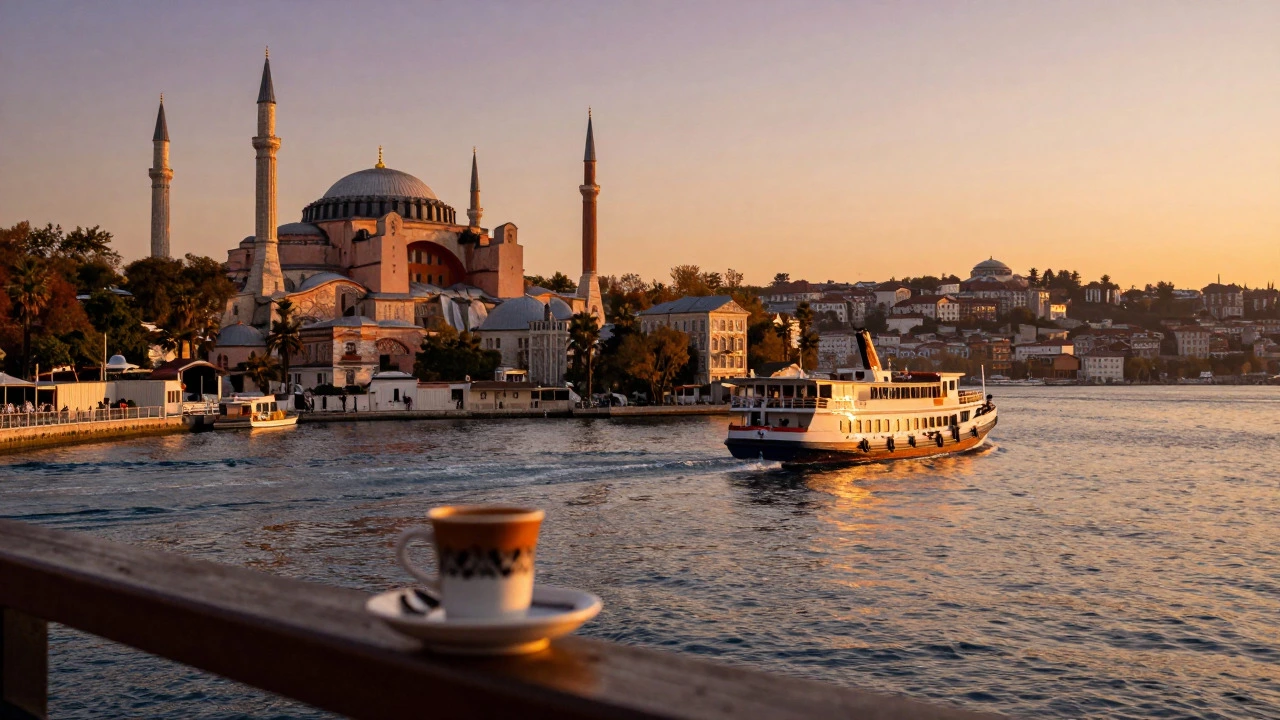
Istanbul is the only city in the world situated on two continents, Europe and Asia. This geographic fact shapes its entire cultural identity. You don't just see history here; you feel the weight of three empires-Roman, Byzantine, and Ottoman-that left their marks on the skyline. The Hagia Sophia, originally built in 537 AD, still stands as a testament to architectural ambition, blending Christian mosaics with Islamic calligraphy.
But Istanbul isn't just about ancient stones. The Bosphorus Strait offers boat rides that connect the European side's bustling Grand Bazaar with the Asian side's quieter residential neighborhoods. For a true cultural connection, skip the standard tour bus and take a ferry across the water. Sit with locals, drink Turkish coffee prepared in copper pots, and watch the sunset paint the minarets gold. It’s a moment of pause that defines the city’s rhythm.
Timeless Aesthetics in Kyoto
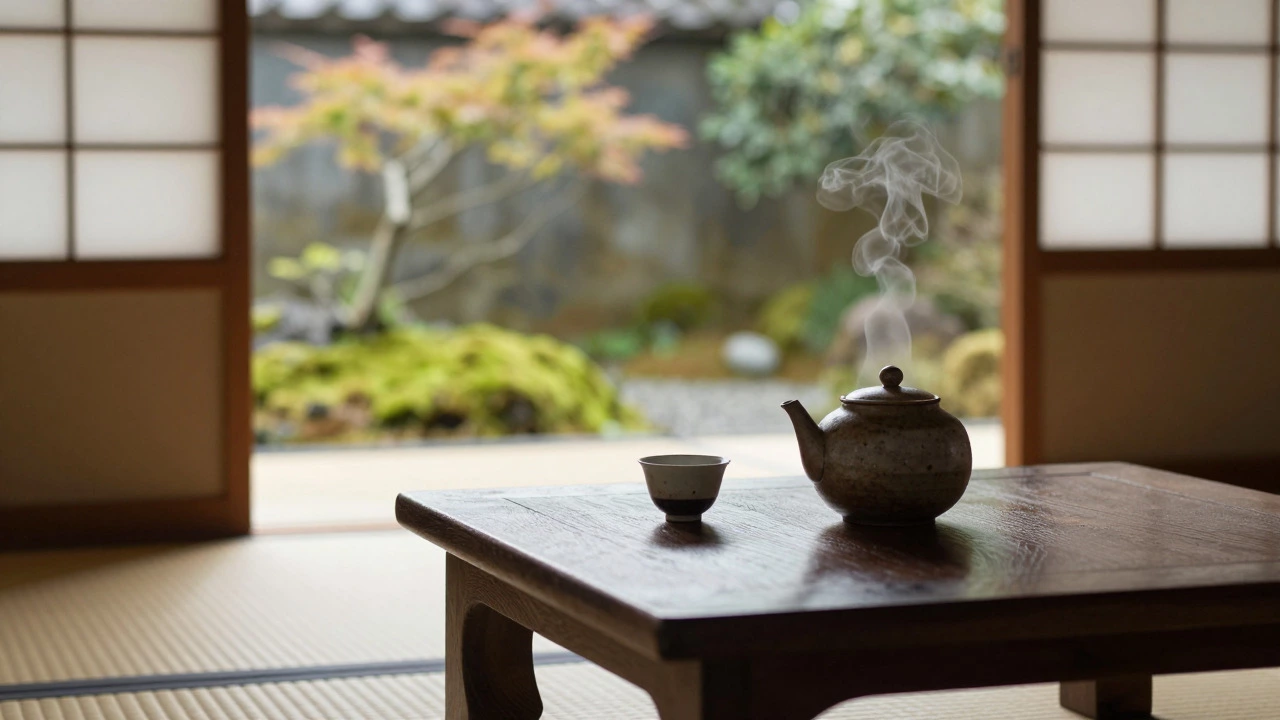
If you associate Japan with neon lights and high-speed trains, Kyoto will surprise you. As the former imperial capital, it remains the heart of traditional Japanese culture. While Tokyo moves fast, Kyoto moves deliberately. Here, the concept of *wabi-sabi*-finding beauty in imperfection-is visible in the moss gardens of Kinkaku-ji (the Golden Pavilion) and the simple elegance of wooden machiya townhouses.
Culturally, Kyoto is defined by its preservation efforts. The city maintains strict zoning laws to protect its historic districts from modern development. This means when you walk through Gion, you are walking through a preserved slice of Edo-period Japan. Geiko (geisha) can still be seen practicing their craft, though spotting them requires patience and respect rather than chasing. A morning tea ceremony in a centuries-old house offers a quiet counterpoint to the chaos of modern urban life, allowing you to understand the discipline and mindfulness central to Japanese tradition.
Sensory Overload in Marrakech
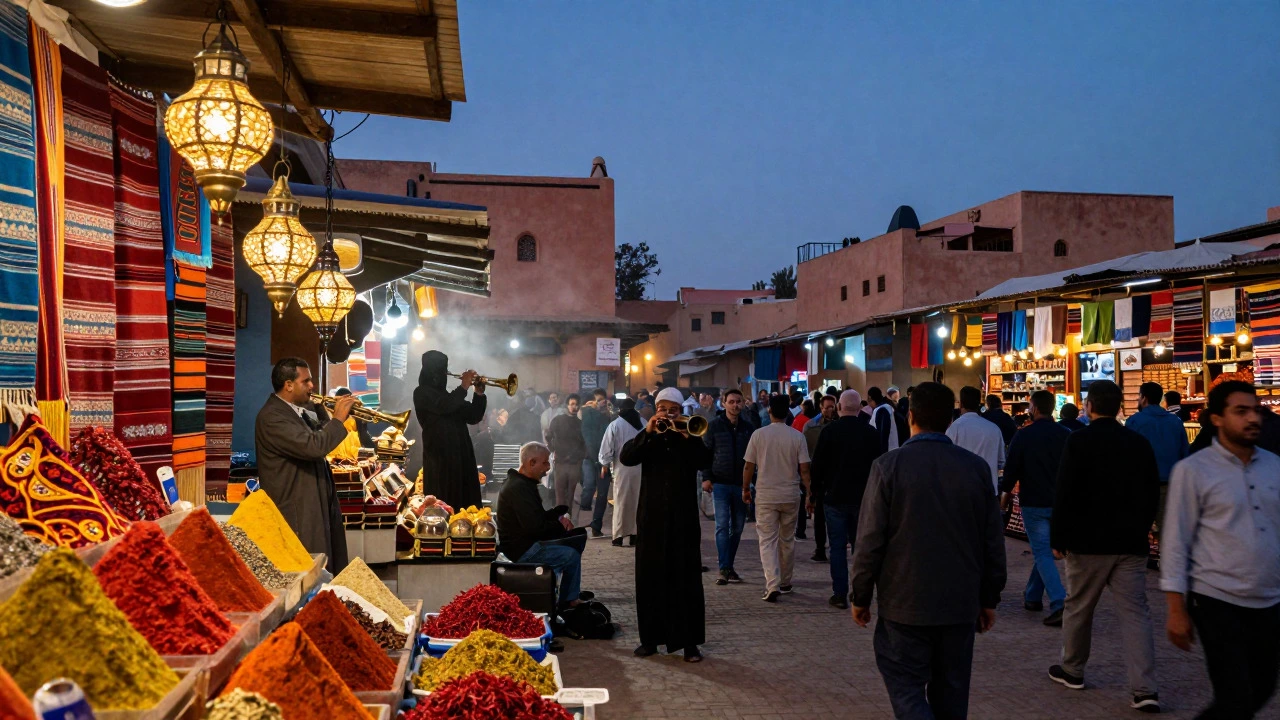
Marrakech is a walled city in Morocco known for its vibrant souks, palaces, and gardens. Unlike the structured layouts of European cities, Marrakech’s medina is a labyrinth. Getting lost isn’t a mistake; it’s part of the experience. The air smells of saffron, leather, and cumin. Sounds range from the clatter of brass instruments to the call to prayer echoing off ancient walls.
The cultural core here is the Jemaa el-Fnaa square. By day, it’s a market for spices and carpets. By night, it transforms into a massive open-air theater with storytellers, musicians, and food stalls serving tagine and couscous. To truly engage, you must participate. Haggling in the souks isn’t just about saving money; it’s a social ritual. Learning a few phrases in Darija (Moroccan Arabic) opens doors that English never could. The hospitality in Marrakech is legendary, often turning strangers into friends over mint tea.
Rising Art Hub: Bogotá
For decades, Bogotá was overlooked by international travelers due to safety concerns. Today, it is one of the most exciting cultural destinations in South America. The city has reinvented itself as a center for contemporary art, music, and gastronomy. The Museo del Oro holds the world’s largest collection of pre-Columbian gold artifacts, offering a glimpse into the sophisticated civilizations that existed before European contact.
Beyond the museums, the culture lives in the streets. The Chapinero district is famous for its street art, with murals covering nearly every wall. These aren’t just decorations; they tell stories of social change, indigenous heritage, and political history. At night, the salsa clubs fill up with dancers of all ages. Salsa in Bogotá isn’t just a dance; it’s a community bond. Joining a beginner class is the fastest way to break the ice with locals and understand the rhythmic soul of Colombian culture.
Comparing Cultural Experiences
| City | Primary Cultural Focus | Best Time to Visit | Key Experience | Language Barrier Level |
|---|---|---|---|---|
| Istanbul | Historical Architecture & Religion | April-May, September-October | Ferry ride across the Bosphorus | Medium (English widely spoken) |
| Kyoto | Traditional Arts & Nature | March-April (Cherry Blossoms), November | Tea Ceremony in Gion | High (Limited English outside tourist zones) |
| Marrakech | Market Culture & Hospitality | March-May, September-November | Navigating the Medina Souks | Medium (French/Arabic dominant) |
| Bogotá | Contemporary Art & Music | December-February (Dry Season) | Salsa Dancing in Chapinero | Low-Medium (Spanish primary) |
How to Maximize Your Cultural Immersion
Visiting a famous landmark is passive. True cultural immersion requires active participation. Here is how to deepen your experience in any of these cities:
- Eat where locals eat: Skip the restaurants with menu photos. Look for places with handwritten signs or no English menus. In Marrakech, this might mean a small stall in the medina. In Kyoto, it could be a tiny ramen shop with a six-seat counter.
- Learn five essential phrases: You don’t need fluency. Knowing "thank you," "delicious," and "beautiful" in the local language changes how people interact with you. It signals respect.
- Attend a local event: Check if there is a festival, market day, or religious holiday during your stay. Even if you don’t fully understand the rituals, observing the community gather creates a powerful sense of belonging.
- Take a guided walk, not a bus tour: Walking allows you to notice details-a carved door, a specific tile pattern, a street vendor’s technique-that buses rush past.
Common Pitfalls to Avoid
Even with the best intentions, travelers can miss the mark. One common mistake is treating cultural sites as photo backdrops. Standing in front of the Taj Mahal or the Parthenon is fine, but spending time understanding the context enriches the view. Another pitfall is staying in overly sanitized hotel zones. While convenient, these areas often isolate you from the daily reality of the city. Try to spend at least one evening in a neighborhood where tourists are rare. You’ll hear different conversations, see different faces, and gain a more balanced perspective on the destination.
Practical Tips for 2026 Travelers
As we move into 2026, several factors influence cultural travel. Sustainability is becoming a major concern. Many cities are implementing measures to manage overtourism. In Venice, for example, entry fees have been introduced for day-trippers. In Kyoto, some temples limit visitor numbers to preserve the grounds. Booking accommodations and popular experiences early is crucial. Additionally, digital nomad visas are expanding, allowing longer stays that facilitate deeper cultural integration. If you have the flexibility, consider staying in a single city for ten days instead of hopping between five. Depth beats breadth when it comes to understanding a culture.
Which city is best for first-time cultural travelers?
Istanbul is often recommended for beginners because it offers a mix of historical landmarks and accessible street culture. The infrastructure is well-developed for tourists, and many locals speak English. However, if you prefer Asian culture, Kyoto is excellent despite the higher language barrier, provided you hire a local guide for key experiences.
Is it safe to explore cultural districts at night?
Safety varies by city. In Kyoto and Bogotá, main cultural districts are generally safe but require standard urban awareness. In Marrakech, the medina can feel disorienting at night due to poor lighting in some alleys. Stick to well-lit main streets and use reputable transport after dark. Always keep a copy of your accommodation address in the local language.
How long should I stay in a cultural city?
A minimum of four to five days is ideal. The first day is usually spent adjusting to the pace and environment. Days two and three allow you to visit major sites. Day four and beyond enable you to explore lesser-known neighborhoods and attend local events. Less than three days often feels rushed and superficial.
Do I need to learn the local language?
Fluency is not required, but basic phrases are highly beneficial. In cities like Kyoto or Marrakech, where English penetration is lower, learning greetings and polite expressions shows respect and can lead to warmer interactions. In Istanbul or Bogotá, English is more common, but local language skills still open doors to hidden gems.
What is the best season for cultural tourism?
Spring and autumn are generally the best seasons. The weather is mild, making walking tours comfortable. Crowds are smaller than in peak summer, and prices are often lower. Specific festivals may dictate timing; for example, cherry blossom season in Kyoto draws large crowds, so book far in advance if visiting then.