City Break Itinerary Planner
Use this tool to build a balanced short trip. Select your preferred activities for each day slot based on the 70/30 Rule: plan key highlights but leave room for spontaneity.
Trip Balance Analysis
Selected Activities
Most people think a city break is just about seeing famous landmarks and eating at tourist traps. But if you want your short trip to actually feel memorable, you need to look past the standard checklist. A true city break isn't defined by how many photos you take of the Eiffel Tower or Big Ben; it's defined by how much you absorb the local rhythm, taste the street food, and connect with the neighborhood vibe. Whether you have two days or five, the key is balancing iconic sights with hidden gems that give you a real sense of place.
This guide cuts through the noise to show you exactly what makes a short urban trip work. We aren't just listing museums; we are looking at the specific activities that maximize your time and energy. From immersive food tours to quiet morning walks in parks that locals actually use, these are the moves that turn a generic visit into a story you'll tell for years.
Start With the Local Pulse, Not the Tourist Map
The biggest mistake travelers make is treating a city like a museum. You don't need to rush from one monument to another while exhausted. Instead, start your day by observing where the locals go. This approach, often called "slow travel," allows you to understand the texture of the place. For example, instead of visiting a major cathedral at noon when it's packed with tour groups, go at opening time. You’ll get better light for photos and a quieter atmosphere for reflection.
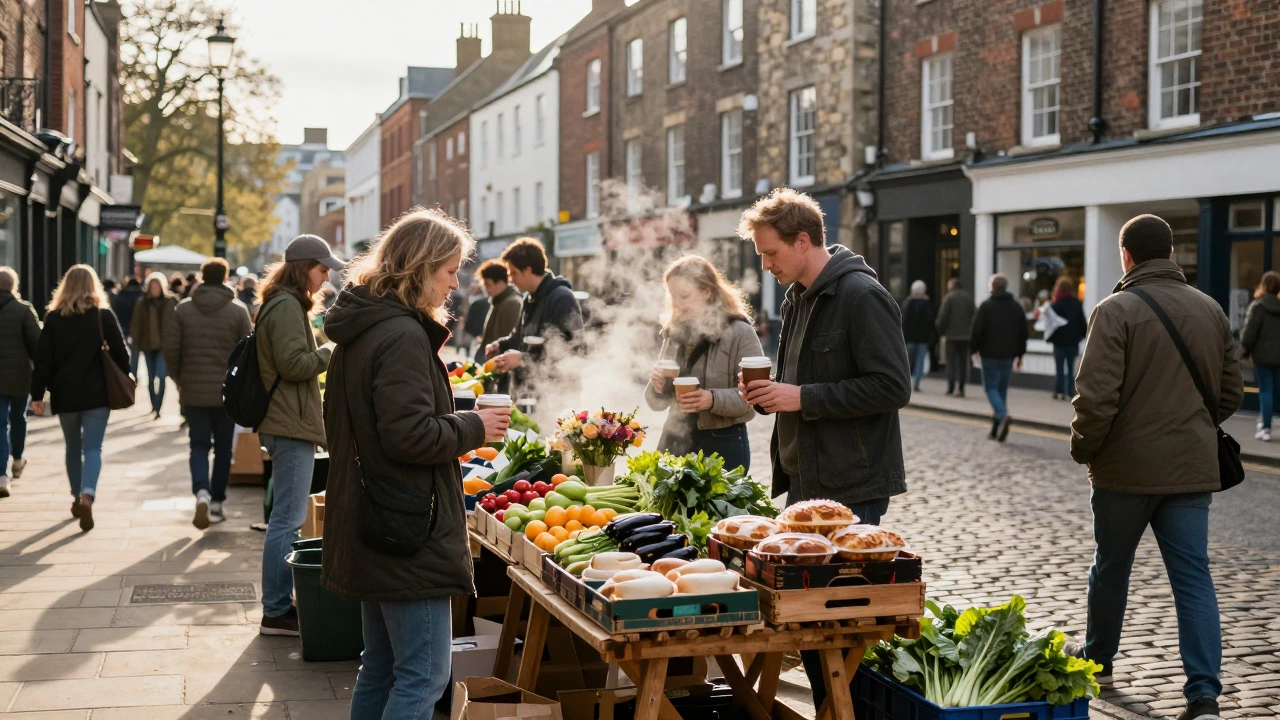
- Morning Markets: Visit fresh produce markets early (before 9 AM). This is where the city wakes up. You can buy fruit, coffee, and pastries directly from vendors who have been there for generations.
- Neighborhood Strolling: Pick one district away from the center. Walk without a destination. Notice the architecture, the graffiti, the types of shops. This builds context for the rest of your trip.
- Café Culture: Sit in a local café for an hour. Don't check your phone. Watch the people. Read a book. This resets your pace and helps you adjust to the local time zone mentally.
Eat Like a Resident, Not a Visitor
Food is the fastest way to understand a culture. But skip the restaurants with English menus and pictures of every dish. Those places cater to tourists. Instead, seek out spots with no signage, long lines of locals, or chalkboard menus written only in the native language. This is where the authentic flavor lives.
Consider joining a walking food tour. These are usually small groups (6-10 people) led by a local expert. They take you to five or six different spots: a bakery, a cheese shop, a tapas bar, and a dessert place. It’s efficient because you eat a lot, learn the history behind each dish, and meet other travelers. It’s also a great way to handle decision fatigue-you don’t have to choose where to eat next; the guide handles it.
| Activity Type | Best For | Cost Level | Authenticity Score |
|---|---|---|---|
| Tourist Trap Restaurants | First-time visitors wanting safety | High ($$) | Low |
| Street Food Vendors | Budget travelers, quick bites | Low ($) | High |
| Walking Food Tours | Social diners, curious eaters | Medium ($$) | Very High |
| Local Family-Owned Eateries | Deep cultural immersion | Medium ($$) | Very High |
Immerse Yourself in Culture Beyond Museums
Museums are important, but they can be overwhelming if you try to see too many. Choose one major museum per city and spend half a day there. Then, balance it with live culture. This includes theater, music, and art installations that are free or low-cost.
- Live Music Venues: Look for small jazz clubs, indie rock bars, or traditional folk music houses. Tickets are often cheap, and the atmosphere is intimate. In cities like New Orleans or Dublin, this is essential.
- Public Art & Street Art: Many cities have designated street art districts. Walking these areas is free and offers a modern perspective on the city’s identity. Check local apps for maps of murals.
- Language Exchange Meetups: Use platforms like Meetup or Couchsurfing to find evening events where locals and expats gather to practice languages. It’s a safe way to make friends and hear unfiltered opinions about the city.
- Historical Walking Tours: Avoid the big bus tours. Opt for small, guided walks focused on a specific theme, such as "Spies and Secrets" or "Gothic Architecture." These provide depth rather than breadth.

Active Exploration: Move Your Body
Sitting in cafes and museums is nice, but city breaks are physically demanding. Incorporating movement keeps your energy up and reveals parts of the city you’d miss from a taxi. Cycling is the best option in most European and North American cities. Renting a bike for a day costs little and gives you freedom to explore outskirts or riverbanks.
If cycling isn't for you, hiking trails within city limits are underrated. Cities like Boston, Vancouver, and Barcelona have green spaces that offer panoramic views without leaving the urban grid. Alternatively, join a running group. Many cities have "runners' meetups" where you run together for 30 minutes and then grab coffee. It’s a social activity that doubles as exercise and sightseeing.
Shopping with Purpose
Don't waste time in high-street malls unless you specifically need fast fashion. Instead, focus on three types of shopping that add value to your trip:
- Bookstores: Every city has a legendary independent bookstore. Buying a local novel or poetry collection is a tangible souvenir that supports local artists.
- Flea Markets: These are perfect for finding vintage clothing, antiques, and handmade goods. Bargaining is often expected and part of the fun. Arrive early for the best selection.
- Design Studios: Many cities have clusters of design studios where you can buy furniture, ceramics, or textiles made locally. It’s a chance to bring home something unique that reflects the city’s aesthetic.

Planning Your Itinerary: The 70/30 Rule
One of the hardest parts of a short trip is planning. If you over-plan, you’re stressed. If you under-plan, you waste time. The 70/30 rule works well: Plan 70% of your main activities (flights, hotel, one major museum, one dinner reservation) and leave 30% open for spontaneity.
Use this structure for a typical 48-hour city break:
- Day 1 Afternoon: Check in, unpack, and do a "neighborhood walk" around your hotel. Grab dinner nearby. Keep it low-energy.
- Day 2 Morning: Visit your one major landmark or museum. Go early to avoid crowds.
- Day 2 Afternoon: Explore a secondary neighborhood or park. Have lunch at a local spot you discovered during your walk.
- Day 2 Evening: Attend a cultural event (theater, concert, or gallery opening).
- Day 3 Morning: Sleep in. Enjoy a slow breakfast. Pack your bags.
- Day 3 Afternoon: Do any last-minute shopping or revisit a favorite cafe before heading to the airport/station.
Frequently Asked Questions
How many days are needed for a proper city break?
Three to four days is the sweet spot. Two days is rushed, while five days can lead to boredom if the city doesn't have enough variety. Three days allow you to see the main attractions, explore neighborhoods, and relax without feeling hurried.
Is it better to stay in the city center or in a residential neighborhood?
Staying in the center is convenient for first-timers who want easy access to landmarks. However, staying in a residential area offers a more authentic experience, lower noise levels, and better value for money. Just ensure public transport is accessible from your location.
What should I pack for a short city trip?
Pack light. A carry-on bag is ideal. Bring comfortable walking shoes, layers for changing weather, a universal power adapter, and a reusable water bottle. Leave bulky luggage at home; you won't have time to unpack it properly.
How do I find hidden gems in a new city?
Ask locals. Talk to your hotel receptionist, barista, or taxi driver. Ask them, "Where do you go when you want to relax?" Also, check Instagram hashtags specific to the neighborhood you're staying in, not just the city name.
Are city breaks suitable for families with children?
Yes, but keep the pace slower. Focus on interactive museums, parks, and food experiences. Avoid long walking tours. Kids often enjoy street performers, playgrounds, and trying new snacks more than static exhibits.