Dirty Myrtle Cocktail Builder
Adjust Your Mix
Your Creation
The Classic Mediterranean
A perfect balance of herbal freshness and crisp alcohol. Ideal for a sunny afternoon.
Picture this: You’re lounging on a sun-drenched terrace in Ibiza or Mykonos. The sea breeze is cool, the music is thumping, and your waiter slides a tall glass filled with ice, clear liquid, and a splash of something herbal across the table. It’s refreshing, slightly salty, and tastes like the Mediterranean itself. You take a sip and ask, “What is this?” They smile and say, “It’s a Dirty Myrtle.”
You might have heard the name before. It sounds intriguing, maybe even a little scandalous. But why on earth would anyone call a drink "dirty"? And what exactly is "myrtle" doing in your glass? If you’ve ever been confused by this popular beach holiday staple, you’re not alone. Let’s clear up the mystery once and for all.
The Myth vs. The Reality
First things first: No, the name has nothing to do with hygiene. Your drink isn’t made from unwashed ingredients, and the bartender definitely didn’t use a raggedy cloth to stir it. The word "dirty" here is purely linguistic flair, borrowed from the world of martinis.
If you know your way around a bar menu, you’ve probably seen a "Dirty Martini." That’s a classic gin or vodka martini mixed with olive brine-the salty juice from a jar of olives. The "dirtiness" refers to that cloudy, murky appearance the brine gives the clear alcohol. It’s not actually dirty; it’s just visually opaque compared to a crisp, clear martini.
The creators of the Dirty Myrtle took that concept and ran with it. By adding the word "dirty," they signaled two things immediately: First, this drink contains a mixer (making it less pure than straight spirits). Second, it’s likely served with ice, which melts and clouds the liquid further. It’s a marketing term designed to sound edgy and modern, fitting perfectly into the vibrant nightlife culture of European beach destinations.
What Is Myrtle?
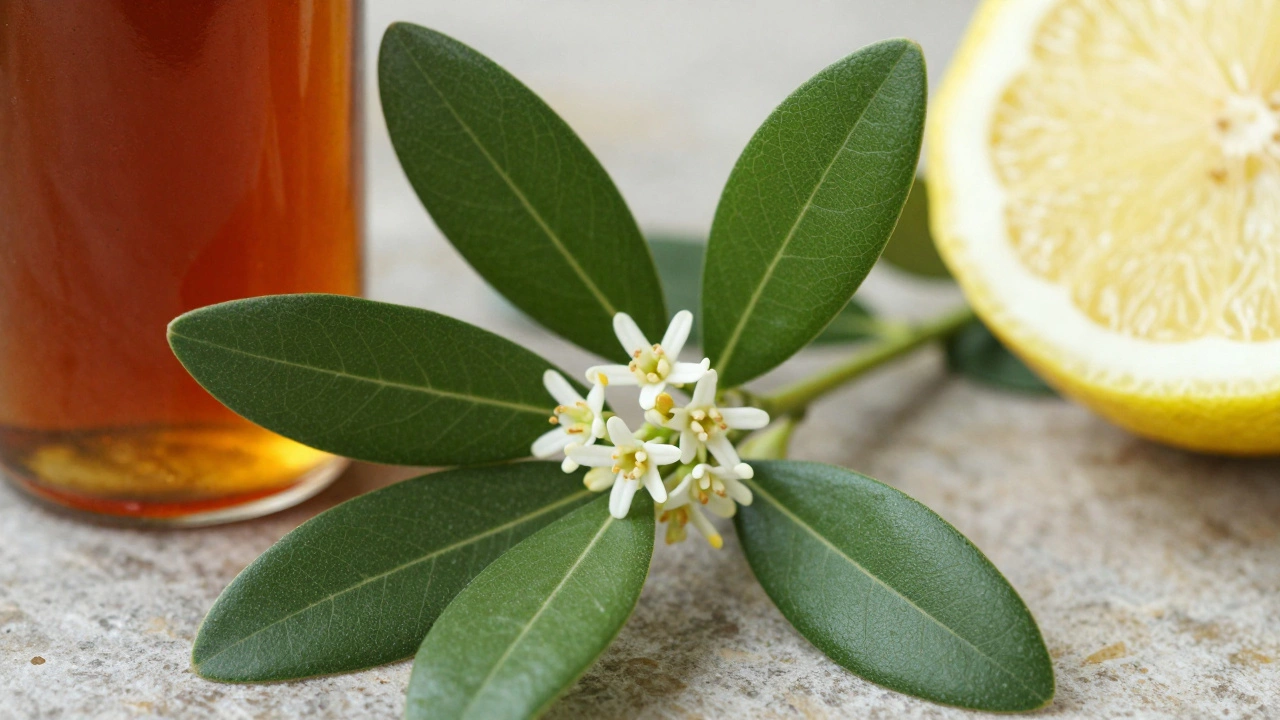
Now, let’s talk about the star ingredient. What is Myrtle? If you’re picturing a shrub in your garden, you’re halfway there. Myrtle (Myrtus communis) is an evergreen shrub native to the Mediterranean region. It has glossy green leaves and small white flowers that smell incredibly sweet and spicy.
For centuries, people in countries like Greece, Italy, Spain, and Turkey have used myrtle for everything from wedding bouquets (symbolizing love and fertility) to traditional medicine. But in recent decades, it has found its biggest fame in the beverage industry.
The key product here is Myrtle Syrup. This thick, amber-colored syrup is made by boiling myrtle leaves and sometimes berries in sugar water. The result is a complex flavor profile that hits all the right notes for a summer drink:
- Eucalyptus-like freshness: A cooling sensation that wakes up your palate.
- Herbal spice: Hints of clove and cinnamon without the heat.
- Sweetness: Balanced enough to mask strong alcohols but not so sweet that it becomes cloying.
When you order a Dirty Myrtle, you are essentially drinking a highball cocktail where this syrup is the primary flavor driver.
The Anatomy of a Dirty Myrtle
So, what goes into the glass? While recipes vary depending on whether you’re in Barcelona, Athens, or Tel Aviv, the core structure remains consistent. Here is the standard breakdown:
| Ingredient | Role | Typical Amount |
|---|---|---|
| Vodka | Base spirit (neutral flavor) | 50ml |
| Myrtle Syrup | Flavoring agent | 20-30ml |
| Soda Water | Dilution and carbonation | Top up (approx. 100ml) |
| Ice | Cooling and dilution | Full glass |
| Lemon Slice | Garnish and acidity | 1 slice |
The beauty of this drink lies in its simplicity. Vodka is chosen because it doesn’t compete with the delicate myrtle flavor. Gin could work, but its botanicals might clash with the eucalyptus notes. Rum is too heavy. Vodka provides a clean canvas.
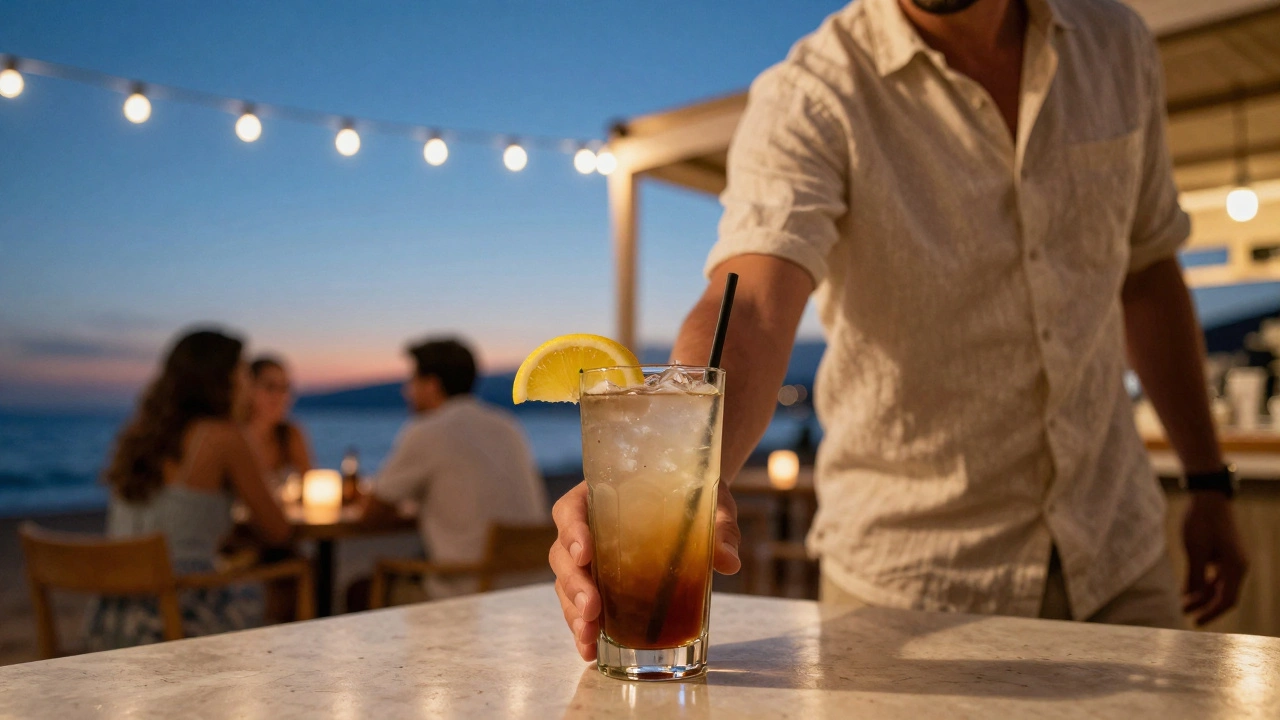
The soda water is crucial. Without it, you’d just have a sugary shot of syrup and alcohol. The carbonation lightens the drink, making it refreshing rather than heavy. This is why it’s such a popular beach holiday choice-it’s hydrating (relatively speaking), cool, and easy to sip while watching the sunset.
Why It Exploded in Popularity
You won’t find the Dirty Myrtle in American bars or British pubs as a standard offering. Its rise is tightly linked to the tourism boom in Southern Europe over the last fifteen years. As travelers sought out more local, authentic experiences, bartenders began showcasing regional ingredients.
Myrtle is everywhere in the Mediterranean landscape. Using it in a drink felt like a clever nod to the location. Instead of serving generic mojitos (which require fresh mint that can wilt quickly in heat), bars started using pre-made myrtle syrups. These syrups are shelf-stable, easy to dose, and require zero prep time during rush hour.
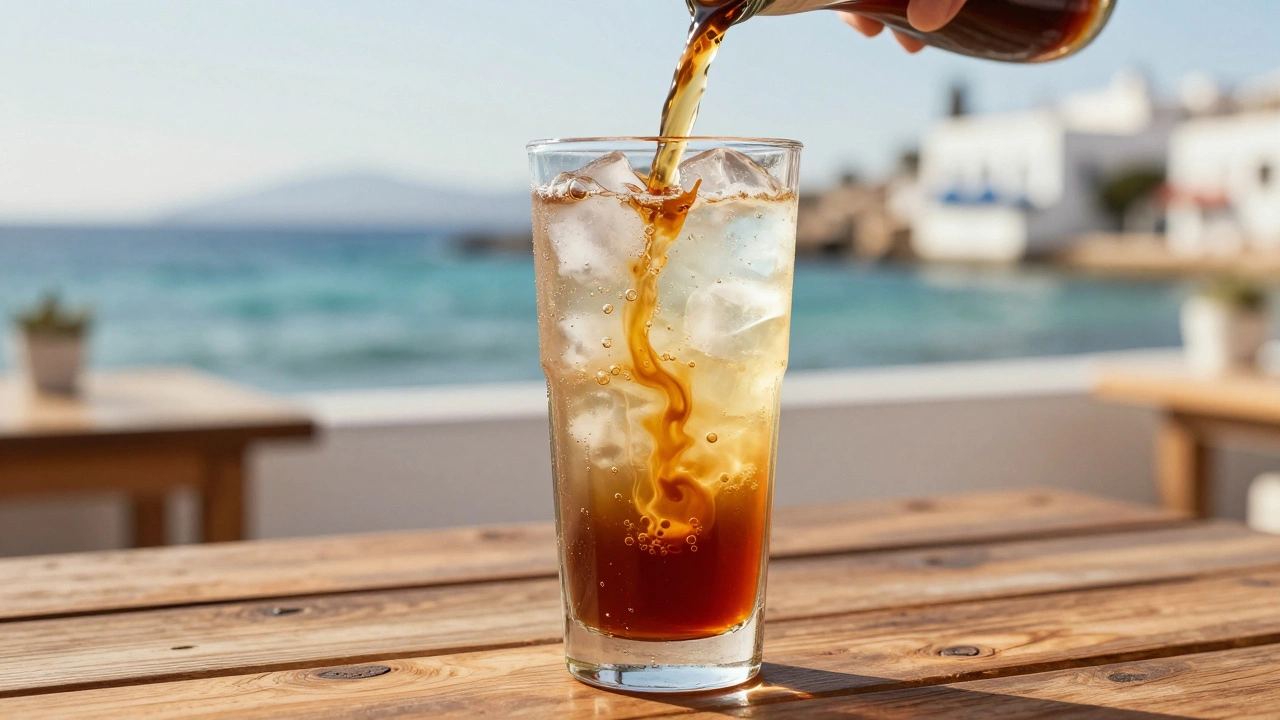
Furthermore, the visual appeal helped. The dark amber syrup swirling into clear vodka and soda creates an attractive gradient effect. In the age of Instagram, aesthetics matter. A Dirty Myrtle looks sophisticated yet casual-perfect for that "I’m having a great time abroad" photo.
Variations You Might Encounter
As with any popular drink, creativity runs wild. Depending on where you travel, you might encounter twists on the classic recipe. Here are a few common variations:
- The Spicy Myrtle: Some bars add a strip of jalapeño or a dash of chili syrup. The heat contrasts surprisingly well with the cooling eucalyptus note.
- The Citrus Boost: Instead of just a garnish, fresh lemon or lime juice is squeezed directly into the glass. This cuts through the sweetness of the syrup, making the drink sharper and more thirst-quenching.
- The Non-Alcoholic Version: Often called a "Virgin Myrtle," this skips the vodka entirely. It’s still delicious and perfect for designated drivers or those taking a break from alcohol.
- The Herbal Mix: In some Greek islands, bartenders mix myrtle syrup with other local herbs like rosemary or thyme for an even more intense aromatic experience.
If you prefer stronger flavors, don’t be afraid to ask for extra syrup. If you hate sweetness, request more soda and less syrup. Bartenders are usually happy to customize, especially if you explain your preference clearly.
Is It Actually Good?
Taste is subjective, but the Dirty Myrtle has earned its reputation for a reason. For fans of herbal liqueurs like Jägermeister or Chartreuse, but who want something lighter and sweeter, this drink is a gateway. It’s less medicinal and more fruity-floral.
However, if you dislike eucalyptus or menthol flavors, you might find it polarizing. The cooling sensation can feel overwhelming if the syrup is too potent. My advice? Take one small sip first. Assess the balance. If it’s too sweet, ask for more soda. If it’s too herbal, ask for a squeeze of lemon.
Compared to a Mojito, it’s smoother and less icy. Compared to a Spritz, it’s sweeter and more distinctively flavored. It occupies a unique niche in the cocktail world: a bridge between a soft drink and a hard liquor, anchored by a specific regional identity.
Where to Find the Best Myrtle Products
If you loved the taste and want to recreate it at home, you’ll need to source good quality myrtle syrup. Not all syrups are created equal. Cheap versions often rely heavily on artificial flavorings and excessive corn syrup. Look for brands that list "real myrtle leaves" as a primary ingredient.
In Europe, you can find bottles of Myrtle Liqueur (like Mirtilli in Italy or Mirta in Greece) in duty-free shops or specialty grocery stores. These are alcoholic infusions of the berry or leaf, distinct from the non-alcoholic syrup used in cocktails. Using the liqueur instead of syrup will change the drink significantly-it will be stronger and fruitier.
For the authentic cocktail experience, stick to the syrup + vodka method. It’s cheaper, more versatile, and closer to what you’ll get in a beach bar.
Final Thoughts on the Name
So, back to the original question: Why is it called Dirty Myrtle? It’s a bit of a misnomer, yes. But language evolves, especially in hospitality. "Dirty" became shorthand for "mixed with a flavorful, clouding agent." It stuck because it sounded cool, mysterious, and distinctly different from the usual lineup of rum and coke.
Next time you’re on a beach holiday and see it on the menu, order one. Don’t worry about the name. Just enjoy the taste of the Mediterranean in a glass. It’s not just a drink; it’s a souvenir you can sip.
Is a Dirty Myrtle the same as a Mojito?
No, they are quite different. A Mojito uses fresh mint, lime, sugar, rum, and soda water. A Dirty Myrtle uses myrtle syrup, vodka, and soda water. The flavors are distinct: Mojitos are bright, citrusy, and minty, while Dirty Myrtles are herbal, floral, and eucalyptus-forward.
Can I make a Dirty Myrtle at home?
Absolutely. Fill a highball glass with ice. Add 50ml of vodka, 25ml of myrtle syrup, and top with soda water. Stir gently and garnish with a lemon slice. You can buy myrtle syrup online or at specialty food stores.
What does myrtle taste like?
Myrtle has a complex flavor profile. It tastes sweet and floral with strong notes of eucalyptus, clove, and cinnamon. Some people also detect hints of pine or camphor. It’s refreshing and slightly spicy.
Why is the drink called "dirty"?
The term "dirty" comes from the cocktail industry, specifically the "Dirty Martini," which includes olive brine that clouds the clear alcohol. In the case of the Dirty Myrtle, the myrtle syrup and ice melt create a cloudy appearance, distinguishing it from clear spirits. It’s a stylistic name, not a hygiene reference.
Is myrtle syrup healthy?
In moderation, yes. Myrtle leaves have been used in traditional medicine for their antioxidant and anti-inflammatory properties. However, commercial myrtle syrups are high in sugar. Treat it as a treat, not a health supplement, especially when mixed with alcohol.