Black Friday History & Myth Buster
Click on an era to reveal how the meaning of "Black Friday" shifted over time.
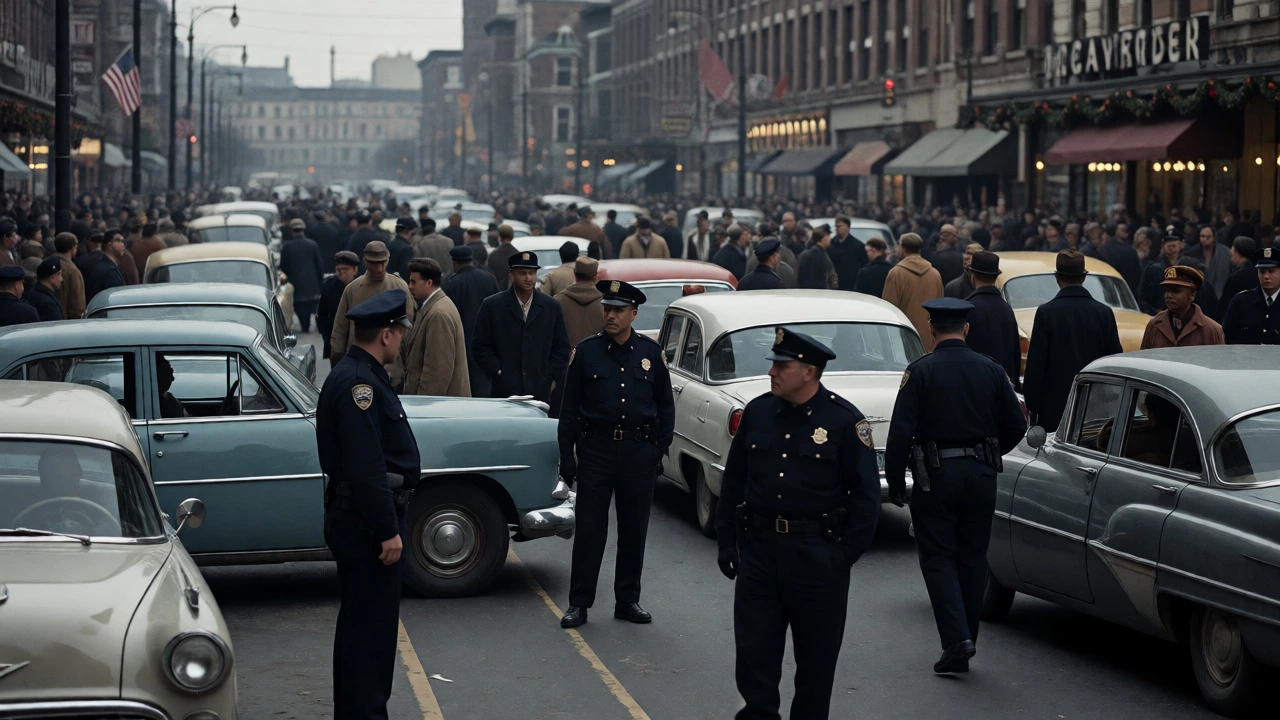
Meaning: Described the chaos, traffic jams, and shoplifting associated with the Army-Navy Game and holiday shopping rush. It was a negative term for officers working long shifts in disorderly conditions.
Reaction: Retailers disliked the negative connotation (implying disaster/bad luck) and sought ways to rebrand it as they prepared for national expansion.
Explanation: Claimed retailers finally made a profit (went from red to black ink) after operating at a loss all year. This positive financial narrative overshadowed the original police origin.
Current State: A multi-week digital marathon. The urgency of physical camping out has faded, replaced by online browsing and app alerts, diluting the original single-day intensity.
Is the "going into the black" accounting story the true origin of Black Friday?
You’re standing in a checkout line that snakes around three aisles. Your cart is overflowing with discounted electronics you didn’t plan on buying. You’re sweating under fluorescent lights, wondering why everyone else seems to have lost their minds over a flat-screen TV. It’s Black Friday, and while the name sounds ominous, the reality is usually just chaotic retail therapy. But have you ever stopped mid-haggle to ask: why is it called Black Friday? Is it about accounting books? A stock market crash? Or something darker?
The answer isn’t what most people think. In fact, the popular explanation you’ve heard from your uncle at Thanksgiving dinner is likely wrong. The term has evolved significantly since its first recorded uses, shifting from a police complaint about traffic jams to a retailer’s celebration of profitability. Understanding this shift changes how we view the day itself. It’s not just a sales event; it’s a cultural artifact that tells us more about American consumerism than any single price tag could.
The Myth of "In the Black"
If you ask a marketing executive why they call it Black Friday, they’ll probably tell you it’s because retailers finally go "in the black" (profitable) for the year after operating "in the red" (losses). This story is clean, logical, and widely repeated. It suggests that before this day, stores were losing money all year, waiting for this one massive influx of cash to save them.
Here’s the problem: that’s a retroactive justification, not the origin. Accounting practices don’t work that way. Retailers aim to be profitable throughout the year, not just in Q4. While November and December are indeed peak revenue months, the idea that businesses operate at a loss until this specific Friday is an exaggeration invented by public relations teams in the late 1980s to rebrand a negative term into a positive financial milestone.
Black Friday is the day following Thanksgiving in the United States, known for major retail sales and early store openings. While often associated with profitability, its etymological roots lie in urban congestion rather than corporate finance.
The Philadelphia Origin Story
To find the real beginning, we have to travel back to Philadelphia in the 1950s and 1960s. At this time, the city was already a hub for football and shopping. Every year, thousands of tourists flooded into Philadelphia for the Army-Navy Game, which traditionally took place on the Saturday after Thanksgiving. Simultaneously, suburban shoppers descended on downtown department stores to start their holiday shopping.
For the local police force, this combination was a nightmare. They couldn’t take days off. Traffic was gridlocked. Pedestrians spilled onto the streets. Shoplifters used the chaos to steal merchandise. Officers worked long shifts dealing with accidents, fights, and general disorder. To them, this day wasn’t a celebration of savings; it was a headache. They coined the term "Black Friday" to describe the misery of managing the crowds and the dark mood it put them in.
This usage was informal and slightly derogatory. Local merchants didn’t love the name either. It sounded gloomy and negative, implying disaster or bad luck. So, for decades, the term remained largely regional to the Northeast, particularly Pennsylvania and New York, where police reports and newspaper articles documented the chaos.
The Stock Market Crash Connection
Some people confuse the modern shopping event with the original "Black Friday." That refers to September 24, 1869, when speculators Jay Gould and James Fisk tried to corner the gold market. Their scheme failed, causing the U.S. gold market to collapse and triggering a severe depression. That historical event is definitely "black," but it has zero connection to turkey sandwiches and doorbuster deals.
Another potential confusion comes from the Great Depression era. In 1933, President Franklin D. Roosevelt moved Thanksgiving up one week to extend the Christmas shopping season, hoping to boost economic activity. Some historians argue this shift helped create the space for a post-Thanksgiving shopping frenzy, but the term "Black Friday" wasn’t applied to this new commercial window until much later.
How the Name Went National
So, how did a Philadelphia police slang term become a global brand? The transition happened in two phases: national spread and semantic flip.
By the 1970s, the term began appearing in newspapers outside of Philadelphia. As other cities experienced similar post-Thanksgiving congestion, they adopted the phrase. However, retailers still disliked the negative connotations. They wanted a name that highlighted the benefits for consumers and businesses alike.
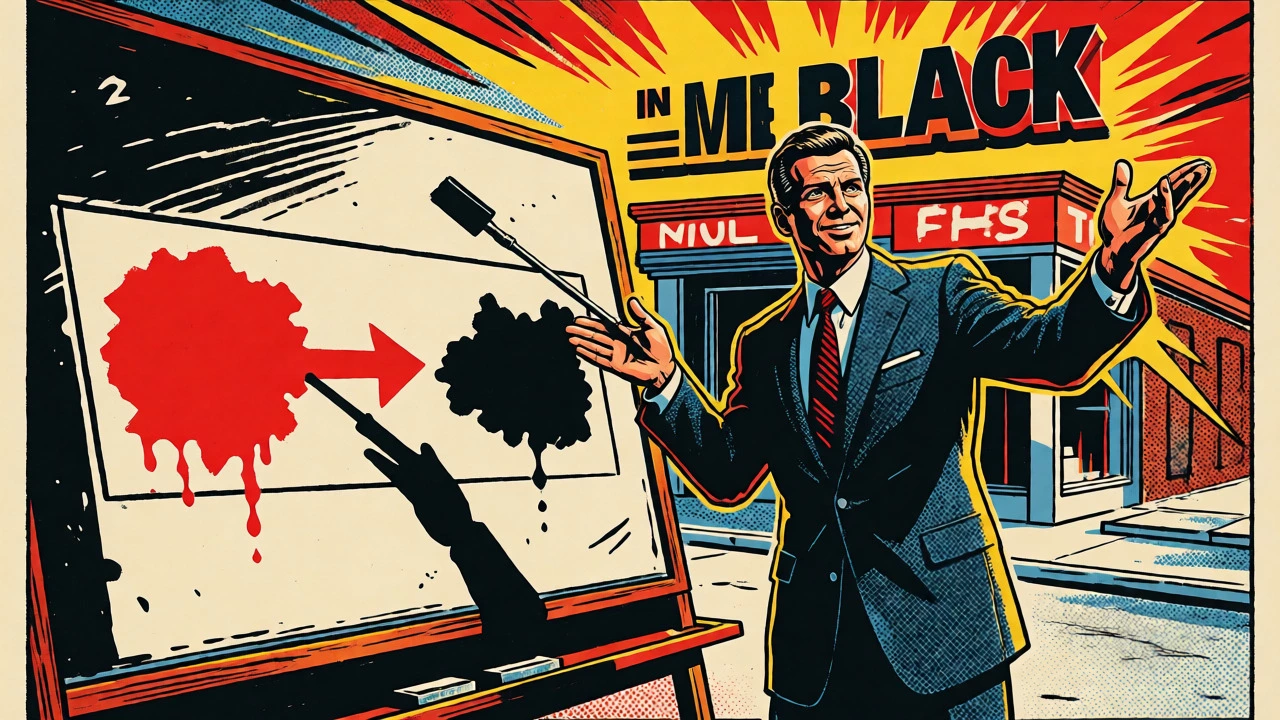
In the late 1980s, retailers successfully rebranded the narrative. They promoted the "red to black" accounting theory. Media outlets, eager for a simple explanation, ran with it. By the 1990s, the "profitability" myth had overshadowed the "police traffic jam" reality. Today, if you search for the definition, most sources will lead with the accounting story, even though linguists and historians know the Philadelphia origin is the true source.
Modern Evolution: Cyber Monday and Beyond
The name "Black Friday" stuck, but the event itself has mutated. What started as a physical stampede has expanded into a digital marathon. In 2005, eBay introduced the term "Cyber Monday" to encourage online shopping during the weekend following Thanksgiving. This created a four-day stretch of discounts, blurring the lines between physical and digital retail.
Today, the distinction matters less. Many retailers launch their deals weeks in advance. Amazon runs "Prime Big Deal Days" in October. Target opens on Thanksgiving evening. The urgency that defined the original Black Friday-being there at 5 AM to get the best deal-is fading. Consumers now compare prices on their phones while sitting on their couches, reducing the need for physical presence.
| Era | Primary Meaning | Key Driver | Consumer Behavior |
|---|---|---|---|
| 1950s-1960s | Negative/Policing | Traffic & Crime | Local Philadelphians avoiding downtown |
| 1970s-1980s | Regional Slang | Newspaper Coverage | Northeast US shoppers braving crowds |
| 1990s-2000s | Positive/Retail Success | PR Rebranding (Red to Black) | National camping out overnight |
| 2010s-Present | Digital/Hybrid Event | E-commerce Expansion | Multi-week online browsing & app alerts |

Why the Name Still Matters
You might wonder why we should care about the etymology of a shopping day. It’s not just trivia. The shift from "police nightmare" to "retail triumph" mirrors broader changes in how we consume news and history. We prefer stories that make us feel good about our spending habits. Admitting that Black Friday was born from traffic jams and shoplifting feels less empowering than believing it’s the engine of the economy.
Furthermore, understanding the origin helps explain current frustrations. If you hate the chaos, you’re actually honoring the original meaning. The stress, the crowds, the aggressive tactics-these aren’t bugs; they’re features of the original concept. Retailers spent thirty years trying to erase that memory, but the experience remains visceral.
As we move toward 2026, the trend is fragmentation. There is no single "day" anymore. Discounts appear randomly throughout November. The pressure to buy everything on one Friday is lifting. This decentralization might eventually dilute the power of the name "Black Friday," turning it into just another keyword in a month-long sale festival.
Global Variations and Misnomers
It’s worth noting that many countries have adopted Black Friday without adopting the American context. In Canada, the UK, and parts of Europe, the date is often adjusted to fit local holidays or weekends. For example, some European retailers avoid the exact US date to prevent clashes with local traditions, opting for "Black Week" instead.
In some regions, the term is translated literally, which can lead to confusion. In French-speaking areas, "Vendredi Noir" carries the same weight, but the cultural baggage differs. Without the Thanksgiving anchor, the timing feels arbitrary to locals, making it purely a marketing invention rather than a traditional event. This highlights how malleable the concept is-it’s less about tradition and more about synchronized global commerce.
Did Black Friday originate from the 1869 stock market crash?
No. While the 1869 gold market crash is historically known as Black Friday, it has no direct link to the shopping event. The shopping term emerged independently in the mid-20th century.
Is the "going into the black" explanation false?
Yes, it is a myth. Retailers invented this explanation in the 1980s to improve the image of the day. The actual origin relates to police describing traffic and crowd chaos in Philadelphia.
When did Black Friday become a national phenomenon?
It gained traction nationally in the 1970s through newspaper coverage, but it became a dominant cultural fixture in the 1990s and 2000s as retailers expanded hours and media coverage intensified.
Does every country celebrate Black Friday?
Many do, but not all. Countries like Germany and France have embraced it, while others maintain stricter regulations on advertising and sales periods, limiting its impact compared to the US.
What is Cyber Monday?
Cyber Monday is the Monday following Black Friday, focused specifically on online deals. It was coined by eBay in 2005 to capture e-commerce sales after the weekend.