City Break Cost Calculator
Compare your city break costs to all-inclusive resorts using data from the article.
Ever looked at your calendar and thought, I just need a change of pace-but you can’t afford to disappear for a week? That’s where a city break fits perfectly. No long flights, no packing for three weeks, no guilt about leaving work behind. Just a quick escape that actually feels like one.
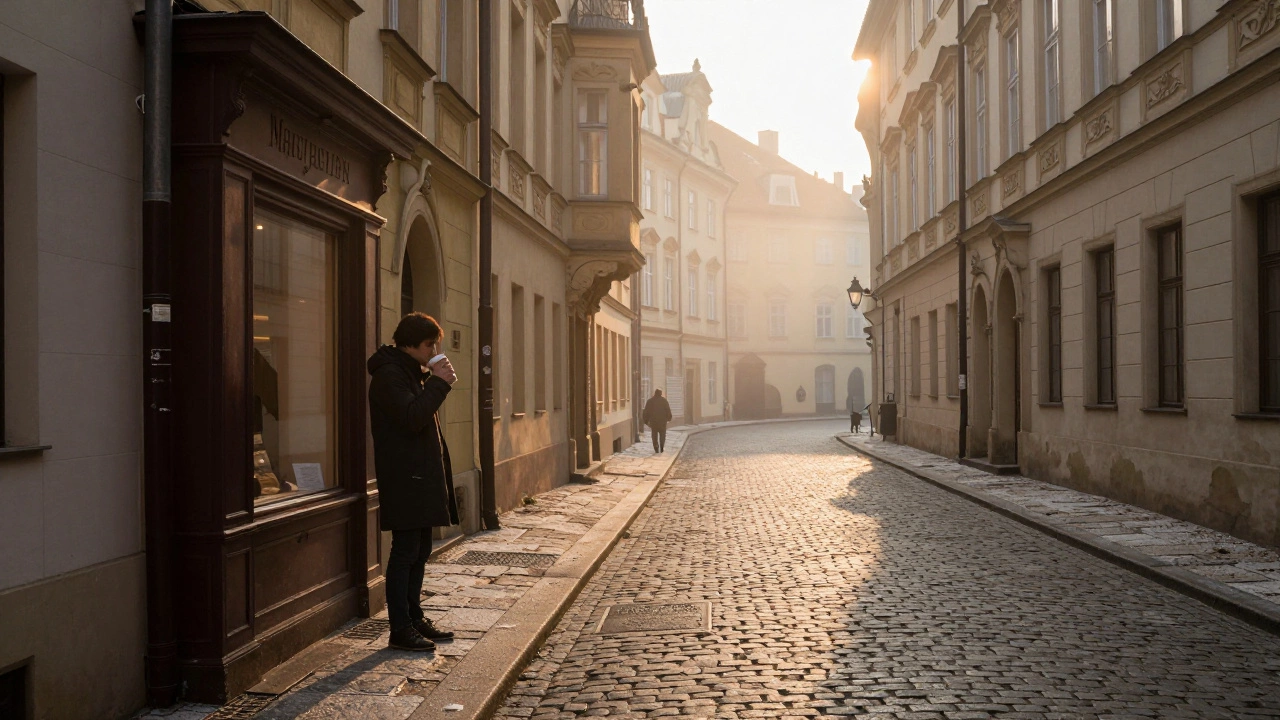
City breaks aren’t just for people who don’t have time. They’re for people who know that real rest doesn’t always mean beaches or mountains. Sometimes, it means walking through a quiet alley in Prague at dawn, sipping coffee in a Parisian bistro while rain taps on the window, or getting lost in the neon glow of Tokyo’s Shinjuku district after midnight.
You get more for less
Think about it: a three-day trip to Barcelona costs less than a weekend at a resort in your own country. You’re not paying for a full hotel package with overpriced food and activities. You’re paying for the city itself-the museums, the parks, the street food, the local transit. A €10 metro pass gets you everywhere. A €3 churro with chocolate feels like a luxury. That’s the magic.
According to a 2024 survey by the European Travel Commission, travelers who took city breaks spent 40% less than those who went to all-inclusive resorts, yet reported 30% higher satisfaction. Why? Because they weren’t trapped in a bubble. They were living, even if just for a few days.
Everything’s within walking distance
When you’re in a resort, you need a car, a shuttle, or a bike to get anywhere. In a city, you step out your door and you’re already in the action. One block from your hotel, you find a bakery with fresh pastries. Two blocks over, there’s a tiny bookshop run by a 78-year-old woman who remembers when the building was a printing press. Three blocks down, you stumble into a live jazz club that doesn’t even have a sign.
Walking forces you to slow down. You notice details you’d miss in a taxi: the way light hits a cathedral at 4 p.m., the smell of roasted chestnuts from a street vendor, the sound of a violinist playing in a subway station. These aren’t tourist moments. They’re human moments.
You can eat like a local
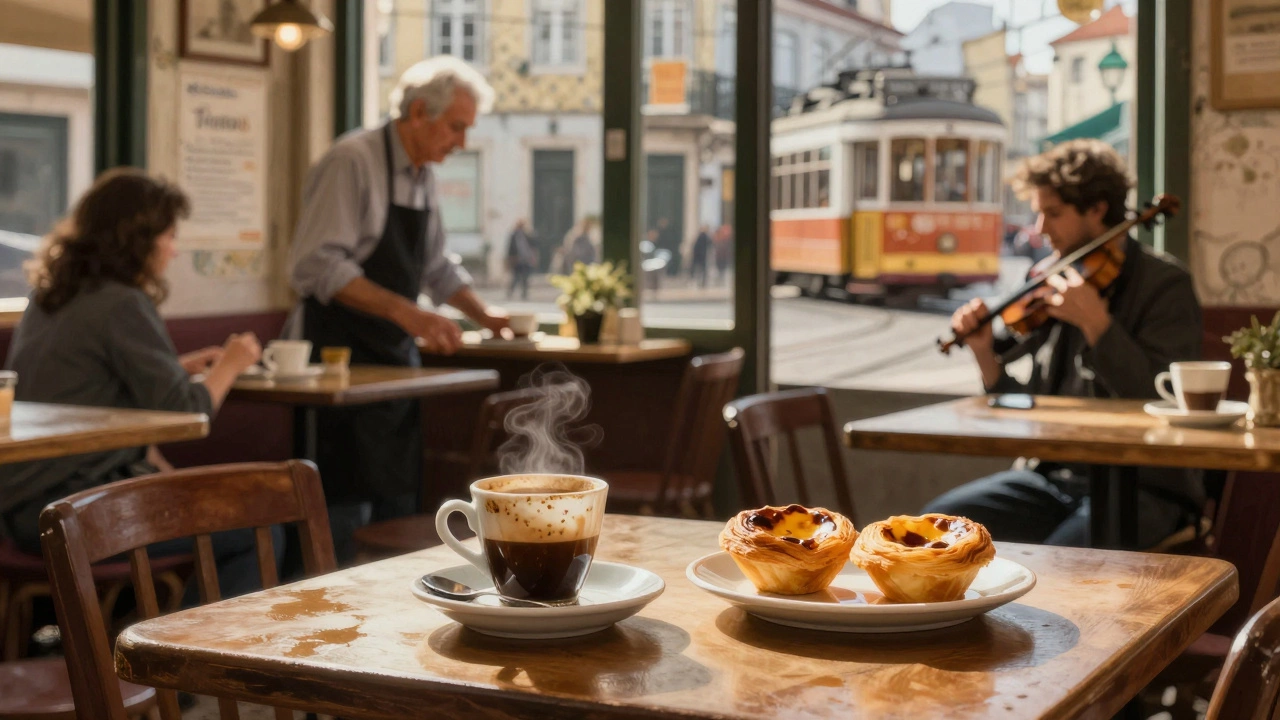
Forget resort buffets. A city break means real food-cooked by people who grew up eating it. In Lisbon, you eat bacalhau à brás at a family-run spot where the owner still makes the sauce by hand. In Istanbul, you grab a simit from a cart at 7 a.m. and eat it while watching fishermen mend their nets by the Bosphorus. In Mexico City, you find a taco stand that’s been open since 1982, and the guy behind the counter knows your name by the third visit.
Food isn’t just fuel here. It’s culture. And you don’t need a reservation. You just need to follow your nose.

It’s easier to be spontaneous
Planning a two-week trip to Bali? You need flights, visas, vaccines, activity bookings, and a budget spreadsheet. A city break? You can book it on a Tuesday and leave on Friday. No one’s going to blink.
That’s the freedom. You wake up and decide you want to see that art exhibit you heard about on Instagram. You hop on the metro. You change your mind and head to a flea market instead. You find a hidden courtyard with a fountain and sit there for an hour, reading a book you’ve been meaning to finish. No itinerary. No pressure.
This kind of spontaneity doesn’t happen on a cruise. Or in a villa with a pool. But it happens every day in cities.
You reconnect with yourself
Most of us spend our days scrolling, answering emails, running errands, and pretending we’re busy. A city break doesn’t ask you to be productive. It asks you to be present.
There’s no Wi-Fi in that little chapel in Vienna. No notifications in the quiet corner of the British Museum. No one’s asking you to post a story from the rooftop bar in Berlin. For once, you’re not performing. You’re just there.
Studies from the University of Toronto show that even a 48-hour urban escape reduces cortisol levels by an average of 22%. That’s not just relaxation. That’s recovery.
You don’t need to be a culture vulture
You don’t have to visit every museum. You don’t need to know the history of every statue. A city break isn’t a test. It’s an experience.
Maybe you just sit in a park and watch people. Maybe you buy a souvenir you don’t need. Maybe you take the wrong train and end up in a neighborhood you didn’t know existed-and fall in love with it. That’s the point.
Some of the best memories from my own city breaks didn’t come from guidebooks. They came from getting lost in Budapest’s ruin bars, eating lukewarm pizza on a bench in Rome because I was too tired to walk farther, or dancing badly in a tiny bar in Lisbon with strangers who became friends by 2 a.m.
It’s the perfect reset for anyone
Whether you’re a parent who hasn’t had a night off in years, a student burning out before finals, a freelancer who works from the couch, or someone just tired of the same routine-city breaks are made for you.
They don’t require a big budget. They don’t require a long vacation. They don’t even require you to be adventurous. All they require is a willingness to step outside your usual space, even if just for a few days.
And when you come back? You’re not just refreshed. You’re different. You notice the way sunlight hits your kitchen table. You pause before scrolling. You smile at strangers. You remember what it feels like to be curious again.
Start small. Go tomorrow.
You don’t need to wait for a holiday. You don’t need to save up. You don’t need to plan for months. Pick a city within a three-hour train ride. Book a room for Friday night. Pack one bag. Leave your laptop at home.
That’s all it takes. A city break isn’t about seeing everything. It’s about feeling something again.