All-Inclusive vs. American Vacation Cost Calculator
Your Vacation Settings
Key Differences
Cost Comparison
Based on your inputsTotal cost differences may vary based on location and preferences
Ever seen a resort in Mexico, Jamaica, or the Dominican Republic with a sign that says "All-Inclusive"-and wondered why you never see that in Florida, California, or even Hawaii? It’s not that Americans don’t like the idea. It’s that the whole system doesn’t fit how most of us think about vacations.
What "All-Inclusive" Actually Means
An all-inclusive vacation isn’t just a fancy resort with free snacks. It’s a pricing model where your room, meals, drinks (often including alcohol), activities, and sometimes even tips are bundled into one upfront price. You pay once, and you don’t think about it again until you leave. In places like the Caribbean or parts of Europe, this is the norm. In the U.S.? Almost never.
Why? Because the U.S. travel industry is built on a different model: pay-as-you-go. You book a hotel, then pay extra for breakfast, for parking, for Wi-Fi, for the minibar, for the pool chair, for the towel service, for the fitness center, for the shuttle, for the room service, for the spa, for the cocktail at the bar. It’s not hidden-it’s everywhere. And Americans have gotten used to it.
The American Vacation Mindset
Most Americans don’t see a vacation as a "package deal." They see it as a personal experience they control. Want sushi for dinner? Go to the sushi place. Craving a craft beer? Find the local brewery. Want to skip the pool and nap in your room? No problem. All-inclusive resorts tell you what you’ll eat, when you’ll eat it, and what you can do. That feels restrictive to a lot of people.
There’s also the cultural belief that "you get what you pay for." If everything’s included, some Americans assume the quality must be low. They think, "If I’m not paying extra for the lobster dinner, it’s probably not fresh." That’s not always true-but it’s a strong perception. In contrast, places where all-inclusive is common, like the Caribbean, have built their tourism economy around this model. The resorts invest in quality because they know guests won’t be paying extra for every drink or appetizer.
It’s Not About the Money-It’s About Control
Here’s the real kicker: Americans often prefer paying more because it gives them a sense of control. You’re not locked into a schedule. You can skip dinner if you’re not hungry. You can drink a single cocktail instead of a whole bottle. You can choose between three different restaurants instead of one buffet. That autonomy matters.
Think about it: in the U.S., even luxury hotels don’t offer all-inclusive because the market doesn’t demand it. A guest at a Four Seasons in New York doesn’t want a fixed menu-they want to walk to a Michelin-starred restaurant down the street. A family at a resort in Orlando doesn’t want to be told when to eat-they want to go to Disney World all day and grab a burger at 10 p.m. That flexibility is built into the American travel DNA.
Cost Isn’t Always Lower-And Americans Know It
You might think, "If everything’s included, it should be cheaper." But that’s not always true. A week at an all-inclusive resort in Jamaica might cost $2,500 per person. Meanwhile, booking a decent hotel in Florida, renting a car, eating out, and paying for parking and beach access might cost $2,200. The difference isn’t huge. And when you factor in the cost of flights, the all-inclusive doesn’t always win.
Plus, Americans are used to finding deals. They’ll hunt for a hotel discount, use a credit card for free breakfast, or take advantage of happy hour. All-inclusive resorts don’t play that game. You pay the price, and that’s it. No coupons. No loyalty points. No last-minute upgrades. That feels like a loss of power to many travelers.
There Are Exceptions-But They’re Rare
It’s not that all-inclusive doesn’t exist in the U.S. It does. But it’s mostly limited to high-end resorts in Hawaii, the U.S. Virgin Islands, or a few luxury properties in Arizona or California. Even then, they’re marketed as "luxury escapes," not everyday vacation options.
Some resorts in Hawaii, like the Grand Wailea or the Four Seasons Maui, offer "premium all-inclusive" packages that include meals, drinks, and activities. But they’re priced at $800-$1,200 per night. That’s not for families on a budget. It’s for people who want the convenience of all-inclusive without leaving the country. And even then, many guests still opt out of the package and pay à la carte.
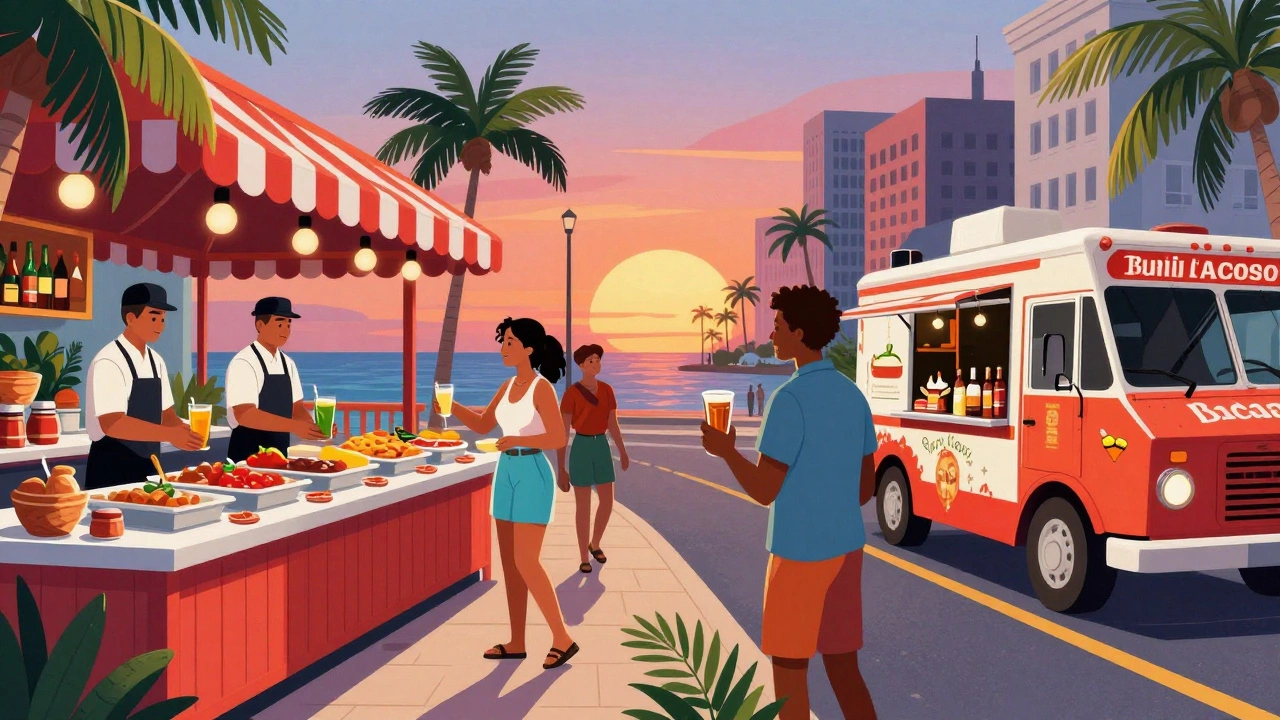
Why? Because those guests are used to choosing. They want to try the local food trucks. They want to go hiking. They want to explore a small town. The all-inclusive model doesn’t support that.
The Real Reason: Infrastructure and Culture
The U.S. doesn’t have the same tourism infrastructure as the Caribbean. In Jamaica, resorts are often the only game in town. There aren’t 20 restaurants within walking distance. There’s one beach. One airport. One main road. So, all-inclusive makes sense-it’s practical.
In Florida? There are hundreds of restaurants. You can drive 10 minutes and find a taco truck, a seafood shack, or a vegan café. You can visit a national park, a museum, a theme park, or a farmers market. The U.S. is built for exploration. All-inclusive resorts are built for containment.
And then there’s the tipping culture. In the Caribbean, tips are included because staff are paid through the package. In the U.S., tipping is part of the wage structure. Servers, bartenders, and housekeepers rely on tips. If you pay one flat rate, you’re cutting into their income. That’s a legal and cultural minefield.
Will It Ever Change?
Maybe. Younger travelers, especially those who’ve vacationed abroad, are starting to ask for it. Gen Z and Millennials are more open to convenience and predictability. Some boutique hotels in Miami and Aspen are testing all-inclusive weekend packages. But they’re still niche.
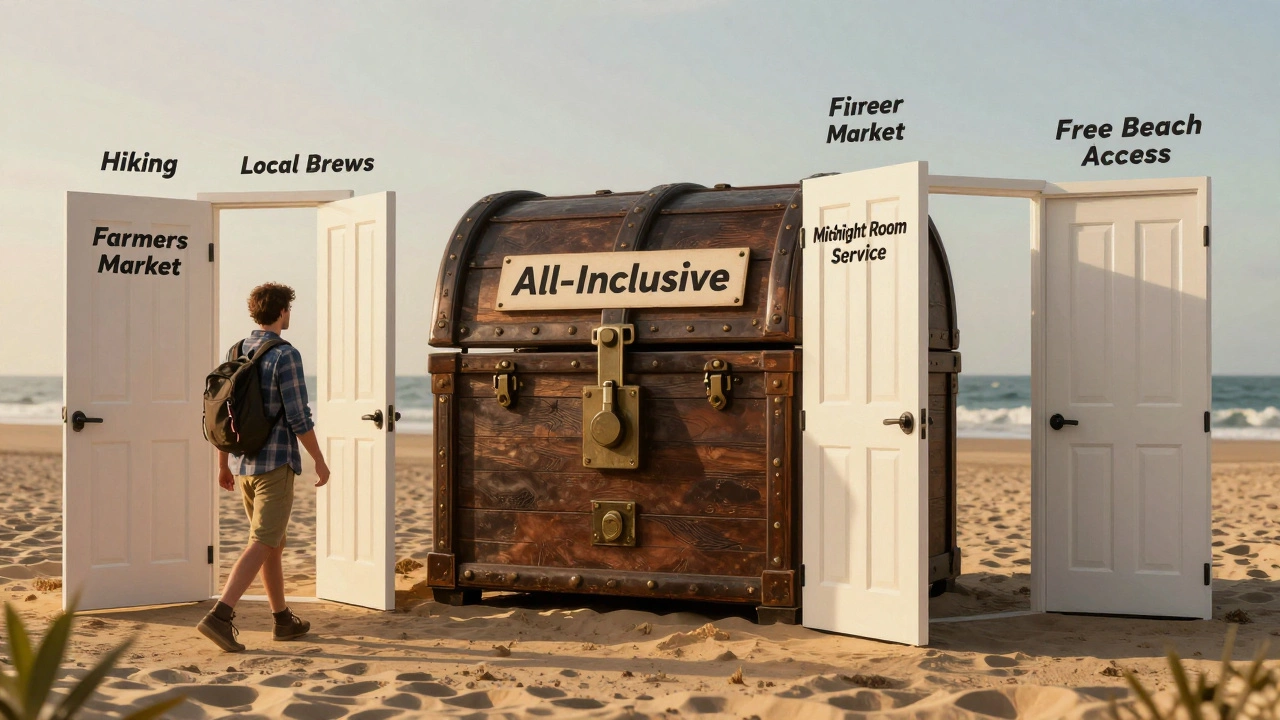
The bigger barrier? Americans don’t trust the system. They’ve been burned by hidden fees, upsells, and misleading ads. If a resort says "all-inclusive," they’ll assume there’s a catch. "What’s not included?" they ask. "Is the wine included? What about the premium cocktails? Can I get room service at midnight?"
Until the industry can solve those doubts-and until travelers stop seeing all-inclusive as "boring" or "limited"-it won’t take off.
What Americans Do Instead
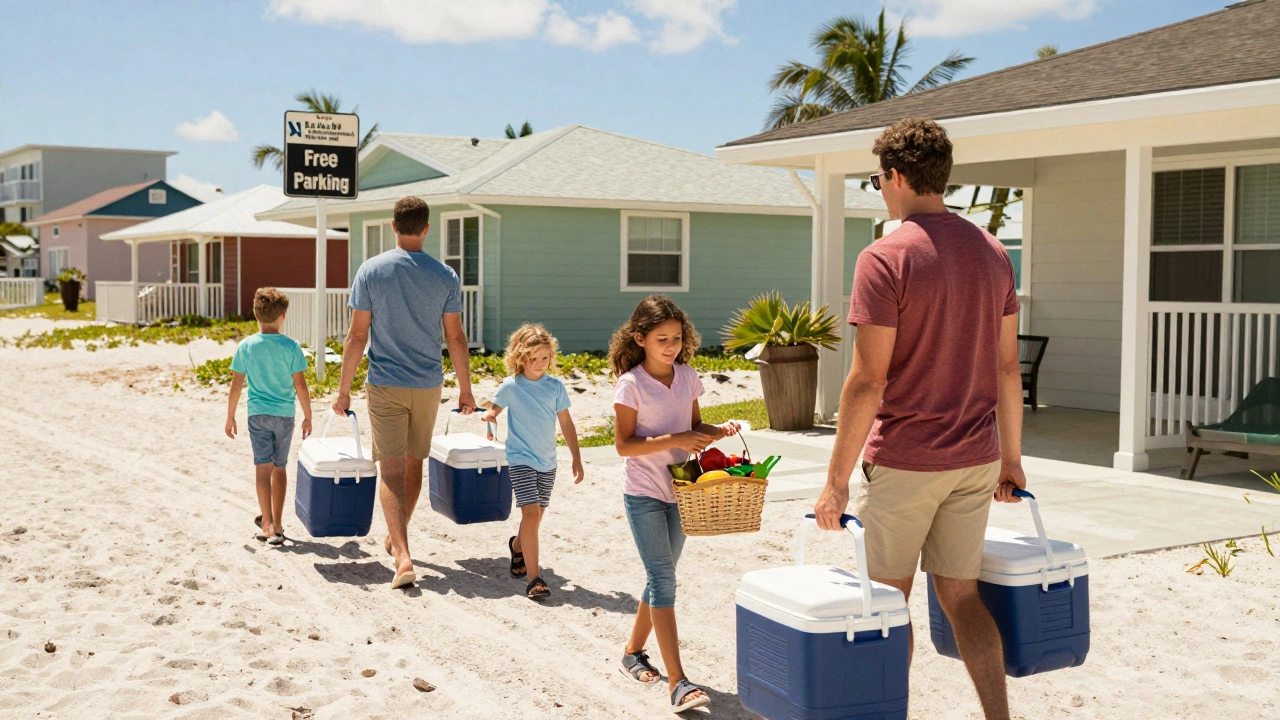
Instead of all-inclusive, Americans have built their own version: the "flexible stay." They book hotels with free breakfast. They use apps to find happy hours. They rent homes with kitchens so they can cook. They buy grocery store wine and bring it to the beach. They plan their days around free activities: hiking, public beaches, museums with suggested donations.
It’s not perfect. It takes more planning. It requires more effort. But it gives them control. And for many, that’s worth the extra work.
Final Thought: It’s Not a Flaw-It’s a Fit
America doesn’t do all-inclusive because it doesn’t need to. The country’s size, diversity, and culture make a different model work better. You don’t need a resort to give you everything when you can drive 15 minutes and find 15 different experiences.
All-inclusive works where options are limited. In the U.S., options are everywhere. And that’s why, for now, Americans keep choosing their own path-bit by bit, meal by meal, drink by drink.
Why don’t U.S. resorts offer all-inclusive packages like Caribbean resorts do?
Most U.S. resorts don’t offer all-inclusive because American travelers prefer flexibility. They want to choose where to eat, when to drink, and what activities to do. The U.S. also has a strong tipping culture and a dense network of restaurants and attractions, making bundled pricing less appealing. Resorts that do offer all-inclusive, like some in Hawaii, are often luxury-only and priced too high for mainstream demand.
Is all-inclusive actually cheaper than booking separately in the U.S.?
Not usually. In places like Florida or California, booking a hotel, renting a car, and eating out often costs about the same-or even less-than a U.S.-based all-inclusive package. The real value of all-inclusive comes in places where dining and activities are limited, like remote Caribbean islands. In the U.S., you’re paying for convenience, not savings.
Do Americans ever book all-inclusive vacations abroad?
Yes, many do. Americans are among the biggest buyers of all-inclusive packages in Mexico, Jamaica, and the Dominican Republic. They like the predictability, especially with kids, and the ease of not worrying about currency or tipping. But they still prefer their own flexible style when vacationing at home.
Are there any U.S. resorts that offer true all-inclusive?
A few do, but they’re rare. Resorts like the Grand Wailea in Hawaii, the Four Seasons Resort Maui, and the Sanctuary Camelback Mountain in Arizona offer premium all-inclusive options. These include meals, drinks, and activities, but they cost $800-$1,200 per night. They’re designed for luxury travelers who value convenience over cost.
Why do Americans think all-inclusive means low quality?
It’s a cultural assumption. Many Americans link "unlimited" with "cheap"-like buffet-style food or discount hotels. They assume if everything’s included, the food must be mass-produced, the drinks low-end, and the activities generic. But in places where all-inclusive is the norm, quality is high because resorts rely on repeat business. The perception is outdated-but still common.
Could the U.S. ever become an all-inclusive destination like the Caribbean?
Unlikely on a large scale. The U.S. has too many competing attractions, too much geographic diversity, and too strong a culture of personal choice. All-inclusive works best where options are few. In the U.S., options are everywhere. That’s why Americans prefer to explore rather than stay put-even if it takes more planning.