Adventure Destination Finder
Select your preferred activity type to discover the top global destination for 2026.
Hiking & Trekking
Diverse landscapes, well-maintained trailsMountaineering
High altitude, technical climbsSurfing & Diving
Consistent swells, marine biodiversitySkiing & Snowboarding
Alpine resorts, reliable snowCaving & Spelunking
Unique geological formationsWildlife Safaris
Migration spectacles, immersionWhy It Wins
Destination Stats
There is no single country that holds the title for the best outdoor activities. The truth is, "best" depends entirely on what kind of adrenaline or peace you are chasing. If you want to climb vertical ice walls in winter, Norway beats every other nation. If you need to surf massive swells with consistent precision, Indonesia wins hands down. Asking which country has the best outdoors is like asking which car is the fastest without specifying if you are racing on a drag strip or drifting through mountain passes.
The global adventure landscape has shifted significantly by 2026. Climate patterns have altered traditional seasons, infrastructure in remote regions has improved dramatically, and digital nomads are blending work with high-intensity physical pursuits. This changes how we evaluate destinations. It is not just about raw natural beauty anymore; it is about accessibility, safety infrastructure, cost, and the specific quality of the activity itself.
| Activity Type | Best Country | Key Region | Why It Wins |
|---|---|---|---|
| Hiking & Trekking | New Zealand | South Island | Diverse landscapes within short distances; world-class trail maintenance. |
| Mountaineering | Nepal | Kathmandu Valley | Access to eight of the world's ten highest peaks; established guide networks. |
| Surfing | Indonesia | Bali & Mentawai Islands | Consistent swell, warm water, and varied reef breaks for all levels. |
| Skiing & Snowboarding | France | French Alps | Largest ski area (Les Trois Vallées); reliable snowmaking technology. |
| Caving & Spelunking | Vietnam | Phong Nha-Ke Bang | Home to the largest cave systems on Earth; unique limestone karst formations. |
| Wildlife Safaris | Tanzania | Serengeti | Unparalleled density of wildlife; the Great Migration spectacle. |
The Hiking Capital: New Zealand
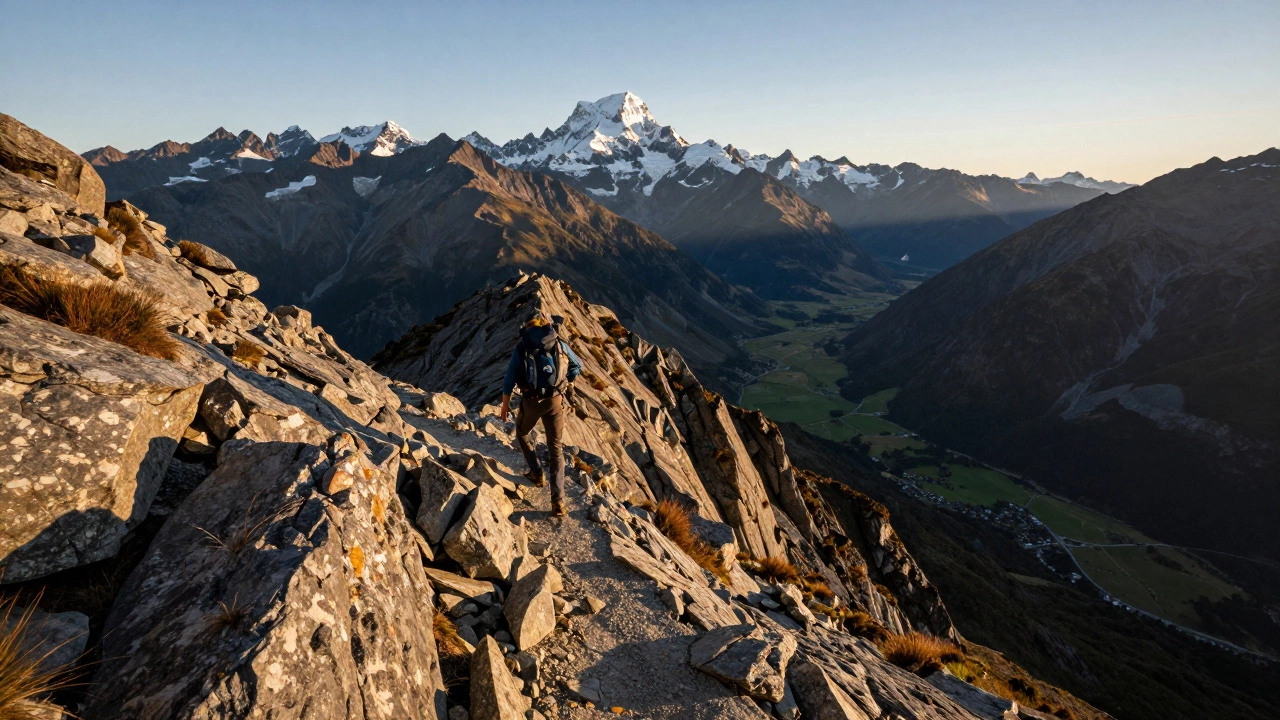
If your definition of outdoor activity involves walking long distances with spectacular views, New Zealand is a Pacific island nation renowned for its dramatic landscapes ranging from glaciers to rainforests takes the crown. The South Island alone offers more terrain variety than most continents. You can hike through ancient beech forests in the morning and stand beside a roaring glacier by afternoon.
The Great Walks network is the backbone of this reputation. Tracks like the Milford Track and Routeburn Track are meticulously maintained. In 2026, booking systems have become stricter due to over-tourism concerns, meaning you must plan months ahead. However, the payoff is worth it. The trails are well-marked, huts are clean, and the scenery is genuinely overwhelming. For those who prefer less crowded paths, the Abel Tasman Coast Track offers golden sandy beaches accessible only by boat or foot, providing a unique blend of coastal and terrestrial hiking.
New Zealand also leads in adventure infrastructure. Companies here invented commercial bungee jumping and skydiving. If you want to combine hiking with adrenaline-fueled add-ons, Queenstown remains the undisputed capital. The integration of conservation efforts with tourism means that while you pay for permits, those funds directly protect the ecosystems you are exploring.
High Altitude Thrills: Nepal
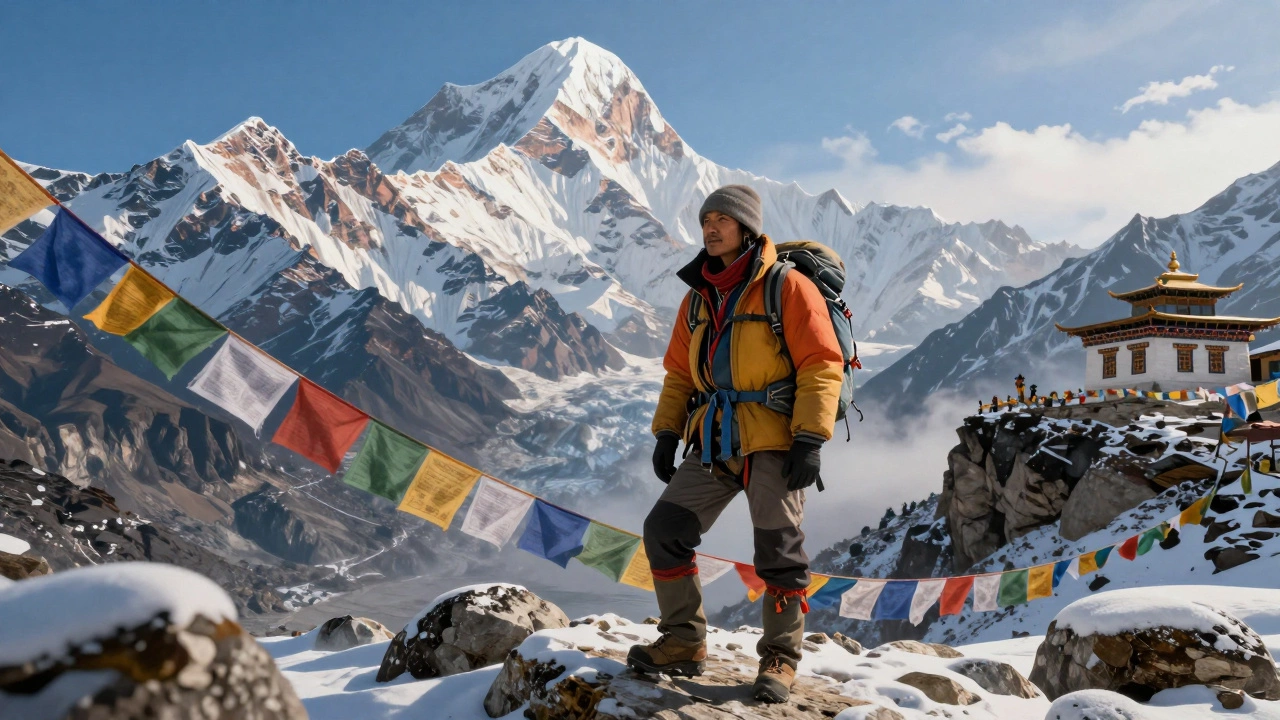
For mountaineers and trekkers seeking altitude, Nepal is a Himalayan country that serves as the gateway to the world's highest mountains is unmatched. Kathmandu functions as the launchpad for expeditions to Mount Everest and K2. But beyond the summit chasers, the trekking culture is deeply embedded in daily life.
The Annapurna Circuit and Everest Base Camp trek are classics for a reason. The teahouse system allows travelers to move without carrying heavy camping gear. In recent years, Nepal has invested heavily in helicopter rescue services and medical facilities at higher altitudes, making these treks safer than they were a decade ago. However, climate change poses real risks. Glaciers are receding, and weather patterns are becoming less predictable. Trekkers now need better acclimatization protocols and more flexible itineraries.
What sets Nepal apart is the human element. Sherpa guides are not just employees; they are experts in high-altitude survival. Their knowledge of local routes, weather signs, and cultural etiquette transforms a difficult hike into an educational experience. The combination of Buddhist monasteries perched on cliff edges and towering snow peaks creates a spiritual dimension to the physical challenge that few other places can replicate.
Water-Based Adventures: Indonesia
When the ocean calls, Indonesia is an archipelago of over 17,000 islands offering diverse marine environments dominates the conversation. Bali is famous, but the real action happens in places like the Mentawai Islands, Raja Ampat, and Lombok. These spots offer some of the most consistent surf conditions on the planet.
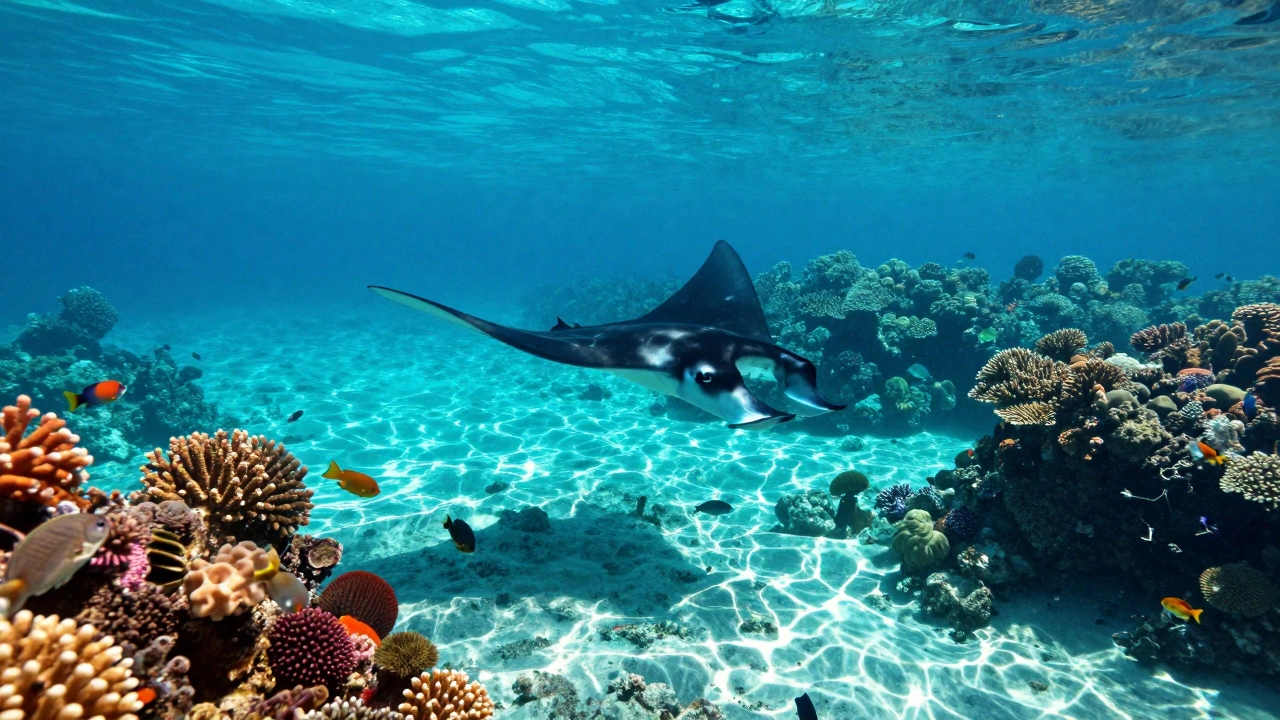
Raja Ampat, located in West Papua, is often cited as the center of marine biodiversity. Snorkeling and diving here reveal coral reefs that are healthier and more vibrant than anywhere else in the Indo-Pacific region. The visibility is crystal clear, and the chance to see rare species like manta rays and whale sharks is common rather than exceptional.
Surf culture in Indonesia is mature. Surf camps provide everything from equipment rental to coaching. The community aspect is strong; you will find locals and expats sharing tips on wave patterns and tide charts. For non-surfers, island hopping via traditional wooden boats offers a rugged, authentic way to explore hidden lagoons and untouched beaches. The heat and humidity are intense, so timing your trip during the dry season (May to September) is crucial for comfort and safety.
Winter Sports Powerhouse: France
If snow is your medium, France is a European nation with extensive alpine resorts known for luxury and reliability leads the pack. The French Alps host Les Trois Vallées, the largest linked ski area in the world. With over 1,200 kilometers of pistes, you can ski for weeks without repeating the same run.
French resorts excel in infrastructure. Lifts are modern, fast, and efficient. Snowmaking technology ensures good coverage even in warmer winters. Chamonix stands out for off-piste skiing and mountaineering. It is a place where professionals test their limits on steep, unmarked slopes. For families or beginners, Val d'Isère provides gentle slopes and excellent childcare facilities.
Beyond skiing, the French Alps offer summer hiking, paragliding, and mountain biking. The transition between seasons is seamless. Many skiers return in July to ride the same lifts on bikes. The culinary scene adds another layer of appeal; après-ski dining in France is legendary, combining hearty Alpine cuisine with sophisticated wine pairings.
Unique Geological Wonders: Vietnam
For something truly different, Vietnam is a Southeast Asian country featuring dramatic karst landscapes and extensive cave systems offers unparalleled caving experiences. Phong Nha-Ke Bang National Park contains Son Doong, the largest cave in the world. Exploring these caverns requires specialized equipment and guided tours, but the scale is mind-bending. Stalactites hang hundreds of meters above jungle floors inside the caves.
Besides caving, Vietnam’s Ha Long Bay provides stunning kayaking opportunities among limestone pillars rising from emerald waters. The northern highlands offer trekking through ethnic minority villages, where cultural immersion blends with physical activity. Motorbiking along the Hai Van Pass gives riders a thrilling mix of engineering marvels and coastal vistas.
Vietnam is affordable compared to Western destinations. Food is fresh, cheap, and delicious. Street food culture supports active lifestyles with quick, nutritious meals. However, traffic in cities like Hanoi and Ho Chi Minh City is chaotic, so renting a motorbike requires confidence and caution. Rural areas remain peaceful and welcoming, ideal for multi-day cycling tours.
Wildlife Immersion: Tanzania
Outdoor activities do not always mean climbing or swimming. Tanzania is an East African country famous for its vast savannas and iconic wildlife migrations redefines adventure through observation. The Serengeti ecosystem hosts the Great Migration, where millions of wildebeest and zebras traverse thousands of kilometers annually. Witnessing river crossings is one of nature’s most intense spectacles.
Walking safaris in Tarangire National Park allow close encounters with elephants and lions under armed ranger supervision. This format shifts the focus from vehicle-based viewing to tactile engagement with the environment. You learn to read animal behavior, track footprints, and understand predator-prey dynamics firsthand.
Mount Kilimanjaro offers a challenging trek to Africa’s highest peak. Unlike technical climbs, it requires endurance and acclimatization rather than ropes and ice axes. Many visitors combine a Kilimanjaro ascent with a safari, creating a comprehensive African adventure package. Conservation fees support anti-poaching units and community projects, ensuring that tourism benefits local populations.
How to Choose Your Destination
Selecting the right country requires honest self-assessment. Ask yourself three questions:
- What is my primary goal? Are you seeking solitude, social connection, or personal achievement?
- What is my skill level? Beginners should avoid isolated, high-risk environments until they gain experience.
- What is my budget? Some destinations require expensive permits, gear rentals, or guide services.
Consider the season carefully. Rainy seasons can turn beautiful trails into mudslides. Dry seasons may bring crowds and higher prices. Shoulder seasons often strike the best balance between cost and conditions.
Research local regulations. Some countries restrict drone usage, require visa approvals for border regions, or limit access to protected areas. Ignoring these rules can result in fines or expulsion. Always hire licensed operators for activities involving significant risk, such as white-water rafting or rock climbing.
Sustainability and Responsible Travel
Adventure tourism leaves a footprint. Litter, erosion, and noise pollution degrade natural sites. By 2026, many popular destinations have implemented strict waste management policies. Carrying out all trash, using biodegradable sunscreen, and staying on marked trails are basic expectations.
Support local economies by hiring local guides and eating at family-run restaurants. Avoid companies that exploit workers or ignore environmental standards. Look for certifications like Green Globe or EarthCheck when booking tours. Small actions collectively preserve these landscapes for future generations.
Climate change affects all outdoor activities. Glaciers shrink, wildfires increase, and sea levels rise. Travelers can contribute by choosing carbon-neutral transport options and supporting conservation initiatives. Educate others about responsible practices. Awareness spreads faster than awareness alone.
Which country is safest for first-time adventurers?
New Zealand and Canada are consistently ranked as the safest destinations for beginners. Both have robust emergency response systems, clear signage, and widespread availability of English-speaking guides. Infrastructure is reliable, and healthcare access is excellent even in remote areas.
What is the cheapest country for outdoor activities?
Vietnam, Thailand, and Peru offer exceptional value. Accommodation, food, and transport costs are low. Guided tours are affordable, and public transportation connects major attractions efficiently. Budget travelers can enjoy world-class experiences for a fraction of Western prices.
Do I need special insurance for adventure travel?
Yes. Standard travel insurance rarely covers high-risk activities like scuba diving, mountaineering above certain altitudes, or motorcycling. Purchase specialized adventure sports insurance that includes evacuation coverage, medical expenses, and equipment replacement. Read policy exclusions carefully before booking.
When is the best time to visit Nepal for trekking?
The optimal windows are October to November and March to May. These periods offer stable weather, clear skies, and moderate temperatures. Monsoon season (June to September) brings heavy rain and landslides, while winter months (December to February) feature freezing conditions and closed high passes.
Can I rent gear locally or should I bring my own?
In developed hubs like Queenstown, Chamonix, and Kathmandu, high-quality rental shops abound. Renting saves weight and avoids damage risks during transit. In remote areas, carry essential items like boots, helmets, and personal protection equipment. Always inspect rented gear thoroughly before use.
How do I prepare physically for a multi-day trek?
Start training three to six months prior. Focus on cardiovascular endurance, leg strength, and core stability. Practice hiking with a loaded backpack on varied terrain. Gradually increase distance and elevation gain. Incorporate rest days to prevent injury. Hydration and nutrition habits should mimic what you expect on the trail.
Are solo female travelers safe in adventure destinations?
Generally yes, especially in established tourist circuits. Join group tours for initial orientation and safety. Share your itinerary with trusted contacts. Stay aware of surroundings, particularly at night. Research local customs regarding dress and behavior. Most adventure communities welcome women warmly and prioritize mutual respect.
What impact does climate change have on adventure tourism?
Glacier retreat reduces skiing seasons. Rising sea levels threaten coastal dive sites. Increased wildfire frequency closes hiking trails. Extreme weather events disrupt travel plans. Adaptation strategies include shifting schedules, diversifying destinations, and supporting climate-resilient tourism models. Travelers play a role by reducing carbon footprints and advocating for sustainability.