UK Staycation Starting Point Finder
Answer these quick questions to discover the perfect starting point for your UK adventure.
Alternative Options
Practical Tips for Your Trip
So you’ve decided to explore the United Kingdom. Maybe you’re already there, or maybe you’re packing your bags from Toronto, Canada, ready to dive into a world of history, culture, and surprisingly great food. But where do you actually start? The UK is small enough to cross in a day by train, yet vast enough that trying to see everything at once will leave you exhausted and overwhelmed.
If you are looking for the perfect starting point for your UK staycation, the answer depends entirely on what kind of traveler you are. Are you here for the neon lights and world-class museums? Or are you chasing rolling green hills, ancient castles, and quiet coastal villages? There is no single "right" way to begin, but there are definitely smarter ways than others. Let’s break down the best entry points based on your vibe, your budget, and how much time you have.
The Classic Choice: Why London Should Be Your Base
Let’s be honest. For most first-timers, London is the obvious starting line. It isn’t just the capital; it’s the transport hub of the entire country. If you arrive at Heathrow, Gatwick, or Stansted, you are likely landing within an hour of Central London anyway. Fighting against this geography usually means wasting money and time.
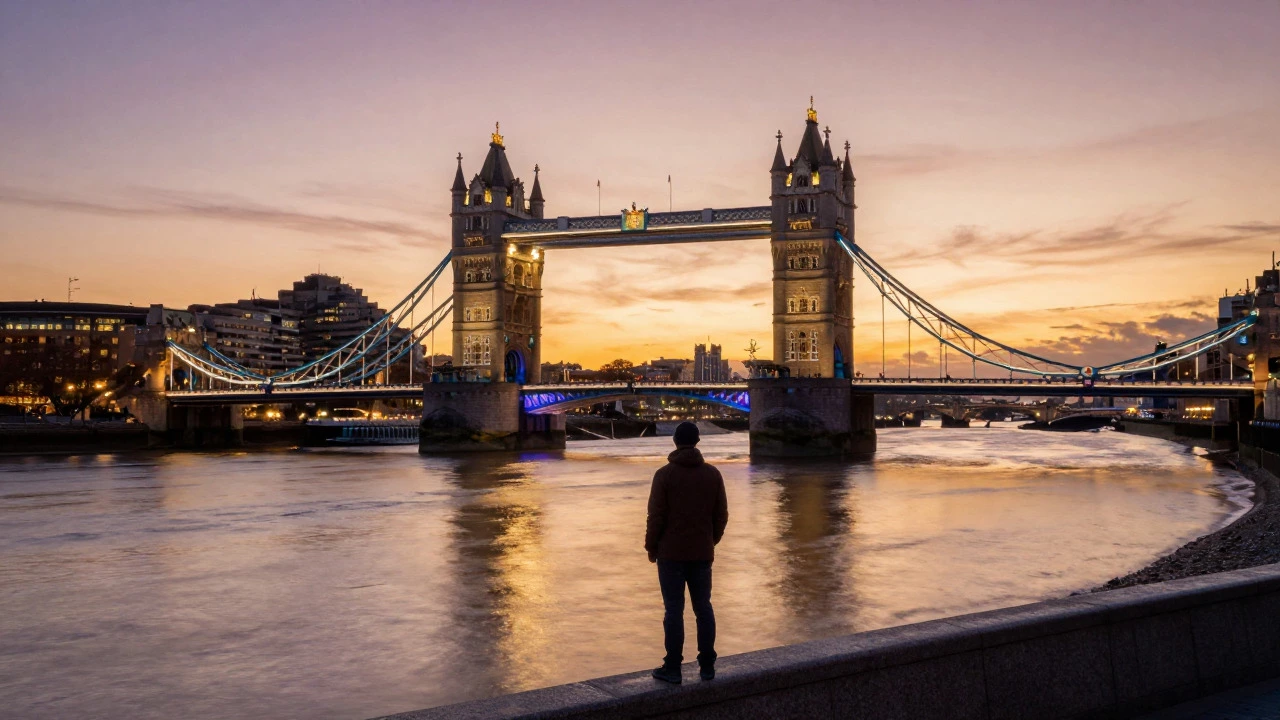
London offers something called the "grazing method" of sightseeing. You don’t need a rigid schedule. One morning, you can walk through the free galleries of the British Museum, seeing the Rosetta Stone and Egyptian mummies. By afternoon, you can hop on the Tube to Covent Garden for street performers and lunch, then end the day watching the sunset over the Thames with the Tower Bridge lit up in the background.
But here is the pro tip: Don’t just stay in the center. Use London as a launchpad. The train network out of Paddington Station takes you to Bath in under two hours. From Victoria Station, you can reach Brighton for a seaside escape. If you spend three to four days in London, you get the urban energy, the history, and the connections to everywhere else. It is the ultimate logistical anchor.
The Romantic Alternative: Bath and the Cotswolds
If London feels too chaotic, too loud, or too expensive for your taste, look west. Specifically, look at Bath. This city is often described as one of the most beautiful in England, and for good reason. Built almost entirely from honey-colored limestone, Bath looks like it was pulled straight out of a Jane Austen novel.
Starting your trip here gives you a completely different perspective on British life. Instead of skyscrapers, you see Roman baths, Georgian architecture, and narrow cobbled streets. You can soak in the thermal waters at the Roman Baths, which have been operating since 69 AD. It’s a slow-paced start that sets a relaxed tone for the rest of your journey.
From Bath, you are only a short drive or bus ride away from the Cotswolds. These aren’t just hills; they are a designated Area of Outstanding Natural Beauty. Villages like Bourton-on-the-Water and Castle Combe look like postcards come to life. If your idea of a perfect vacation involves pub lunches, walking trails, and zero traffic jams, starting in the Southwest is a game-changer.
The Historical Powerhouse: Edinburgh and Scotland
Why limit yourself to England? If you want drama, history, and landscapes that look like they belong in a fantasy movie, start your trip in Edinburgh. Arriving at Edinburgh Airport puts you right at the doorstep of one of Europe’s most atmospheric cities.
Edinburgh is built on seven hills, which means you are constantly climbing stairs and getting incredible views. The Edinburgh Castle sits atop Castle Rock, dominating the skyline. Walking down the Royal Mile feels like stepping back into the Middle Ages. The contrast between the medieval Old Town and the neoclassical New Town is striking and fascinating.
But the real magic happens when you leave the city. A short train ride north gets you to Stirling, home of Stirling Castle. Further north, you can reach the Highlands. If you love nature, starting in Scotland allows you to tackle the rugged terrain early on. You can hike around Loch Ness, visit the Isle of Skye, or simply enjoy the crisp air and dramatic coastlines. It’s a more adventurous start, but one that rewards you with unforgettable scenery.

The Cultural Deep Dive: Manchester and the North
For years, people skipped the North of England. That was a mistake. Manchester has reinvented itself as a cultural powerhouse. It’s known for its music heritage (The Beatles, Oasis, Joy Division), its football culture, and its vibrant nightlife. But it’s also a gateway to some of the most stunning natural beauty in the UK.
Starting in Manchester gives you access to the Lake District, a National Park famous for its lakes, mountains, and literary connections. Wordsworth and Beatrix Potter lived here, and you can still feel their influence in the quaint villages and scenic walks. You can take a train from Manchester Piccadilly to Windermere in about an hour. It’s fast, cheap, and efficient.
Manchester itself is gritty, creative, and welcoming. The Northern Quarter is filled with independent shops, street art, and cafes. The science and industry museum tells the story of the Industrial Revolution, which shaped not just Britain, but the modern world. If you want a mix of urban cool and natural grandeur, the North is the place to begin.
How to Choose Your Starting Point
Still unsure? Let’s simplify it. Here is a quick decision matrix to help you pick your base:
- You have less than 5 days: Stick to London. You can’t see everything, so focus on the highlights. Add a day trip to Oxford or Cambridge if you want a change of pace.
- You love history and architecture: Start in Bath or York. Both cities are incredibly well-preserved and offer a deep dive into Roman and Medieval history without the crowds of London.
- You want nature and adventure: Begin in Edinburgh or Manchester. Access to the Highlands or the Lake District is immediate and easy.
- You are on a tight budget: Avoid London for your first night. Cities like Liverpool, Newcastle, or Bristol offer cheaper accommodation and lower food costs, while still being well-connected by rail.
| City | Best For | Avg. Hotel Cost (Per Night) | Transport Ease |
|---|---|---|---|
| London | Museums, Shopping, Nightlife | £150 - £300+ | Excellent (Heathrow/Gatwick) |
| Edinburgh | History, Highlands, Castles | £100 - £200 | Good (Direct Flights) |
| Bath | Romance, Architecture, Relaxation | £80 - £150 | Moderate (Train from London) |
| Manchester | Music, Industry, Lake District | £70 - £120 | Good (Manchester Airport) |

Practical Tips for Your First Week
Once you’ve picked your city, here are a few things that will make your life easier. First, get an Oyster card or use contactless payment if you are in London. It saves you money and hassle compared to buying paper tickets. In other cities, look into regional rail passes if you plan to move around a lot.
Book your trains in advance. UK train prices work like airline tickets-the earlier you book, the cheaper it is. Last-minute tickets can be exorbitant. Apps like Trainline or National Rail Enquiries are your best friends here.
Don’t underestimate the weather. Even in August, it can rain. Pack layers. A waterproof jacket is more useful than a swimsuit, unless you are heading to the South Coast beaches. And finally, eat local. Skip the tourist traps near major landmarks. Walk five minutes away, find a pub with locals inside, and order the daily special. That’s where you’ll find the real flavor of the UK.
Frequently Asked Questions
Is it better to fly into London or another city?
For most travelers, flying into London is the most convenient option due to the sheer number of flights and connections. However, if you plan to spend most of your time in Scotland, flying directly into Edinburgh or Glasgow saves you a full day of travel. Similarly, if you are focusing on the North, Manchester Airport is a great alternative with many direct international routes.
How many days should I spend in London?
Three to four days is ideal for a first visit. This allows you to see the major landmarks like the Tower of London, Buckingham Palace, and the British Museum without rushing. If you love museums and shopping, you could easily extend this to five days. After that, consider taking a day trip to nearby cities like Oxford or Windsor to break up the urban intensity.
What is the best time of year to visit the UK?
Late spring (May to June) and early autumn (September to October) are generally the best times. The weather is mild, and the crowds are thinner than in peak summer. August, while popular, can be crowded and rainy. Winter is cold and dark but offers a cozy atmosphere with Christmas markets and fewer tourists.
Do I need a car to explore the UK?
Not necessarily. The train network in the UK is extensive and reliable, especially in the south and east. Cities like London, Edinburgh, and Manchester are very walkable and have excellent public transport. However, if you plan to explore rural areas like the Scottish Highlands or the Cotswolds, renting a car gives you much more flexibility and access to remote locations.
Is the UK expensive for tourists?
It can be, particularly in London. Accommodation, dining, and attractions in the capital are pricey. However, smaller cities and rural areas are significantly more affordable. You can save money by eating at pubs, using public transport, and visiting free museums. Planning ahead and booking trains early also helps keep costs down.
What are some must-see historical sites outside of London?
Beyond London, there are countless historical gems. Stonehenge is a prehistoric monument near Salisbury. York Minster and the Shambles in York offer a medieval experience. Edinburgh Castle and Holyrood Palace showcase royal history. In Wales, Caernarfon Castle is a UNESCO World Heritage site. Each region has its own unique historical narrative worth exploring.
How do I handle tipping in the UK?
Tipping is not as mandatory as in the US. In restaurants, if service charge isn’t included, leaving 10-15% is appreciated. In pubs, you generally don’t tip unless you’re ordering at a table with waiter service. For taxis, rounding up the fare is common. Always check your bill to see if a service charge has already been added.
Can I drink tap water in the UK?
Yes, tap water in the UK is safe to drink and strictly regulated. In fact, asking for tap water in restaurants is common and often free. It’s an eco-friendly and cost-effective choice. If you’re concerned about taste, some areas have harder water, but it poses no health risks.