The Hidden Geography of British Wealth
You might expect the richest people to fly to the Caribbean or the Alps every winter, but a significant shift is happening. In an era defined by climate volatility and geopolitical instability, Domestic Luxury Travel has become the preferred choice for high-net-worth individuals in Britain. They aren't abandoning their homes; they are upgrading them. This isn't your standard Airbnb booking. We are talking about private estates, members-only clubs, and historic country houses that operate with the discretion of a royal palace and the service standards of a five-star hotel.
If you are looking to understand where the money goes, you need to stop looking at guidebooks and start looking at tax records and real estate portfolios. The map of British luxury is smaller than you think. It concentrates heavily in three distinct zones: the Northern Highlands, the Southwestern Peninsula, and the Greater London corridor. Each offers something different-privacy, nature, or cultural dominance-but the price tag is consistently sky-high regardless of location.
Scottish Highlands: The Fortress of Silence
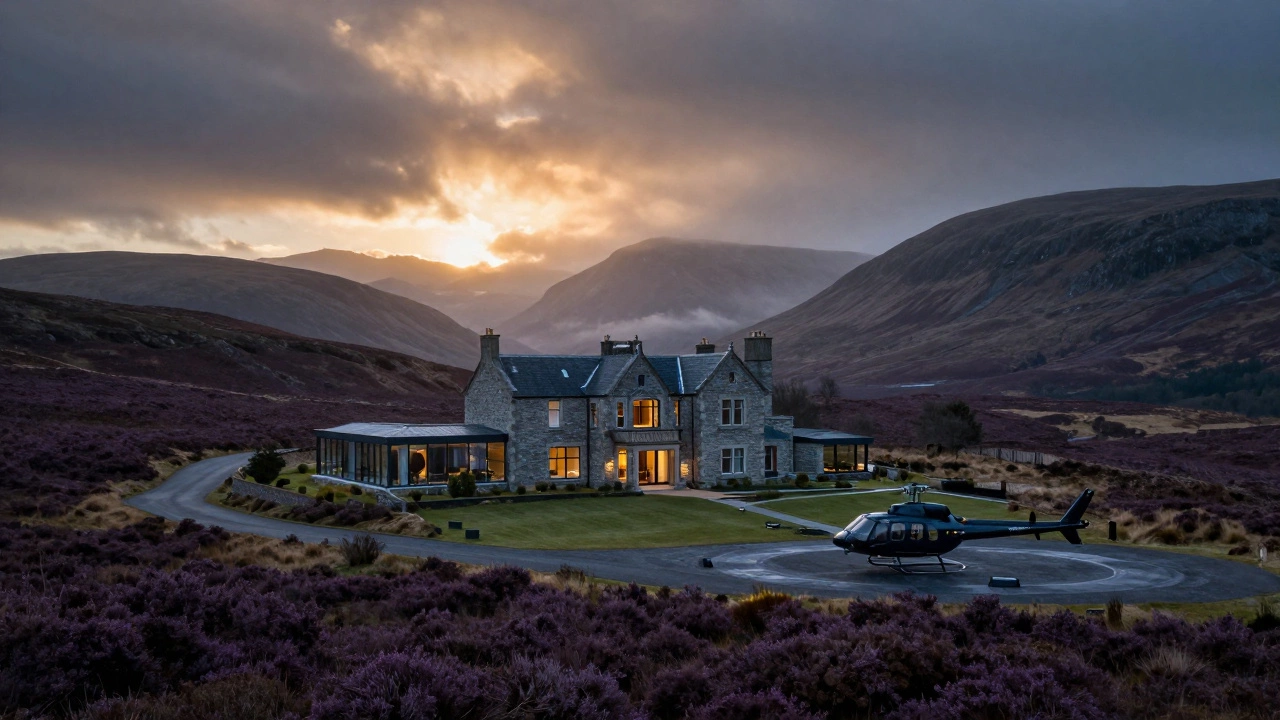
When we talk about true seclusion, the conversation almost always turns north. The Scottish Highlands represent the pinnacle of privacy. For the wealthy traveler, the appeal here isn't sightseeing; it's isolation. Properties like Gleneagles Hotel, part of the Dorchester Collection, sit on 850 acres of private land. You aren't sharing a view with tourists; you own the view for the duration of your stay.
- Exclusivity Factor: Many estates have private airfields for helicopters, allowing guests to bypass public airports entirely.
- Nature Access: Direct access to Loch Lomond and Trossachs National Park ensures walking paths remain uncrowded.
- Seasonality: Prices peak during summer deer stalking season and spring bird migration.
Beyond Gleneagles, look toward Ardverikie House. Run by the BBC Studios, this Victorian manor is technically open to the public, but in practice, it operates like a members' club. The rooms are expansive, often featuring four-poster beds and antique fireplaces. But the real value lies in the staff ratio. At this level, you get one housekeeper and one chef dedicated solely to your needs, regardless of group size. It creates a "home away from home" environment that removes all decision fatigue from the trip.
The Southwest Peninsula: Coastal Concessions
Moving south, the coastline changes character. While the Highlands offer silence, the Cornish Riviera and Devon coast offer light, water, and culinary density. The wealthy here prefer St Mawes and Polzeath. These are not commercial resorts but villages where property values exceed central Manhattan prices per square foot.
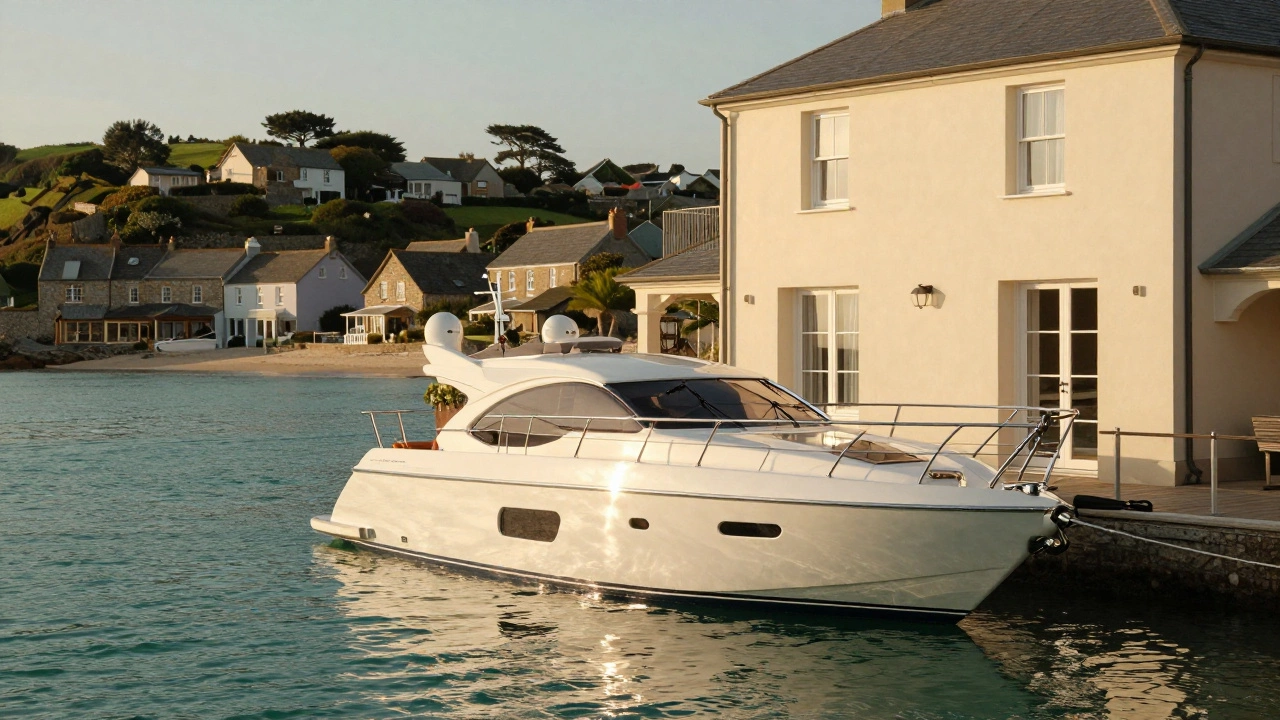
Holiday rentals in St Mawes often command upwards of £5,000 per night for mid-season weekends. These properties feature deep-water mooring rights, meaning a guest can dock their yacht directly outside their bedroom window. The infrastructure supports this lifestyle; private shuttles connect the moored yachts to the village pubs, ensuring guests never have to deal with public transport.
In terms of dining, this region connects directly to the Michelin Guide ecosystem. Hotels like The Pig in Bray or The Headland in Cornwall provide Michelin-starred meals delivered to private tables or even beachside setups. This integration means the holiday experience includes top-tier gastronomy without leaving the property perimeter. It is a form of self-containment that appeals to those seeking low-security friction.
The Cotswolds and Warwickshire: Heritage Luxury
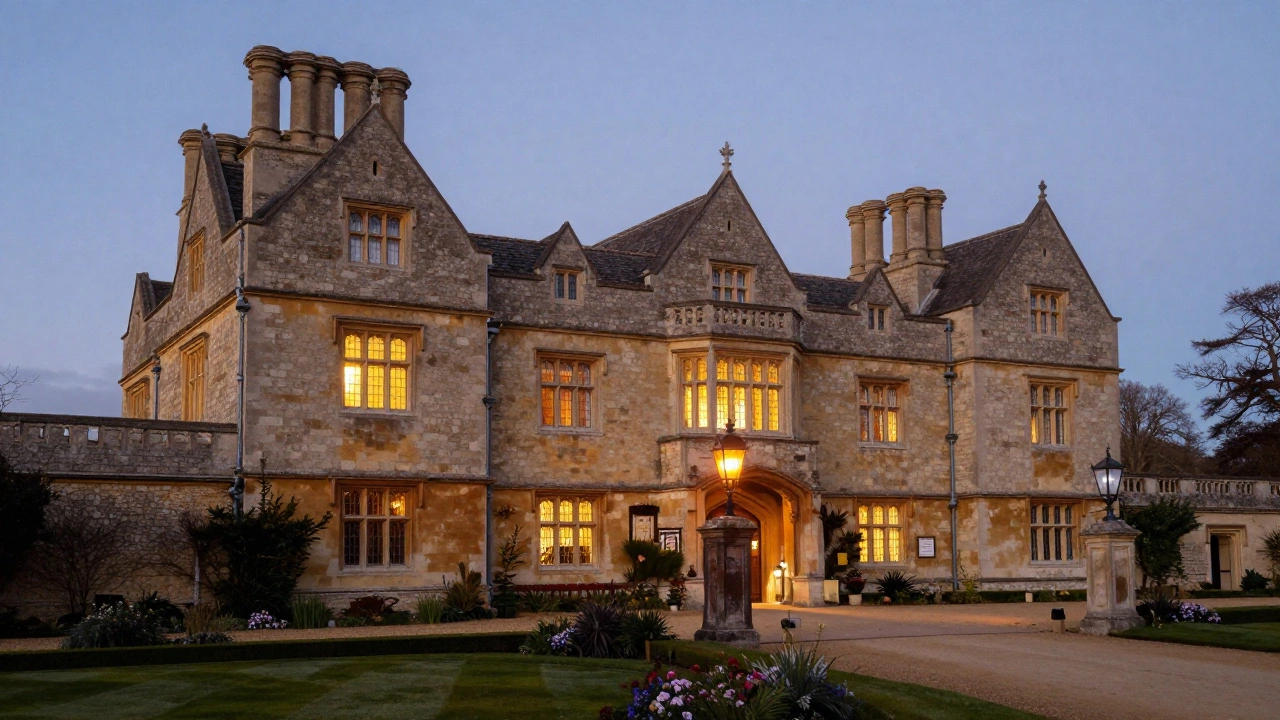
If Scotland provides wild isolation, the Cotswolds provides curated history. This area is less about raw nature and more about preserved architecture. Historic Country Houses here date back centuries, some having hosted royalty. Staying here feels like stepping into a period drama, but with modern plumbing and climate control.
The key distinction in this zone is the social status attached to the locations. Clubs like Badminton or Royal Writton offer grounds that are partially accessible to the public, yet the lodgings remain strictly private. This hybrid model allows visitors to feel connected to the community while remaining segregated physically.
| Region | Primary Appeal | Typical Price Range (Night) | Privacy Level |
|---|---|---|---|
| Scottish Highlands | Seclusion & Nature | £2,000 - £15,000+ | Extreme |
| Cornwall/Devon | Coastline & Dining | £1,500 - £8,000 | High |
| Cotswolds | History & Golf | £1,200 - £6,000 | Moderate-High |
London Sanctuaries: Urban Exclusion
Sometimes, the luxury is simply being in the center of power. In London, wealth seeks out Mayfair and Kensington. Here, Penthouse Suites function as entire apartments with kitchenettes, private elevators, and concierge services that extend beyond the building.
Properties like The Wolseley or Brown's Hotel operate with "discretionary protocols." This means staff are trained not to ask personal questions and to anticipate needs before they are voiced. Unlike a standard hotel where you check in at reception, here you enter through a side door into a waiting car. The check-in happens via iPad in the suite upon arrival. The goal is anonymity blended with omnipotence.
The Invisible Service Layer
What truly separates the wealthy holiday experience from a standard 5-star review isn't the thread count of the sheets; it is the Private Butler Service. In standard luxury, a butler handles luggage. In the high-end sector, a butler manages logistics. If you decide at lunch that you want to play golf at Wentworth tomorrow, the butler books the tee, organizes the caddy, and arranges transport before dessert arrives.
This service layer extends to security. In post-pandemic times, many wealthy families travel with their own security teams, requiring accommodation with separate entrances and private lifts. Properties that accommodate these logistical chains are highly prized.
Cost Realities and Accessibility
Is this accessible to regular travelers? Sometimes. While the most exclusive clubs require membership invites that take years to secure, hotels like Gleneagles or The Goring accept walk-ins if you can pay. However, you should be prepared for a minimum spend. A typical "weekend getaway" for this demographic starts around £5,000 excluding flights, food, and activities.
Pricing is often dynamic. Peak seasons like Christmas, Easter, and Royal Ascot week see multipliers of 3x to 5x. To find better rates, travelers often target shoulder seasons like late November or February, provided the specific property remains fully operational year-round.
Frequently Asked Questions
Can regular tourists book these ultra-luxury stays?
Yes, most hotels like Gleneagles or The Connaught are open to the public, but some estates (like Ardverikie) prioritize members or have strict booking windows. Expect to pay full retail price for direct bookings unless you hold membership status.
Which month is cheapest for luxury UK holidays?
January and February (excluding school holidays) are typically the cheapest months. Prices drop significantly after New Year when demand decreases, except for ski-related destinations which remain stable year-round.
Do you need a driver for these trips?
Most luxury packages include chauffeur-driven transfers between London and the estate. If hiring privately, a Rolls Royce Phantom ranges from £1,500 to £3,000 per day, depending on distance and vehicle age.
Are these places good for children?
Many country houses now offer dedicated kids' suites and childcare services, including nannies and activity planners. Places like Ullswater Manor specifically cater to families with educational excursions included.
What defines a 'Butler Service' in the UK?
Beyond unpacking bags, a true butler prepares beverages, manages wardrobe maintenance, liaises with local attractions for tickets, and ensures seamless transitions between meal courses and entertainment.