
Finding a place where the sun is shining and the wallet stays happy is the eternal challenge of modern travel. By late March 2026, winter blues are fading, but summer price hikes haven’t fully kicked in yet. You have a window of opportunity right now. Many destinations sit in what experts call the “shoulder season,” offering decent weather without the crowds or premium rates.
The key isn’t just about finding a map marker with low average temperatures. It is about understanding how exchange rates, flight routes, and local accommodation markets interact. A cheap hotel in a remote area means nothing if you spend three times that amount on fuel or food to get there. We need to look at total trip costs, not just the nightly rate.
Understanding the Timing Advantage
The timing of your departure often dictates your budget more than the destination itself. Late March sits squarely in the transition zone for many parts of the world. In Europe, the rain stops, but the tourists haven’t flooded the resorts yet. In Southeast Asia, the monsoon risks begin to shift depending on the specific island you choose.
Shoulder Season refers to the period between peak holiday months and off-season lows. During this time, demand is moderate, meaning airlines lower fares slightly while hotels offer competitive packages to fill rooms. For March 2026, targeting travel dates between mid-April and early May captures the most significant price drop without sacrificing sunshine hours.
If you wait until June, flights to popular spots like Spain or the Caribbean can double in price. Booking now locks in the early-bird advantage, especially if you remain flexible with your return dates by even two days.
Top European Picks for Value
For travelers based in the UK or Western Europe, staying on the continent often cuts flight costs dramatically compared to intercontinental travel. Short-haul budget carriers make distances feel manageable.
One standout option is the Algarve region in southern Portugal. Historically, Algarve is a coastal region known for golden beaches and limestone cliffs. While popular in July, April sees room rates drop by approximately 40%. You can find apartments near Faro International Airport for under 40 Euros per night. The water is still cool, but the air temperature hovers comfortably around 18 to 22 degrees Celsius.
Closer to home, the Canary Islands remain a safe bet for year-round warmth. Tenerife and Gran Canaria benefit from stable trade winds that keep temperatures steady. Because they are geographically closer to the mainland, fuel consumption on short flights is lower, often resulting in cheaper tickets than flying to mainland Southern Europe. Just remember that parking fees in resorts can add up quickly, so opt for accommodations with included transport passes.
Southeast Asia: The Long-Haul Bargain
When people hear “heap travel,” their minds immediately jump to Asia, and for good reason. The purchasing power parity difference between Western currencies and Asian local money creates massive buying power.
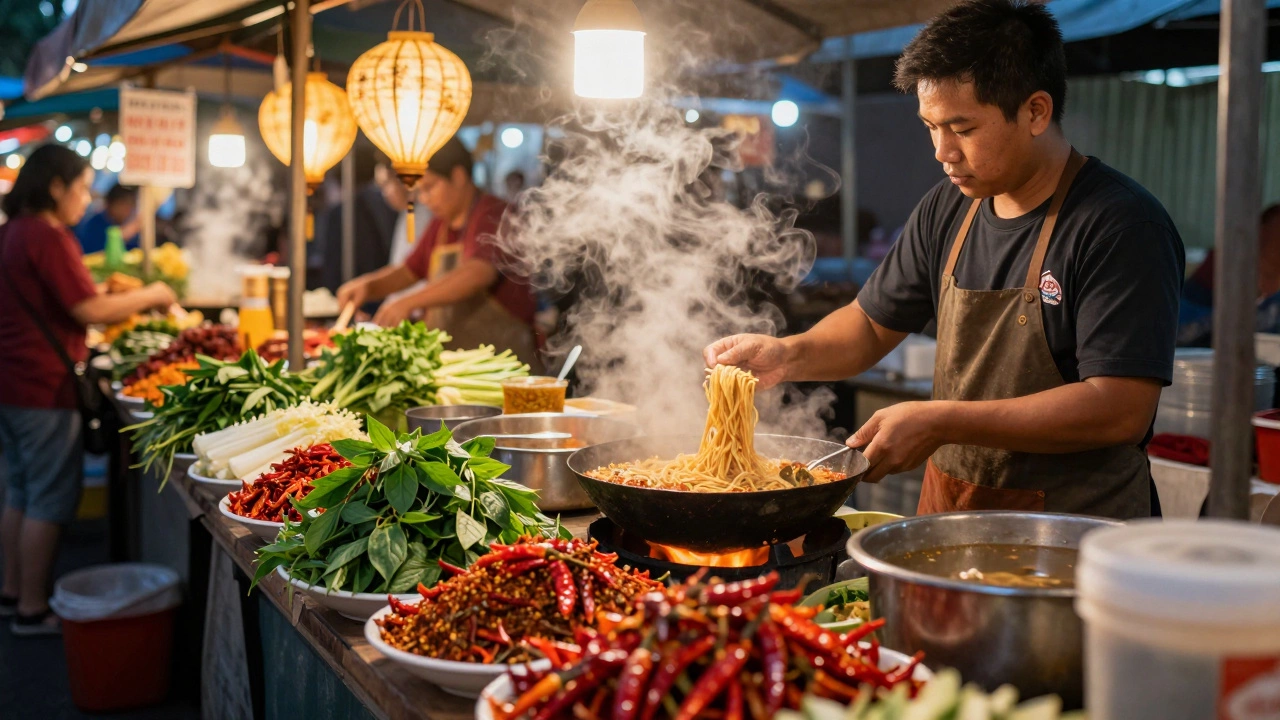
Thailand offers one of the most established tourism infrastructures for budget travelers. In Bangkok and Chiang Mai, street meals cost less than five dollars. Even moving to the islands like Koh Lanta allows you to stretch your budget further. While flights are the main expense, consolidating bookings through multi-city stopovers can reduce the airfare shock. Late March sees drying skies in Phuket before the heavy rains of August arrive.
Vietnam is another contender, particularly Hoi An and Dalat. Accommodation here tends to be simpler than Thai resort style but incredibly affordable. Hostels range from $10 to $20 per night, including breakfast and laundry. The food culture is robust, making dining out a feast rather than a splurge.
The Americas and Caribbean Considerations
Travelers looking toward the Americas often prioritize relaxation over adventure. All-inclusive resorts dominate this search. In places like the Dominican Republic, paying upfront for food and drink removes the temptation to overspend during the holiday.
Punta Cana is a leading tourist hub on the Dominican coast. Resorts here compete fiercely on bundle prices. In April, prices dip below the winter peaks. You can find seven-night stays including flights for surprisingly competitive totals when booked early. However, watch out for "resort fees" that appear upon checkout for services like WiFi or pool towels.
Mexico presents a mix of culture and beach time. Cancun is expensive, but Puerto Vallarta and Playa del Carmen offer more grounded pricing. The key in Mexico is renting a car to explore beyond the resort zone. Local markets offer fresh produce and authentic tacos for a fraction of the tourist trap menu prices.
| Destination | Flight Approx. | Hotel (Mid-Range) | Food/Drink (Daily) | Total Est. (Excl. Travel) |
|---|---|---|---|---|
| Algarve, Portugal | $200-$400 | $60 | $35 | $95 |
| Tenerife, Spain | $300-$500 | $70 | $40 | $110 |
| Bangkok, Thailand | $800-$1000 | $40 | $20 | $60 |
| Punta Cana, DR | $600-$800 | $100 (All Incl.) | $0 (Included) | $100 |
| Hanoi, Vietnam | $900-$1100 | $35 | $15 | $50 |
These numbers fluctuate based on your starting point and the current strength of your currency against the Euro, Baht, or Peso. Always check the live exchange rate before finalizing a credit card purchase.
Navigating Hidden Costs and Logistics
A budget holiday falls apart when unforeseen expenses arise. Taxi meters at the airport are notorious for charging non-residents triple rates. Learning to negotiate or knowing the fare beforehand prevents shock.
In many warm destinations, tipping is expected but amounts vary wildly. In the US and Canada, service charges are built-in, but in Asia, small bills are left respectfully. Researching local etiquette before landing saves awkwardness and keeps cash flow positive.
Another major factor is insurance. A cheap medical bill in Europe differs vastly from one in rural Asia. Comprehensive travel insurance covering medical evacuation is non-negotiable. Do not skip this to save twenty dollars on a policy. If you fall ill abroad, the recovery costs will wipe out all savings from the cheap flight ticket.

Smart Booking Strategies for 2026
Timing your booking is critical. For March and April trips, the sweet spot is often 60 to 90 days in advance. Airlines release seats 11 months out, but prices stabilize six months ahead.
Using incognito mode on browsers prevents sites from tracking cookies and inflating displayed prices based on your search history. Comparing flight aggregator tools against individual airline websites often reveals discrepancies. Sometimes the official site offers better change policies or free baggage allowance that aggregators hide behind a fee.
Consider open-jaw flights. Instead of returning to the city you departed from, fly into Athens and back from Rome. This linear route allows you to move forward through the itinerary without wasting time or money circling back. Rail and bus networks in Europe make ground transfer easy and cheap.
Ensuring Safety in Budget Zones
Low cost does not mean high risk, but it requires vigilance. Petty theft occurs in budget-friendly areas because they attract higher volumes of foot traffic. Keep valuables in a concealed pouch rather than a standard backpack zip pocket.
Scams targeting tourists often revolve around lost luggage claims or overcharged taxi rides. Have the address of your accommodation translated into the local script on your phone screen. If you stay in guesthouses or homestays, read recent reviews specifically mentioning security measures like key safes or secure courtyards.
Health precautions are part of the safety equation. Drinking tap water is risky in many warm climates regardless of price level. Stick to bottled water, even for brushing teeth in countries like Vietnam or Thailand. Hydration sickness affects performance and mood far more than the initial discomfort of minor dehydration.
Choosing Based on Your Priorities
Different travelers define “heap” differently. One group prioritizes spending time relaxing by a pool without worrying about daily bills. Another wants to explore culture, hike mountains, and eat local cuisine. The former suits Punta Cana or Antalya; the latter fits Bali or Portugal.
If nightlife is essential, bars in cities like Budapest or Krakow offer low-cost beer and vibrant energy, even in cooler months. But if beach relaxation is the goal, the tropics offer a consistent climate where you don’t need to pack heavy layers. Decide which experience anchors your trip before searching for flights.
Is March too early for summer sun?
Not necessarily. In tropical zones like Thailand or the Caribbean, March falls within the dry season. Temperatures are warm but not yet at scorching highs. However, ocean water may still be cool in Mediterranean spots.
Can I really find all-inclusive deals in April?
Yes, particularly in the Dominican Republic and Mexico. April is post-winter peak season, prompting resorts to discount packages significantly to maintain occupancy before the next rush.
Which destination offers the cheapest food costs?
Southeast Asia remains unbeatable for street food affordability. Countries like Vietnam and Thailand allow you to eat multiple nutritious meals a day for under ten dollars locally.
Are budget hotels in warm spots safe?
Safety varies by neighborhood. Always read recent traveler reviews regarding security and hygiene. Guesthouses with 24-hour reception are generally safer than isolated villas for solo travelers.
What is the best time to book flights for spring?
Booking between 45 to 60 days in advance usually yields the lowest fares for spring travel. Prices tend to rise sharply once you pass the 30-day mark before departure.