UK Staycation Carbon Calculator
Calculate Your Travel Impact
Compare carbon emissions between UK staycations and overseas trips based on your travel choices.
Your UK Staycation Impact
0.0 kg
0 kWh
When the weather turns gray and the flights to Spain get too expensive, millions of Brits do something simple: they stay home. But don’t let the word ‘staycation’ fool you-this isn’t just lounging on the sofa. In 2026, UK staycations are bigger, bolder, and more diverse than ever. People aren’t just visiting the Lake District because it’s pretty. They’re booking cottages with hot tubs, hopping on trains to coastal towns with Michelin-starred pubs, and driving to places they’ve never heard of-until now.
Top Destinations for UK Staycations in 2026
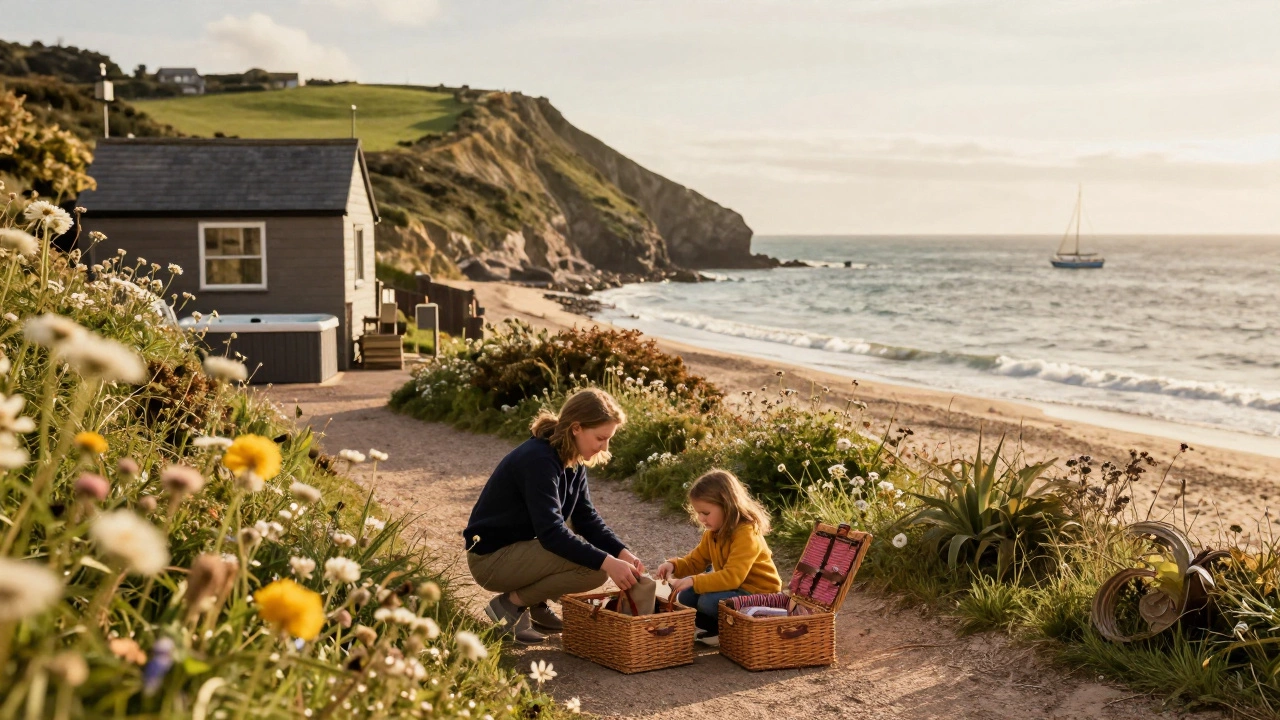
According to data from VisitBritain and the UK Tourism Survey, the most visited places in the UK last year weren’t the usual suspects. Sure, London still pulls in crowds, but it’s not the leader anymore. The real winner? Devon. Coastal towns like Dartmouth, Sidmouth, and Torquay saw a 22% jump in bookings compared to 2025. Families love the beaches, couples go for the cliffside pubs, and remote workers book long-term stays in converted barns with Wi-Fi that actually works.
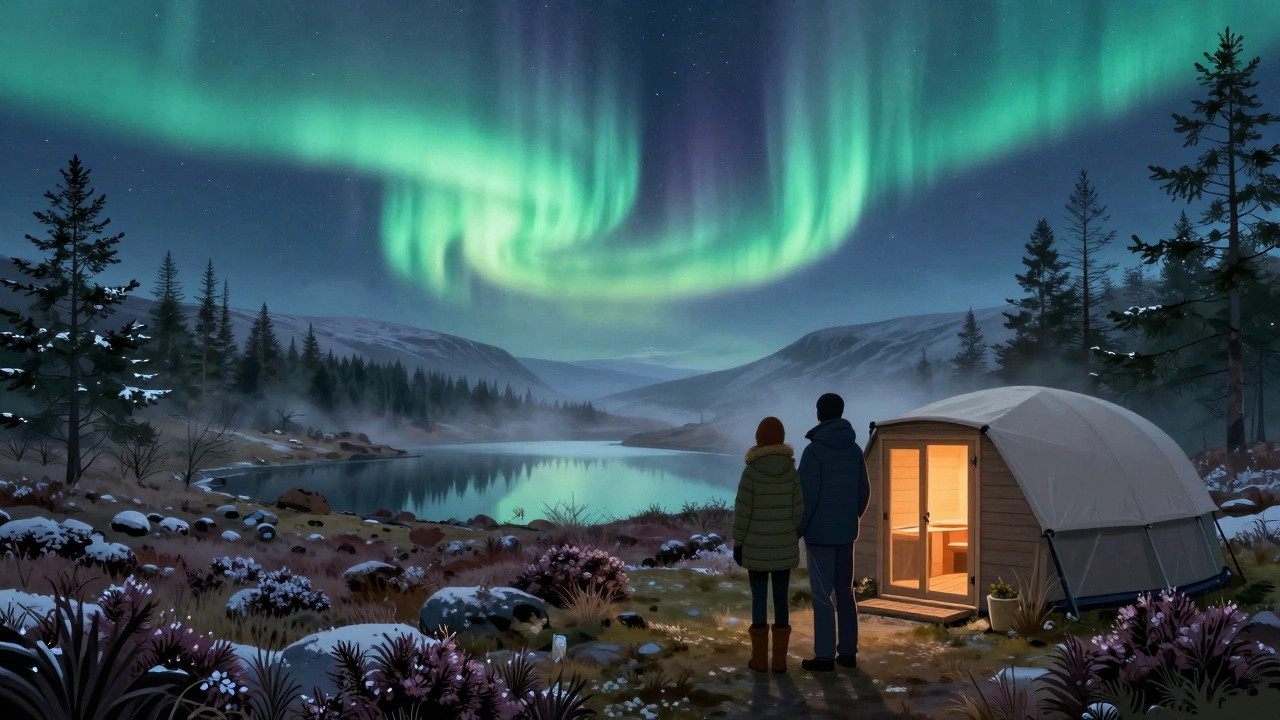
Coming in second is the Scottish Highlands. After years of being seen as too remote or too rainy, the region has rebranded itself as a wellness and adventure hub. Glamping sites with wood-fired saunas and private loch access are sold out months in advance. The North Coast 500 route is now a bucket-list drive, even for people who’ve never been north of Manchester. And it’s not just summer-winter bookings are up 37% as people chase Northern Lights tours and cozy log cabins with roaring fires.
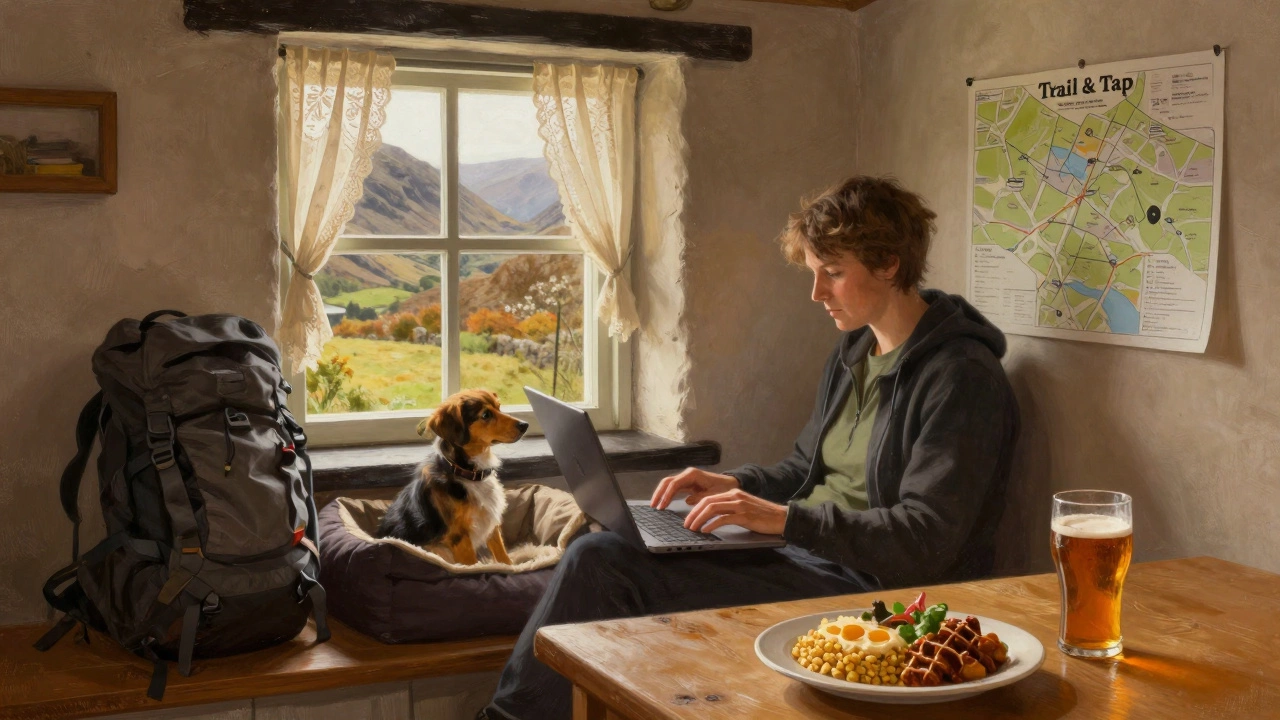
Third place goes to North Wales, especially Snowdonia. Hikers used to be the only ones here, but now it’s families, dog owners, and foodies. The region’s new ‘Trail & Tap’ initiative links 12 walking trails to local breweries and artisan bakeries. You can hike up Tryfan in the morning and grab a craft cider and Welsh rarebit by noon. It’s the kind of trip where you don’t need a car-trains run hourly from Manchester and Birmingham.
Don’t forget Yorkshire. The Dales and the coast around Whitby and Filey are seeing record numbers. What changed? It’s not just the scenery. It’s the food. Yorkshire now has more Michelin stars per capita than any other region outside London. From the Sticky Toffee Pudding Trail in Harrogate to seafood shacks in Robin Hood’s Bay, it’s become a culinary destination.
Why People Are Choosing Staycations Over Overseas Trips
It’s not just about money-though that’s part of it. Flights to Portugal or Greece are still cheaper than they were in 2022, but the hassle has grown. Airport delays, baggage fees, language barriers, and the stress of packing for a 10-hour trip with kids? Many Brits are done with it.
Instead, they’re choosing control. You know exactly what your accommodation looks like because you’ve seen 47 photos on Airbnb. You don’t need to worry about exchange rates or whether the tap water is safe. You can bring your dog. You can leave at 7 a.m. and be on the beach by noon. And you don’t need to speak another language to order a pint.
There’s also the environmental angle. A 2025 study by the University of Leeds found that 68% of UK travelers now consider carbon emissions when choosing a holiday. A weekend in Cornwall emits less than one-third of what a flight to Barcelona does. That’s not just guilt-it’s a lifestyle shift.
Where People Are Booking From
It’s not just Londoners escaping the city. Manchester, Birmingham, and Leeds are now major departure hubs. In fact, the biggest surge in staycation bookings came from the Midlands. People there are tired of driving to the coast for 4 hours only to find the beach packed with people from London. So they’re going further-north to the Lake District, west to the Welsh borders, or east to the Norfolk Broads.
Even in Scotland, there’s a reverse trend. Edinburgh and Glasgow residents are heading south to the English countryside. Why? Because it’s quieter, cheaper, and feels more like a real escape. A couple from Glasgow told me they booked a 10-night stay in a converted mill in Shropshire because they wanted to hear birds, not traffic.
The Rise of the ‘Workcation’
One of the biggest changes since 2023? People aren’t just on holiday-they’re working too. The term ‘workcation’ isn’t a buzzword anymore. It’s a reality. In 2026, 31% of all UK staycation bookings were made by people who planned to work remotely for at least three days during their trip.
Hotels and B&Bs have adapted. You’ll now find places that offer: dedicated workspaces, high-speed fiber internet, printer access, and even quiet hours from 9 a.m. to 5 p.m. Some even provide a ‘digital detox’ add-on: turn off your Wi-Fi for two days and get a free local gin tasting.
It’s not about working harder. It’s about working differently. One teacher from Bristol told me she spends three days writing lesson plans in a cottage in the Cotswolds, then spends the rest of the week walking, reading, and eating cheese. She says it’s the only time she feels truly rested.
What’s New in 2026
This year, there’s a new trend: micro-destinations. These are places you’ve never heard of-but everyone else has. Think: St Ives in Cornwall (not the famous one, the one near the river), Wensleydale’s hidden valleys, or the Isle of Wight’s west coast. These spots are popping up on TikTok and Instagram, not in travel brochures.
There’s also a boom in pet-friendly stays. In 2026, 44% of all UK holiday rentals now allow dogs without extra fees. That’s up from 28% in 2022. People are bringing their dogs on trains, to beaches, even to fine-dining restaurants. One pub in North Yorkshire now has a ‘Dog Menu’-free treats and a water bowl shaped like a bone.
And then there’s the food. Local food markets are now the main attraction. In Shropshire, the Bridgnorth Food Festival drew 18,000 people last summer. In Wales, the ‘Taste of the Valleys’ tour connects 12 small farms to a single trail of tasting stops. You don’t just eat-you meet the person who made the cheese, the beekeeper who made the honey, the baker who used sourdough from her grandmother’s starter.
What to Avoid
Not every staycation is perfect. Some places are getting overcrowded. The Lake District’s Lake Windermere saw a 50% increase in visitors last year. Parking is a nightmare. Beaches in Bournemouth and Blackpool are packed on weekends. If you want peace, avoid the big names. Go to the towns next door. Instead of Keswick, try Bassenthwaite. Instead of Brighton, try Seaford.
Also, don’t assume everything is open year-round. Many coastal cafes and attractions shut down between October and March. Always check opening times. A friend booked a winter trip to the Isle of Wight and found the ferry was running once a day-and the only pub was closed.
How to Plan Your Next UK Staycation
- Book early-even for short trips. Popular spots fill up 4-6 months ahead.
- Look beyond the postcard towns. Try places with ‘-by’ or ‘-ton’ in the name-they’re often quieter.
- Use local tourism boards. They have hidden gems not on Airbnb or Booking.com.
- Check for ‘off-season’ deals. Winter stays in the Highlands can be 60% cheaper.
- Bring your own snacks. Many rural spots have no shops within 10 miles.
- Download offline maps. Signal is spotty in the Dales and the Highlands.
What’s Next
By 2027, we’ll likely see UK staycations become even more regional. Think ‘Yorkshire Weekends’ or ‘Wales Wild Trails’ as branded experiences. Train companies are already testing ‘Staycation Passes’-unlimited travel for a week, with discounts at partner stays.
The message is clear: you don’t need to fly to find adventure. The UK has more than enough beaches, mountains, forests, and food to fill a lifetime of holidays. All you need is a car, a backpack, and the willingness to explore somewhere new-even if it’s just 50 miles from home.
What is the most visited place in the UK for staycations in 2026?
Devon is the most visited destination for UK staycations in 2026, with coastal towns like Dartmouth and Torquay seeing a 22% increase in bookings compared to 2025. Families, remote workers, and couples are drawn to its beaches, scenic walks, and high-quality holiday rentals with modern amenities.
Why are UK people choosing staycations over overseas trips?
UK travelers are choosing staycations because they’re simpler, cheaper, and more sustainable. No airport stress, no currency exchange, no language barriers. Plus, 68% of travelers now consider carbon emissions when planning trips, and domestic travel has a much smaller environmental footprint than flying abroad.
Are people working during their UK staycations?
Yes. In 2026, 31% of UK staycation bookings were made by people planning to work remotely during their trip. Many rentals now offer dedicated workspaces, fast Wi-Fi, and quiet hours. It’s called a ‘workcation’-and it’s become a normal way to balance productivity with rest.
What are the best budget-friendly staycation spots in the UK?
The best budget-friendly spots include North Wales (especially Snowdonia), the North York Moors, and the Shropshire countryside. These areas offer affordable B&Bs, free walking trails, and local food markets. Winter stays in the Scottish Highlands can be up to 60% cheaper than summer, making them a smart choice for value seekers.
Is it easy to travel with pets on a UK staycation?
Very. In 2026, 44% of UK holiday rentals allow dogs without extra fees-up from 28% in 2022. Many beaches, pubs, and trails are now pet-friendly. Some places even offer dog menus, water bowls shaped like bones, and guided walks with other pet owners.