Ultra-Luxury Holiday Cost Estimator
Trip Configuration
Cost Breakdown
Extreme PrivacyForget the crowded beaches of Ibiza or the overbooked flights to Dubai. When you have billions in the bank, "vacation" means something entirely different. It means privacy so absolute that even your driver doesn't know where you're going until you get there. It means buying the entire hotel if the view isn't right. It means flying on a plane that costs more than most people's lifetime earnings just to avoid sitting next to someone else.
The question isn't just about where the rich go; it's about how they redefine the concept of leisure. For the ultra-wealthy, travel is no longer about seeing new places. It is about controlling every aspect of the experience. From the air pressure in their jet cabin to the water temperature in their private pool, nothing is left to chance. So, where do these elite travelers actually spend their time off? The answer might surprise you: often, nowhere public at all.
The Rise of Private Islands
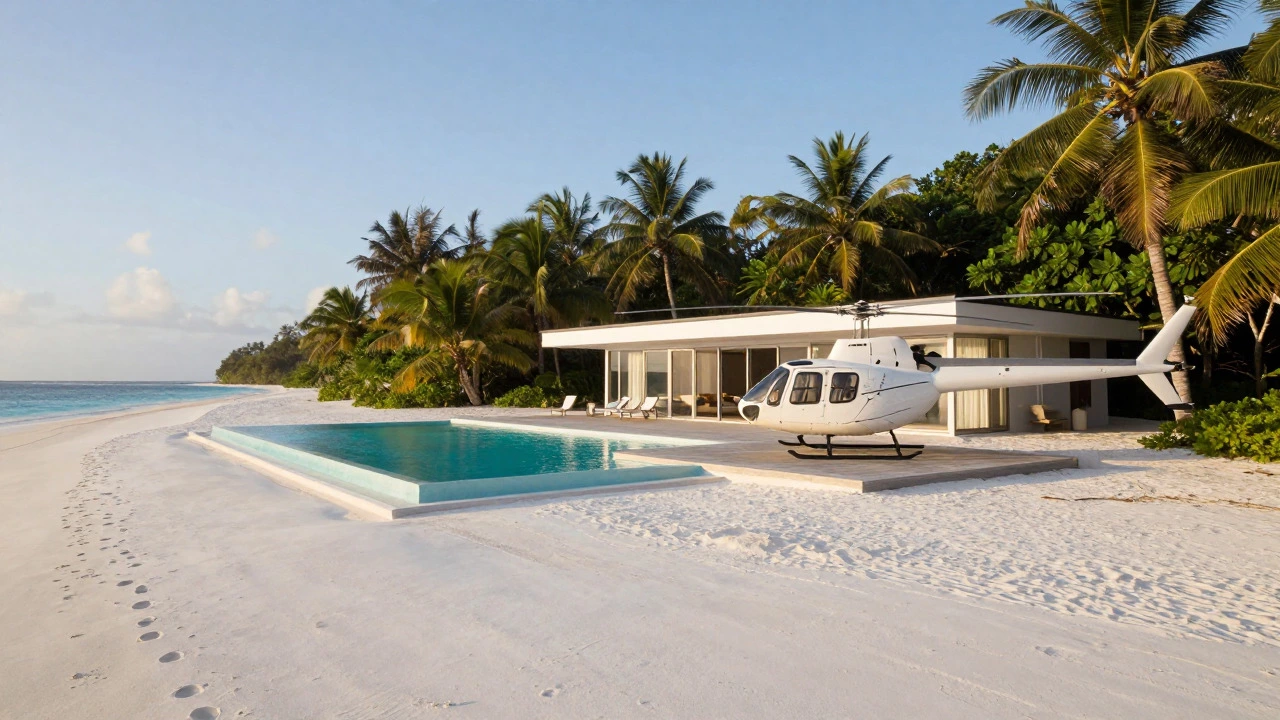
If there is one trend that defines modern luxury travel, it is the purchase of private islands. This isn't just for movie stars anymore; tech moguls and hedge fund managers are snapping up remote landmasses across the globe. Why? Because an island offers the ultimate firewall against the outside world. No paparazzi, no random tourists, and no unexpected encounters.
Niue, a self-governing state in association with New Zealand, has become a hotspot for this kind of acquisition. Its rugged coastline and lack of mass tourism make it ideal for those who want total seclusion. Similarly, The Bahamas remains a classic choice, but the focus has shifted from shared resorts to buying entire cays. Owners install their own power grids, desalination plants, and airstrips. You aren't just staying on the island; you own the infrastructure. This level of control ensures that when you arrive, everything works exactly as you expect, without relying on local services that might be overwhelmed by peak season crowds.
The appeal goes beyond privacy. Owning an island allows for personalized ecosystems. Want a golf course designed by a legend? Build it. Want a marine biology lab staffed by PhDs? Hire them. The island becomes a canvas for personal whims, unbounded by hotel policies or check-in times.
Flying Above the Clouds: The Business Jet Lifestyle
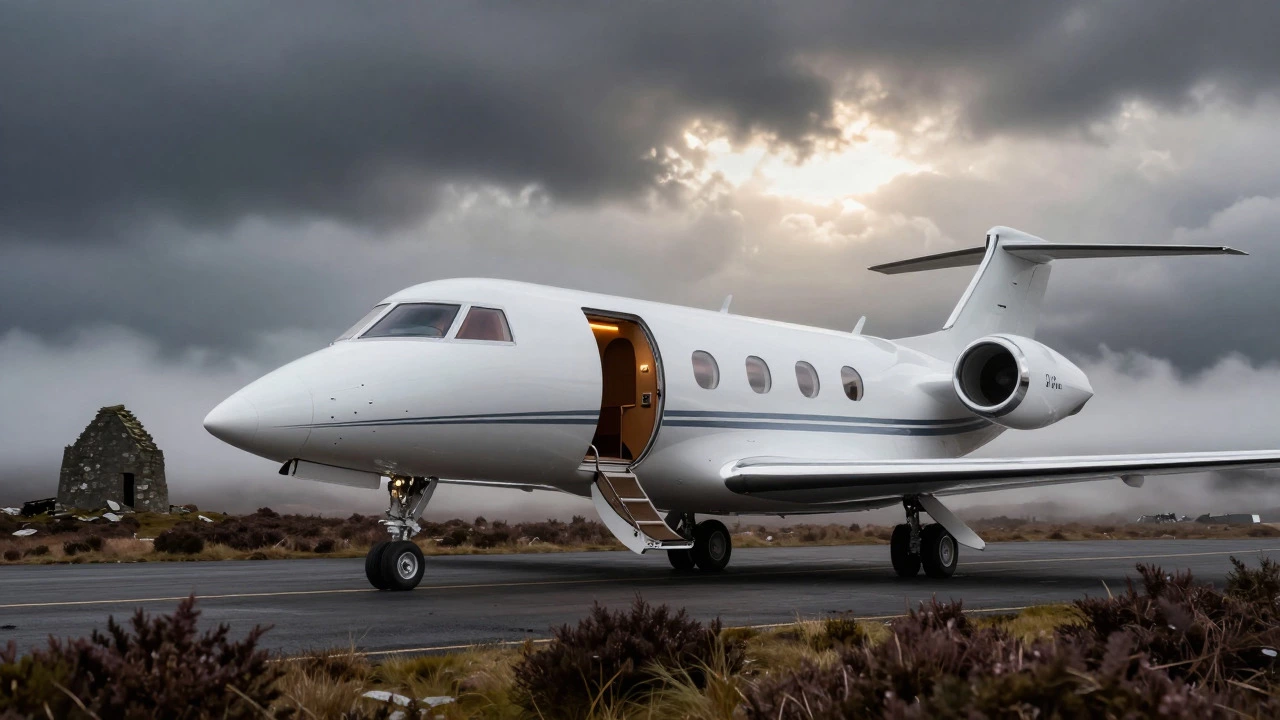
You can't talk about where the rich holiday without talking about how they get there. Commercial airlines are largely obsolete for the top 0.1%. Instead, Business Jets like the Gulfstream G700 or the Bombardier Global 7500 dominate the skies. These aren't just planes; they are flying penthouses. They feature master bedrooms, full bathrooms with showers, and dining tables large enough for business meetings or family dinners.
The key advantage here is schedule flexibility. If a storm hits London, the rich don't wait in line for a rebooking. They divert to Lisbon, have lunch, and fly on when the weather clears. This ability to bypass chaos is worth millions. It also opens up destinations that commercial flights ignore. Remote lodges in Patagonia, private airstrips in the Scottish Highlands, or secluded villas in the Maldives become accessible because you don't need a major airport nearby. You just need a strip of tarmac long enough to land.
This mode of transport fundamentally changes destination choices. Travelers can hop between three countries in a single day, spending a morning skiing in Aspen, a afternoon surfing in Hawaii, and a night dining in Tokyo. Geography ceases to be a constraint. Time zones blur, and the world shrinks to whatever fits within the range of your aircraft.
Antarctica: The Ultimate Frontier
For those who have seen it all, the only place left to explore is the bottom of the world. Antarctica has emerged as the ultimate status symbol for luxury travelers. But forget the cramped cruise ships of the past. Today, the rich arrive on expedition yachts equipped with helicopters and submersibles. Companies like White Desert offer stays in luxury tents heated by wood fires, with gourmet meals prepared by Michelin-starred chefs amidst icebergs.
The draw is exclusivity combined with adventure. Antarctica is harsh, unpredictable, and incredibly expensive. A trip can easily cost upwards of $50,000 per person, not including the charter fees. Yet, the reward is unparalleled silence and pristine nature. There are no cities, no traffic, and no pollution. Just endless white landscapes and wildlife that has never seen a human before. For billionaires seeking a reset button, nothing compares to the stark beauty of the polar regions.
Moreover, visiting Antarctica signals a certain type of wealth-one that values experiences over things. It’s not about showing off a watch; it’s about sharing a story that very few people can claim to have lived. It’s a badge of honor in social circles, proving that you’ve conquered the last true wilderness on Earth.
Private Villas in the Mediterranean
While some seek isolation, others crave community-but only with their peers. The Mediterranean coast, particularly Amalfi Coast in Italy and French Riviera, remains a perennial favorite. However, the style of stay has evolved. Instead of booking rooms at famous hotels like the Hotel du Cap-Eden-Roc, the wealthy rent entire historic villas. These properties often date back centuries, featuring frescoed ceilings, infinity pools overlooking the sea, and staff comprising chefs, sommeliers, and nannies.
The benefit of renting a villa is space and customization. You can host parties with fifty guests without disturbing neighbors. You can wake up at noon and order breakfast at midnight. The staff anticipates needs before they arise, creating a seamless blend of service and freedom. In places like Saint-Tropez or Mykonos, these villas come with private marinas, allowing guests to dock their yachts directly at their doorstep.
This form of travel balances social interaction with privacy. You’re surrounded by other wealthy individuals, yet protected behind high walls and security gates. It’s a curated environment where everyone shares similar tastes and backgrounds, reducing social friction and enhancing relaxation.
| Destination Type | Primary Appeal | Estimated Cost (Per Week) | Privacy Level |
|---|---|---|---|
| Private Island | Total Seclusion | $50,000 - $500,000+ | Extreme |
| Antarctica Expedition | Adventure & Exclusivity | $50,000 - $100,000 | High |
| Mediterranean Villa | Social Luxury | $30,000 - $150,000 | Medium-High |
| Boutique Safari Lodge | Nature Immersion | $20,000 - $60,000 | High |
African Safaris: Beyond the Tour Bus
Wildlife tourism has gone premium. The days of standing in a crowded jeep are over for the affluent. Now, Safari Lodges in Kenya, Tanzania, and South Africa offer bespoke experiences. Think private conservancies where you’re the only guest. Lodges like Singita or &Beyond provide mobile camps that move with the migration, ensuring front-row seats to nature’s greatest spectacles.
These safaris include helicopter transfers, gourmet dining under the stars, and guides who are experts in animal behavior. You might spend a day tracking elephants on foot or photographing lions from a blind. The emphasis is on connection-with nature and with yourself. In a world dominated by screens and noise, the African bush offers a profound silence that is both humbling and rejuvenating.
Additionally, many of these lodges contribute to conservation efforts. Staying there supports anti-poaching units and community projects. For the ethically minded wealthy traveler, this adds a layer of purpose to their vacation. They aren’t just consuming a landscape; they’re helping to preserve it.
Space Tourism: The Final Frontier
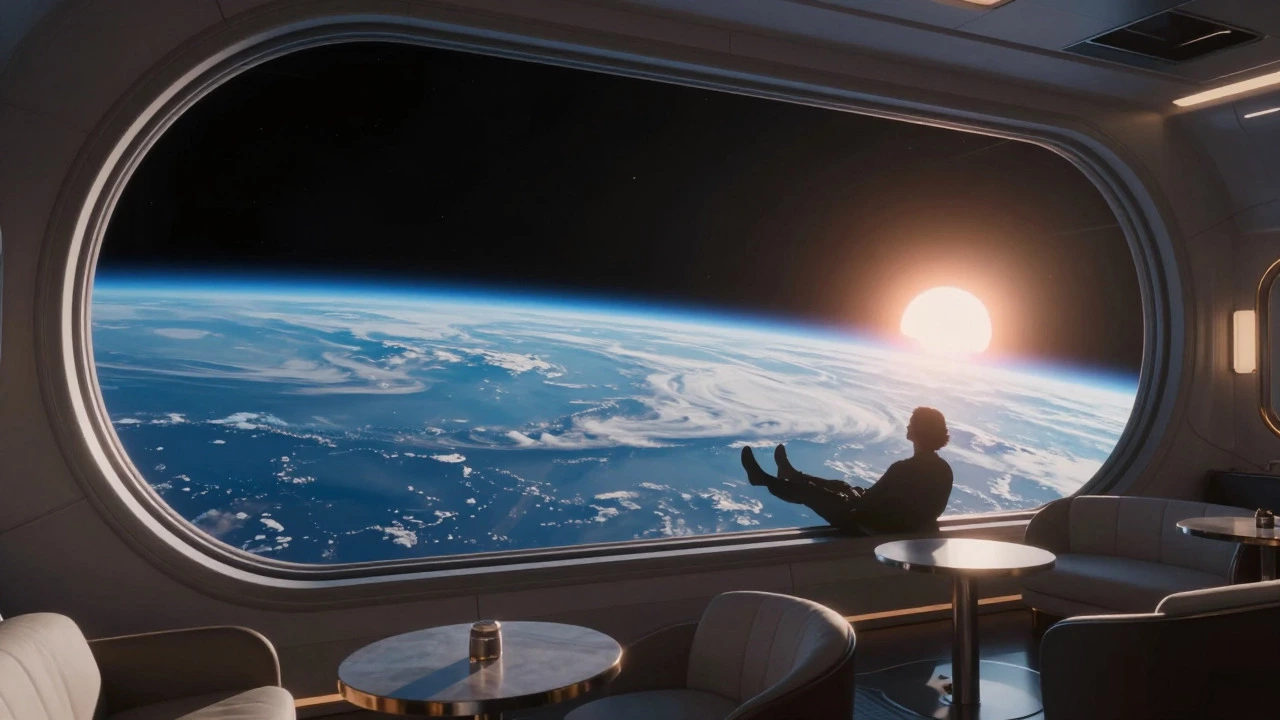
Looking ahead, the horizon for luxury travel extends beyond Earth. Space Tourism, pioneered by companies like Blue Origin and Virgin Galactic, is becoming a reality for the ultra-rich. Suborbital flights offer minutes of weightlessness and views of the curvature of the Earth. While still nascent, this sector promises to redefine luxury entirely.
Tickets currently cost around $450,000 per seat, but prices may drop as technology matures. More importantly, orbital hotels are in development. Imagine waking up to a sunrise every 90 minutes, floating through zero-gravity corridors, and watching storms swirl over continents below. This isn’t just travel; it’s transcendence. It represents the pinnacle of human achievement and the ultimate escape from terrestrial concerns.
As space becomes accessible, it will likely follow the pattern of early aviation: initially exclusive, then gradually more common. But for now, it remains the ultimate bragging right-a ticket to a realm where only a handful of humans have ever ventured.
Why Privacy Trumps Prestige
What ties all these destinations together is not glamour, but privacy. The richest people in the world are constantly watched. Their movements are tracked, their photos published, and their opinions scrutinized. A holiday, therefore, must be a sanctuary. It must be a place where they can drop the persona and simply be themselves.
This shift towards privacy explains the decline of traditional celebrity hotspots. Places like Monaco or St. Barts are still popular, but the inner circle avoids the main strips. They seek out hidden coves, private members' clubs, and residences that don't appear on Google Maps. The goal is invisibility. In a hyper-connected world, disappearing is the most valuable commodity.
Consequently, the definition of luxury has changed. It’s no longer about gold taps or crystal chandeliers. It’s about autonomy. It’s about having the power to say no-to crowds, to schedules, to expectations. Whether on a private island, in the Antarctic cold, or aboard a jet, the richest people holiday where they can control their environment completely.
Do rich people really buy entire hotels?
Yes, buying out entire hotels is a known practice among the ultra-wealthy, especially during peak seasons or for special events. This ensures total privacy and allows for customized services, such as closing down sections of the resort or hiring exclusive staff. It eliminates the risk of encountering strangers and guarantees that all amenities are available on demand.
What is the most expensive holiday destination?
Antarctica and space tourism currently hold the titles for the most expensive experiences. A private expedition to Antarctica can cost hundreds of thousands of dollars, while a suborbital space flight starts at around $450,000. Private island rentals also command high prices, often exceeding $100,000 per week depending on the location and amenities.
How do billionaires maintain privacy while traveling?
Billionaires use a combination of private jets, chartered yachts, and secluded accommodations like private islands or rented villas. They often employ security teams to manage access and information flow. Additionally, they choose destinations with strict non-disclosure agreements for staff and prefer locations that are not widely marketed to the general public.
Is space tourism safe for regular travelers?
Space tourism is still in its early stages, and while companies like Blue Origin and Virgin Galactic prioritize safety, risks remain inherent to aerospace travel. Current participants are mostly healthy adults screened for physical fitness. As technology advances and regulations tighten, safety standards are expected to improve, making it more accessible in the future.
Can ordinary people visit private islands?
Some private islands offer rental options for shorter durations, though prices are steep. Others are strictly owned and used exclusively by their owners. Occasionally, owners may lease parts of their island for events or film shoots, providing limited access to outsiders. However, true privacy usually means no public access at all.