City Break Matcher
Staring at a map and paralyzed by choice? Tell us what kind of recharge you need, and we'll match you with the best city for a short break.
Your Perfect Match
Pro Tips for a Stress-Free 48-Hour Trip
- Pick One Neighborhood: Don't try to cross the whole city. Stay in one district that aligns with your interests.
- Book Near Transit: Ensure your accommodation is within a 10-minute walk of major transport hubs.
- Pre-Book Must-Dos: Reserve tickets for top attractions weeks in advance to avoid queues.
- Leave Room to Wander: Schedule only 70% of your time. Some of the best memories are unplanned.
You’ve got two days off work. Maybe it’s a long weekend, or maybe you just snapped and need to escape the daily grind before you lose your mind. The problem isn’t that there aren’t enough places to go; it’s that there are too many. You’re staring at a map, paralyzed by choice, wondering if you should fly to Barcelona or take the train to Berlin. Or perhaps you’re thinking smaller-just a quick hop across the border.
Here is the truth about short breaks: they fail when you try to do everything. They succeed when you pick one specific vibe and commit to it. Are you looking for food? History? Nightlife? Quiet parks? If you don’t decide this first, you’ll spend half your trip in transit and the other half stressed out trying to hit three museums in four hours. Let’s cut through the noise and find where you should actually go, depending on what kind of recharge you need.
The Quick Fix: Top Picks for Different Moods
Before we get into the nitty-gritty logistics, let’s look at the heavy hitters. These aren’t random suggestions; these are cities that consistently deliver high value for low time investment. I’ve broken them down by the "job" they do for your brain.
| Traveler Type | Top Recommendation | Why It Works | Estimated Cost (Mid-Range) |
|---|---|---|---|
| Foodies | Lisbon, Portugal | High-quality dining at low prices, walkable historic center, incredible seafood. | $150 - $250 / day |
| History Buffs | Rome, Italy | Every corner is a museum. No ticket needed for most street-level history. | $200 - $350 / day |
| Night Owls | Berlin, Germany | The city never sleeps. Cheap beer, world-class techno, gritty art scenes. | $120 - $200 / day |
| Relaxers | Copenhagen, Denmark | Hygge culture, bike-friendly streets, calm canals, excellent coffee. | $250 - $400 / day |
| Budget Conscious | Krakow, Poland | Stunning architecture, rich Jewish heritage, incredibly affordable food and drink. | $80 - $150 / day |
Why Lisbon Wins for Foodies on a Budget
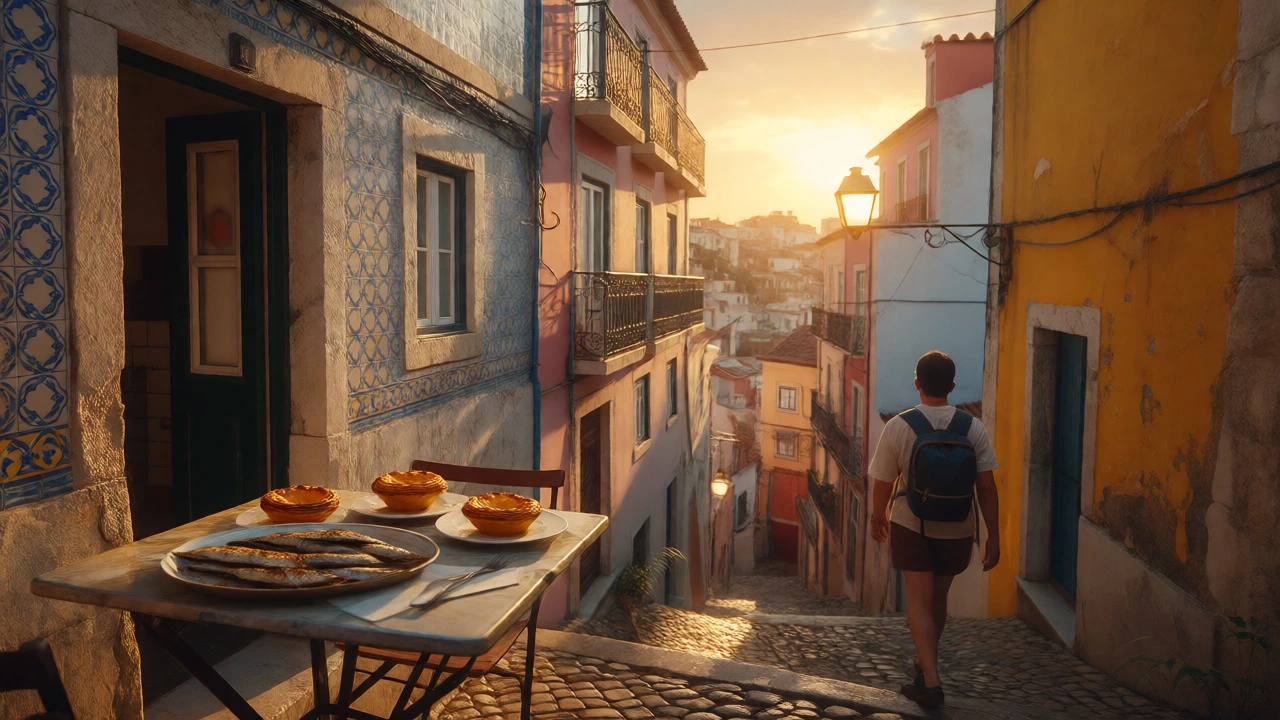
If your primary goal is to eat well without checking your bank account every hour, Lisbon is hard to beat. Unlike London or New York, where a decent dinner costs a small fortune, you can feast on grilled sardines, pastéis de nata, and fresh cod in Lisbon for a fraction of the price. But it’s not just about cheap eats; it’s about the accessibility of the food culture.
The city is built on seven hills, which sounds exhausting until you realize how compact the central districts like Alfama and Bairro Alto are. You can wander from a traditional tasca (small tavern) to a trendy rooftop bar in under twenty minutes. The light here is special, too-that golden Mediterranean glow that makes everything look better in photos. Just be warned: the cobblestones are slick when wet. Wear shoes with grip, not fashion-forward sandals, unless you want to slide down a hill in front of a crowd.
For a short break, skip the day trips to Sintra unless you have three full days. Sintra is beautiful, but the logistics of getting there, waiting in lines, and navigating the winding roads can eat up an entire day. Stick to the city itself. Visit the Time Out Market for a curated snapshot of local chefs, then head to the LX Factory area for industrial-chic vibes and independent bookstores.
Berlin: The Antidote to Perfectionism
Sometimes you don’t want pretty. Sometimes you want raw, real, and unpolished. That’s Berlin. This city doesn’t care if you’re dressed up or wearing sweatpants. It cares if you show up. For a short break, Berlin offers a unique psychological reset because it rejects the pressure to perform leisure perfectly.
The East Side Gallery, a remaining section of the Berlin Wall covered in murals, is free to visit and emotionally resonant without being overly touristy. Pair that with a walk through Mitte, where you can see the Reichstag dome and the Holocaust Memorial within walking distance of each other. The juxtaposition of heavy history and vibrant modern life is striking.
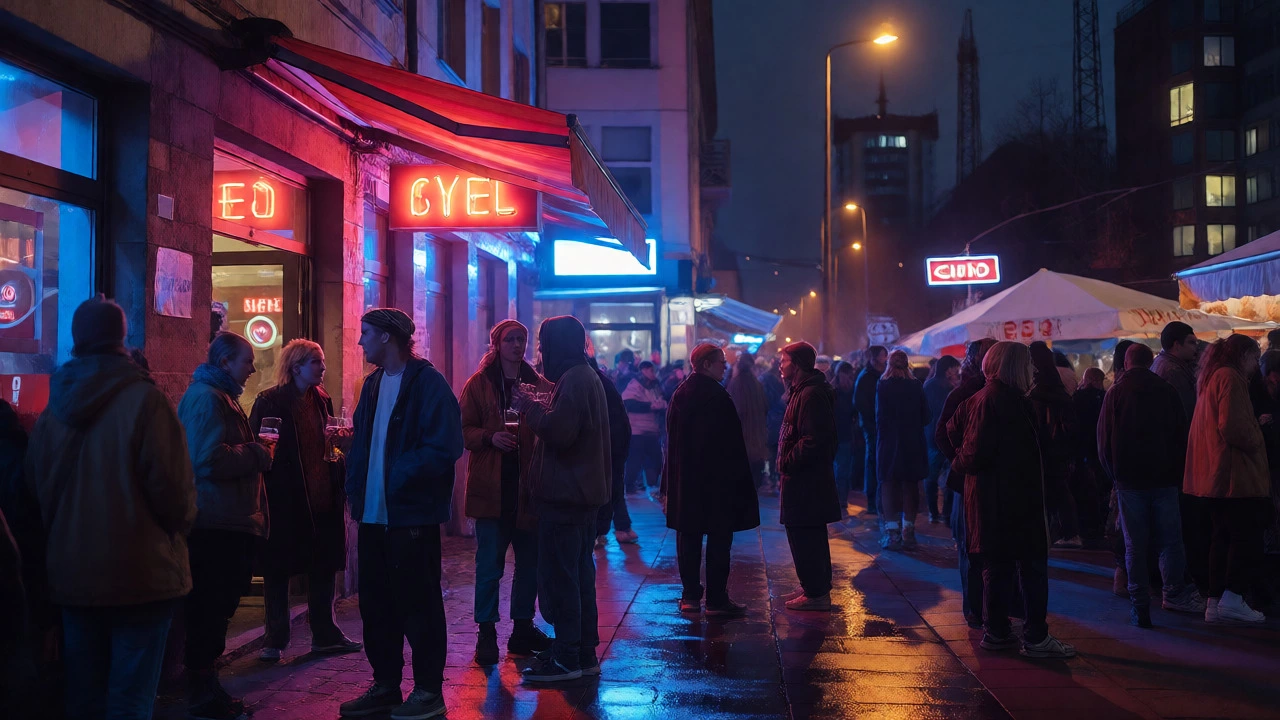
And yes, the nightlife. Even if you’re not into clubbing, the bar scene in Kreuzberg or Neukölln is lively and affordable. A beer often costs less than a bottle of water in other European capitals. If you’re traveling solo, Berlin is particularly welcoming. The social barrier to entry is low; people talk to strangers easily. If you’re traveling as a couple, it’s great for those who bond over shared experiences rather than romantic candlelit dinners.
Krakow: High Impact, Low Cost
Let’s talk numbers. If you’re saving for a bigger trip later in the year, Krakow allows you to have a luxurious-feeling experience on a shoestring budget. The Main Square (Rynek Główny) is one of the largest medieval town squares in Europe, surrounded by colorful buildings and dominated by St. Mary’s Basilica. Listening to the trumpet call played from the tower every hour is a chillingly beautiful tradition.
Krakow also serves as a gateway to profound historical reflection. Auschwitz-Birkenau is about an hour away by bus. Many travelers feel compelled to visit, but it requires emotional bandwidth. If you choose to go, block out half a day. Do not try to squeeze it into a lunch break. Afterward, return to Krakow for comfort food-pierogi and hot chocolate are essential recovery tools.
Another major draw is Kazimierz, the old Jewish quarter. It’s atmospheric, filled with synagogues, cafes, and jazz clubs. In the evening, the atmosphere shifts from solemn to celebratory. You can sit in a courtyard, listen to live music, and feel connected to centuries of culture. For a 48-hour trip, this neighborhood alone provides enough depth to keep you engaged without rushing.
Copenhagen: For When You Need Calm
Not every short break needs to be an adventure. Sometimes you just need to decompress. Copenhagen is designed for this. The concept of "hygge"-a Danish word for coziness and contentment-is baked into the infrastructure. Think warm lighting, wool blankets, good coffee, and bicycles everywhere.
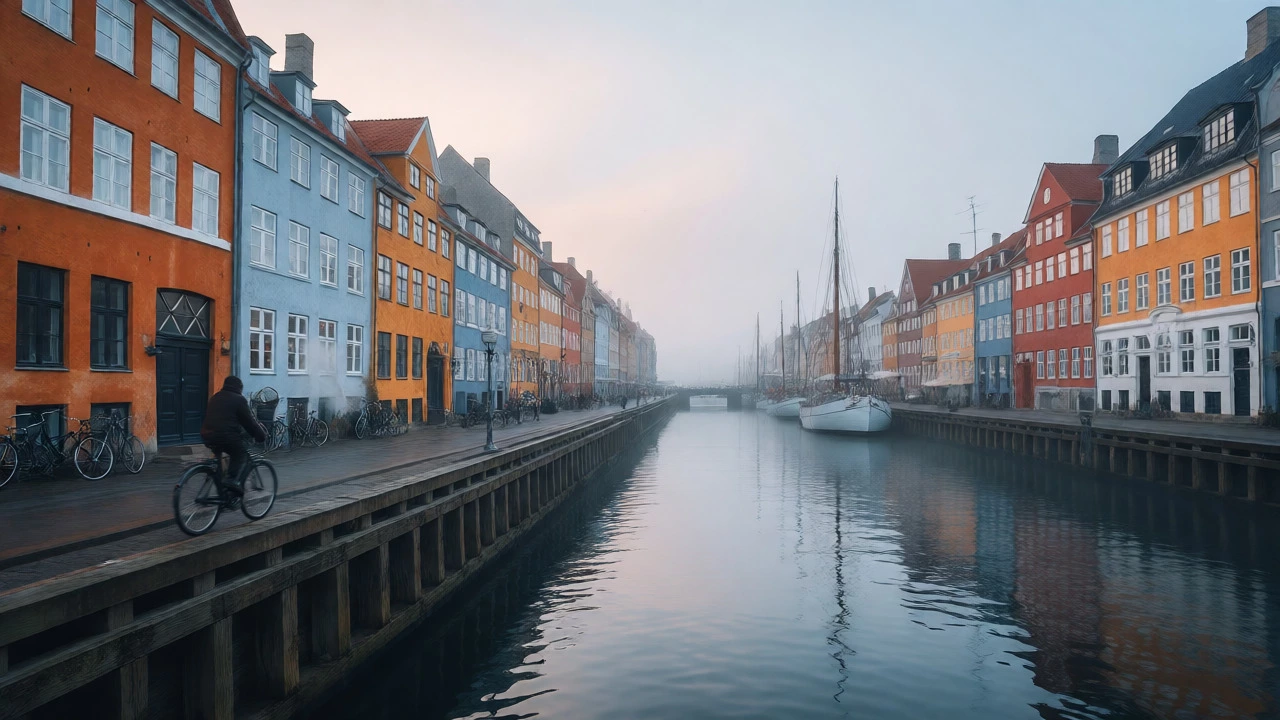
The city is incredibly safe and easy to navigate. Renting a bike is almost mandatory to truly experience it. Riding along the harbor front, passing colorful houses at Nyhavn, gives you a sense of motion without the stress of traffic. Tivoli Gardens, an amusement park right in the city center, is open late and beautifully lit. It’s not just for kids; adults love the nostalgia and the rides.
One thing to note: Copenhagen is expensive. You will pay more for a sandwich than you would for a meal in Warsaw. But you’re paying for quality and peace of mind. The public transport system is flawless. Apps make buying tickets seamless. If you hate logistical headaches, this is your city. Everything works exactly as advertised.
How to Plan a 48-Hour Trip Without Stress
Short breaks require ruthless editing. You cannot see everything. Here is a simple framework to plan your itinerary so you don’t burn out by Sunday afternoon.
- Pick One Neighborhood: Don’t try to cross the whole city. Choose one district that aligns with your interests (e.g., food, art, shopping) and stay nearby. Walking is faster than taking the metro in dense cities.
- Book Accommodation Near Transit: Unless you are staying in a super-central location, ensure your hotel or Airbnb is within a 10-minute walk of a major train or subway station. Losing 30 minutes each way adds up quickly.
- Pre-Book Must-Dos: If there is one specific attraction you absolutely must see (like the Louvre or Colosseum), book your ticket weeks in advance. Waiting in line for two hours kills the vibe of a short trip.
- Leave One Slot Empty: Schedule only 70% of your time. Leave room for wandering. Some of the best memories come from stumbling upon a hidden cafe or a street performance you didn’t expect.
Common Pitfalls to Avoid
I’ve seen many people ruin their own short breaks by making the same mistakes. First, don’t underestimate travel time. Flying to a destination might take two hours, but adding airport security, check-in, and transit to your hotel means you’re effectively gone for six hours. Calculate door-to-door time, not flight time.
Second, avoid peak seasons if possible. Visiting Venice in July is a nightmare of crowds and heat. Visiting in November, while rainy, offers empty streets and lower prices. Check the weather forecast, but don’t let a slight chance of rain stop you. Bring a good umbrella and waterproof shoes. Most cities are beautiful in the drizzle.
Finally, watch out for tourist traps near major landmarks. Restaurants directly facing the Eiffel Tower or Big Ben often serve mediocre food at inflated prices. Walk two blocks away. Locals know where the good stuff is. Look for menus written in the local language, not just English. If it has pictures of food, run.
Frequently Asked Questions
Is it worth going abroad for a 2-day trip?
Yes, if the travel time is under three hours door-to-door. Short flights or high-speed train rides make international trips feasible. However, if you spend more than four hours traveling each way, consider a domestic destination or a nearby city instead to maximize your actual leisure time.
What is the cheapest city break destination in Europe?
Cities in Eastern Europe generally offer the best value. Budapest, Prague, Krakow, and Sofia provide high-quality cultural experiences, excellent food, and affordable accommodation compared to Western European capitals like Paris or London. Prices can be 30-50% lower for similar standards.
Do I need to speak the local language for a short break?
No. Major tourist hubs in Europe have widespread English proficiency, especially among service staff. Learning basic phrases like "hello," "thank you," and "please" is appreciated and goes a long way, but you won’t struggle to communicate in cities like Amsterdam, Berlin, or Barcelona.
How far in advance should I book a short break?
For flexible dates, booking 4-6 weeks in advance usually secures the best flight rates. If you are targeting specific events or holidays, book months ahead. Last-minute deals exist but carry higher risk regarding availability and price spikes, especially during summer weekends.
What should I pack for a 48-hour city break?
Pack light. Use a carry-on bag or backpack. Essentials include comfortable walking shoes, a versatile outfit that can transition from day to night, a portable charger, and a universal power adapter. Check the weather forecast precisely and pack layers rather than bulky items.