British tourists aren’t banned from anywhere in the UK - but that doesn’t mean every town or village will welcome them with open arms. In fact, some places have grown so tired of overcrowded beaches, noisy parties, and littered parks that locals are openly asking visitors to stay away. This isn’t about politics or prejudice. It’s about survival. When a small coastal village gets 10,000 visitors in one weekend but only has 800 permanent residents, something has to give.
Blackpool: The Overcrowded Classic
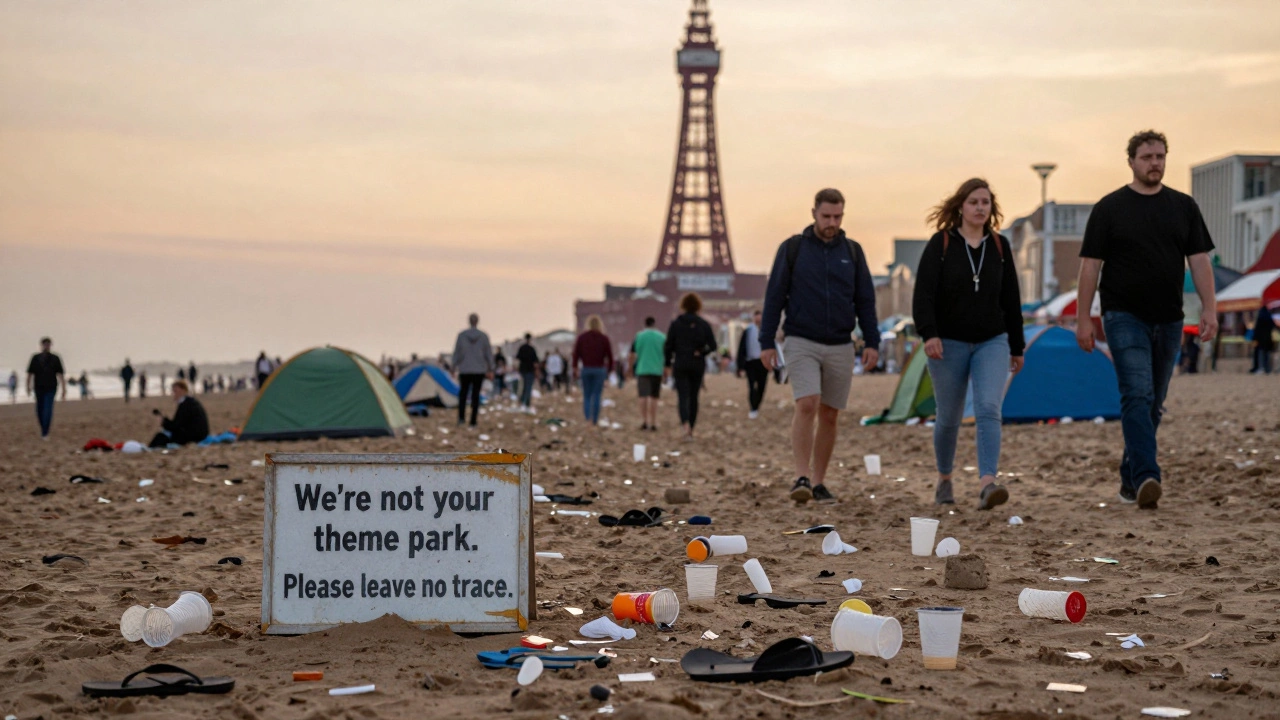
Blackpool still draws over 8 million visitors a year, mostly from Manchester, Liverpool, and the Midlands. But locals are fed up. The town’s sewage system can’t handle the volume during peak season. In 2024, the council reported 327 emergency calls for public urination in a single month. Beaches are littered with plastic cups, broken flip-flops, and abandoned tents. Some residents have started putting up signs: ‘We’re not your theme park. Please leave no trace.’ If you’re looking for a quiet weekend by the sea, Blackpool isn’t it - not anymore.
St Ives, Cornwall: Gentrification Gone Too Far
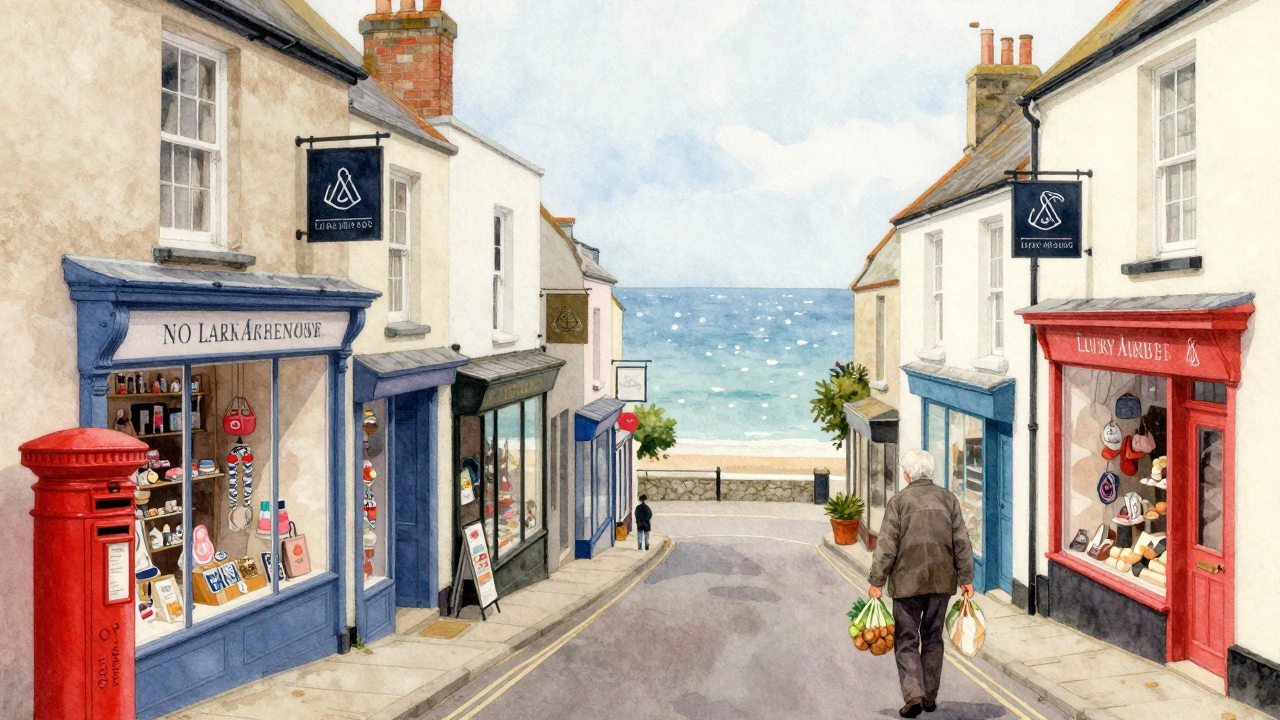
St Ives is stunning. But it’s also one of the most expensive towns in Britain. A two-bedroom cottage now rents for £1,800 a week in summer. Many locals can’t afford to live here anymore. They’ve been pushed out by Airbnb hosts and second-home owners. In 2023, the town held a public meeting where residents held up signs reading ‘We’re not a holiday resort. We’re a community.’ Local shops now sell only high-end souvenirs - no basic groceries, no post office, no pharmacy. If you want to experience real Cornwall, skip St Ives. Head to Penzance instead.
The Lake District: Too Many Cars, Too Few Parking Spaces
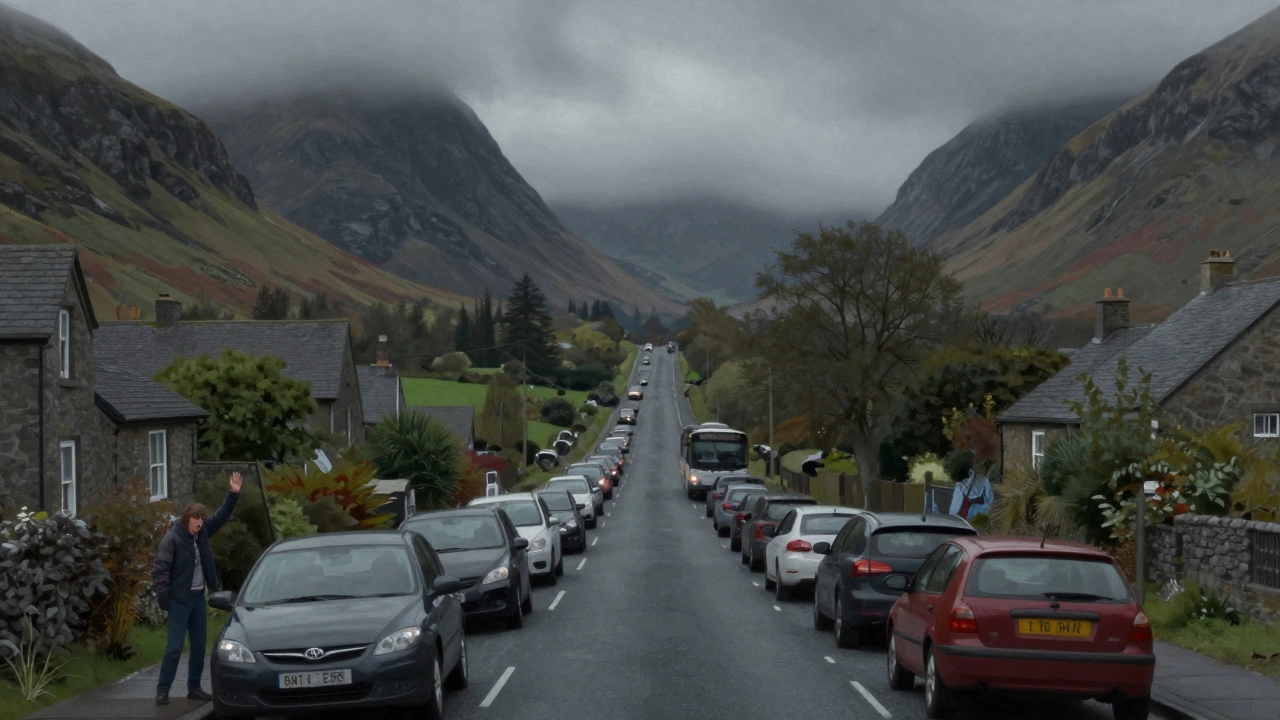
Over 19 million people visited the Lake District in 2024. That’s more than the entire population of Scotland. The problem? The roads weren’t built for this. Cars line up for miles on narrow lanes. In Ambleside, traffic jams last up to four hours on a Saturday. Locals report being stuck in their driveways for hours. Some have started parking their cars on the road outside their homes just to get out. The National Park Authority has tried shuttle buses and parking fees - but most tourists ignore them. If you’re driving to the Lakes, you’re part of the problem. Take the train. Or don’t come at all.
Scarborough: The Nightlife War
Scarborough’s seafront turns into a party zone every August. Groups of young tourists arrive with cheap booze, loud speakers, and zero respect for neighbors. In 2025, the local council recorded 1,200 noise complaints in just 14 days. One resident, 72-year-old Margaret Hargreaves, told the BBC: ‘I haven’t slept through the night since June. I’m not asking for silence - just decency.’ The town now has a 10 p.m. noise curfew for beach parties. But enforcement is patchy. If you’re planning a rowdy weekend, pick somewhere else. Scarborough’s residents have had enough.
York: The Cathedral Crowd
York’s medieval streets are beautiful. But they’re also tiny. Tourists pack the Shambles, blocking foot traffic, taking photos in front of shop doors, and stepping into gardens to get the perfect shot. In 2024, the city council fined 47 visitors for trespassing on private property just to get a photo of the Minster. One shop owner in the Stonegate area installed a sign: ‘No selfies on my doorstep. Please move on.’ The city has started charging a £3 ‘visitor fee’ for groups of five or more. It’s not a tax - it’s a plea. If you visit York, be quiet. Be respectful. Don’t treat history like a photo backdrop.
Isle of Wight: The Caravan Crisis
The Isle of Wight has seen a 40% spike in caravan tourism since 2022. Families park on verges, in fields, even on the side of the A3054. In 2025, a local farmer had to sue a group of tourists for turning his pasture into a makeshift campsite. The council now patrols with drones to catch illegal parking. But enforcement is slow. Locals have started blocking driveways with bollards and signs: ‘This is not a campsite. You are not welcome.’ If you want to camp on the island, use official sites. Otherwise, go to the New Forest instead.
Why This Matters for Your Staycation
These aren’t random complaints. They’re symptoms of a broken system. The UK government pushed staycations hard after Brexit and the pandemic, promising economic recovery. But no one planned for the consequences. Small towns don’t have the infrastructure for mass tourism. They don’t have enough staff, waste bins, or police. And when tourists treat these places like disposable backdrops, locals pay the price.
That doesn’t mean you shouldn’t travel. It means you need to travel differently. Choose off-season. Pick lesser-known spots. Support local businesses. Don’t book the cheapest Airbnb in a residential street. Don’t bring your whole group to a quiet beach at noon on a Sunday. Be the kind of visitor who leaves the place better than you found it.
What You Can Do Instead
- Visit in shoulder seasons: April, October, and early November are quiet. Prices drop. Roads are empty. You’ll see real life, not just tourist traps.
- Choose smaller towns: Try Whitby instead of Scarborough. Try Keswick instead of Windermere. Try Bamburgh instead of Alnwick.
- Use public transport: Trains and buses reduce traffic and pollution. The National Rail website has great staycation routes.
- Stay in B&Bs or guesthouses: These are usually family-run. Your money goes directly into the community.
- Follow local rules: If a sign says ‘No dogs,’ don’t bring yours. If parking is restricted, don’t ignore it. Respect isn’t optional.
What Happens If You Ignore the Signs?
Some places are starting to take action. In 2025, the village of Looe in Cornwall introduced a ‘Respectful Visitor Code’ - printed on every local shop receipt. It includes: no loud music after 9 p.m., no littering, no blocking footpaths, and no taking photos of homes without permission. Violators get a £50 fine. In some towns, Airbnb hosts are being banned from renting to groups larger than four. Others are closing holiday rentals entirely during peak season.
This isn’t punishment. It’s preservation. These places aren’t just locations on a map. They’re homes. And if you treat them like theme parks, you’ll be the one left out next year.
Final Thought: Travel With Purpose
A staycation isn’t just about saving money. It’s about reconnecting with your own country. But that only works if you treat it like home - not a vacation. The most beautiful places in Britain aren’t the ones with the most Instagram likes. They’re the ones where people still live, work, and breathe. Be the guest who helps, not the one who drains.
Are British tourists actually banned from any UK towns?
No, there are no legal bans. But many towns have unofficial policies - like restricting short-term rentals, limiting parking, or enforcing noise curfews - that make it hard for large groups of tourists to stay. Locals aren’t banning people; they’re trying to protect their way of life.
Why are tourists being blamed for problems in these towns?
Tourists aren’t the only cause, but they’re the most visible one. Decades of underinvestment in infrastructure, rising property prices, and lack of local planning have made towns vulnerable. Tourists amplify those problems - but they didn’t create them. The real solution is better government policy, not blaming visitors.
Can I still visit these places if I’m respectful?
Absolutely. The issue isn’t tourism - it’s bad tourism. If you arrive quietly, stay in local accommodations, use public transport, clean up after yourself, and respect quiet hours, you’ll be welcomed. Most locals just want visitors to be considerate.
What’s the best time of year to avoid crowds in the UK?
Early spring (March-April) and late autumn (October-early November) are ideal. Schools are in session, weather is still mild, and most attractions are open. You’ll get better prices and more space. Avoid bank holidays and school half-terms - they’re the busiest times.
Are there any UK destinations that still welcome tourists without issues?
Yes. Places like Shropshire, Northumberland, the Forest of Dean, and the Wye Valley see far fewer visitors. They have great scenery, local food, and friendly communities - without the overcrowding. Try exploring the UK’s hidden corners. You’ll find more peace, and locals will thank you.