UK Holiday Cottage Finder
Not sure where to book? Answer three quick questions to discover the best UK region for your next cottage stay.
Booking Tips for This Region
You’re scrolling through listings, dreaming of a stone-built retreat with a wood-burning stove and a view that stretches for miles. But then you pause. Where exactly are these places? The term "holiday cottages is a self-contained rental property, typically in a rural or coastal setting, used for short-term leisure stays" is broad. It doesn’t just mean one specific type of house in one specific town. In fact, the answer depends entirely on what kind of escape you want. Are you looking for rugged mountains, gentle hills, or salty sea air? Let’s break down where these properties actually live and how to find the right spot for your next trip.
The Heart of the Matter: Rural vs. Coastal
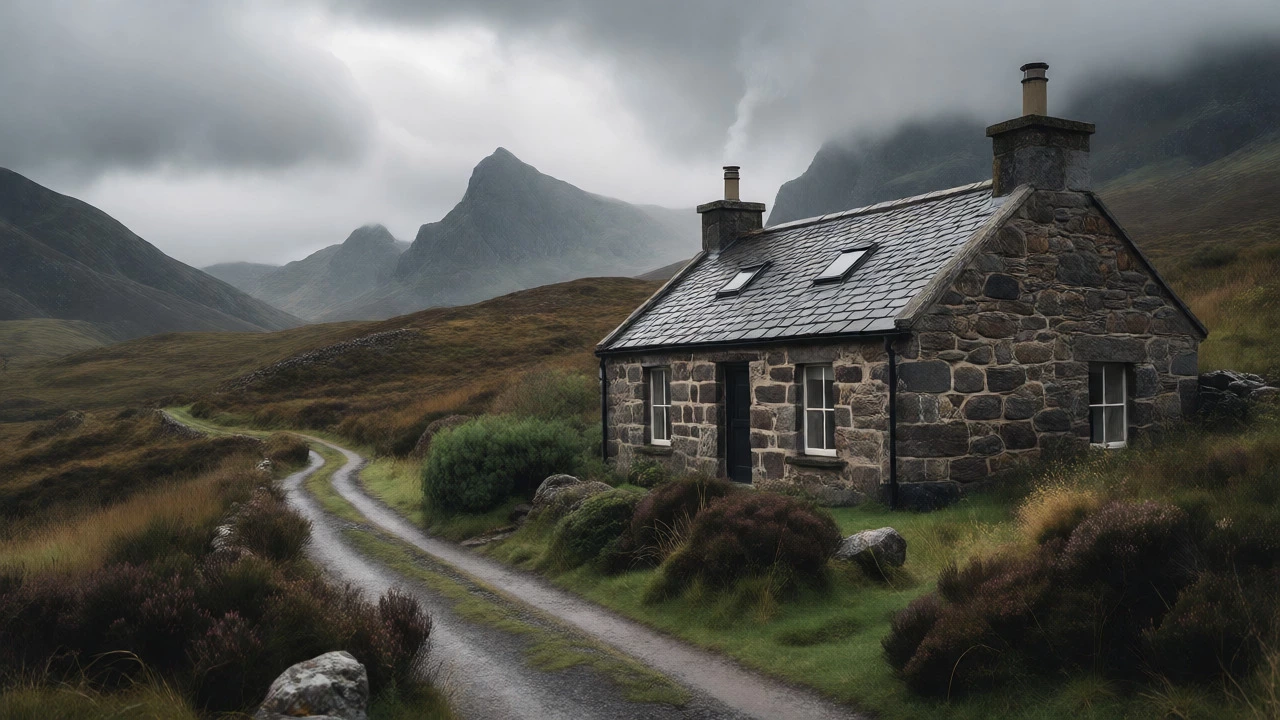
Most people picture holiday cottages in remote countryside spots. And they’re mostly right. These properties thrive in areas where city noise fades away. Think of the Lake District in England or the Highlands in Scotland. Here, the architecture is often traditional-thatched roofs, thick stone walls, and small windows designed to keep heat in during winter. The primary attribute of a rural cottage is isolation. You might need a car to get to the nearest pub. If you hate driving, this might not be your vibe.
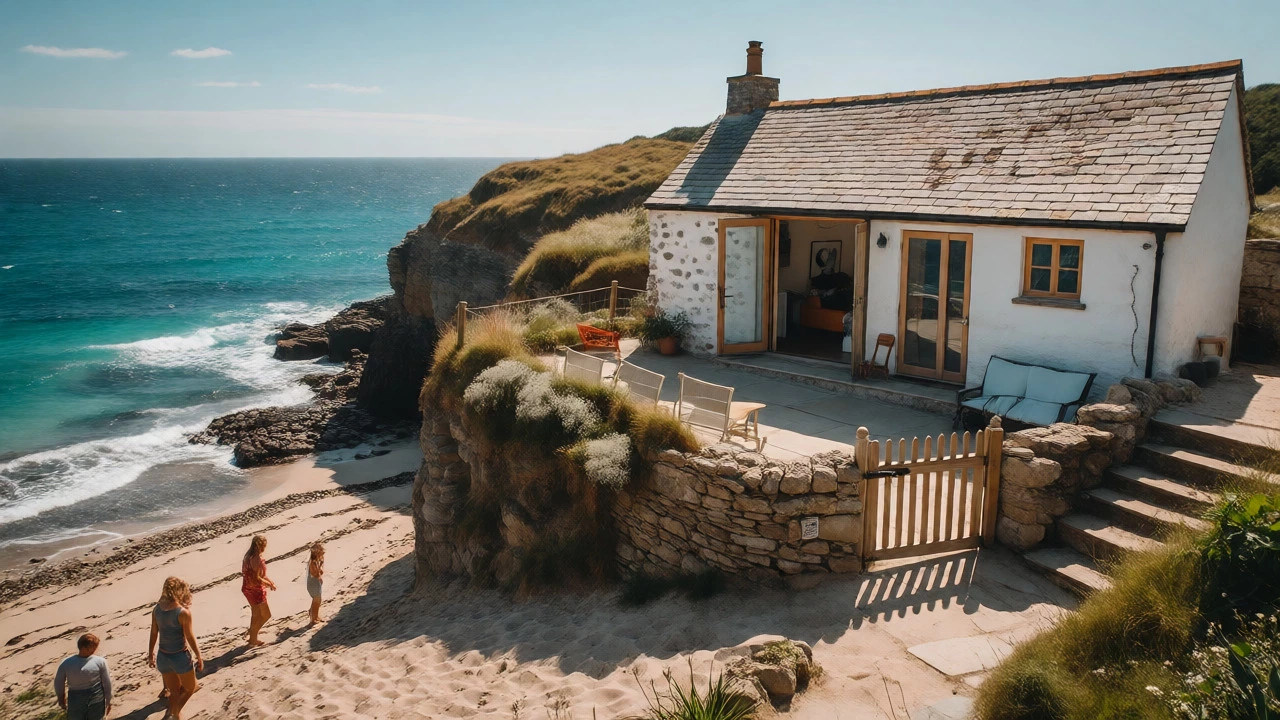
On the flip side, coastal cottages are huge right now. Places like Cornwall, Devon, and Pembrokeshire in Wales are packed with them. These aren’t always detached houses; sometimes they’re converted barns or even old fisherman’s huts tucked into cliff sides. The key difference here is proximity to the water. You can walk out the back door and hit the beach in five minutes. For families with young kids, this accessibility is a game-changer. You don’t want to pack up the car every time someone needs a snack or a swim.
Regional Breakdown: Where the Density Is Highest
If you look at booking data from major platforms like Airbnb or Vrbo, certain regions dominate the market. This isn’t random. It’s driven by geography and tourism infrastructure. Here’s a quick look at where the bulk of inventory sits.
| Region | Cottage Style | Best For | Average Nightly Rate (Est.) |
|---|---|---|---|
| Lake District | Stone-built, historic | Hiking, dog owners | £150 - £300 |
| Cornwall | Coastal, modern conversions | Surfing, family fun | £180 - £400 |
| Scottish Highlands | Remote, large estates | Nature, solitude | £120 - £250 |
| Cotswolds | Honey-colored stone, village centers | Dining, walking | £200 - £450 |
| North Wales | Mixed rural/coastal | Budget travelers, climbing | £90 - £200 |
Notice the price variance? The Cotswolds commands higher prices because it’s close to London and has a reputation for luxury. North Wales offers more bang for your buck, especially if you’re willing to drive a bit further from major hubs. Don’t let the map fool you, though. "Remote" in Scotland means something different than "remote" in Surrey. Always check the distance to the nearest shop before booking.
International Hotspots: Beyond the UK
While the term "holiday cottage" is heavily associated with Britain, similar concepts exist globally. In France, they call them gîtes. These are often farmhouses or country homes managed by local agencies. The French system is highly regulated, which means quality control is generally tighter than some unregulated private rentals elsewhere. If you’re eyeing Europe, look for the official Gîte de France label. It’s a stamp of approval that guarantees a certain standard of cleanliness and equipment.
In Canada, where I’m based, we tend to use terms like "cabin," "lakehouse," or "rental cottage." Ontario’s Muskoka region and British Columbia’s Okanagan Valley are prime examples. These aren’t just tiny sheds; many are full-sized homes with hot tubs and docks. The key distinction here is seasonality. A cottage in Muskoka is empty in February but booked solid in July. If you’re planning an off-season trip, you might snag a deal, but beware of closed amenities. Many pools and restaurants shut down after Labor Day.
Scandinavia offers another angle. Their "hytte" culture is about minimalism and connection to nature. Norwegian cabins are often simpler, focusing on warmth and functionality rather than luxury. They might lack Wi-Fi, which sounds like a nightmare until you realize how good it feels to disconnect. If you’re stressed from work, this digital detox might be exactly what you need.
How to Spot the Right Location for Your Needs
Choosing a location isn’t just about picking a pretty picture. It’s about matching the environment to your activities. Ask yourself three questions:
- Do I need easy access to services? If you have medical needs or young children who require frequent supplies, avoid deep rural areas. Look for cottages in "market towns" or villages with a post office and pharmacy.
- Am I bringing a pet? Not all cottages allow dogs, and those that do might charge extra. More importantly, check if the garden is fenced. An unfenced yard in a busy tourist area can lead to lost pets.
- What’s my tolerance for driving? A cottage might look perfect online, but if it’s a 45-minute drive to the nearest restaurant, factor that into your evening plans. I once stayed in a place that looked idyllic but required a steep, narrow lane drive at night. My heart rate spiked every time I saw headlights coming around a bend.
Use mapping tools creatively. Don’t just look at the pin on the map. Zoom out. See how far the cottage is from train stations or bus stops. Public transport in rural areas can be sparse, with last buses leaving at 6 PM. If you plan to drink wine with dinner, ensure you have a backup plan for getting home.
The Rise of Urban-Adjacent Cottages
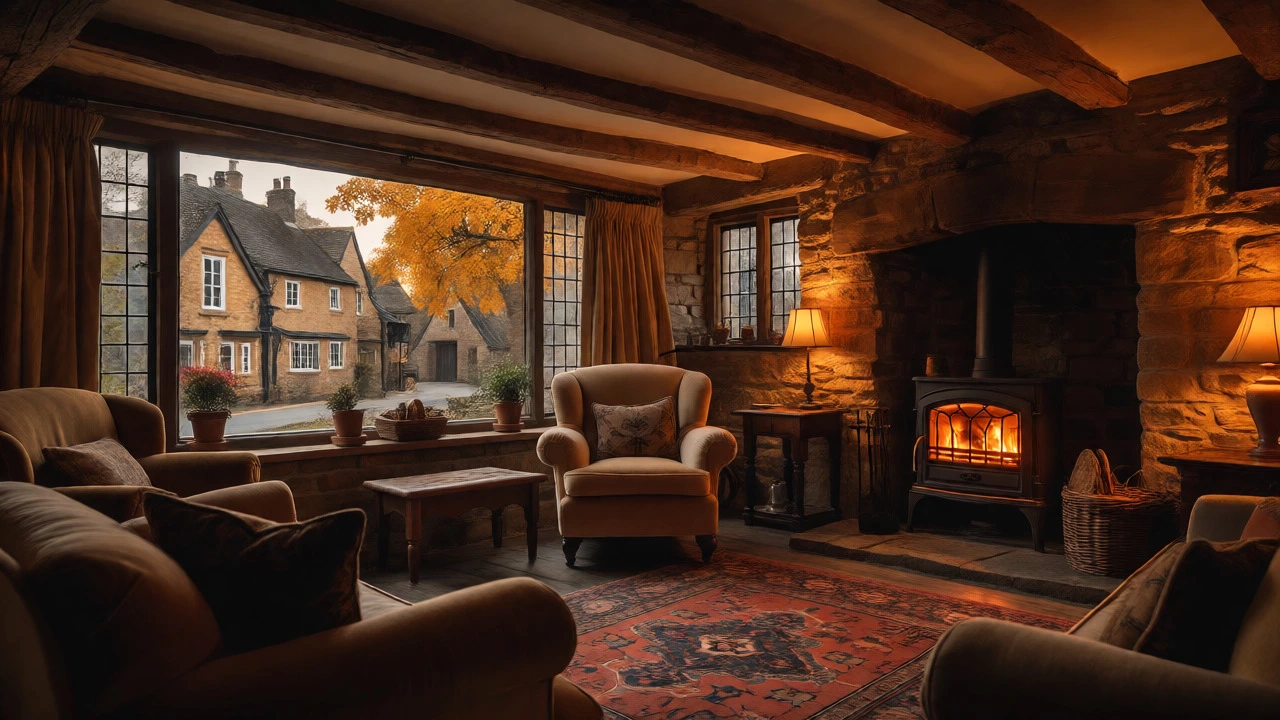
Here’s a trend you might miss: cottages aren’t always in the wild anymore. Many developers are converting old industrial buildings or creating new-build complexes on the edges of cities. These are technically "holiday lets" but offer a hybrid experience. You get the charm of a cottage interior-exposed beams, cozy fireplaces-but you’re only ten minutes from a Starbucks and a cinema.
This setup works well for groups who want a base camp for city exploration. Instead of paying for multiple hotel rooms, you rent one large cottage-style apartment. You cook breakfast together, save money, and still have space to relax. Just be aware that these properties often come with stricter noise rules. Neighbors are closer, and thin walls can amplify late-night chats. Read the reviews specifically mentioning "noise" or "neighbors" before committing.
Practical Tips for Booking Your Cottage
Once you’ve picked a region, the devil is in the details. Most disappointments stem from mismatched expectations. Here’s how to protect yourself:
- Check the heating source. In older cottages, heating might be oil-fired or electric storage heaters. These can be expensive to run. Some hosts include energy costs in the rent; others charge per kWh. Clarify this upfront. A cold cottage in January is miserable.
- Verify parking. Rural roads are narrow. Does the listing show a driveway? Or is it street parking? In popular villages, finding a spot after 7 PM can be impossible. If you have a large SUV, measure the width of the access road mentioned in reviews.
- Look for "welcome packs." Good hosts leave basics like tea, coffee, milk, and toilet paper. Bad hosts leave nothing. Check recent reviews for mentions of the welcome pack. It’s a small thing, but arriving hungry to an empty cupboard sets a bad tone for the trip.
Also, consider the timing. School holidays drive prices up dramatically. If you can travel in mid-May or September, you’ll find better rates and fewer crowds. The weather might be cooler, but you’ll have the beaches and trails to yourself. Plus, locals are friendlier when they aren’t overwhelmed by tourists.
Why Location Matters More Than Size
People often obsess over square footage. "Does it sleep six?" they ask. But sleeping capacity is misleading. A cottage that sleeps six might have two double beds and a sofa bed in the living room. That’s cramped. Instead, focus on the layout and outdoor space. Can everyone sit at the table comfortably? Is there a separate lounge area so adults can talk while kids play? These spatial dynamics affect your enjoyment far more than raw numbers.
Furthermore, the surrounding landscape acts as an extension of your living space. A cottage with a large, enclosed garden effectively doubles your usable area. You can eat outside, let kids roam, and enjoy fresh air without leaving the property. If the garden is small or shared, you’re confined indoors much sooner. Prioritize outdoor space if you’re traveling in summer.
Frequently Asked Questions
Are holiday cottages only found in the countryside?
No. While traditionally rural, many holiday cottages are located in coastal towns, lakeside villages, and even urban outskirts. The defining feature is the style and independence of the accommodation, not strictly its remoteness.
What is the best month to book a holiday cottage?
For the best balance of price and availability, aim for May, June, or September. July and August are peak seasons with highest prices. Winter bookings can offer discounts but require checking heating reliability.
Do holiday cottages usually have Wi-Fi?
Most modern listings do, but rural broadband speeds can vary significantly. Always check the speed rating in the listing description. Some remote properties may have limited connectivity suitable only for basic browsing, not streaming.
Can I bring my dog to any holiday cottage?
Not all cottages are pet-friendly. You must filter for "pets allowed" when searching. Additionally, check if there is a cleaning fee for pets and whether the garden is securely fenced to prevent escapes.
Is it cheaper to rent a cottage directly from the owner?
Often, yes. Direct booking avoids platform fees charged by sites like Airbnb or Booking.com. However, direct bookings may offer less buyer protection. Weigh the savings against the security of a third-party guarantee.