Britain isn’t just another destination-it’s a place where history, humor, and quiet rules collide. If you’re planning a UK staycation this year, you’re probably looking for cozy pubs, rolling hills, and tea with scones. But even locals get tripped up by the unspoken rules. Skip the awkward moments and avoid the cringe-worthy blunders most visitors make. Here’s what not to do when visiting Britain.
Don’t assume everyone speaks like in the movies
TV shows and films make it seem like everyone in Britain talks with a crisp, upper-class accent. In reality, accents vary wildly. A Londoner, a Glaswegian, and a Cornish fisherman sound like they’re from different planets. Don’t ask someone to "speak properly" or say, "I can’t understand you." It’s rude. Instead, lean in, listen, and smile. Most Brits will adjust their pace if they notice you’re struggling. And if you don’t catch a word? A simple "Sorry, could you repeat that?" goes further than pretending you understood.
Don’t skip the queue
Queuing isn’t just practical-it’s sacred. In Britain, standing in line is practically a national sport. Whether you’re at a bus stop, a bakery, or the ticket machine at a museum, the rule is simple: first come, first served. Cut in line once, and you’ll get glares. Do it twice, and someone might politely but firmly tell you to "go to the back." Even in a rush, don’t try to sneak ahead. It’s not worth the social penalty. If you’re unsure where the line starts, wait a few seconds and watch where others form up. There’s always an invisible starting point.
Don’t overtip
Tip culture in Britain is nothing like the U.S. In restaurants, a service charge is often already included-check the bill. If it says "service included," you don’t need to add anything. If not, 10-15% is plenty. Leave more than that, and staff might think you’re confused or trying to make a statement. Tipping taxi drivers? Round up to the nearest pound. Don’t feel pressured to tip bar staff, hairdressers, or delivery drivers unless they went above and beyond. Over-tipping can actually make people uncomfortable.
Don’t call it England when you mean Britain
England is just one part of Britain. The UK includes England, Scotland, Wales, and Northern Ireland. Calling the whole country "England" is like calling Canada "Ontario." It’s not just inaccurate-it’s irritating. If you’re in Edinburgh, say "Scotland." If you’re in Cardiff, say "Wales." Locals appreciate the effort. Even if you’re just passing through, using the right name shows you respect the place. And yes, Welsh people will correct you. Don’t take it personally. They’re just proud.
Don’t talk about the weather like it’s a conversation starter
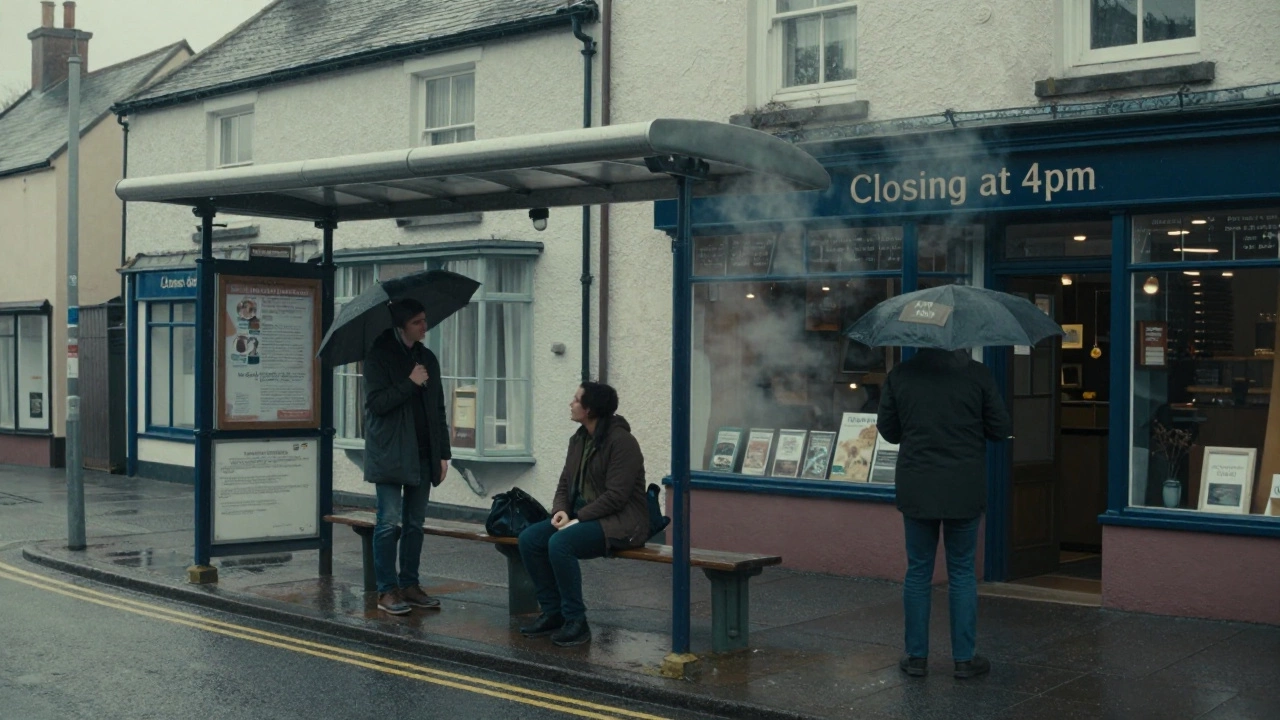
Yes, Brits talk about the weather. But not because they’re excited about it. They talk about it because it’s unpredictable-and they’re resigned to it. Saying "Isn’t it lovely weather today?" when it’s pouring rain will get you a deadpan stare. The real conversation is: "This rain is ridiculous," or "I’ve had enough of this cold." If you want to make small talk, comment on how awful the weather is. That’s the shared experience. Don’t try to cheer people up with sunshine fantasies. They’ve heard them all.
Don’t ignore pub etiquette
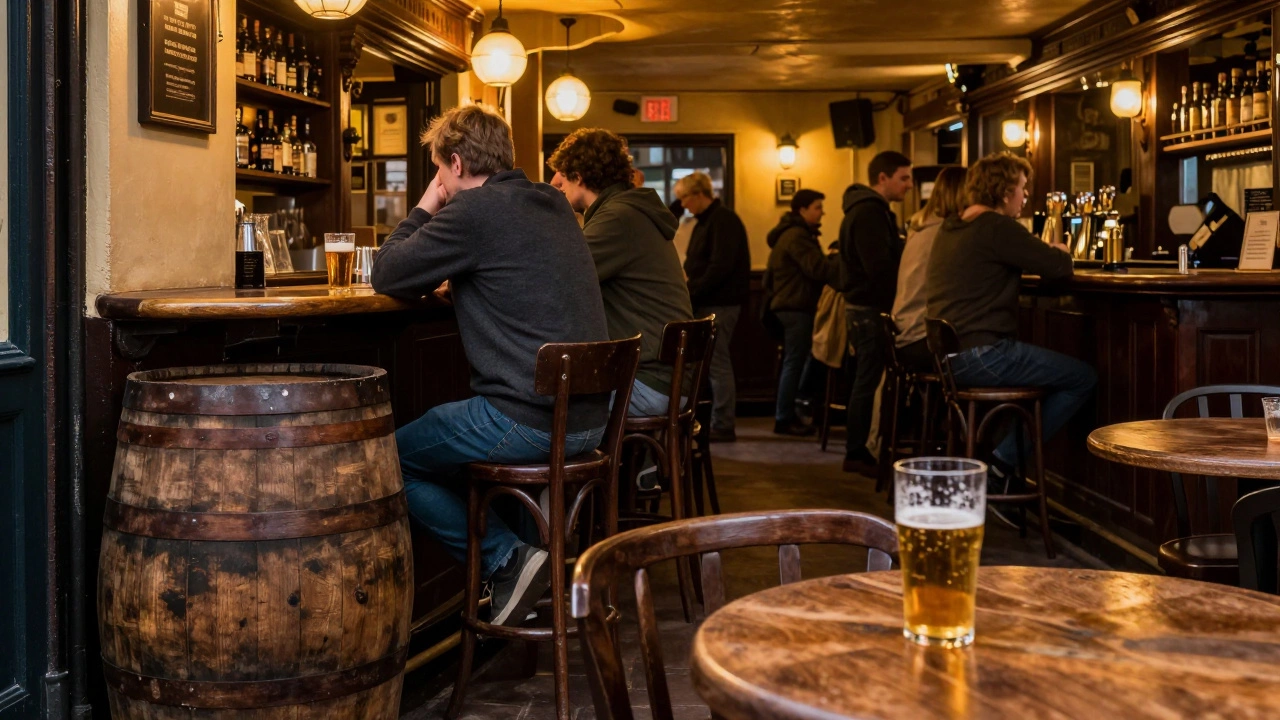
Pubs are social hubs, not just places to drink. Don’t walk in, grab a pint, and sit at a table meant for a group. In most pubs, you order at the bar. Wait your turn. Don’t yell across the room. Don’t bring a big group and take over four tables. And never, ever order a "pint of lager" and expect it to come in a glass with a lid. That’s not a thing. Also, don’t ask for "free refills" or "happy hour." Those don’t exist in most traditional pubs. Stick to the rhythm: order, pay, drink, repeat.
Don’t assume everyone has a car
Britain’s public transport is reliable, especially in cities. But many visitors assume they need to rent a car to get around. In London, it’s a bad idea. Traffic, congestion charges, and parking costs make driving a headache. In Edinburgh, the tram and buses cover everything. In rural areas, yes, a car helps-but even then, trains and buses connect most villages. Don’t waste money renting a car unless you’re heading deep into the Lake District or the Scottish Highlands. And if you do rent, remember: drive on the left. Always.
Don’t complain about the tea
British tea isn’t about fancy flavors or loose leaves (though those exist). It’s about the ritual: a mug, a teabag, boiling water, and a splash of milk. No one puts lemon in black tea-it’s a rule. If you ask for "herbal tea," you’ll get a look. If you order "decaf," you’ll get a pause. If you ask for "no milk," they’ll ask if you’re sure. Don’t try to customize it too much. Just accept the tea as it is. And if you’re served a cup that’s too weak? Don’t say anything. It’s not a flaw-it’s tradition.
Don’t expect everything to be open
On Sundays, many shops, museums, and attractions close early-or not at all. In smaller towns, everything shuts down after 4 p.m. Public transport runs on a reduced schedule. Even in cities, some cafes and pubs take a break between 2-5 p.m. for staff rest. If you’re planning a day out, check opening hours. Don’t show up at 3 p.m. on a Sunday expecting to buy souvenirs or eat lunch. The locals aren’t being difficult-they’re following a rhythm that’s been around for generations.
Don’t treat Britain like a theme park
It’s tempting to pack your days with castles, Stonehenge, and Harry Potter studios. But Britain isn’t a museum. It’s a living country. Skip the tourist traps on weekends. Go to local markets instead. Chat with the fishmonger. Sit in a park and watch people. Take a slow train through the countryside. The best memories aren’t the ones you photograph-they’re the ones you didn’t plan. Don’t rush. Britain rewards patience.
Don’t forget to say thank you
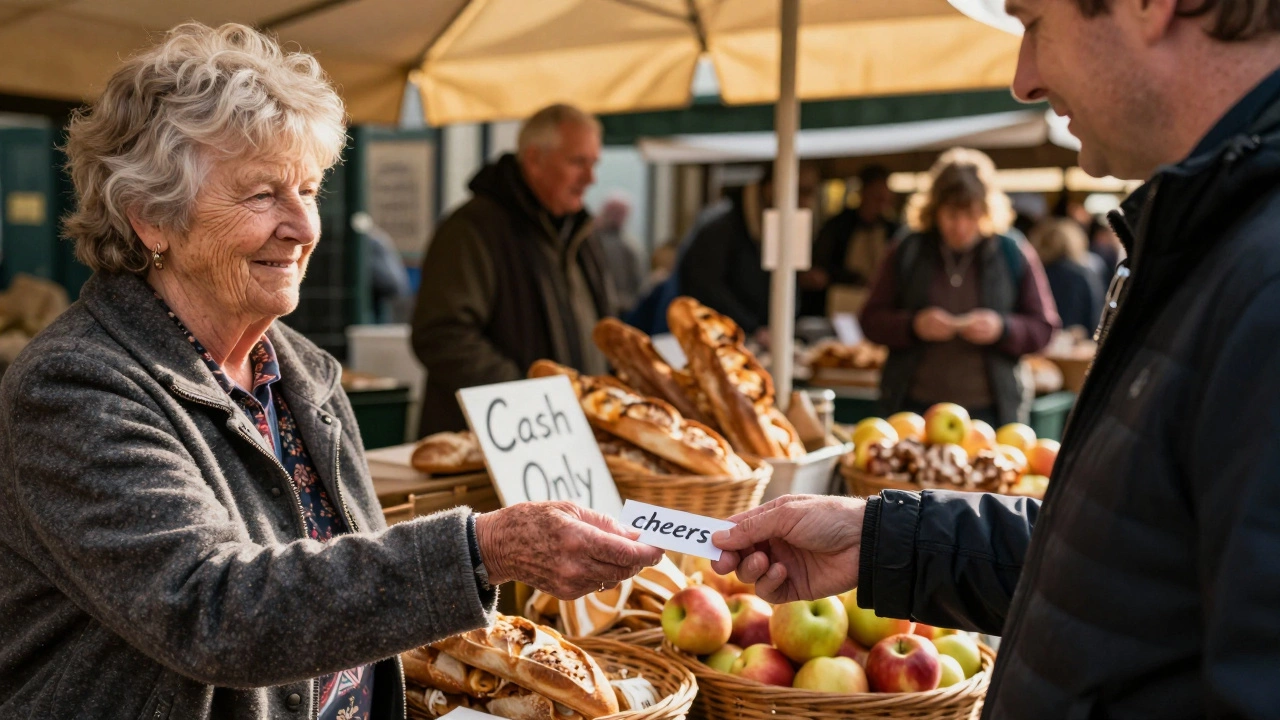
"Thank you" is one of the most important phrases in Britain. Say it when you’re handed change. Say it when someone holds the door. Say it when the bus driver nods at you. A simple "cheers" or "ta" works too. People notice politeness. And in a country where quiet manners matter more than loud gestures, a genuine "thank you" can make your whole trip feel warmer.
Is it okay to take photos of people in Britain?
It’s fine to take photos of buildings, streets, or landscapes. But if you want to photograph someone, especially in a pub, market, or home, ask first. Brits value privacy. A quick "Excuse me, would you mind if I took a photo?" is polite and appreciated. Never snap photos of children or people in distress without permission.
Can I use my American credit card everywhere?
Most places accept chip-and-PIN cards, but some small shops, cafés, and rural vendors only take cash. Always carry £10-£20 in notes. Contactless works for under £100, but if you’re trying to pay for a £90 meal and your card declines, you’ll be stuck. Also, avoid dynamic currency conversion at ATMs-it adds fees. Stick to pounds.
Are there any banned items I shouldn’t bring?
Yes. Fresh fruit, meat, and dairy from outside the EU are restricted. Even if you’re coming from Canada or the U.S., don’t pack sandwiches, cheese, or apples. Customs will confiscate them. Also, avoid bringing large quantities of alcohol or tobacco unless you’re declaring them. The rules are strict, and penalties are real.
What’s the best way to get around rural Britain?
Trains connect most towns, but rural bus services are limited. Check National Rail and local council websites for timetables. Some villages have community buses that run once a day. If you’re staying longer, consider a local taxi service or renting a car for a day. Don’t rely on ride-hailing apps like Uber-they’re rare outside cities.
Is it rude to be late?
Being 5-10 minutes late is usually fine for casual meetups. But for meals, tours, or appointments, aim to be on time. Brits value punctuality in formal settings. If you’re running late, text or call. A quick "Running 10 minutes behind, sorry!" is better than showing up with no warning.
Visiting Britain doesn’t require a rulebook. But knowing the small things-how to queue, how to order tea, how to say thank you-makes the difference between blending in and standing out. You don’t need to be perfect. Just be respectful. And you’ll leave with more than souvenirs-you’ll leave with a better understanding of a place that doesn’t shout its charm. It whispers it.