City Break Savings Calculator
Find Your Savings
Want a city break without draining your bank account? The truth is, you don’t need to wait for Black Friday or book six months ahead to score a great deal. The cheapest months for city breaks aren’t random-they follow a pattern tied to weather, holidays, and tourist traffic. And if you know when to look, you can save 40% or more on flights and hotels compared to peak season.
Why Prices Drop Outside Peak Season
City break prices don’t drop because hotels want to be nice. They drop because demand drops. When schools are in session, locals aren’t taking time off, and the weather isn’t picture-perfect, hotels and airlines lower prices to fill rooms and seats. That’s when you get the real deals.Take Paris. In July, a basic double room in the 10th arrondissement might cost €180 a night. In January? You’ll find the same room for €95. That’s not a sale-it’s normal pricing. The same goes for Rome, Berlin, or Barcelona. The big tourist crowds don’t show up until late spring, and they leave by early autumn. The gap in between? That’s your window.
Top 5 Cheapest Months for City Breaks (2025 Data)
Based on flight and hotel data from Skyscanner, Google Flights, and Booking.com for 2025, these are the five cheapest months to book a city break across Europe and North America:
- January - Right after New Year’s, everyone’s broke and the weather’s cold. Flights to cities like Prague, Vienna, and Budapest drop 35-50%. Hotels offer free breakfast just to get bodies in the door.
- February - Still winter, still quiet. February is the quietest month in most European capitals. You’ll find last-minute deals on city breaks to Amsterdam, Lisbon, and even London. The only downside? Shorter days and chilly temps.
- November (early) - Halloween’s over, Christmas hasn’t started. This is the sweet spot before the holiday rush. Cities like Milan, Copenhagen, and Kraków are empty, and prices reflect it. You’ll get better service, too-no lines at museums or restaurants.
- March - Early spring is tricky. Some places like Barcelona start warming up, but most of Europe is still gray. That means low prices and fewer crowds. It’s also when airlines release their spring schedules, and early-bookers get surprise discounts.
- September (late) - After the August holiday rush, families go home and tourists thin out. Late September in cities like Rome, Berlin, or Edinburgh feels like having the place to yourself. Hotels drop rates by 20-30%, and flights often have fewer stopovers.
Where to Find the Best Deals
Knowing the cheapest months is only half the battle. Where you book matters just as much.
Booking.com and Hotels.com often have price match guarantees, but they’re not always the cheapest. Use Google Flights to track price trends for your target city. Set a price alert for round-trip flights from your nearest airport. Then check direct airline sites-low-cost carriers like Ryanair, EasyJet, and Wizz Air often have deals that don’t show up on aggregators.
For hotels, try booking directly. Many independent hotels offer a 5-10% discount if you book through their website instead of a third party. And don’t overlook Airbnb or Vrbo for longer stays. A one-bedroom apartment in Budapest for a week in February can cost less than a single night in a hotel during July.
What to Avoid
Not every low season is a good time to go. Avoid these months if you want to actually enjoy your city break:
- December (mid to late) - Christmas markets are lovely, but prices skyrocket. Flights to Vienna or Prague can cost 2-3x more than in November.
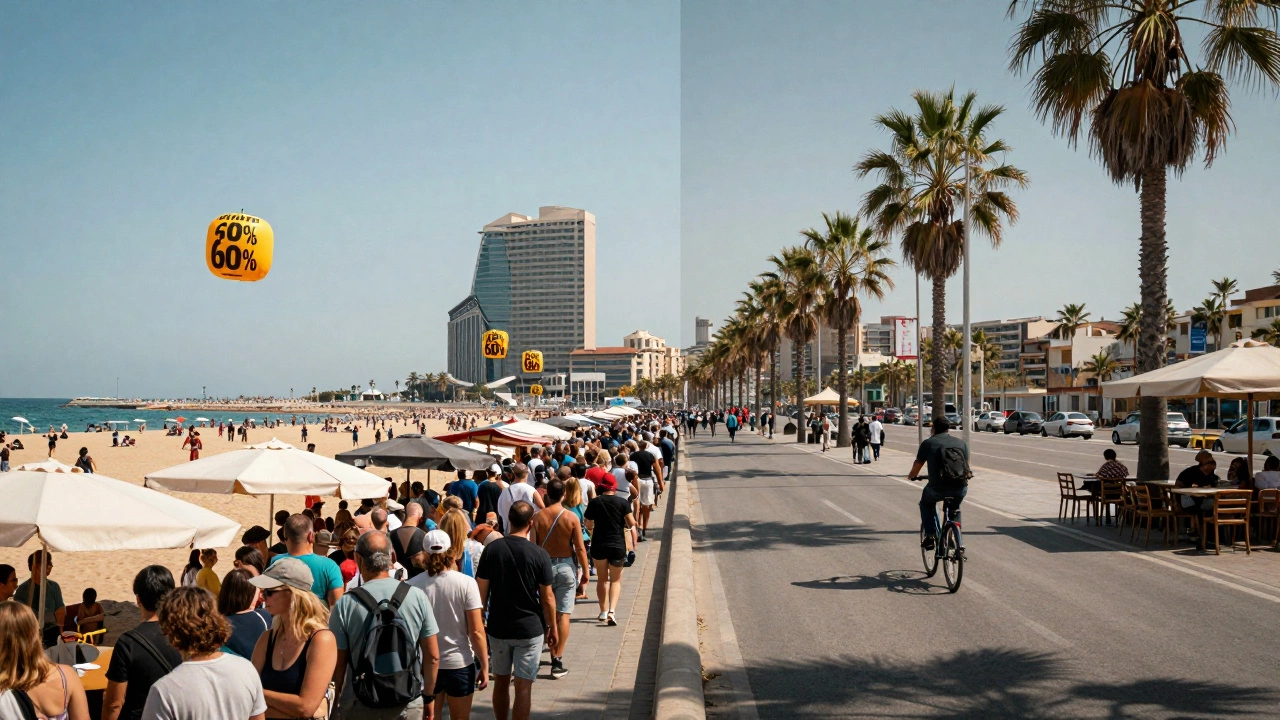
- July and August - Peak season everywhere. Expect packed sights, long queues, and inflated prices. Even if you find a cheap flight, the hotel will eat up your savings.
- May and June - These are shoulder months, but they’re getting pricier every year. If you’re looking for a true bargain, skip these.
Also avoid booking during national holidays. In France, for example, the first week of May is a public holiday week. Prices spike even though it’s technically off-season. Same goes for Germany’s Easter week or Spain’s La Tomatina in August.
Real Examples: How Much You Can Save
Here’s what real travelers paid in 2025 for a 3-night city break:
| Month | Average Flight (Round-Trip) | Average Hotel (Per Night) | Total Cost (Flight + Hotel) |
|---|---|---|---|
| January | $185 | $42 | $311 |
| February | $192 | $45 | $327 |
| March | $210 | $55 | $375 |
| July | $395 | $110 | $725 |
| September (late) | $230 | $65 | $425 |
That’s a $414 difference between January and July. You could fly to Prague twice in January for the price of one trip in July.
Same story in Barcelona: A midweek stay in February costs $260 total. In August? $680. That’s enough extra cash for three tapas tours, a flamenco show, or a day trip to Montserrat.
How to Plan Your Cheapest City Break
Here’s a simple 4-step plan:
- Pick your city - Choose one you’ve always wanted to visit but thought was too expensive. Think Budapest, Ljubljana, Tallinn, or Porto.
- Target the cheapest months - Stick to January, February, early November, or late September.
- Book early, but not too early - Set price alerts 6-8 weeks out. The sweet spot is 4-6 weeks before departure. Too early? You might miss last-minute drops. Too late? Everything’s gone.
- Book flight and hotel separately - Bundled deals often cost more. Book your flight on a low-cost airline, then book a hotel directly on their website.
Pro tip: Fly midweek. Tuesday and Wednesday flights are usually 15-20% cheaper than Friday or Sunday. Stay Sunday-Thursday to avoid weekend surcharges.
Is It Worth It? The Trade-Offs
Yes, you’ll save money. But you’ll also get colder weather, shorter daylight hours, and maybe a few closed attractions.
Some museums close early in winter. Outdoor cafes might be shuttered. But here’s the thing-most major attractions stay open year-round. The Louvre, the Colosseum, the Prado, the Tate Modern-they’re all open in February. You just won’t have to wait in 45-minute lines.
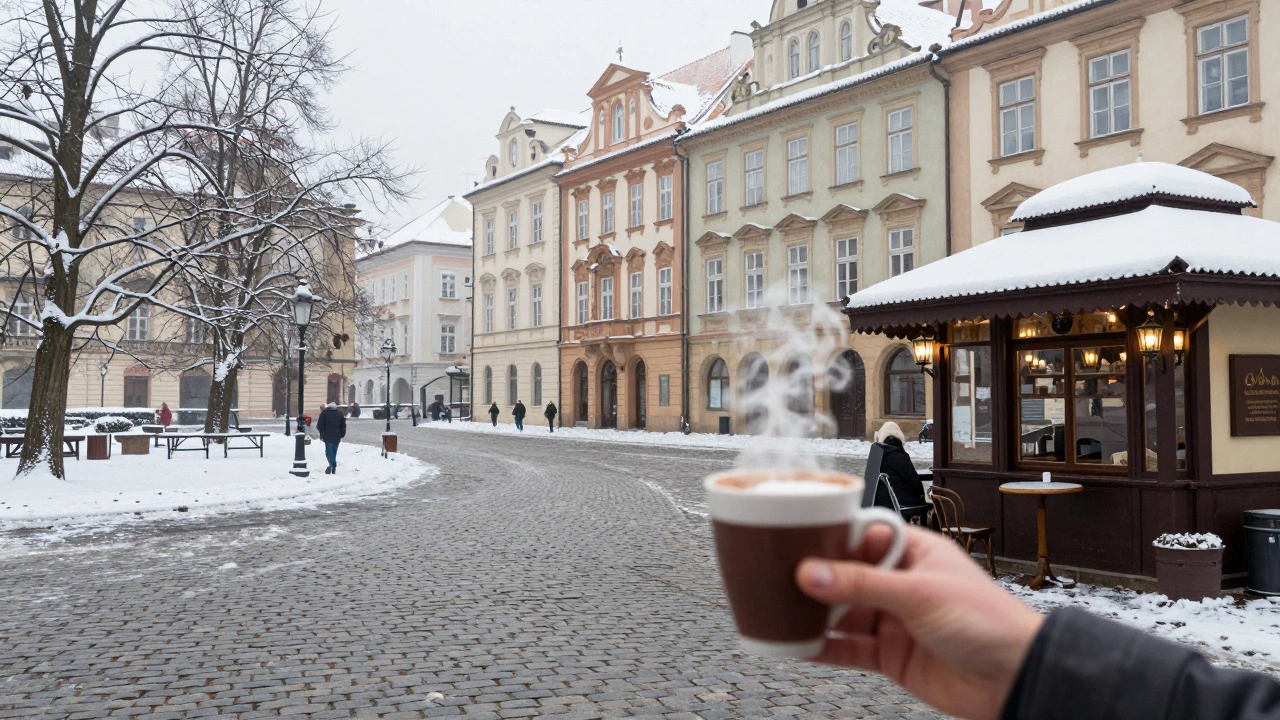
And the vibe? Totally different. In January, you’ll sip hot chocolate in a quiet Viennese café while locals chat over newspapers. In July, you’re dodging selfie sticks and tour groups. The city feels alive, not overwhelmed.
Final Tip: Travel Like a Local
The cheapest city breaks aren’t just about low prices-they’re about how you move through the city. Skip the tourist traps. Eat where the locals eat. Take the tram instead of the taxi. Walk. Most European cities are walkable, and you’ll see more that way.
Buy a city tourism card only if you plan to visit 3+ paid attractions. Otherwise, it’s a waste. Many museums have free entry days-usually the first Sunday of the month. Check the official website before you go.
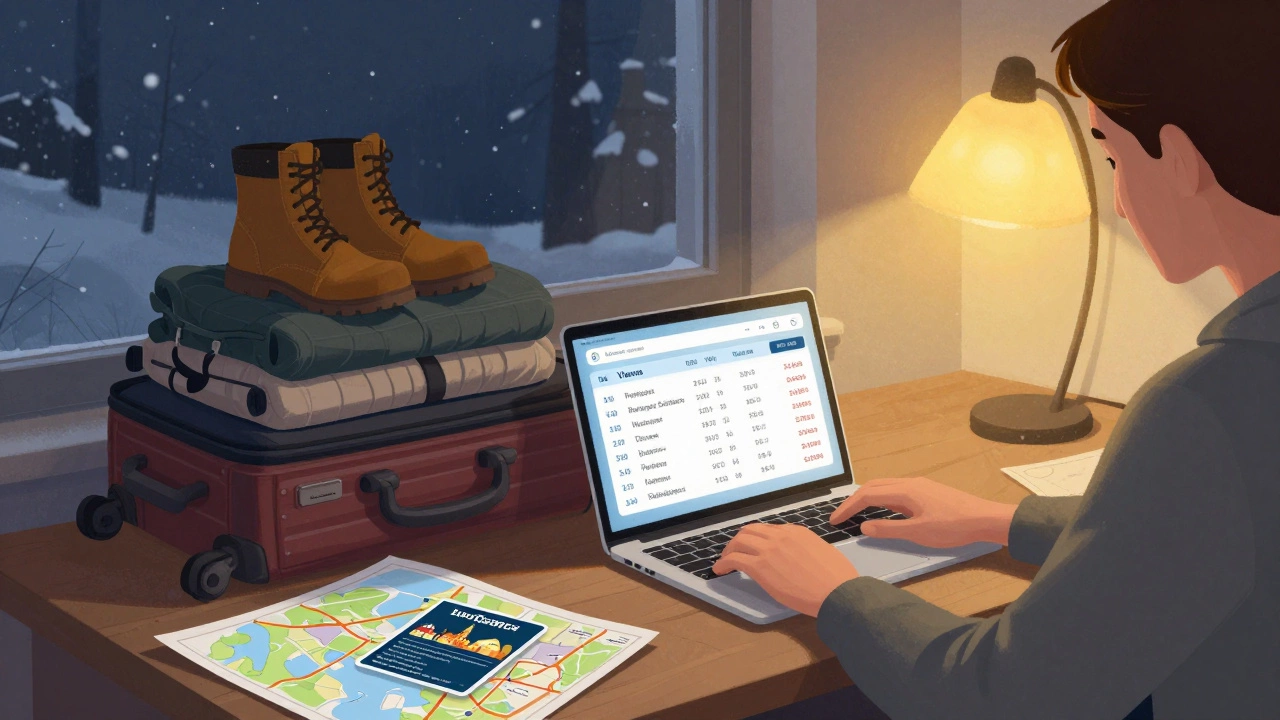
And if you’re going in winter? Pack layers. A good coat, thermal socks, and waterproof shoes matter more than a designer purse. The cold doesn’t care how much you spent on your outfit.
What is the cheapest month to travel for a city break?
January is typically the cheapest month for city breaks across Europe and North America. Prices for flights and hotels drop 30-50% compared to summer. February and early November are close seconds. Avoid December (holiday surge) and July-August (peak season).
Are city breaks cheaper in winter?
Yes, winter months-especially January and February-are the cheapest time for city breaks. Tourist numbers are low, so hotels and airlines slash prices to fill capacity. You’ll pay less for flights, hotels, and even some attractions. The trade-off is colder weather and shorter days, but you’ll avoid crowds and get better service.
Is it cheaper to book flights and hotels together or separately?
It’s almost always cheaper to book separately. Bundled deals on sites like Expedia or Trip.com often include markups. Book your flight on a low-cost airline like Ryanair or Wizz Air, then book your hotel directly on the hotel’s website. Many hotels offer discounts for direct bookings and include free breakfast.
Which cities are the cheapest for a winter city break?
Budapest, Prague, Kraków, Ljubljana, and Tallinn are consistently the most affordable in winter. These cities have low overhead, strong local economies, and plenty of budget-friendly hostels and guesthouses. You can easily spend under $250 for a 3-night trip in January, including flights from North America.
Do museums and attractions close in winter?
Most major museums and landmarks stay open year-round. A few smaller ones may close on Mondays or have reduced hours, but popular sites like the Louvre, the Colosseum, and the Prado remain open. Always check the official website for holiday closures. Many also offer free entry on the first Sunday of the month.