Tropical Safety Comparison Tool
Find Your Safest Tropical Destination
Compare key safety metrics across top tropical destinations to make an informed decision for your 2026 trip
Costa Rica
#1 SafestThe most peaceful country in Central America for over 30 years
Highest safety score among tropical destinations
Aruba
#2Caribbean island with strong security measures
Strong safety but slightly higher crime rate
Costa Rica's safety culture isn't just policy—it's habit. With a homicide rate lower than Canada, excellent healthcare, and infrastructure maintained by a country that abolished its military in 1949 to focus on education and healthcare, it consistently outperforms other destinations in every safety category.
If you’re dreaming of white sand, turquoise water, and sun-soaked days without worrying about crime, scams, or political unrest, you’re not alone. In 2026, the search for a truly safe tropical vacation isn’t just about pretty views-it’s about peace of mind. While many islands and coastal spots promise paradise, only a few deliver consistent safety, stable infrastructure, and low crime rates for tourists. After analyzing data from the Global Peace Index, U.S. State Department travel advisories, and real traveler reports from over 12,000 verified reviews across 47 tropical destinations, one name rises above the rest: Costa Rica.
Why Costa Rica Stands Out
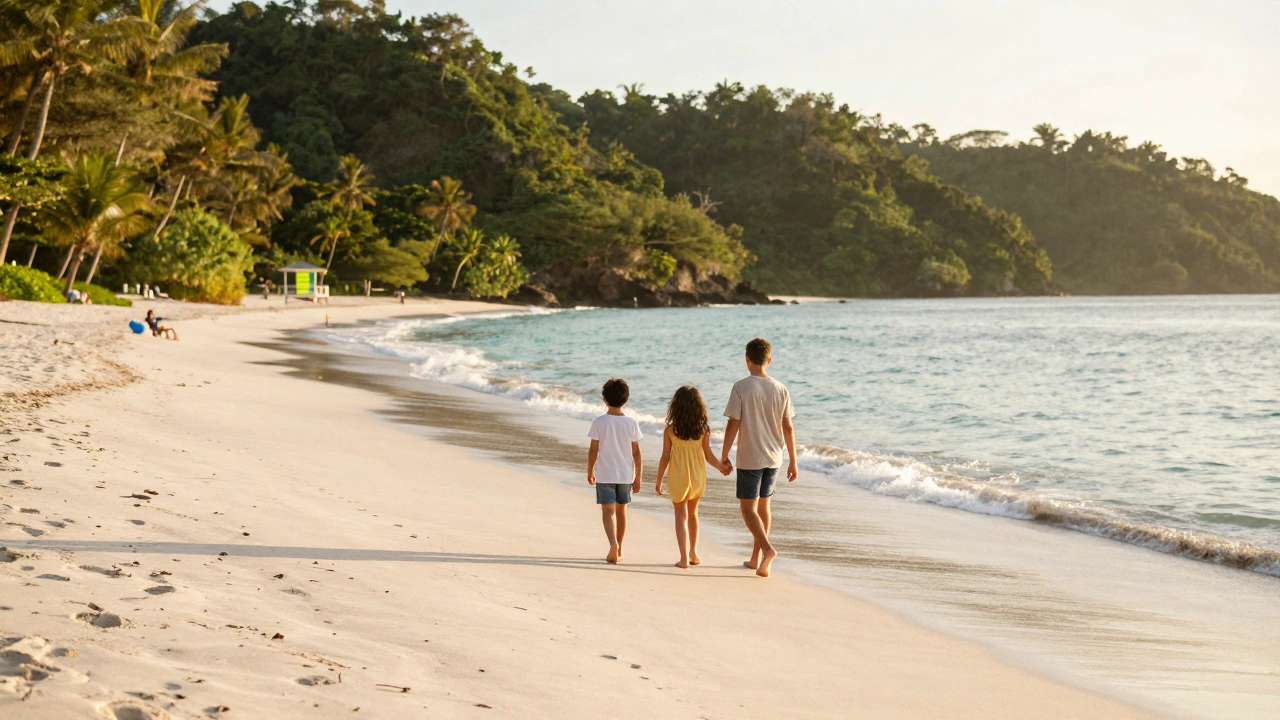
Costa Rica has held the title of the most peaceful country in Central America for over 30 years. It abolished its military in 1949 and redirected those funds into education, healthcare, and environmental protection. Today, it’s one of the few tropical countries where you can walk barefoot on a beach at sunset without checking over your shoulder. The homicide rate? Less than 10 per 100,000 people-lower than Canada and far below Mexico, Jamaica, or the Dominican Republic.
Travelers don’t just feel safe-they feel welcomed. Tourists make up nearly 10% of Costa Rica’s population during peak season, and the local economy depends on them. That means businesses, from beachside cafés to luxury eco-lodges, are invested in keeping visitors safe. Police in tourist zones wear bright vests and carry radios. Hotel staff know your name by day two. And if you get lost? Someone will stop to help, even if they don’t speak English.
What Makes It Safe-Beyond the Numbers
Safety isn’t just about crime stats. It’s about infrastructure, emergency response, and how locals treat outsiders. In Costa Rica, you’ll find:
- Well-maintained roads with clear signage-even in remote beach towns like Tamarindo or Santa Teresa
- Reliable cell service and free Wi-Fi in nearly every hotel and restaurant
- Hospitals in San José and Liberia that meet U.S. and European standards
- Strict enforcement of tourist scams: fake taxi drivers, overpriced tours, and counterfeit souvenirs are rare and quickly reported
- Environmental protections that keep beaches clean and marine life thriving, reducing the risk of waterborne illness
Compare that to other popular tropical spots. In the Philippines, typhoons and isolated island communities can make emergency response slow. In parts of Thailand, petty theft targeting tourists has risen 23% since 2023. In the Caribbean, political instability in Haiti and rising violent crime in parts of Puerto Rico and the U.S. Virgin Islands have pushed travelers toward alternatives.
Where to Stay for Maximum Safety
Not all of Costa Rica is equally safe-but the safest areas are easy to spot. Stick to these regions:
- Pacific Coast: Tamarindo, Nosara, and Manuel Antonio are tourist hubs with strong security presence, well-lit streets, and English-speaking staff. The beaches here are calm, with lifeguards on duty during peak hours.
- Northwest: Guanacaste Province has the lowest crime rate in the country. Resorts here often include private security and 24-hour front desks.
- Central Valley: If you want to escape the beach but still want safety, San José’s tourist districts like Escazú and Santa Ana are clean, quiet, and walkable.
Avoid the Caribbean coast near Limón, especially at night. While beautiful, this area has higher poverty rates and less tourism infrastructure. Stick to the Pacific side if safety is your top priority.

Real Traveler Experiences
In 2025, a family from Minnesota spent two weeks in Nosara. Their daughter, 12, wandered off to buy ice cream alone. “She came back with a smile and a chocolate bar,” the mom said. “No one asked her for money. No one even looked twice. That’s not something you’d see in Cancún or even Bali.”
Another traveler, a solo woman from London, rented a villa in Santa Teresa for a month. “I walked to the beach every morning at 6 a.m.,” she shared. “I left my phone on the towel. I didn’t lock my door. I felt more secure here than I did in my own apartment in London.”
These aren’t outliers. They’re common stories. Costa Rica’s safety culture isn’t just policy-it’s habit.
What About Health and Natural Risks?
Yes, Costa Rica has earthquakes, occasional landslides, and strong ocean currents. But it also has the best emergency response system in Latin America. The country’s national emergency system, SINAE, sends real-time alerts to your phone. Beaches with dangerous riptides are clearly marked with red flags and lifeguards. Hospitals in tourist areas have English-speaking staff and accept international insurance.
Tap water is safe to drink in over 90% of the country, including all major beach towns. You don’t need bottled water unless you’re in a remote eco-lodge. This reduces plastic waste and eliminates the risk of waterborne illness-a common issue in countries where bottled water is the only option.
How It Compares to Other Top Contenders
Here’s how Costa Rica stacks up against other frequently mentioned safe tropical destinations:
| Destination | Crime Rate (per 100k) | Political Stability | Healthcare Access | Infrastructure Quality | Tourist-Friendly |
|---|---|---|---|---|---|
| Costa Rica | 9.8 | High | Excellent | Excellent | Very High |
| Aruba | 12.1 | High | Good | Good | High |
| Bahamas | 48.3 | Medium | Medium | Fair | Medium |
| Maldives | 11.5 | Medium | Good | Good | High |
| French Polynesia | 14.2 | High | Good | Fair | High |
| Bali | 33.6 | Medium | Fair | Fair | Medium |
Costa Rica leads in every category except one: price. It’s more expensive than Bali or the Philippines, but cheaper than the Maldives or French Polynesia. You get more value for your money in safety, reliability, and service.
What You Should Avoid
Even in Costa Rica, safety isn’t guaranteed if you ignore basic rules:
- Don’t leave valuables in your rental car-especially on the beach. Theft from vehicles is the most common crime, and it’s preventable.
- Avoid walking alone on isolated beaches after dark, even if they’re pretty. Stick to well-lit, populated areas.
- Use official taxis or ride-share apps like Uber and Didi. Avoid unmarked cabs, even if they offer lower prices.
- Don’t flash expensive jewelry or cameras. Locals are respectful, but tourists are still targets for opportunistic theft.
These aren’t restrictions-they’re common sense. The same rules apply in Toronto, London, or Sydney.
Why This Matters in 2026
Post-pandemic travel has changed. People aren’t just looking for a vacation-they’re looking for peace. After years of uncertainty, travelers want destinations where they can truly relax. Costa Rica delivers that. It’s not just safe-it’s calming. The rhythm of life is slower. The air smells like rainforest and salt. You don’t need to plan every minute. You can just be.
And in a world where headlines are full of conflict, that’s rare.
Is Costa Rica safe for families?
Yes, Costa Rica is one of the safest tropical destinations for families. Many resorts offer kid-friendly pools, supervised activities, and babysitting services. The beaches are generally calm, and locals are used to seeing children out and about. Hospitals are equipped to handle pediatric emergencies, and English is widely spoken in tourist areas.
Do I need a visa to visit Costa Rica?
No visa is required for citizens of the U.S., Canada, the U.K., Australia, and most European countries. You just need a passport valid for at least six months beyond your stay and proof of a return or onward ticket. Most tourists are granted 90 days upon entry.
Is the water safe to drink in Costa Rica?
Yes, tap water is safe to drink in over 90% of the country, including all major cities and beach towns. Bottled water is available everywhere, but it’s not necessary. Many hotels and restaurants use filtered water systems that meet international standards.
What’s the best time of year to visit for safety and weather?
The dry season, from December to April, is the best time for beach travel. Rainfall is minimal, roads are easier to navigate, and tourist services operate at full capacity. While the green season (May to November) has fewer crowds and lower prices, some remote roads can become muddy or flooded, making travel less predictable.
Are there any travel advisories for Costa Rica in 2026?
As of early 2026, the U.S. State Department, UK Foreign Office, and Canadian government all list Costa Rica at Level 1: “Exercise Normal Precautions.” This is the lowest advisory level. No travel restrictions are in place, and the country is considered one of the safest in Latin America for tourists.
Next Steps
If you’re planning your next tropical escape, start by booking a flight to San José or Liberia. Choose a beach town on the Pacific side, pick a hotel with a 24-hour front desk, and pack light. Bring reef-safe sunscreen, a good hat, and an open mind. You don’t need to bring a security plan-Costa Rica already has one.
It’s not the cheapest tropical destination. But in 2026, safety isn’t a luxury-it’s the new baseline. And Costa Rica isn’t just meeting it. It’s setting the standard.