Adventure Readiness Calculator
Your Adventure Profile
Adventure Destination Recommendations
Recommended Destinations
Patagonia
Nepal
Antarctica
There’s a difference between traveling and adventure. One takes you somewhere new. The other changes you. If you’ve ever stood at the edge of a glacier, hiked through monsoon-soaked jungles, or slept under stars so bright they felt like they were pulling you up into the sky-you know what I mean. But if you’re asking what the single most adventurous place on Earth is, the answer isn’t a postcard. It’s not even one location. It’s a feeling you find in the places where the map ends, the trails disappear, and the only thing keeping you alive is your grit.
Patagonia: Where the Wind Doesn’t Ask Permission
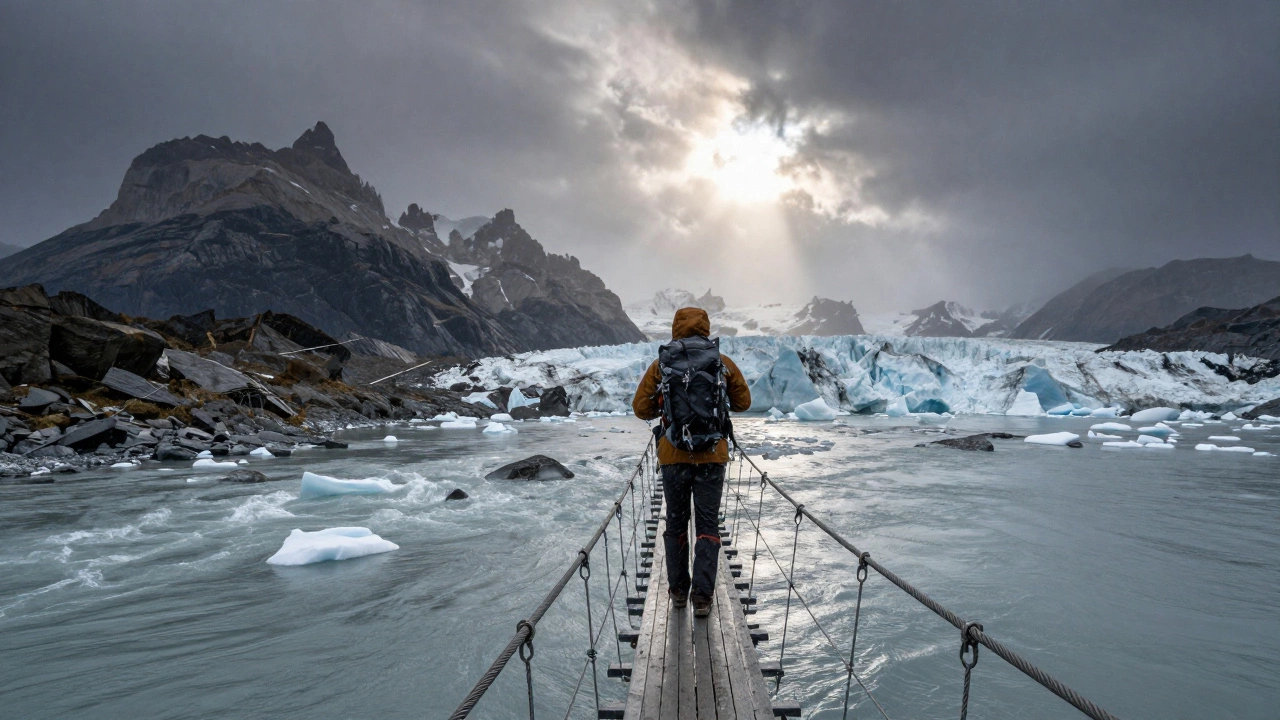
Patagonia isn’t just a region-it’s a force. Stretching across southern Chile and Argentina, it’s a land of jagged peaks, roaring rivers, and winds that have been howling for centuries. The Torres del Paine W Trek isn’t a hike. It’s a five-day battle with nature that leaves you bruised, exhausted, and utterly alive. You’ll cross suspension bridges swaying over glacial rivers, climb through ice storms that drop 20 degrees in an hour, and sleep in tents while the wind screams like a wild animal outside. In 2024, over 80% of hikers who attempted the full circuit reported experiencing at least one moment where they thought they wouldn’t make it. That’s not a statistic about tourism. That’s a measure of raw survival.
What makes Patagonia different from other mountain ranges? It doesn’t care if you’re prepared. There are no guardrails. No rescue teams on standby. You carry your own gear, fix your own gear, and if you get lost, you rely on the stars. The weather doesn’t follow forecasts. It changes on a whim. One minute you’re walking under blue sky, the next you’re crawling through sleet with numb fingers. This isn’t adrenaline for show. This is nature reminding you who’s in charge.
Nepal: When the Mountains Don’t Let You Turn Back
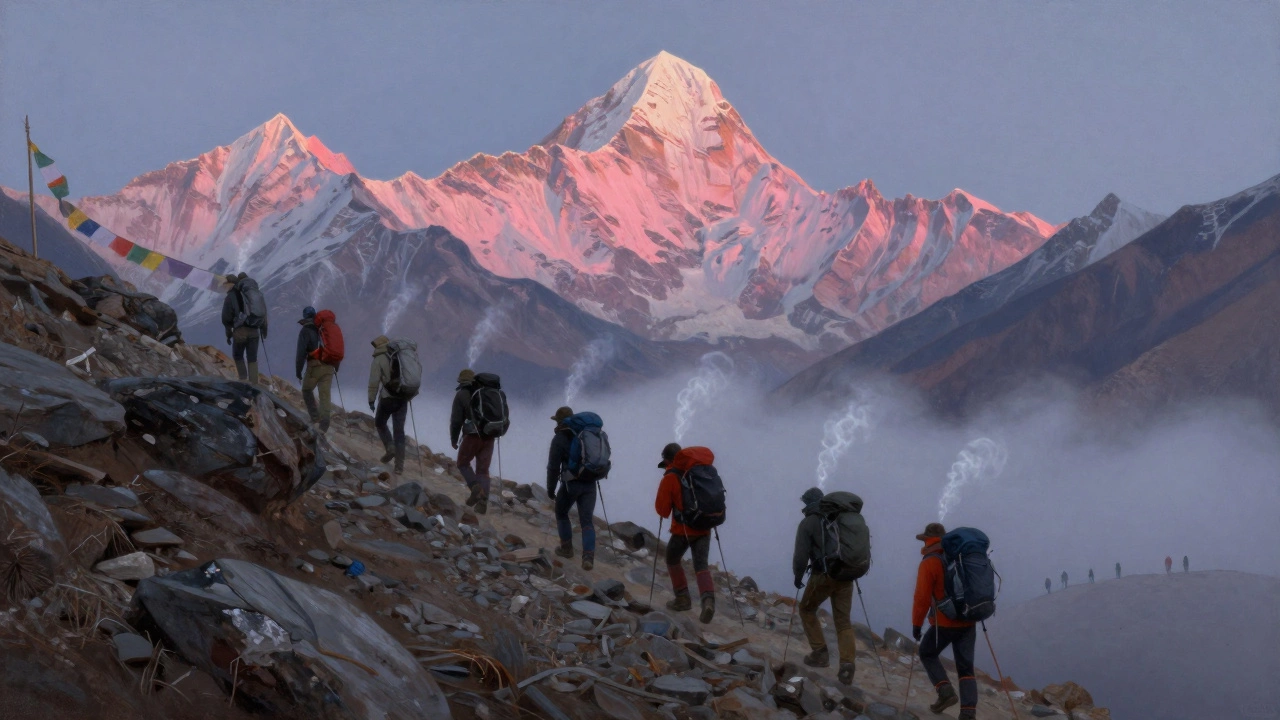
If Patagonia is about wind and wildness, Nepal is about altitude and endurance. The Himalayas don’t have trails-they have routes. And those routes are carved into rock, ice, and dirt by centuries of foot traffic, none of it modern. The Annapurna Circuit isn’t just a trek. It’s a 160-mile journey that takes you from subtropical valleys to the Thorong La Pass at 5,416 meters. At that height, oxygen is thin. Your head pounds. Your lungs burn. And every step feels like dragging your body through wet sand.
What makes Nepal more dangerous than Everest Base Camp? It’s the unpredictability. Landslides wipe out trails without warning. Bridges collapse after monsoons. Teahouses close when snow blocks the roads. In 2023, a group of six trekkers from Germany got stuck for seven days near Manang after a sudden blizzard. They survived by melting snow for water and sharing a single sleeping bag. No one came to rescue them. They walked out on their own when the weather broke. That’s the reality of adventure here: you’re on your own until you’re not.
And then there’s the culture. You pass villages where people have never seen a foreigner. Children wave. Elders offer tea. You don’t just see mountains-you live among them. The Sherpa guides who lead you don’t just know the trails. They know the spirits of the peaks. They say the mountains decide who gets through. You don’t conquer them. You earn your way.
Antarctica: The Only Place Left That Doesn’t Want You
Antarctica isn’t a destination. It’s a declaration. It’s the only continent on Earth with no hotels, no roads, no permanent residents. The only people who go are scientists, expedition crews, and adventurers who’ve saved for years just to stand on ice that’s never been touched by human feet. The journey alone is brutal. You cross the Drake Passage, where waves can hit 15 meters high. Many travelers spend two days vomiting in their cabins. Then you land on the peninsula, where temperatures stay below -10°C even in summer.
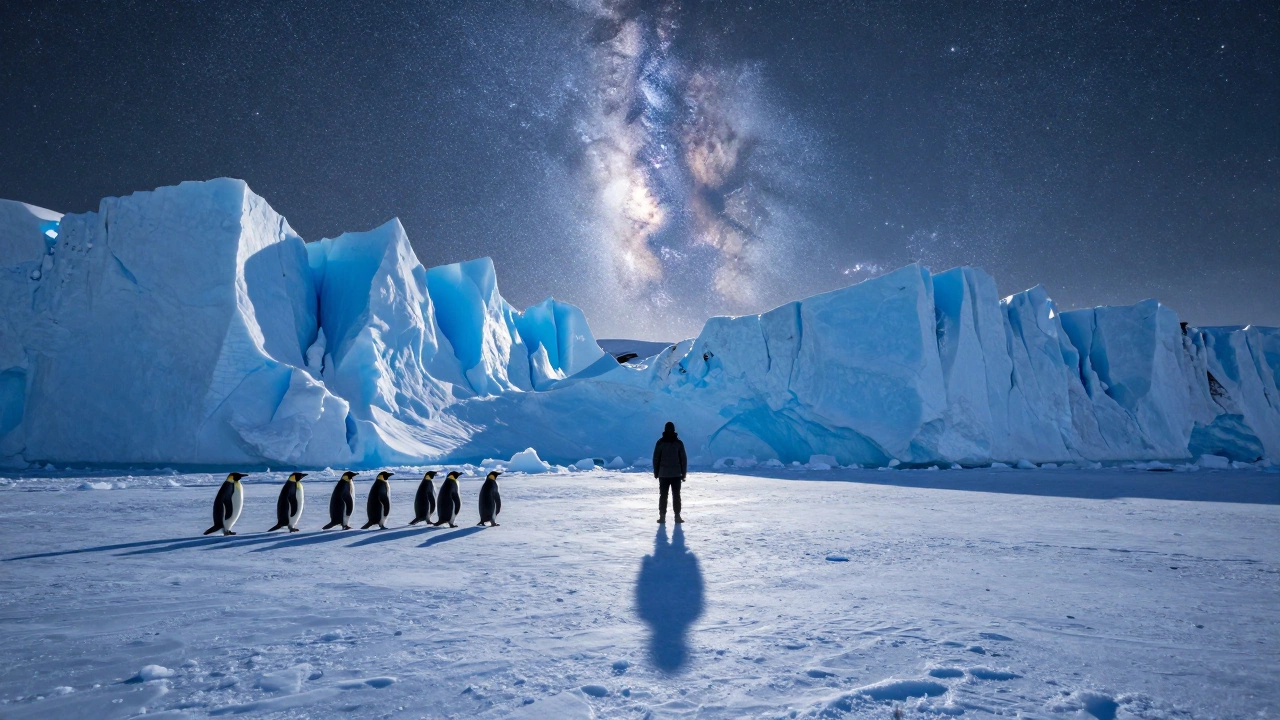
Here, the adventure isn’t about climbing or hiking. It’s about presence. You kayak past glaciers the size of cities. You watch penguins waddle like drunk toddlers. You stand on a beach where seals sleep inches from your boots. And then you realize: you’re the only human for miles. No cell service. No Wi-Fi. No noise but the crack of ice and the cry of seabirds. In 2025, only 7,500 tourists visited Antarctica. That’s fewer than visit Niagara Falls in a single weekend.
What makes it the most adventurous? It’s the isolation. There’s no safety net. No emergency services. No backup. If you fall through thin ice, no one hears you scream. If your boots freeze to the ground, you walk barefoot. You don’t go to Antarctica to check a box. You go because you need to know what it feels like to be truly, utterly alone in the most extreme place on Earth.
Why These Places Win Over the Rest
You could say Borneo’s jungles are wild. Or that the Sahara’s dunes are endless. Or that the Arctic Circle is cold. But those places still have infrastructure. Tour operators. GPS signals. Helicopter evacuations. Patagonia, Nepal, and Antarctica don’t. They don’t want you there. And that’s the point.
Adventure isn’t about the thrill. It’s about the risk. And the risk isn’t just physical-it’s psychological. It’s the moment you realize you’re not in control. That nature doesn’t care about your Instagram profile. That your phone is useless. That your comfort zone is a myth.
Most people who say they want adventure end up on guided tours with hot meals and heated tents. That’s not adventure. That’s tourism with a backpack. Real adventure doesn’t come with a tour guide. It comes with silence. With fear. With the quiet understanding that you’re small, and the world is vast.
What You Need to Know Before You Go
If you’re serious about chasing the most adventurous place on Earth, here’s what you actually need:
- Physical prep: Train for 6+ months. Hike with a 20kg pack. Do stair climbs with weight. Build endurance, not just strength.
- Gear that won’t fail: Don’t buy cheap. Your boots, sleeping bag, and down jacket need to survive -30°C and torrential rain. Brands like Arc’teryx, Mountain Equipment, and Rab aren’t expensive-they’re essential.
- Insurance that covers you: Standard travel insurance won’t cut it. You need policies that cover high-altitude trekking, helicopter evacuations, and remote rescue. World Nomads and Allianz Global Assistance are two that do.
- Leave no trace: In these places, every piece of trash you leave becomes part of the ecosystem. Pack out everything. Even biodegradable stuff.
- Go with a group or guide: Solo travel here isn’t brave-it’s reckless. Find a reputable operator with local knowledge. In Nepal, use guides certified by the Nepal Mountaineering Association. In Patagonia, go with companies like Mountain Travel Sobek. In Antarctica, only book with IAATO-approved expeditions.
The Truth About the Most Adventurous Place
There’s no official ranking. No medal for who’s been to the wildest spot. The truth is, the most adventurous place isn’t a location. It’s the moment you decide to go anyway-even when your body says no, even when your mind screams to turn back. It’s the silence after you’ve climbed the last ridge and realize you’ve never felt more alive.
Patagonia, Nepal, Antarctica-they’re not destinations. They’re mirrors. They show you who you are when everything else is stripped away. And that’s why people keep coming back. Not for the photos. Not for the bragging rights. But because once you’ve stood where the wind doesn’t care if you live or die, you can never go back to being the same person.
Is Patagonia the most dangerous place to travel?
Patagonia isn’t the most dangerous-it’s the least forgiving. There are no rescue teams on standby, weather changes in minutes, and trails vanish under snow. But deaths are rare because most people who go are well-prepared. The danger isn’t from animals or crime-it’s from underestimating the environment.
Can you go to Antarctica without a tour?
No. Antarctica is governed by international treaties that require all visitors to be part of approved expeditions. Solo travel is banned for safety and environmental reasons. Only IAATO-certified operators can land passengers, and they must carry emergency gear and medical support.
What’s the cheapest way to experience real adventure?
Nepal’s Annapurna region offers the most affordable access to extreme adventure. A 14-day trek with a local guide costs around $500-$800, including food and basic lodging. You don’t need fancy gear-just good boots, a warm jacket, and a headlamp. The cost isn’t the barrier. The physical and mental challenge is.
Are there any places more adventurous than these three?
There are wilder places-like the Amazon’s uncharted tributaries, the Russian Far East’s frozen tundra, or the deep caves of Papua New Guinea. But none match the combination of accessibility, scale, and rawness of Patagonia, Nepal, and Antarctica. These are the last places where adventure still has teeth.
Do you need to be an elite athlete to tackle these places?
No. You don’t need to be an Olympian. But you do need to be in solid shape. Most people who succeed are regular folks who trained for months-not pros. The key isn’t speed or strength. It’s endurance, mental toughness, and knowing when to stop. Many turn back not because they’re weak, but because they listened to their bodies.
What Comes Next?
If you’ve read this far and your heart is racing-not from fear, but from excitement-you already know the answer. You don’t need someone to tell you where to go. You just need to take the first step. Book the flight. Pack the boots. Say yes to the unknown. The world still has places that don’t care if you’re ready. And that’s exactly why they’re worth going to.