City Dating Difficulty Analyzer
Discover how difficult it is to find a serious partner in your city based on economic stress, digital saturation, and cultural barriers.
City Analysis
Your personalized dating landscape report
Overall Difficulty Index
Scale: 0% (Easy) to 100% (Extremely Hard)
Factor Breakdown
Strategic Recommendation
Analysis pending...
You swipe right. You match. You chat for three days. Then silence. If you live in a major metropolis, this loop feels less like romance and more like a part-time job you didn’t apply for. We often assume that big cities are playgrounds for singles-endless bars, apps buzzing with notifications, and millions of potential partners within miles. But the data tells a different story. Some places are statistically colder than others when it comes to forming lasting connections.
So, what is the hardest city to find love in? The answer isn’t just about bad luck; it’s about demographics, economics, and culture. When we look at recent sociological studies and dating app analytics from 2024 and 2025, a few names keep popping up as the "love deserts" of the modern world. It’s not always the place you’d expect.
The Tokyo Paradox: Connection Without Commitment
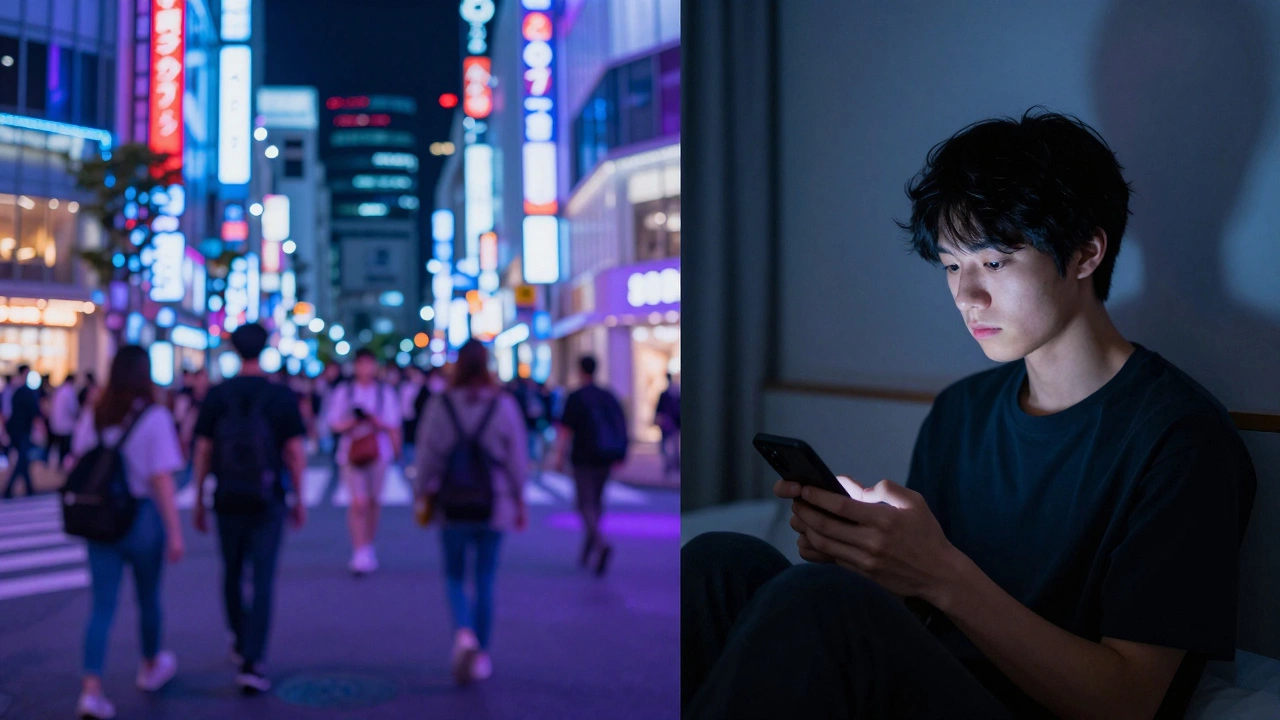
If you ask anyone who has lived in East Asia, Tokyo is a global hub known for its advanced technology, dense population, and unique social dynamics. On paper, Tokyo should be a paradise for daters. It has over 13 million residents in the central ward alone. Yet, consistently, surveys rank it among the most difficult places to find a serious partner.
Why? The concept of honke (public face) versus private life creates a barrier. People are polite but distant. There is also a significant cultural shift toward herbivore men and women prioritizing career stability over traditional marriage. According to Japan’s Ministry of Health, Labor and Welfare, the number of unmarried individuals aged 30-34 hit record highs in recent years. Many young adults simply opt out of the dating scene entirely, finding comfort in solo hobbies or virtual relationships rather than navigating the complexities of real-world romance.
- Social Barrier: High emphasis on group harmony makes individual courtship awkward.
- Digital Distraction: High usage of companion apps reduces desire for human partners.
- Work Culture: Long hours leave little energy for dating after work.
New York City: The Illusion of Choice
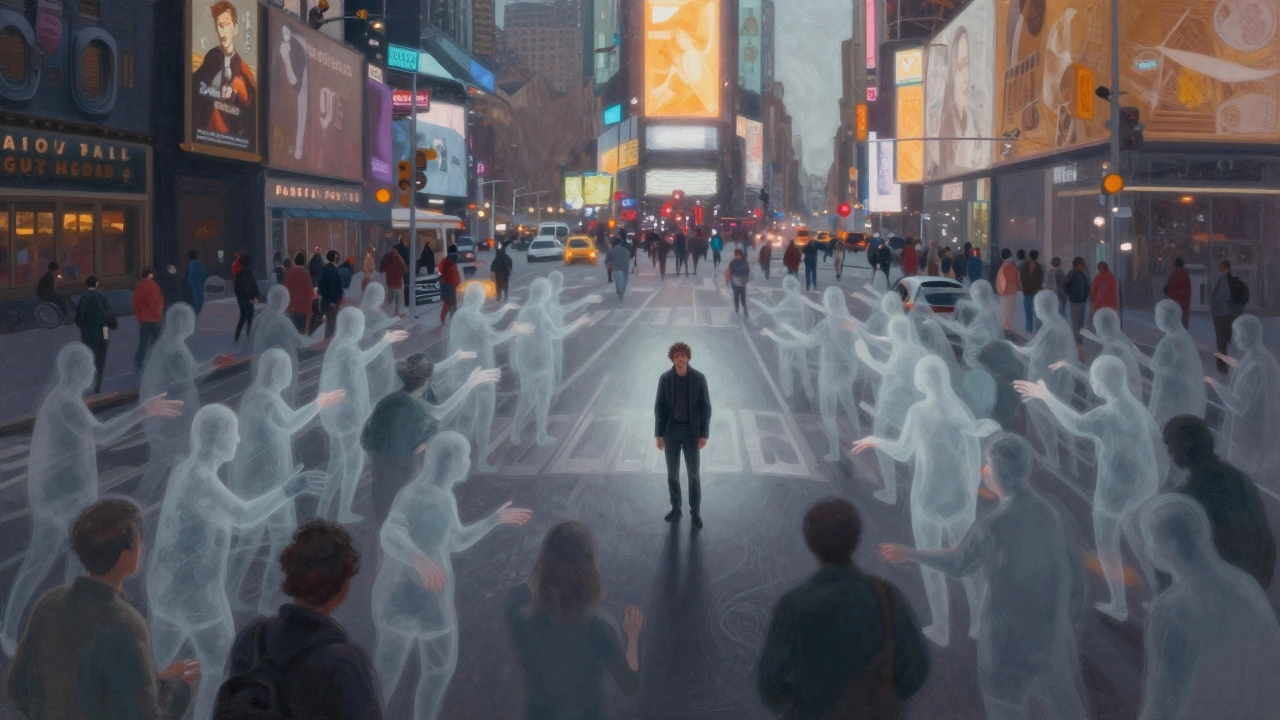
Then there is New York City, which is the most populous city in the United States, known for its fast-paced lifestyle and diverse population. NYC has long been dubbed the "loneliest city in America." A study by researchers at the University of Chicago found that despite having the highest density of singles, New Yorkers report lower levels of social integration than those in smaller towns.
The problem here is paradoxical: too many choices lead to decision paralysis. When you can meet someone new every weekend, you never feel compelled to invest deeply in one person. This is known as the "paradox of choice." Additionally, the cost of living in NYC forces many young professionals into cramped living situations or long commutes, leaving them exhausted. Dating becomes another transactional task rather than an emotional connection. You’re surrounded by people, yet profoundly alone.
| City | Primary Barrier | Average Time to Relationship | Social Interaction Level |
|---|---|---|---|
| Tokyo | Cultural Reserve | 18+ Months | Low (Public) |
| New York City | Choice Overload | 12-15 Months | High (Superficial) |
| London | Cost of Living | 10-12 Months | Medium |
| Berlin | Transience | 9-11 Months | Medium-High |
London: Expensive Intimacy
London is the capital of England, known for its rich history, cultural diversity, and high cost of living. While London has a vibrant nightlife, the financial pressure makes dating exhausting. A date night involving dinner and drinks can easily cost £100 per person. For millennials and Gen Z facing stagnant wages, this price tag filters out casual flings. People become selective, not because they are picky, but because they cannot afford to waste time on incompatible matches.
Furthermore, London’s transient nature plays a role. Many residents are expats or students on short-term visas. The fear of investing emotionally in someone who might move back to their home country in six months creates a defensive wall around hearts. You stay in your lane, enjoy the city, and avoid the heartbreak of a short-term romance.
Berlin: The Freedom Trap
In Europe, Berlin is the capital of Germany, renowned for its artistic community, nightlife, and liberal social attitudes. Berlin attracts creatives, digital nomads, and free spirits. Sounds romantic, right? Not necessarily. The very freedom that draws people to Berlin makes commitment rare. The culture celebrates independence above all else. Relationships are often viewed as restrictive rather than supportive.
Many singles in Berlin prioritize personal growth, travel, and career exploration over settling down. The dating pool is large, but the intent is low. You’ll find plenty of friends with benefits, but finding someone looking for a five-year plan is like finding a quiet moment in a techno club. The mindset is "now," not "forever."

Why Do These Cities Struggle?
It’s easy to blame the location, but the root causes are universal across these hard-to-love cities. Understanding these factors can help you navigate the landscape if you’re stuck in one of them.
- Economic Stress: When rent eats up 50% of your income, dating feels like a luxury. Financial insecurity breeds anxiety, which kills attraction.
- Digital Saturation: In tech hubs like San Francisco or Seattle, people are hyper-connected online but disconnected offline. Apps create a dopamine loop that makes real-life vulnerability feel risky.
- Urban Anonymity: In small towns, everyone knows your business. In big cities, no one cares. This anonymity is freeing but also isolating. There’s no community pressure to settle down, nor any support system to help you meet people organically.
How to Break the Cycle
If you live in one of these "hard" cities, don’t lose hope. The environment is tough, but it’s not impossible. You just need to change your strategy. Stop relying on chance encounters or endless swiping. Instead, build intentional communities.
Join niche groups. If you love hiking, join a local trail club. If you’re into art, attend gallery openings. Shared interests bypass the small talk and create immediate bonds. Also, consider lowering your expectations for the "perfect" first date. In high-pressure cities, we often treat dates like interviews. Relax. Aim for friendship first. Romance often follows shared laughter, not perfect resumes.
Finally, remember that being single in a difficult city doesn’t mean you’re unlovable. It means you’re in a market with specific challenges. Adapt your approach, stay open, and don’t let the stats define your love life.
Is Tokyo really the hardest city to find love in?
Tokyo frequently ranks high due to cultural norms that prioritize privacy and career over public courtship. The phenomenon of 'herbivore men' and the rise of solo lifestyles make initiating relationships socially complex compared to Western cities.
Why is New York City considered lonely despite having so many people?
New York suffers from the 'paradox of choice.' With millions of potential partners, people struggle to commit to one. Additionally, the fast-paced lifestyle and high cost of living limit the time and energy available for building deep social connections.
Does cost of living affect dating success?
Yes. In expensive cities like London and San Francisco, the financial burden of dating can deter casual interactions. People become more selective to avoid wasting money on incompatible matches, leading to fewer opportunities for organic connection.
Are there any cities where it's easier to find love?
Smaller cities and mid-sized towns often have higher rates of relationship formation. Communities are tighter, social circles overlap more, and there is less 'choice overload,' encouraging people to invest in local connections.
How can I improve my chances in a difficult dating city?
Focus on shared interest groups rather than general dating apps. Join clubs, classes, or volunteer organizations related to your hobbies. This creates natural bonding opportunities based on common values rather than superficial attraction.