Holiday Shopping Budget Calculator
Enter your details and click calculate to see your holiday spending status.
- Calculate your budget to receive personalized tips.
Walk into any mall in November, or just scroll through your phone on a Tuesday in late autumn, and you will feel it. The air gets thick with urgency. Emails pile up with promises of "once-in-a-lifetime" discounts. Friends talk about camping out in lines. But which day actually holds the crown for the most money spent by shoppers?
If you are looking for a single answer, it is Black Friday. However, the reality is more complex. The biggest spending period is no longer just one day; it is a multi-week event that stretches from Thanksgiving through Christmas. Understanding how this spending machine works can help you save money instead of losing it.
The Undisputed King: Black Friday
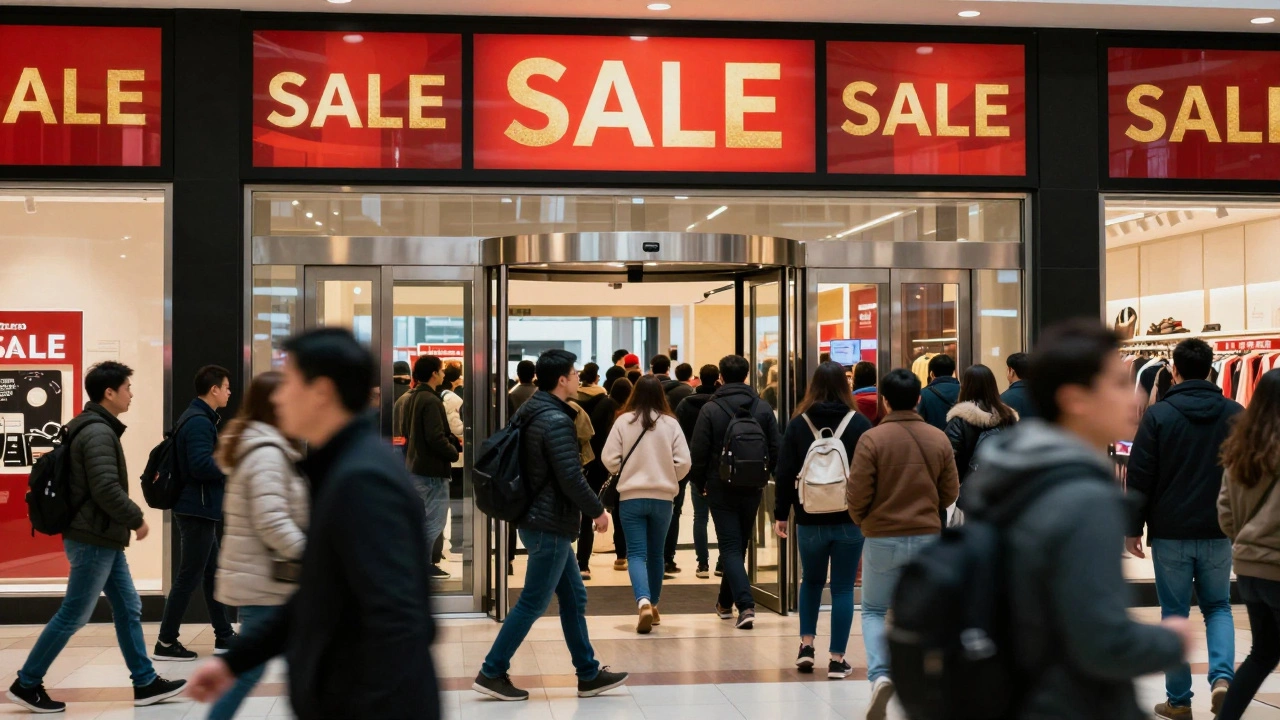
When people ask what the biggest spending holiday is, they are usually thinking of Black Friday. This day, the first Friday after Thanksgiving in the United States, has become a global phenomenon. It marks the unofficial start of the holiday shopping season.
Black Friday is a major shopping event held on the day after Thanksgiving in the United States, known for deep discounts and high consumer traffic. Historically, it was named because retailers finally moved from being "in the red" (losses) to "in the black" (profits) for the year. Today, it is less about accounting and more about volume.
In recent years, Black Friday sales have consistently topped charts. For example, during the 2025 holiday season, U.S. consumers spent over $9 billion online alone on Black Friday. When you add in brick-and-mortar store visits, the total exceeds $10 billion in a single day. That is a staggering amount of cash changing hands in twenty-four hours.
Why is it so big? It starts with psychology. Shoppers are conditioned to expect doorbusters-items sold at a loss to draw crowds. A television might be marked down by 40%, pulling you into the store where you end up buying a new vacuum cleaner and a winter coat. Retailers know this. They design their layouts and promotions to maximize impulse buys.
The Digital Challenger: Cyber Monday
If Black Friday is the king of physical stores, Cyber Monday is its digital counterpart. Created in 2005 by the National Retail Federation, this day was designed to encourage online shopping. It falls on the first Monday after Thanksgiving, giving people a reason to log on when they return to work.
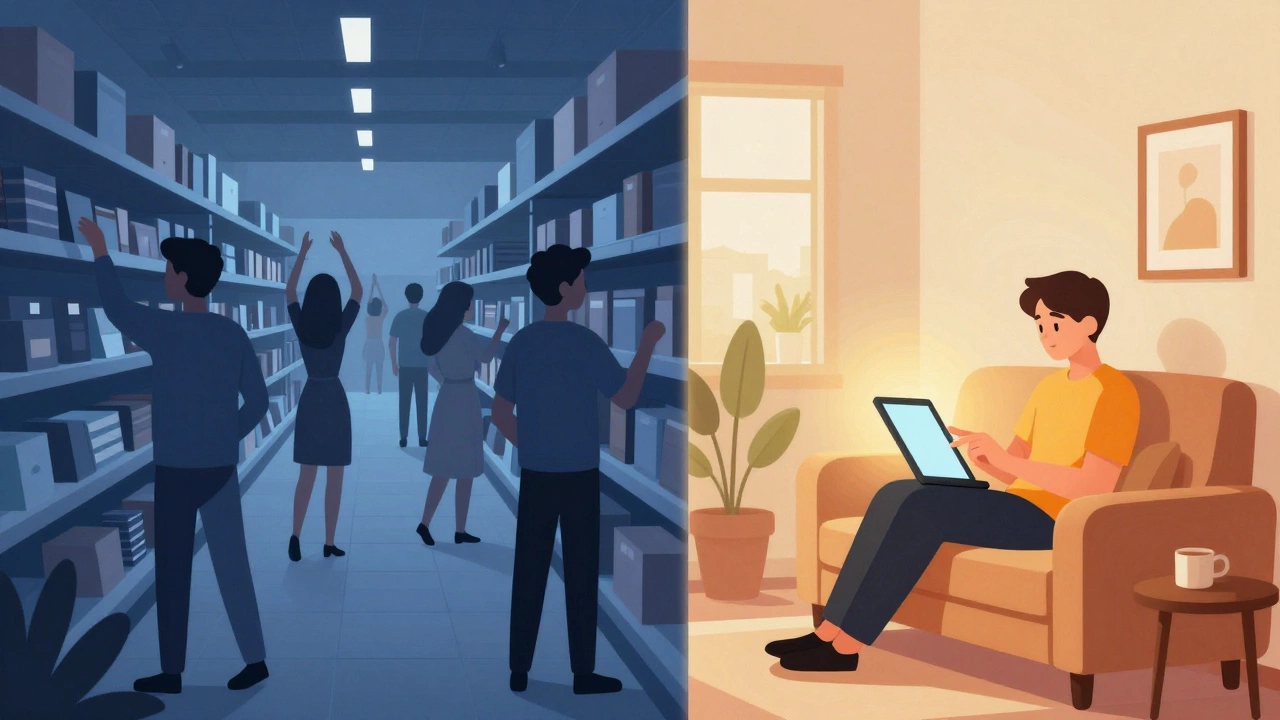
Cyber Monday has grown massively. In 2025, online sales on Cyber Monday reached nearly $12 billion. While Black Friday often sees higher overall foot traffic, Cyber Monday frequently outsells it in pure e-commerce revenue. The convenience factor is huge. You do not need to fight crowds or wait in line. You just click "buy."
This shift reflects a broader trend. More consumers prefer the comfort of home shopping. Retailers have adapted by offering exclusive online codes and free shipping thresholds. If you are tech-savvy and patient, Cyber Monday often offers better deals on electronics, software, and fashion than the chaotic morning rush of Black Friday.
The Real Winner: The Entire Holiday Season
Focusing only on Black Friday or Cyber Monday misses the bigger picture. The true "biggest spending holiday" is the entire holiday season, which runs from mid-November to December 31. This period accounts for roughly 25% to 30% of all annual retail sales in North America.
Think about it. Black Friday is just the opening act. The real spending happens in December. People buy gifts for family, host parties, decorate homes, and travel. The cumulative effect dwarfs any single day. In 2025, total holiday retail sales exceeded $1 trillion in the U.S. alone.
This matters because it changes how you should approach budgeting. If you think you can handle a few big purchases on Black Friday and then stop, you will likely overspend later. The pressure builds every week. Ads get louder. Social media shows everyone else’s hauls. It is a marathon, not a sprint.
Global Expansion: Beyond the U.S.
Originally an American tradition, Black Friday and Cyber Monday have gone global. Countries like Canada, the UK, Australia, and even parts of Europe now participate. In Toronto, where I live, local malls open early, and Canadian retailers match U.S. prices to stay competitive.
This expansion has diluted the uniqueness of the event. What was once a special day is now a month-long sale. Some countries have created their own alternatives. For instance, China has Singles’ Day on November 11, which often surpasses Black Friday in global sales volume. India has Big Billion Days. These events show that the desire for a massive shopping holiday is universal, but the dates and names vary.
For international travelers, this means opportunities. If you are planning a trip abroad during this time, you can find significant discounts on local goods. However, be aware of import taxes and shipping costs if you try to bring items back home.
How to Shop Smart During Peak Seasons
Knowing that Black Friday and the holiday season drive the most spending does not mean you have to spend the most. Here is how to navigate the chaos without breaking the bank.
- Make a list before you go. Impulse buying is the enemy. Write down exactly what you need and stick to it. If it is not on the list, leave it behind.
- Track prices. Use browser extensions or apps that monitor price history. Many retailers inflate prices before marking them down. You need to know if a "50% off" deal is actually a good deal.
- Set a budget. Decide how much you can afford to spend on gifts and personal items. Separate this money into a specific account or envelope. Once it is gone, stop shopping.
- Compare online and offline. Sometimes the best price is in-store. Other times, it is online. Check both before committing. Remember to factor in shipping costs and return policies.
- Avoid debt. Credit cards offer rewards, but they also charge interest. If you cannot pay off the balance immediately, do not use the card. The interest will far outweigh any discount you got.

The Environmental and Social Cost
We often overlook the hidden costs of these spending holidays. The surge in demand leads to increased production, packaging, and shipping. This contributes to waste and carbon emissions. Fast fashion brands, for example, ramp up production to meet Black Friday demand, leading to lower quality garments that end up in landfills quickly.
There is also a human cost. Workers in warehouses and retail stores face immense pressure during this season. Long hours, tight deadlines, and high stress are common. Supporting ethical brands and buying second-hand can mitigate some of these issues. Consider gifting experiences rather than things. A concert ticket or a cooking class creates memories without adding to clutter.
Comparison: Black Friday vs. Cyber Monday
| Feature | Black Friday | Cyber Monday |
|---|---|---|
| Primary Focus | In-store and Online | Online Only |
| Best For | Electronics, Appliances, Doorbusters | Fashion, Travel, Digital Goods |
| Crowd Level | High (Physical Stores) | Low (Virtual) |
| Typical Discounts | Deep, Limited Stock | Moderate, Wide Selection |
| Convenience | Lower (Travel, Lines) | Higher (Shop from Home) |
Looking Ahead: Trends for 2026 and Beyond
The definition of the biggest spending holiday continues to evolve. With the rise of social commerce, platforms like TikTok and Instagram are becoming major sales channels. Live streaming events, where hosts demonstrate products in real-time, are gaining popularity. This blurs the line between entertainment and shopping.
Also, retailers are extending the sale periods. "Black November" is becoming a thing, with deals starting weeks before the actual day. This dilutes the urgency but keeps consumers engaged longer. As an shopper, you need to be vigilant. Just because something is on sale does not mean it is the best time to buy.
Sustainability is also driving change. More consumers are demanding transparency. Brands that highlight eco-friendly practices or charitable donations during these sales may attract loyal customers. Expect to see more "green" initiatives alongside traditional discounts.
Is Black Friday always the biggest shopping day?
Traditionally, yes. Black Friday has historically been the highest-spending single day for retail. However, Cyber Monday is catching up in online sales, and the entire holiday season collectively generates far more revenue than any single day.
Does Canada have Black Friday?
Yes, Canada participates in Black Friday and Cyber Monday. Major retailers in cities like Toronto and Vancouver offer significant discounts to compete with U.S. prices. It has become a major shopping event in Canada over the last decade.
Are Black Friday deals really the best prices of the year?
Not always. While many genuine deals exist, some retailers inflate prices before the sale to make the discount look larger. It is crucial to track prices beforehand using comparison tools to ensure you are getting a true bargain.
What is the difference between Black Friday and Cyber Monday?
Black Friday focuses on both in-store and online shopping, often featuring doorbuster deals on physical goods. Cyber Monday is exclusively online, focusing on digital goods, fashion, and travel deals. Cyber Monday is generally more convenient for remote shoppers.
How can I avoid overspending during the holiday season?
Create a strict budget and stick to it. Make a gift list before you start shopping. Use price-tracking tools to verify discounts. Avoid using credit cards if you cannot pay the balance immediately. Focus on needs rather than wants.