Summer Destination Comfort Calculator
Your Preferences
Results
Let's find your perfect summer destination...
Your ideal summer getaway depends on your comfort preferences. Based on your inputs, here's what we recommend...
Comfort Level
When the heat hits and you need to escape the daily grind, not all summer getaways are created equal. Some places are packed with crowds, others are too hot to breathe, and a few just don’t deliver on the promise of relaxation or adventure. So what’s the real best state to visit in summer? It depends on what you’re after-but if you want a mix of cool breezes, outdoor fun, and zero stress, there’s one clear winner: Maine.
Maine: Where the Coast Meets the Woods
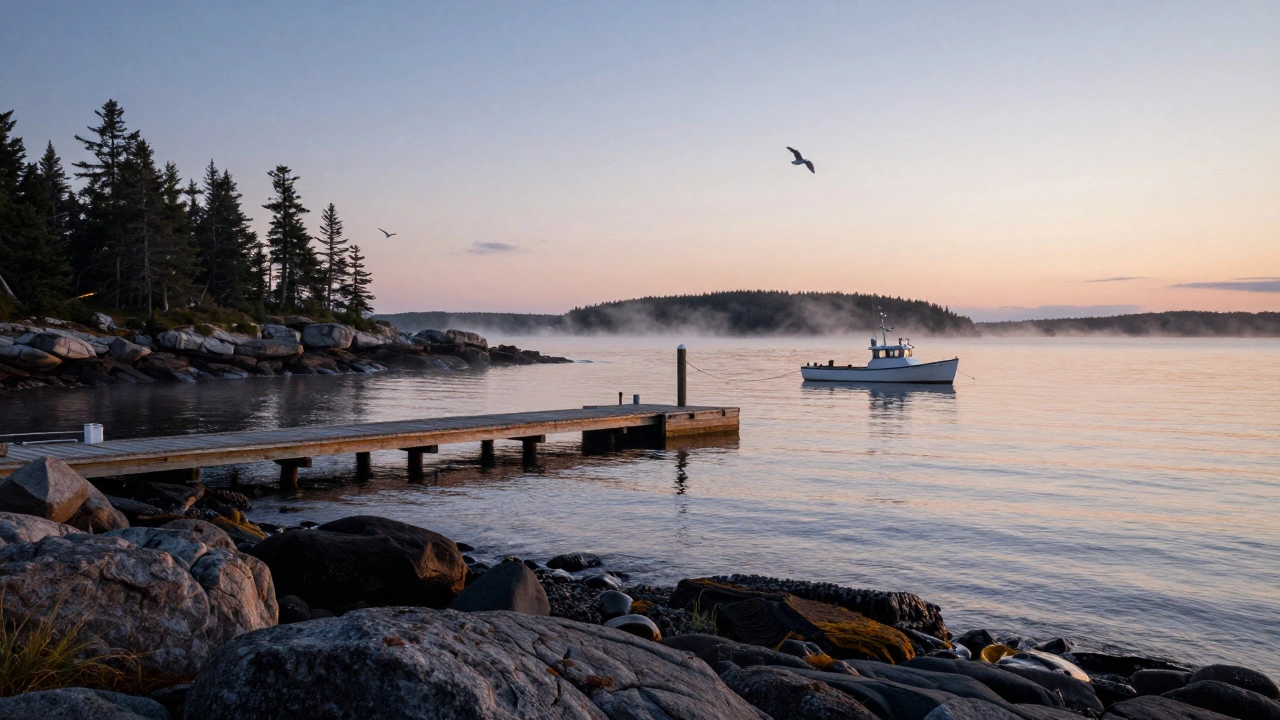
Maine doesn’t just have beaches-it has 3,478 miles of them, most of them rocky, wild, and uncrowded. Think lobster rolls eaten on a dock while gulls circle overhead, not crowded boardwalks with overpriced ice cream. Acadia National Park is your playground: hike Precipice Trail at sunrise, kayak in Somes Sound, or bike the historic carriage roads as the fog burns off. Temperatures stay in the low 70s°F even in July, and humidity? Barely there.
Unlike Florida or Georgia, where summer means sticky air and afternoon thunderstorms, Maine’s coastal breeze keeps things fresh. You’ll find small towns like Bar Harbor and Camden where locals still fix their own boats and restaurants serve seafood caught that morning. No chains. No lines. Just salt air and quiet.
Colorado: Mountains, Not Sweat
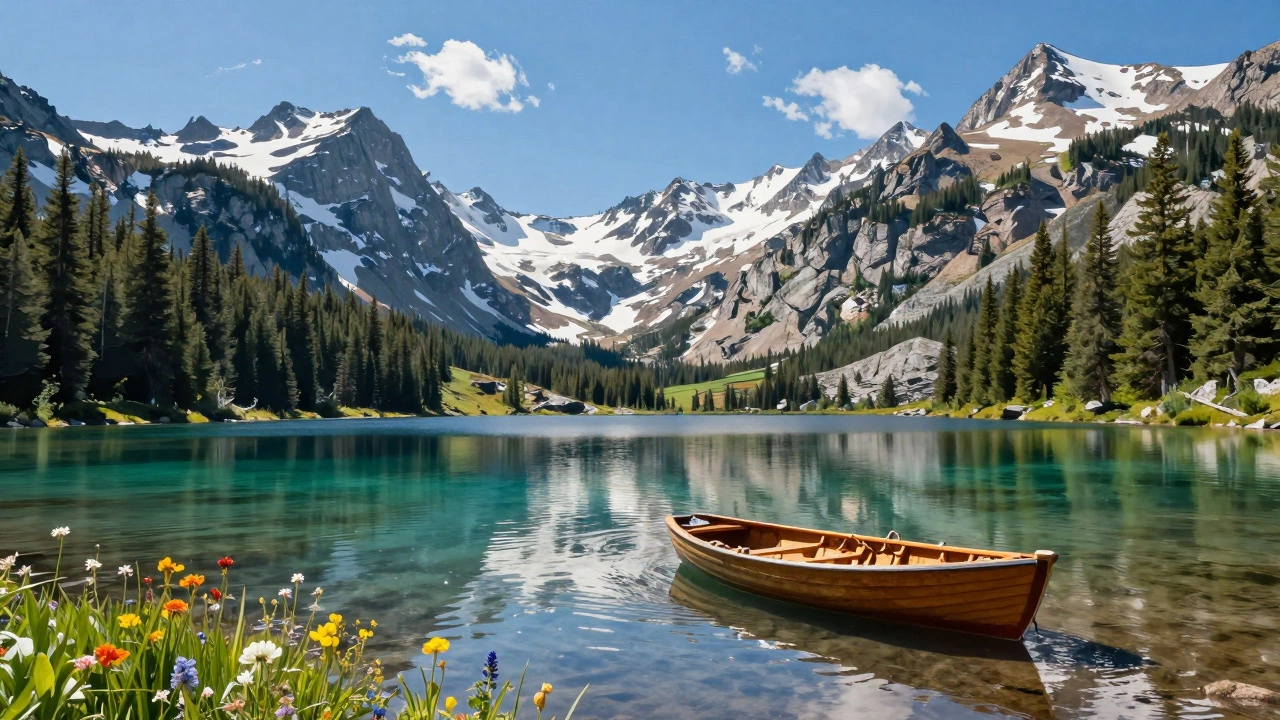
If you hate humidity and crave altitude, Colorado is your summer sanctuary. Denver sits at 5,280 feet, and the mountain towns-Boulder, Estes Park, Telluride-are even higher. The air is crisp, the skies are blue, and the snowmelt feeds rivers perfect for rafting or fly-fishing. Hike to Emerald Lake in Rocky Mountain National Park, ride the cog railway up Pikes Peak, or spend an afternoon floating down the Arkansas River.
Daytime highs hover around 80°F, but nights drop into the 50s. You’ll need a light jacket even in July. And unlike Arizona, where the desert bakes at 110°F, Colorado’s elevation keeps things livable. Plus, you can escape the crowds by heading to lesser-known spots like Ouray or Crested Butte-places where you’ll still find real cowboys and zero selfie sticks.
Michigan: Lakes That Feel Like the Ocean
Most people forget Michigan is a state with over 3,000 miles of freshwater shoreline. Lake Michigan’s dunes at Sleeping Bear Dunes National Lakeshore rival any beach in Florida, but without the mosquitoes, the crowds, or the $20 parking fees. Swim in water so clear you can see your toes 10 feet down. Walk through forests of pine and maple that smell like a spa retreat.
Grand Traverse Bay is perfect for kayaking. Traverse City’s cherry orchards burst in June, and you can still find fresh pies in July. The Upper Peninsula? Untouched. No traffic lights. No chain hotels. Just lighthouses, wild blueberries, and the sound of loons echoing across the water at dusk.
Washington: Rainforest Cool and City Vibes
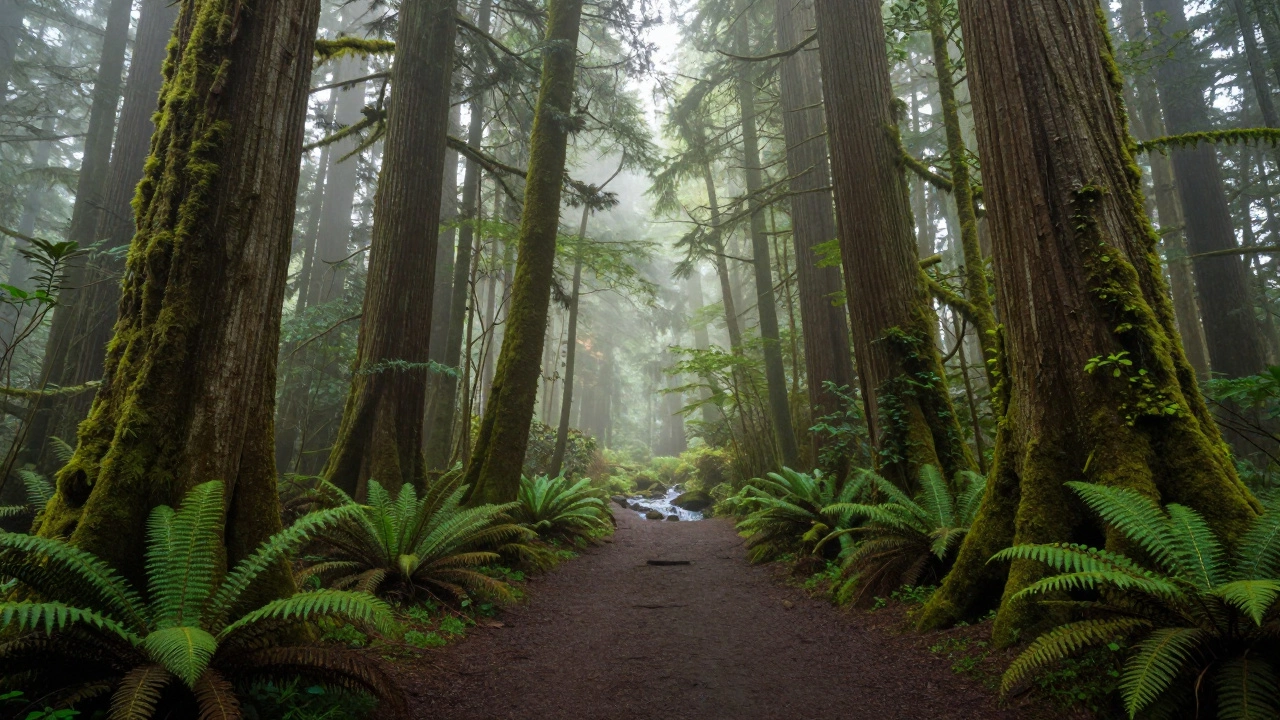
Washington state gives you two summers in one. In Seattle, you get craft beer, farmers’ markets, and the Space Needle with a view of Mount Rainier. Then, an hour’s drive west, you’re in Olympic National Park-where it rains 140 inches a year, and the moss hangs thick on ancient trees. The Hoh Rainforest feels like another planet: cool, green, and silent except for the trickle of streams.
Temperatures stay in the mid-70s°F even in peak summer. No swelter. No humidity. Just misty mornings and crisp evenings. You can hike to Sol Duc Falls, kayak in Puget Sound, or sip wine in the Columbia River Gorge-all without breaking a sweat.
Wyoming: Wild and Empty
If you want to feel truly alone in nature, Wyoming is your answer. Yellowstone and Grand Teton National Parks are the stars, but they’re not the whole story. The roads are wide, the skies are endless, and the bison still cross highways like they own them. Stay in Jackson Hole, hike to Jenny Lake, or float the Snake River on a tube as eagles glide overhead.
Daytime temps hit 85°F, but the dry air makes it feel like 75. Nights are chilly. You’ll need layers. But you won’t see a single tourist trap. No souvenir shops selling $15 T-shirts. Just open land, star-filled nights, and the kind of quiet that resets your brain.
What States to Skip in Summer?
Not all states shine when the sun’s high. Florida? Humidity so thick you can chew it. Texas? Heat indexes that hit 115°F. California’s inland valleys? Forget it-Los Angeles and San Bernardino are oven-like. Even Georgia and South Carolina, while pretty, turn into swampy messes by mid-July.
And don’t fall for the myth that “all beaches are equal.” The Atlantic coast from North Carolina to New Jersey gets packed by Memorial Day. Parking costs $50. Beach chairs are rented out by the hour. You’re not relaxing-you’re surviving.
What You Really Need for a Great Summer Getaway
It’s not about the state. It’s about the experience. Here’s what works:
- Cooler temps-ideally under 80°F during the day
- Low humidity-dry air makes heat bearable
- Outdoor access-hiking, water, forests, not just pools
- Low crowds-avoid places where Airbnb prices triple in July
- Local food-fresh fish, berries, cheese, not tourist menus
Maine, Colorado, Michigan, Washington, and Wyoming all hit every point. They’re not the most advertised. They’re not the most Instagrammed. But they’re the ones where you actually come back relaxed.
How to Plan Your Trip
Book early. Not because it’s expensive-though it helps-but because the good cabins, campsites, and B&Bs in these states get snapped up by June. Use Recreation.gov for national park camping. Book rentals through local operators, not big platforms. Call ahead to ask if the local market has fresh berries or if the kayak rentals are open.
Pack light: breathable layers, sturdy shoes, a reusable water bottle, and sunscreen. Leave the fancy outfits at home. You won’t need them.
What to Do If You Can’t Get Away
Not everyone can take a week off. But even a weekend works. Drive to a nearby state park. Find a lake within 3 hours. Sleep in a cabin. Wake up to birds, not alarms. Cook over a fire. Eat something simple. That’s the real summer getaway-not the destination, but the reset.
Is Maine really the best state to visit in summer?
Yes, for most people. Maine offers cool temperatures, stunning natural beauty, and few crowds compared to coastal hotspots like Florida or California. Its combination of ocean, forests, and small-town charm makes it ideal for a true summer escape without the usual tourist traps.
What’s the cheapest state to visit in summer?
Michigan is often the most budget-friendly. State parks have low camping fees, and towns like Traverse City offer affordable lodging and local food. You can get a cabin on a lake for under $150 a night in July if you book early. Colorado and Wyoming are pricier due to tourism demand, but still cheaper than Florida or California.
Are national parks crowded in summer?
Yes, but not everywhere. Yellowstone and Acadia get packed, especially on weekends. To avoid crowds, go midweek, arrive before 8 a.m., or head to lesser-known areas like the North Fork of the Flathead in Montana or the Porcupine Mountains in Michigan. Many parks now require timed entry-book ahead.
Can I visit these states on a weekend trip?
Absolutely. All five states are reachable within a 10-hour drive from major Midwest and Northeast cities. Detroit to Traverse City? 4 hours. Toronto to Bar Harbor? 7. Chicago to Colorado Springs? 12, but you can fly for under $150. Even a Friday night to Sunday evening works if you plan smart.
What’s the best time in summer to visit these states?
Late June to mid-July is ideal. The weather is warm but not peak-hot, kids are still in school (so fewer families), and everything’s open. Avoid Fourth of July weekend-everything books up and prices spike. Late August brings cooler nights and fewer bugs, but some places start closing by Labor Day.
Final Thought: Summer Isn’t About the Heat
The best summer trips aren’t the ones where you tan your skin. They’re the ones where you feel your lungs expand again. Where you wake up without an alarm. Where you eat food that tastes like it came from the ground, not a factory. Maine, Colorado, Michigan, Washington, and Wyoming give you that. Not because they’re perfect-but because they’re real. And in a world full of noise, that’s the rarest thing of all.