
Last-Minute Vacation Cost Calculator
Enter Your Travel Details
How This Works
Based on data from Expedia (2025) and Canadian Tourism Board (2025), last-minute bookings often offer 32% average price drops for flights within 7 days of departure. However, last-minute travelers spend 22% more per day due to impulse spending.
Your Last-Minute Vacation Estimate
When you hear "last-minute vacation," you might picture someone frantically booking a flight at 2 a.m. with a half-empty suitcase. But that’s not the whole story. A last-minute vacation isn’t just about how close you are to departure-it’s about last minute vacation planning, flexibility, and the kind of travel that happens when you say "yes" before you’ve had time to overthink it.
How Late Is "Last Minute"?
There’s no official rule, but most travel agencies and booking platforms define a last-minute vacation as one booked within 14 days of departure. Some even narrow it down to 7 days or less. In practice, though, it’s more about context. A weekend trip to Montreal booked on a Tuesday for Friday? That’s last-minute. A two-week trip to Costa Rica booked three weeks ahead but only because you got a surprise bonus? Also last-minute.
The real marker isn’t the calendar-it’s the mindset. Last-minute travel happens when you’re not following a plan. You didn’t save for months. You didn’t compare 17 hotels. You saw a deal, checked your calendar, and clicked "book." That’s the heart of it.
Why Do People Choose Last-Minute Vacations?
It’s not just about being spontaneous. People choose last-minute trips for very real reasons:
- Stress relief - After a tough work week or a family conflict, some people need to get out fast. A 48-hour escape to a cabin in the Muskokas beats waiting three weeks for a "perfect" trip.
- Unexpected free time - A coworker calls in sick, your kid’s school closes early, or you get an unexpected day off. You don’t have time to plan, so you grab what’s available.
- Price drops - Airlines and hotels often slash prices 7-14 days out to fill empty seats and rooms. In January 2025, Expedia reported a 32% average price drop for flights booked within 7 days of departure.
- Adventure appeal - Some travelers thrive on the unpredictability. Not knowing the exact itinerary, the weather, or even the hotel name adds a thrill you can’t get from a meticulously planned itinerary.
According to a 2024 survey by Travel Pulse, 41% of Canadians aged 25-45 have taken at least one last-minute trip in the past year. The biggest drivers? Work burnout and weather changes. One respondent said, "I didn’t know I needed snow until I saw a deal for Banff. I left the next morning."
What Makes a Trip "Last-Minute" vs. Just Spontaneous?
Not every unplanned trip is last-minute. There’s a difference between:
- Last-minute: Booking a flight 3 days before departure because you have no other options. You’re reacting to a situation.
- Spontaneous: Deciding on a road trip to Niagara Falls because you feel like it, but you’ve got two weeks to plan, pack, and book.
True last-minute travel often means:
- Booking with non-refundable rates
- Accepting whatever room or seat is left
- Not checking reviews
- Traveling with carry-on only
It’s not romantic. It’s practical. You’re not trying to create a perfect memory-you’re trying to escape a bad one.
Where Are Last-Minute Vacations Most Common?
Some destinations are built for last-minute bookings. In Canada, these spots see the biggest spikes in short-notice travelers:
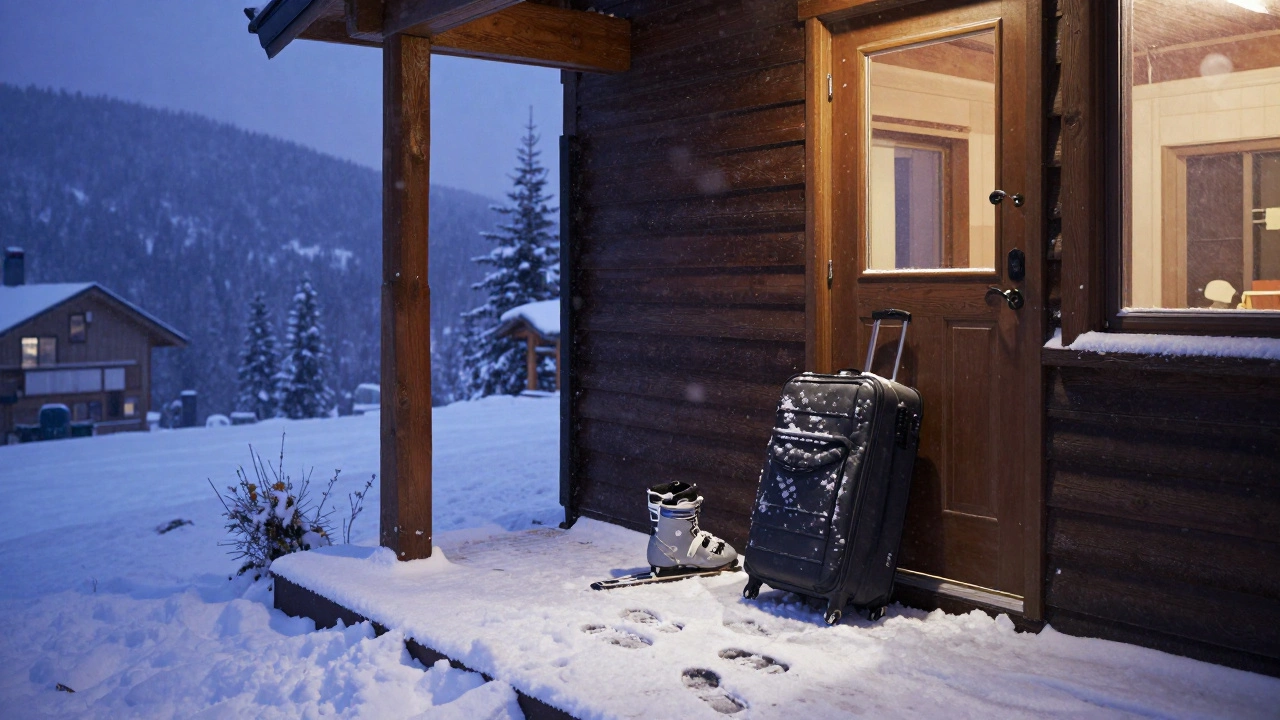
- Whistler, BC - Ski packages drop 40% if booked under 7 days. Many people show up with just ski boots and a coat.
- Prince Edward Island - Summer cottages open last-minute slots when cancellations happen. You can book a beachside cabin on a Friday for Sunday.
- Quebec City - Winter festivals often have walk-in hotel deals. No advance planning needed.
- Winnipeg to Toronto flights - Air Canada and WestJet frequently offer $99 one-way fares 5-7 days out.
These places don’t just allow last-minute travel-they encourage it. Their business models rely on filling empty beds and seats that would otherwise go unused.
What You Should Know Before Booking
Last-minute doesn’t mean reckless. There are smart ways to do it:
- Use price-tracking tools - Sites like Hopper, Google Flights, and Kayak show you if today’s price is low for that route. If it’s at the 30-day low, it’s probably a good deal.
- Book refundable if possible - Even if it costs $20 more, a refundable rate gives you breathing room. Life changes fast.
- Check cancellation policies - Some resorts and tour operators have 48-hour cancellation windows. That’s your safety net.
- Don’t skip travel insurance - Last-minute trips are more likely to get disrupted. A $40 policy can cover a missed flight or sudden illness.
- Pack light - You won’t have time to haul a suitcase. A backpack and a duffel are all you need.
One traveler from Toronto told me she booked a flight to Halifax on a Tuesday, arrived Wednesday, and left Saturday. "I didn’t even know the name of my hotel until I got there. But I got to see the sunrise over the harbor. Worth it."

Who Should Avoid Last-Minute Travel?
It’s not for everyone. If you:
- Need to plan around medical appointments
- Have young kids with rigid schedules
- Are traveling with elderly family members
- Require specific accessibility features
Then last-minute trips might add stress instead of relief. There’s no shame in planning ahead. Some people thrive on structure. That’s okay.
Last-minute travel isn’t about being impulsive. It’s about being ready. It’s about having your passport updated, your credit card ready, and your phone charged so when opportunity knocks, you can open the door.
Is It Worth It?
In 2025, the Canadian Tourism Board found that last-minute travelers spent 22% more per day than those who planned ahead. Why? Because they’re not budgeting-they’re treating themselves. They don’t cook meals. They don’t stick to public transit. They take cabs. They eat at restaurants. They buy souvenirs on impulse.
That’s the hidden truth: last-minute vacations aren’t cheap. They’re generous. They’re the way you say "I deserve this" without waiting for permission.
So if you’ve been thinking about a getaway but kept saying "I’ll plan it later," maybe it’s time to stop waiting. Book that flight. Pack your bag. Say yes.
Is a last-minute vacation cheaper than a planned one?
Sometimes, but not always. Flights and hotels often drop in price 7-14 days before departure, especially during off-seasons. However, you might pay more for last-minute add-ons like car rentals, tours, or meals because everything is in high demand. The real savings come from flexibility-you’re not locked into a rigid budget. Many last-minute travelers end up spending more overall because they’re more relaxed about spending.
Can I book a last-minute vacation with a family?
Yes, but it’s harder. Families need more space, specific amenities, and often need to coordinate schedules. That said, many resorts and cabin rentals in places like Algonquin Park or Penticton offer last-minute family packages. Look for places with kitchenettes so you can save on meals. Book early in the day-most family-friendly last-minute deals disappear by noon.
What’s the best app for finding last-minute deals?
Hopper is the most reliable for flights in Canada, showing price forecasts with 90% accuracy. For accommodations, Airbnb has a "Last Minute" filter that works well for cottages and urban stays. Google Flights also gives real-time alerts for price drops. If you’re flexible on dates, use the "whole month" view to find the cheapest days to fly.
Are last-minute vacations riskier?
They can be. You might get a noisy room, a flight delay, or a canceled tour. But most risks are manageable. Always get travel insurance. Stick to refundable bookings when possible. And don’t assume last-minute means low quality-many luxury resorts fill empty rooms at the last minute and offer upgrades. The biggest risk is not having a backup plan. Always have a local number or hotel address saved offline.
Do airlines and hotels really want last-minute bookings?
Absolutely. Empty seats and vacant rooms cost them money. Airlines use dynamic pricing to lower fares 7-10 days out to fill planes. Hotels do the same-especially in tourist towns. In fact, some hotels in Quebec City and Banff actively push last-minute deals on social media because they know people will book when they see snow on the ground or a festival announcement.
If you’ve ever looked at a calendar and thought, "I need out," you’re not alone. Last-minute vacations aren’t about being reckless. They’re about being alive.