
Pleasure Trip Planner & Budget Estimator
Use this tool to estimate the cost of your upcoming pleasure trip and receive personalized recommendations based on your travel style.
Estimated Total Cost:
Daily Breakdown:
Personalized Recommendation:
Have you ever booked a flight or driven three hours just to sit by a pool and read a book? If so, you’ve taken a pleasure trip. In our hyper-connected world, where work emails follow us into the bedroom and weekends feel like mini-workweeks, understanding what constitutes a true escape is more important than ever. A pleasure trip isn’t about ticking off landmarks on a bucket list or surviving a packed itinerary. It’s about intentionality. It’s about choosing joy, rest, or curiosity over obligation.
When we talk about leisure travel, we often confuse it with tourism. Tourism can be educational, cultural, or even stressful if you’re trying to see everything in one day. A pleasure trip, however, is defined by its primary goal: personal satisfaction. Whether that means hiking a mountain trail, sipping coffee in a Parisian café, or simply sleeping in without an alarm, the metric of success is how refreshed you feel when you return home. Let’s break down what makes these trips different, how to plan them effectively, and why they are essential for your mental health.
The Psychology Behind the Escape
Why do we need to leave our homes to feel happy? Psychologists often point to the concept of 'novelty seeking.' Our brains crave new stimuli to stay engaged and healthy. When you step into a new environment, your brain lights up in ways it doesn't during routine activities. This isn't just about fun; it's about cognitive restoration.
Consider the difference between a business trip and a pleasure trip. On a business trip, your cortisol levels might remain high because you're performing tasks. On a pleasure trip, the absence of performance pressure allows your nervous system to downshift. You aren't there to impress a client or meet a deadline. You are there to exist. This shift from 'doing' to 'being' is the core mechanism that makes a getaway therapeutic. Studies suggest that even short breaks can reduce burnout symptoms significantly, provided the break involves actual disconnection from work responsibilities.
Furthermore, pleasure trips help reset our internal clocks. Many of us suffer from 'social jetlag,' where our sleep patterns are disrupted by inconsistent schedules. Traveling forces a structure-early breakfasts, afternoon walks, evening dinners-that can realign your circadian rhythm. It’s not magic; it’s biology. By removing yourself from the triggers of your daily stressors, you give your mind the space to process emotions and ideas without the usual noise.
Pleasure Trips vs. Traditional Vacations
Not all time off is created equal. We tend to lump all travel together, but there are distinct differences between a traditional vacation and a modern pleasure trip. Understanding this distinction helps you plan better.
| Feature | Traditional Vacation | Pleasure Trip |
|---|---|---|
| Duration | 1-2 weeks | 2-4 days (often weekends) |
| Planning Style | Rigid itineraries, pre-booked tours | Flexible, spontaneous, minimal agenda |
| Budget Focus | Value for money, all-inclusive deals | Experience quality, comfort, convenience |
| Goal | Sightseeing, collecting memories | Recharge, disconnect, indulge |
| Digital Presence | High (posting photos, checking emails) | Low (digital detox encouraged) |
The rise of the 'micro-vacation' has shifted how we spend our limited time off. Instead of saving up for one massive two-week holiday a year, many people prefer multiple shorter pleasure trips. This approach reduces the 'vacation guilt' some feel when taking long periods away from work. It also makes travel more accessible financially. You don't need to save for months to afford a nice hotel for two nights. This flexibility is key to maintaining a healthy work-life balance in the modern economy.
Types of Pleasure Trips for Every Personality
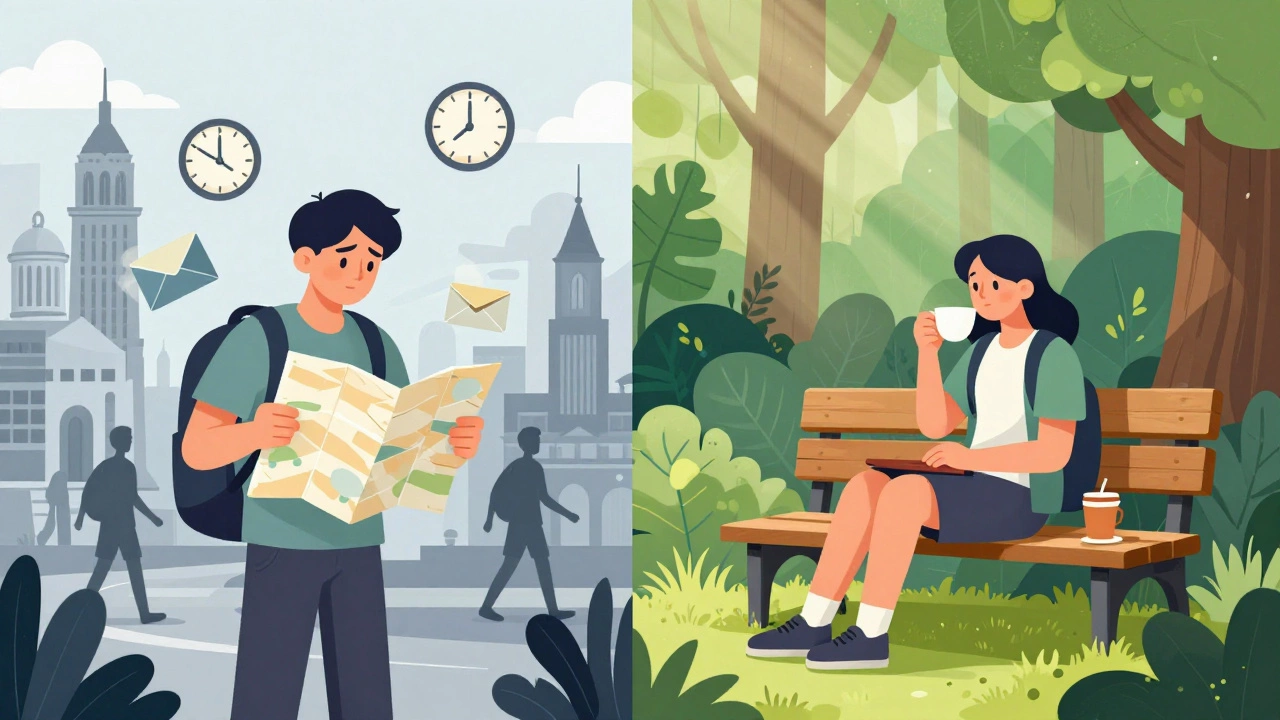
There is no single way to take a pleasure trip. The best type depends entirely on what drains you most in daily life. If your job is sedentary, a static beach trip might bore you. If your job is chaotic, a silent retreat might be exactly what you need. Here are four common archetypes:
- The Nature Immersion: Ideal for city dwellers overwhelmed by noise and screens. Think cabin rentals in the woods, national park camping, or coastal hikes. The goal here is sensory grounding-feeling the wind, hearing birds, smelling pine. This type of trip lowers blood pressure and improves focus upon return.
- The Urban Cultural Dive: Perfect for those who find energy in crowds and creativity. This involves visiting museums, trying local cuisines, attending live music, or exploring historic districts. Cities like New York, London, or Tokyo offer endless stimulation. The key is to wander without a map and let the city surprise you.
- The Wellness Retreat: Focused on physical and mental restoration. This includes spa weekends, yoga retreats, or meditation centers. Unlike a regular vacation, the schedule is structured around self-care. You might have classes, treatments, and healthy meals planned. This is great for breaking bad habits and resetting lifestyle choices.
- The Culinary Journey: For foodies who believe life revolves around the plate. This trip is built around reservations at top restaurants, cooking classes, or farm-to-table experiences. It engages taste and smell, which are closely linked to memory and emotion. It turns eating from a chore into an event.
Choosing the right type requires honest self-reflection. Ask yourself: What am I missing? Am I tired of silence, or tired of noise? Once you identify the deficit, build the trip to fill it.
How to Plan a Stress-Free Getaway
The irony of planning a relaxing trip is that the planning itself can be stressful. To avoid turning your preparation into a second job, follow these streamlined steps.
- Define Your Budget Early: Decide how much you’re willing to spend before you look at flights. This prevents 'sticker shock' later. Include hidden costs like airport transfers, meals, and souvenirs. A clear budget frees your mind from financial anxiety during the trip.
- Limit Decision Fatigue: Don't research every possible restaurant. Pick one or two must-do activities and leave the rest open. Over-planning kills spontaneity. Use apps to find highly-rated spots near your accommodation rather than booking everything in advance.
- Choose Accommodation Wisely: For a pleasure trip, where you sleep matters more than where you eat. Prioritize comfort, location, and amenities. A good night's sleep is the foundation of a relaxed trip. Look for places with strong reviews regarding cleanliness and staff responsiveness.
- Set Digital Boundaries: Inform your colleagues and family that you will be offline. Set an auto-responder email. Turn off non-essential notifications on your phone. If you check work emails every hour, you aren't really on a pleasure trip. Protect your downtime aggressively.
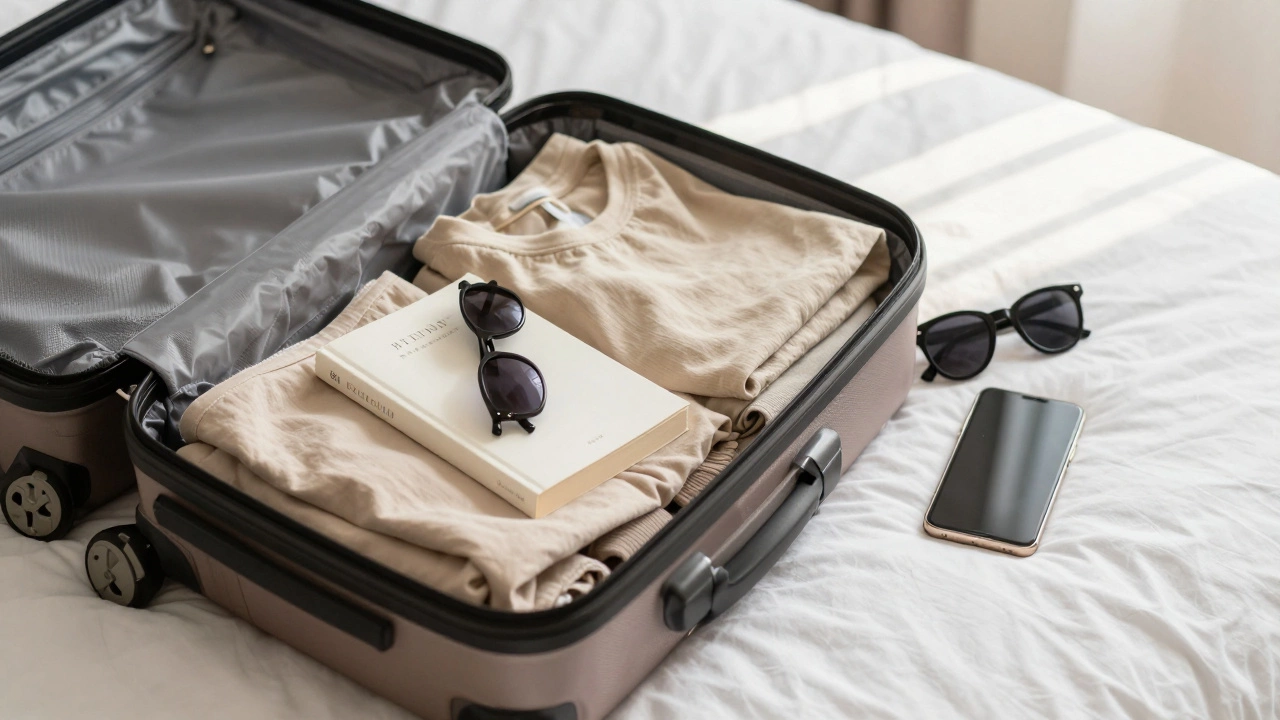
- Pack Light: Luggage adds physical burden and mental clutter. Pack for the weather and the activities you've planned. Remember, you can buy essentials locally if you forget something. Traveling with just a carry-on makes moving through airports and cities effortless.
One aspect of planning that often gets overlooked is the social dynamic. Are you traveling alone, with a partner, or with friends? Solo travel offers ultimate freedom but requires confidence. Group travel offers shared memories but demands compromise. Be clear about expectations before you go. Misaligned expectations are the number one cause of travel conflict.
Maximizing the Experience: Pro Tips
Once you're there, how do you ensure the trip actually recharges you? It’s easy to fall back into old habits. Here are some strategies to deepen the experience.
First, practice 'slow travel.' Resist the urge to rush from one attraction to another. Spend a full morning at a single café. Watch the world go by. Read a book. This mindfulness amplifies the sense of presence. When you slow down, you notice details you would otherwise miss-the texture of the walls, the accent of the locals, the pattern of the light.
Second, engage with locals. Instead of staying in tourist bubbles, visit neighborhood markets, talk to shop owners, or join a local tour led by residents. These interactions provide authentic insights and human connection, which are powerful antidotes to loneliness and stress. They remind you that the world is vast and diverse beyond your immediate circle.
Third, embrace discomfort. Part of growth is stepping out of your comfort zone. Try a food you’ve never eaten. Take a wrong turn. Miss a bus. These minor inconveniences often become the best stories. They teach adaptability and resilience. A pleasure trip isn't about perfection; it's about engagement with life as it happens.
If you are looking for unique companionship or specific local guides in international destinations, resources like this directory can sometimes offer insights into local nightlife and discreet services, though travelers should always prioritize safety and legal compliance in any foreign jurisdiction. Understanding local customs and laws is crucial for a smooth experience.
The Return Home: Integrating the Break
The end of a pleasure trip can sometimes bring a wave of sadness known as 'post-vacation blues.' This happens because the contrast between the relaxed state and the busy reality is sharp. To mitigate this, plan a gentle transition.
Avoid scheduling high-stakes meetings or difficult conversations for the first day back. Use that time to unpack, wash clothes, and gradually reintroduce yourself to your routine. Reflect on what you enjoyed most about the trip. Did you love the quiet mornings? Can you incorporate that into your week? Did you enjoy the exercise? Can you start a similar activity at home?
The goal of a pleasure trip is not just to escape, but to return with renewed energy and perspective. By carrying small elements of the trip into your daily life, you extend the benefits. Maybe it’s drinking coffee slowly, taking longer walks, or saying no to unnecessary commitments. These small shifts compound over time, leading to a more balanced and fulfilling life.
Ultimately, a pleasure trip is an investment in yourself. It signals that your well-being matters. In a world that constantly demands more from us, taking time to recharge is not selfish; it’s necessary. So, pick a destination, set a date, and go. Your future self will thank you.
How long should a pleasure trip last?
The ideal length varies, but most experts suggest 2 to 4 days for a effective recharge. Shorter trips minimize the adjustment period needed to get back into work mode, while still providing enough time to disconnect. Weekend getaways are particularly popular for this reason.
Is it better to travel alone or with others for a pleasure trip?
It depends on your personality and goals. Solo travel offers maximum freedom and introspection, making it great for deep relaxation. Traveling with others provides shared joy and support, but requires compromise. Choose based on whether you need space or connection.
Can a staycation count as a pleasure trip?
Yes, absolutely. A staycation works if you treat it like a real trip. This means leaving your house, booking a local hotel or Airbnb, exploring your city as a tourist, and strictly avoiding work. The change in context is what creates the psychological break.
How much does a typical pleasure trip cost?
Costs vary widely based on destination and style. A domestic weekend getaway might cost $500-$1,000 per person, including transport and accommodation. International trips can range from $1,500 to $5,000+. Budgeting early and choosing off-peak times can significantly reduce expenses.
What are the best destinations for a first-time pleasure trip?
For beginners, choose destinations with easy logistics and familiar languages. Nearby cities, national parks, or well-touristed countries like France, Spain, or Japan are excellent choices. Avoid remote locations that require complex visas or rugged terrain unless you are experienced travelers.